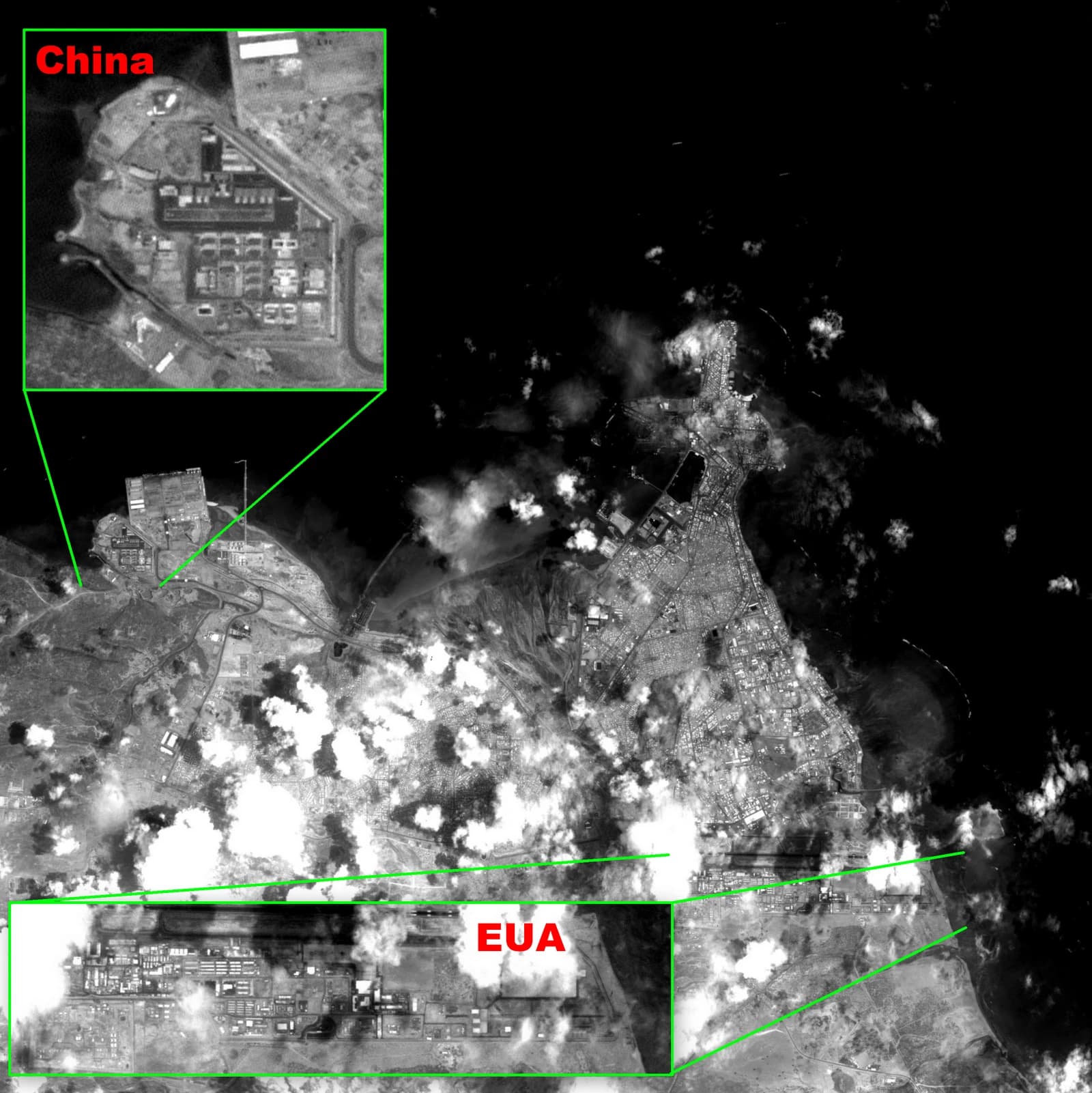
China is upgrading a military footprint in Djibouti that U.S. defense officials say could let Beijing monitor nearby American and allied forces from just six miles away, turning the Red Sea corridor into a sharper flashpoint in the U.S.-China rivalry.
China expands Djibouti site near Camp Lemonnier

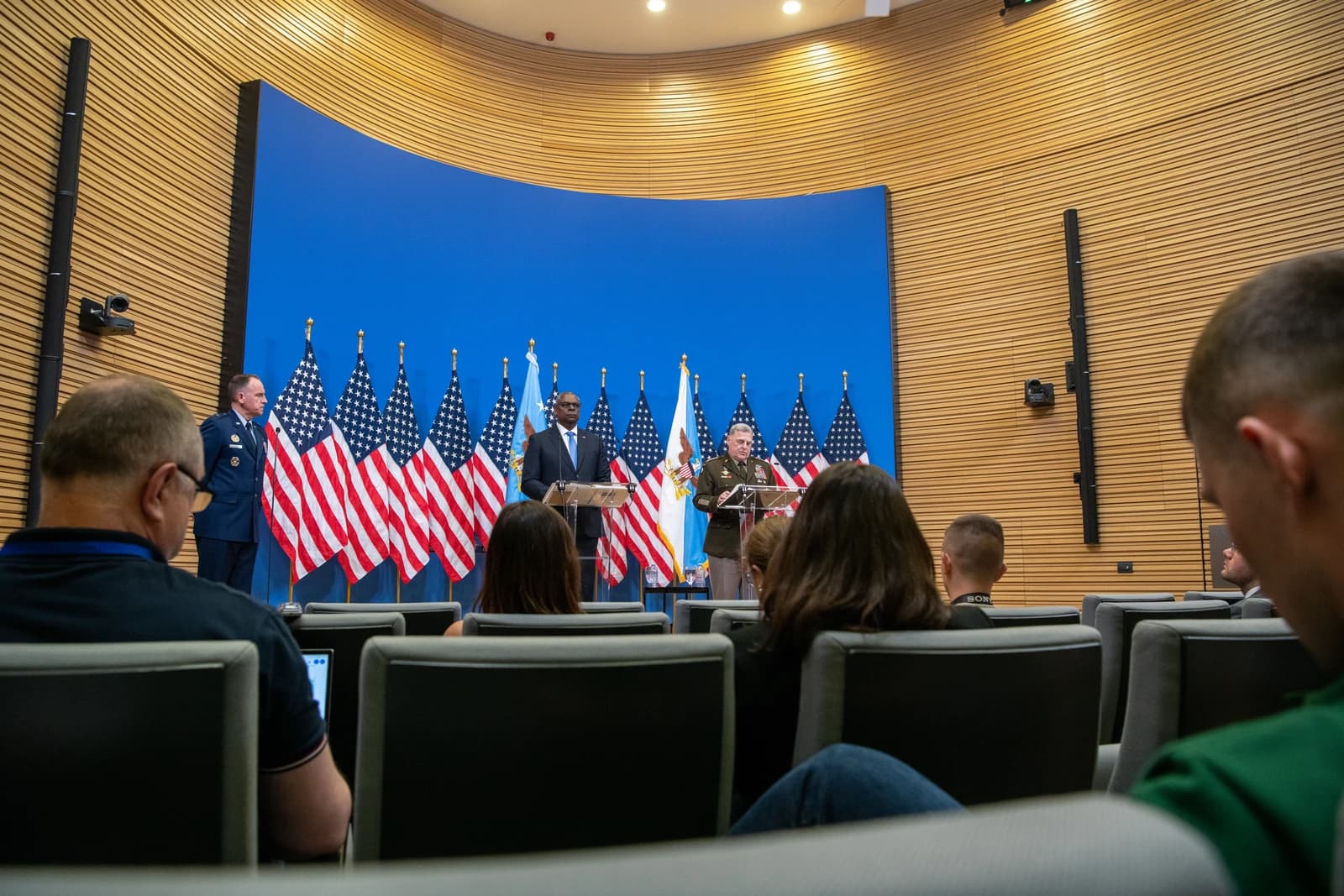
A new CSIS report cited additional Chinese facilities near Camp Lemonnier, the U.S. military’s main counterterrorism hub in Africa and a base that costs about $66 million a year to operate. The think tank said the sites could improve China’s ability to intercept signals, track naval movements and communicate with Beijing, though it stopped short of saying it could prove active interception of communications.
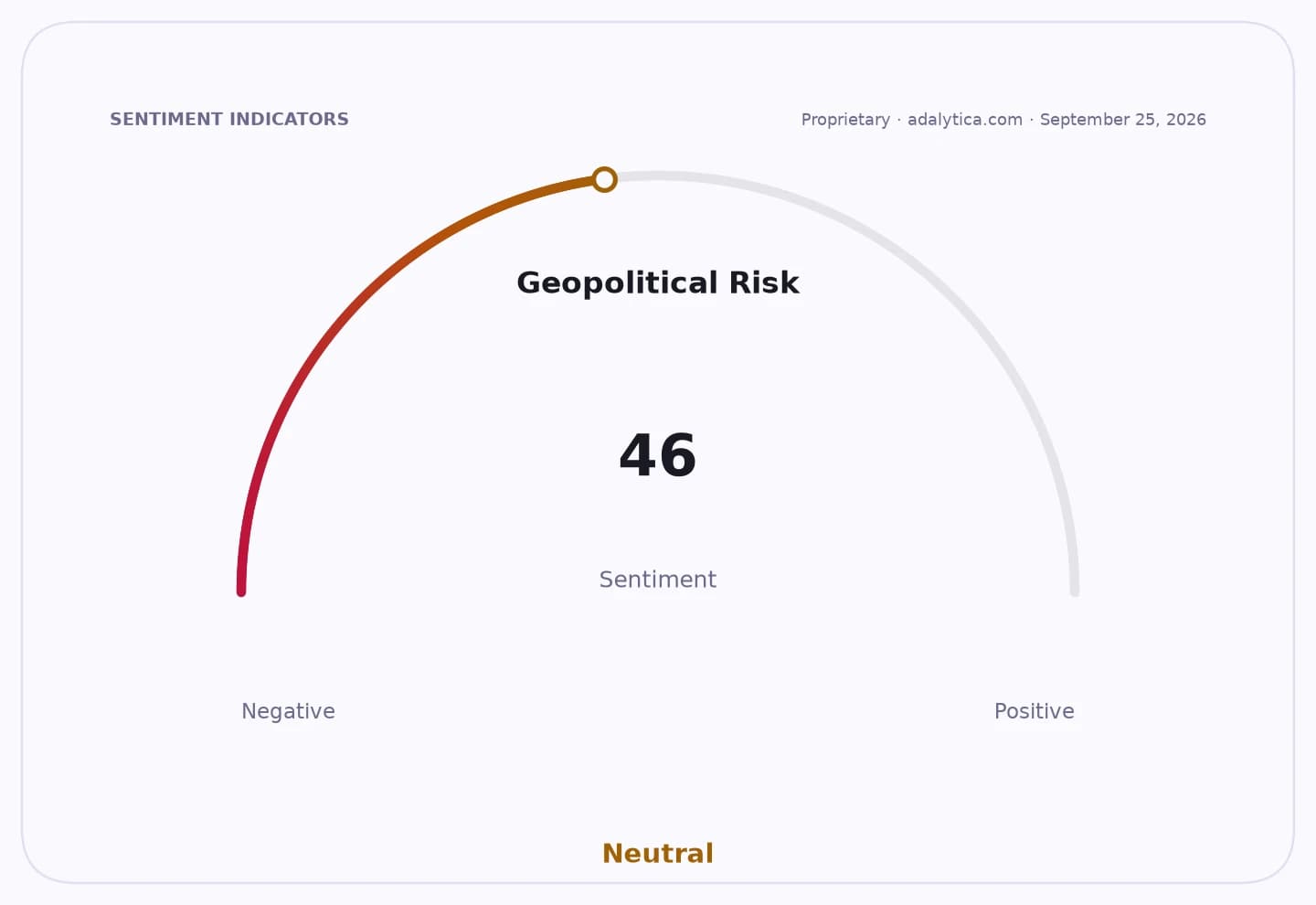
Sentiment IndicatorsⓘProprietary · adalytica.com · September 25, 2026
This is a snapshot — live sentiment, awareness and momentum for 130+ markets update continuously in the dashboard.Open AlphaPulse
The strategic significance is hard to miss. Djibouti sits beside the Bab el-Mandeb Strait, a chokepoint for nearly 16% of global maritime trade, while the Red Sea has already been rattled by Houthi attacks and wider regional militarization. For Washington, the concern is not just espionage but proximity: Chinese assets now sit next to one of the U.S. military’s most important outposts in a region that carries energy flows and shipping vital to global commerce.
Former Trump White House official Morgan Murphy said the facilities amount to “eavesdropping capabilities,” arguing Beijing is effectively building a listening post over U.S. power projection in the region. He pointed to a large site with three 30-meter dipole antennas, smaller high- and ultra-high-frequency antennas, satellite dishes, 5G towers and a radome that could conceal an unidentified asset.
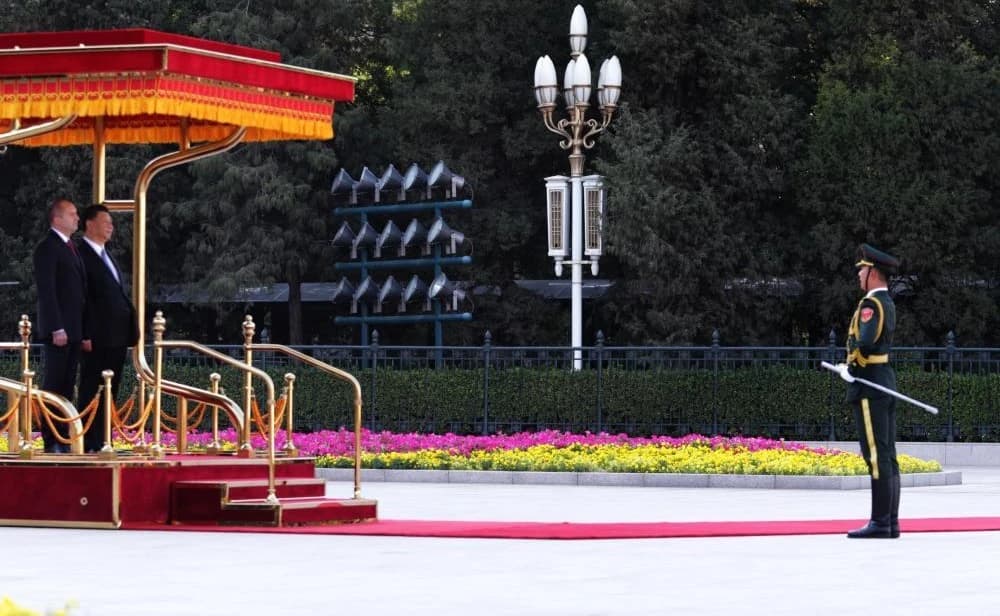
For investors, the story reinforces how geopolitical risk remains concentrated around trade routes, energy security and defense budgets. Any escalation around the Red Sea can ripple through shipping, insurance and military readiness costs, while also keeping pressure on U.S.-China relations ahead of President Xi Jinping’s expected White House visit on Sept. 24. The backdrop is especially sensitive after Trump acknowledged China spies on the U.S. even as Washington does the same.
The immediate market read is more about defense than direct trading than a single headline move, but the broader setup keeps attention on contractors tied to surveillance, communications and base security. Northrop Grumman, Lockheed Martin and RTX were all lower in recent trading, with technical gauges such as the 50-day moving average and RSI readings pointing to a market that is still digesting recent volatility rather than pricing a clean geopolitical premium.
The next catalyst is diplomatic, not commercial: if the Djibouti report comes up publicly during Xi’s Washington trip, it could sharpen scrutiny of China’s overseas military reach and keep the Red Sea in focus as a live security risk rather than a distant theater.
| Entity | Gains | Losses |
|---|---|---|
| China | ▲More regional surveillance reach | ▼Lower trust with U.S. and allies |
| U.S. military in Djibouti | ▲Greater urgency for security upgrades | ▼Exposure to monitoring near Camp Lemonnier |
| Defense contractors | ▲Potential demand for surveillance and base-defense systems | ▼None if tensions ease |
| Shipping and energy users | ▲None | ▼Higher disruption and insurance risk |