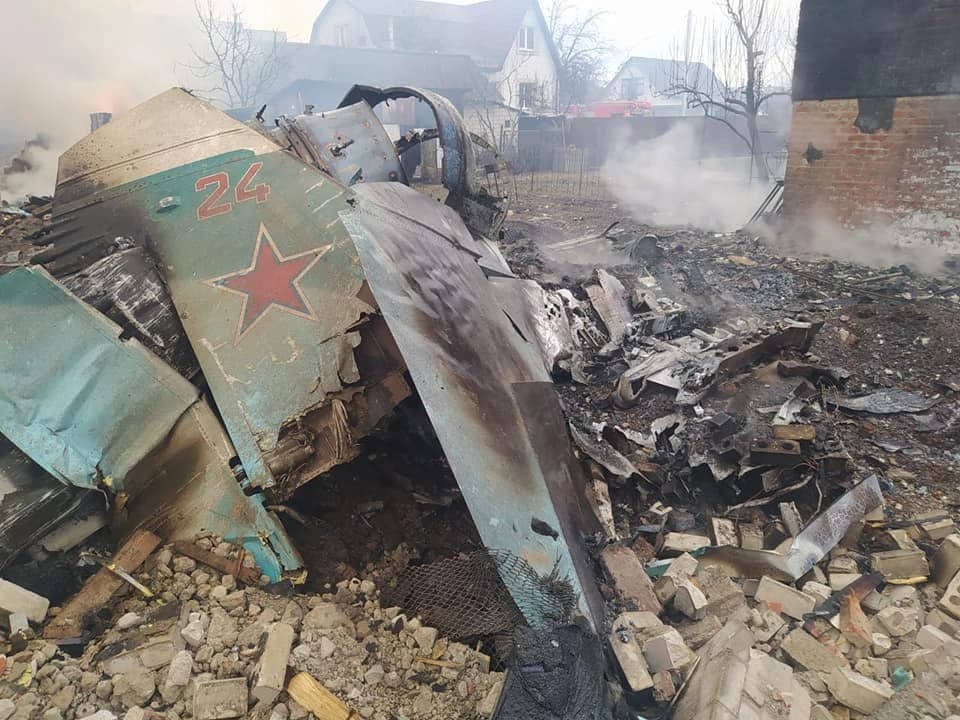
Russia’s widening assault on Ukraine has killed civilians, damaged infrastructure and raised the odds of a deeper energy and security shock heading into winter.
Ukraine drone strikes hit Kyiv, Odesa, Zaporizhzhia
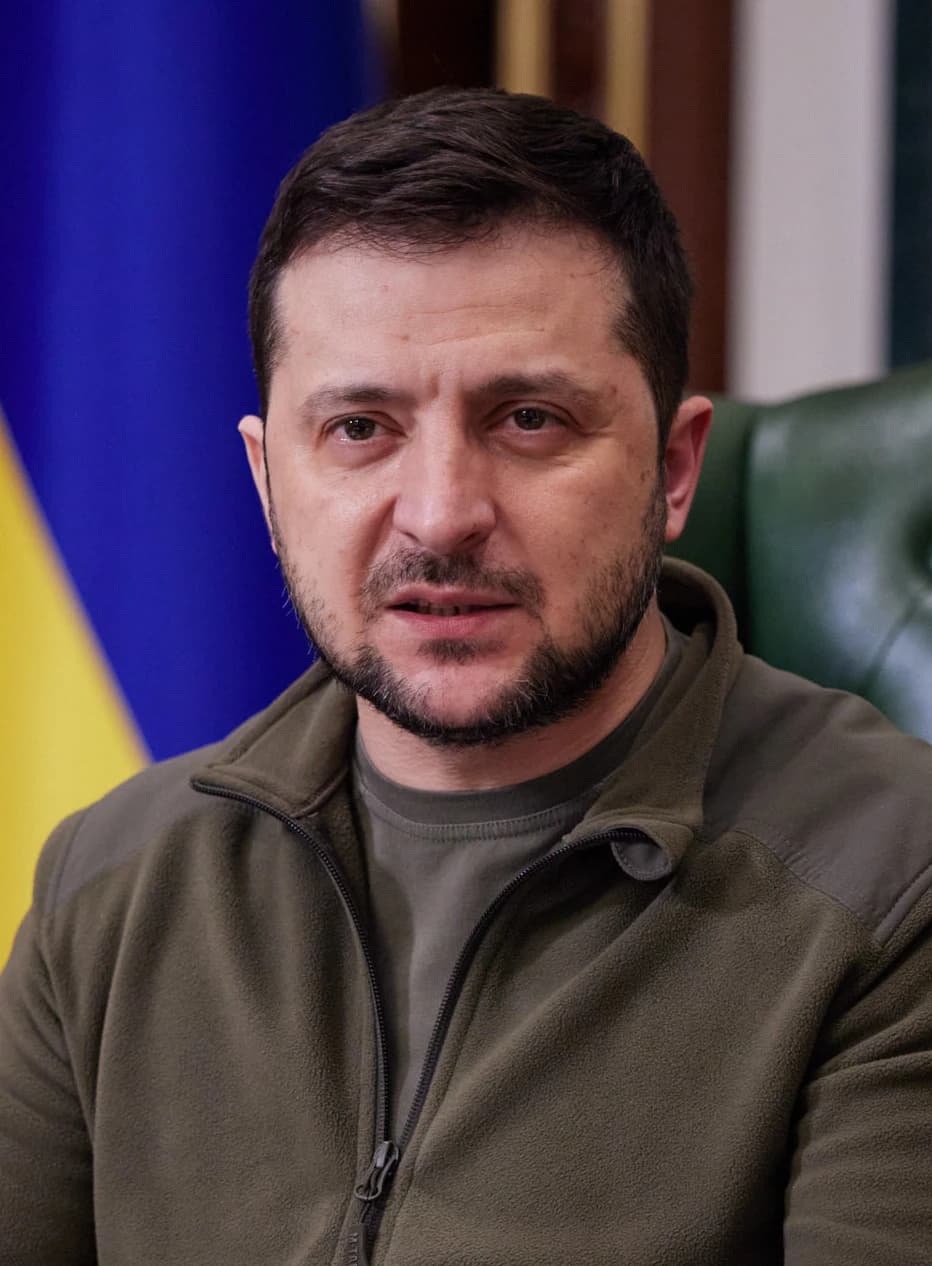
Ukrainian President Volodymyr Zelensky said eight regions were under attack since the morning hours, underscoring a renewed campaign that is stretching Ukraine’s air defenses and keeping pressure on civilian logistics, housing and critical services. Zelensky said a Russian drone strike on a residential high-rise in Kyiv killed a 14-year-old child, while a strike in Odesa hit a postal terminal and left one person dead. In Zaporizhzhia, he said a clinic with people inside was struck.
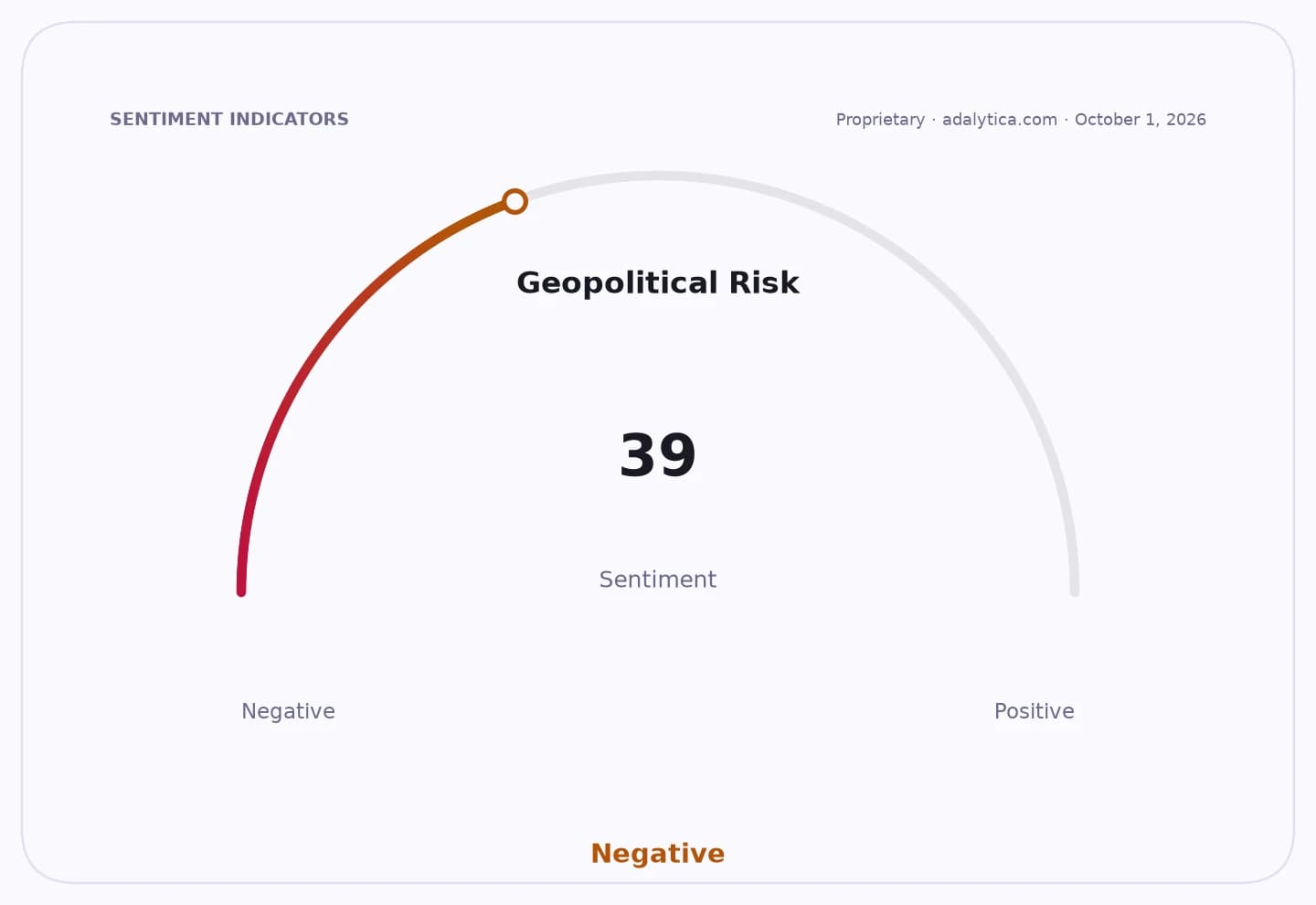
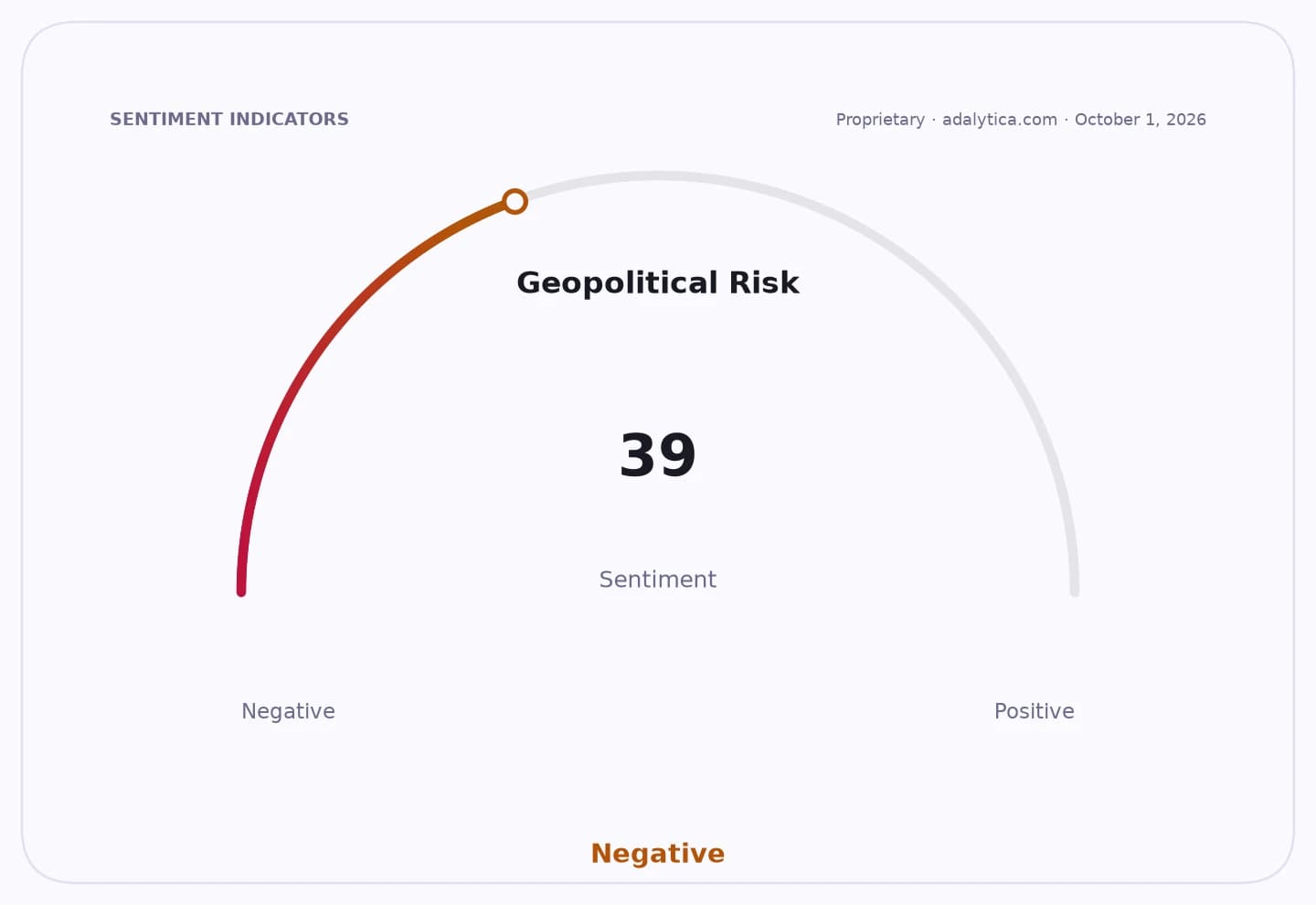
Sentiment IndicatorsⓘProprietary · adalytica.com · October 1, 2026
This is a snapshot — live sentiment, awareness and momentum for 130+ markets update continuously in the dashboard.Open AlphaPulse

The scale of the attack also mattered. Ukraine’s air force said Russia launched 295 drones, of which 267 were intercepted or neutralized, a high interception rate that still leaves a substantial number of weapons getting through. For investors and policy makers, that combination points to a conflict that is becoming more attritional rather than decisive: Ukraine can blunt much of the barrage, but Russia appears able to sustain large-volume attacks on a wide geographic front.
Zelensky used the latest strikes to press for greater international pressure on Moscow, warning that without it Russia would escalate “until winter.” That matters economically because the pattern of attacks has direct implications for power grids, transport links, industrial output and humanitarian spending, while also increasing the risk of further disruption to Black Sea and regional trade flows. The conflict’s knock-on effects are now less about battlefield movement than about endurance, supply chains and the cost of keeping Ukraine functioning.
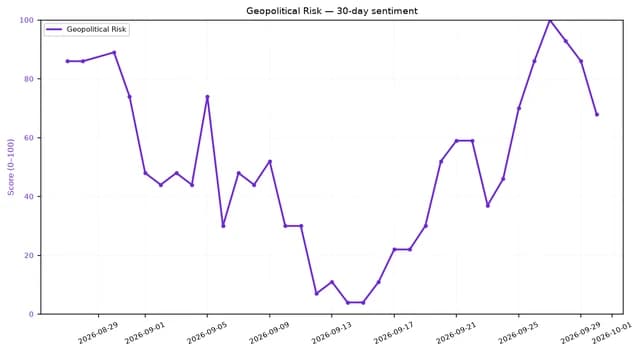
The warning also lands as markets continue to price geopolitical risk unevenly. Defense stocks remain the clearest beneficiaries of prolonged conflict, while the broader market impact depends on whether the fighting spills into energy, shipping or food infrastructure. In that sense, the strikes are relevant beyond Ukraine: every escalation raises the probability of renewed volatility in European security policy, emergency aid commitments and defense procurement.
The latest wave of attacks fits a broader pattern in which both sides are intensifying long-range strikes on strategic assets. Ukraine has in recent months stepped up attacks on Russian refineries, fuel depots, ports and industrial sites, while Russia has increased strikes on Ukrainian cities and infrastructure. The result is a more contested war of attrition that favors investors in defense, air-defense systems and munitions, but keeps pressure on European growth sentiment and any assets exposed to regional energy and freight disruption.
For now, the key question is whether Moscow’s campaign remains episodic or turns into a sustained winter offensive against Ukraine’s civilian and energy backbone. If that happens, the economic damage could rise quickly even without major frontline changes, and the market response would likely be concentrated in defense suppliers, European utilities and risk-sensitive assets across the region.
| Entity | Gains | Losses |
|---|---|---|
| Defense contractors | ▲Higher demand for air defenses | ▼— |
| Ukraine’s civilians | ▲— | ▼Greater strike risk |
| Russian military pressure | ▲Tactical leverage | ▼Sanctions exposure |
| European energy and logistics assets | ▲— | ▼Higher disruption risk |