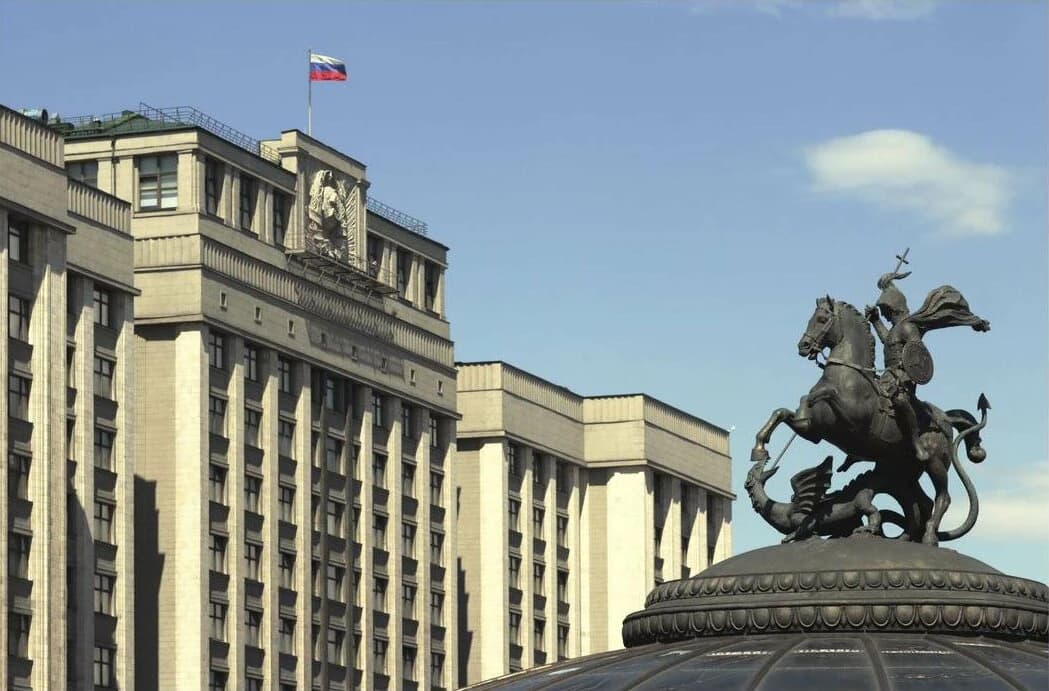
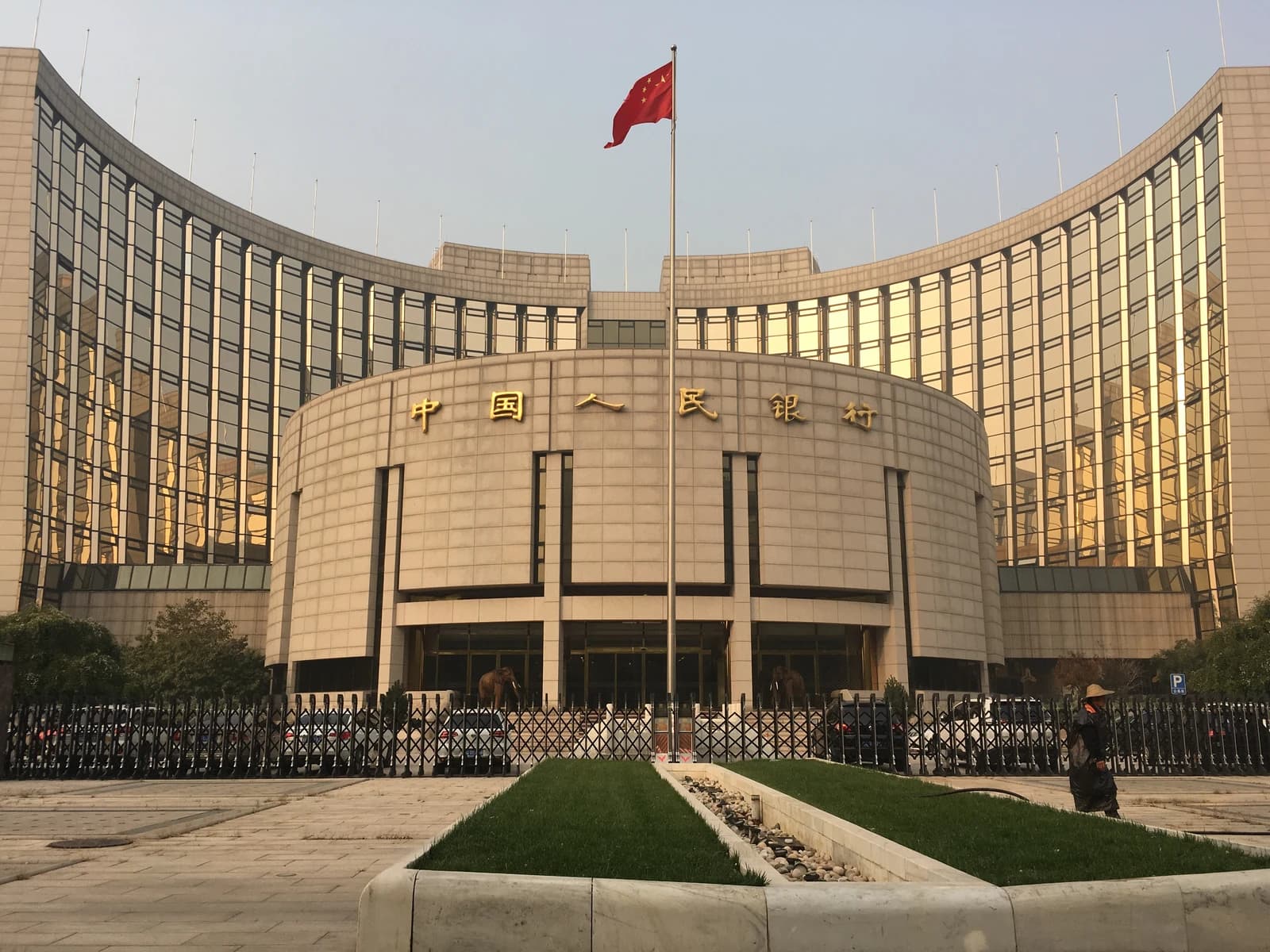
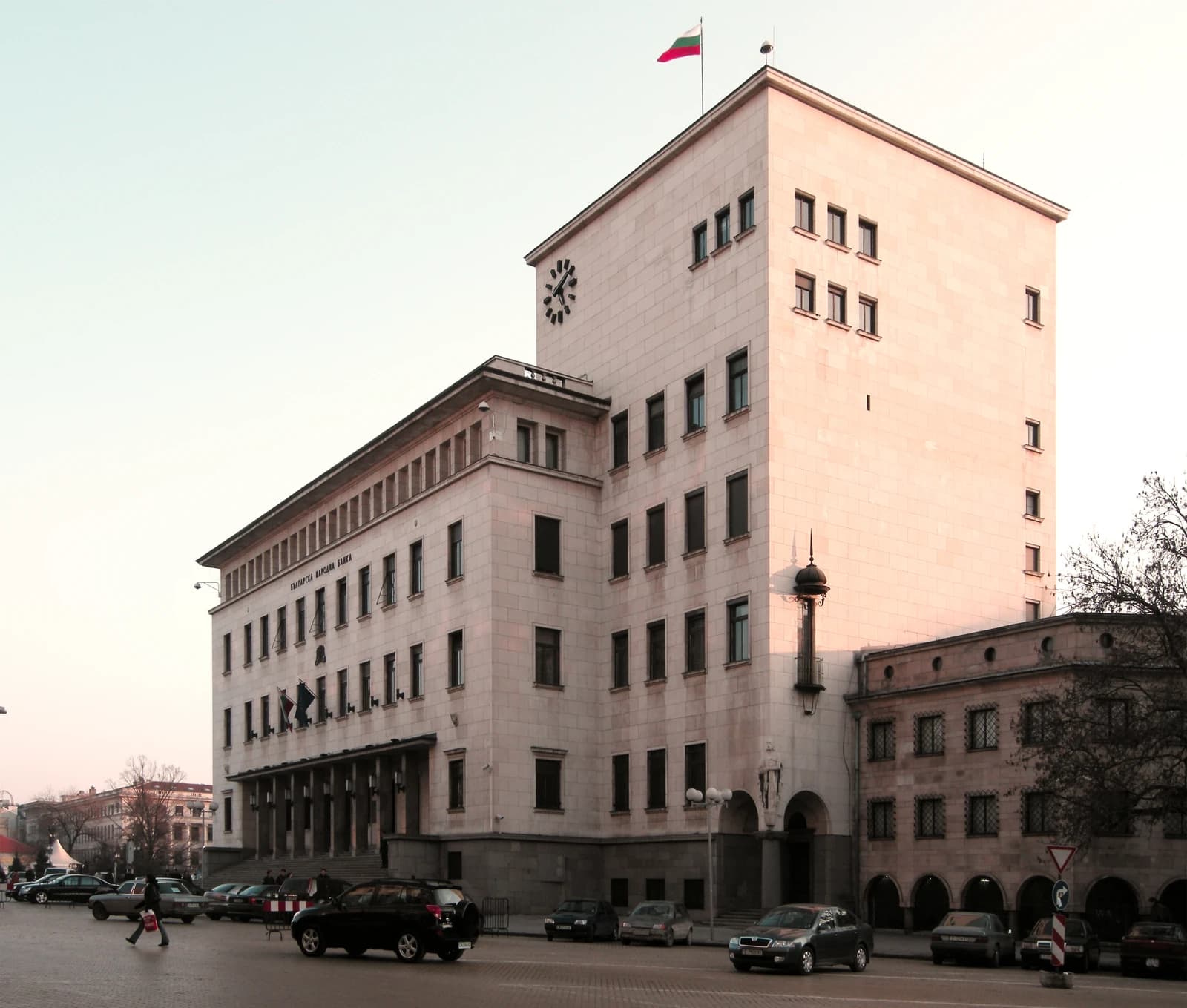
Belarus is asking Russia for relief on billions of dollars in debt, a sign that Minsk wants to ease one of the region’s most lopsided financial relationships rather than take on even more borrowing. For investors, the key issue is not just the size of the bill — about $8.5 billion — but what refinancing could mean for Belarus’s fiscal flexibility, Russia’s leverage over its neighbor and the broader stability of a sanctions-hit economy.
Belarus Seeks Russia Debt Refinancing Talks
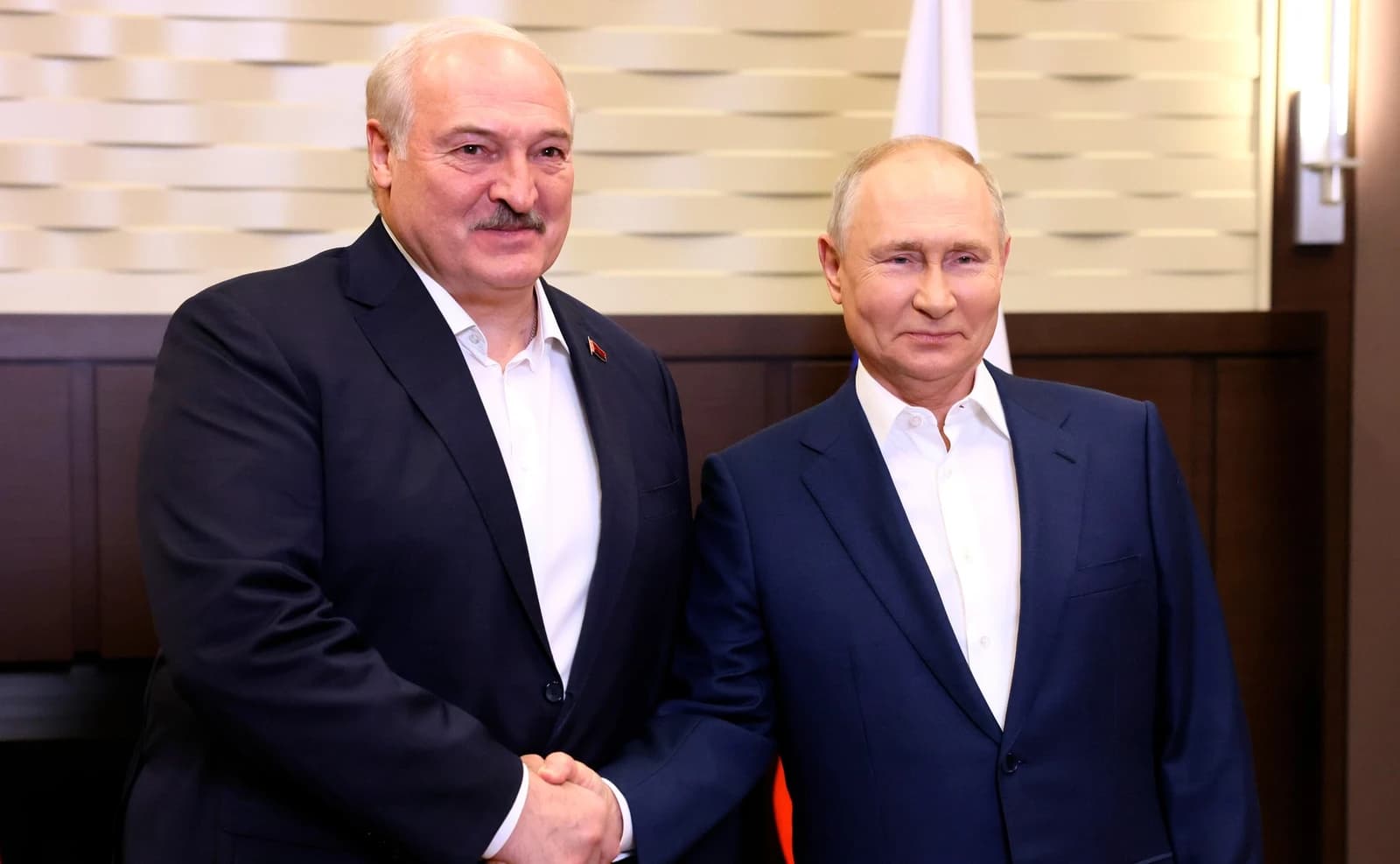
Belarusian Finance Minister Yuri Seliverstov said the talks are about refinancing existing obligations, not expanding new borrowing. That distinction matters. In practical terms, Minsk is trying to push out maturities or renegotiate terms, a move that can buy time for a government facing tighter external financing options and persistent dependence on Moscow. The country has already become Russia’s largest debtor, according to World Bank data cited by local media, overtaking Bangladesh and India.
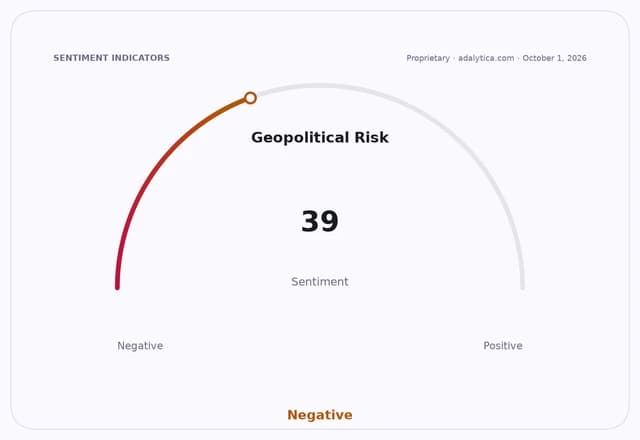
This is economically important because debt servicing can crowd out spending on everything else a government needs to keep an economy functioning: wages, infrastructure, and support for state enterprises. If Belarus secures a reprieve, it could reduce near-term pressure on the budget and help avoid a sharper squeeze on reserves. If it does not, the burden of servicing Russian liabilities could become even more constraining, especially at a time when Belarus has few easy alternatives in international capital markets.
The wider context is geopolitical as much as financial. Moscow and Minsk are already moving closer through institutional ties, including plans for a supranational tax committee. Debt negotiations add another layer to that dependence. Russia can use financing terms as a policy tool, while Belarus can use refinancing requests to preserve room to maneuver without openly defaulting or seeking fresh external support from the West.
For investors, the story is a reminder that sovereign debt in Eastern Europe is rarely just about coupons and maturities. It is about bargaining power, sanctions risk and the durability of political alliances. The Belarusian ruble and any assets tied to regional risk can remain vulnerable to shifts in that relationship, even if refinancing temporarily eases the pressure. Longer term, the country’s debt profile will likely stay a watchlist item for anyone tracking frontier sovereign risk, especially if Minsk remains dependent on Moscow to roll over obligations.
| Entity | Gains | Losses |
|---|---|---|
| Belarus | ▲Breathing room on debt payments | ▼Fiscal autonomy |
| Russia | ▲Greater leverage over Minsk | ▼Immediate cash repayment |
| Belarusian budget | ▲Lower near-term servicing strain | ▼Tight external financing options |
| Investors in regional risk | ▲Clarity on refinancing terms | ▼Default and sanctions uncertainty |