Kazakhstan is cementing a new funding channel in China’s bond market, using its latest yuan sale to build a sovereign borrowing curve and reduce reliance on dollar debt as U.S. yields stay elevated.
Kazakhstan Raises 10 Billion Yuan in Panda Bonds
The Central Asian state raised financing across two sovereign panda-bond deals totaling 10 billion yuan, or about $1.5 billion, after returning to the Chinese market with a three-year issue priced eight basis points below its debut sale in May. The latest deal came after S&P Global Ratings upgraded Kazakhstan to BBB from BBB- with a stable outlook, helping push borrowing costs lower and signaling stronger access to Chinese investors.
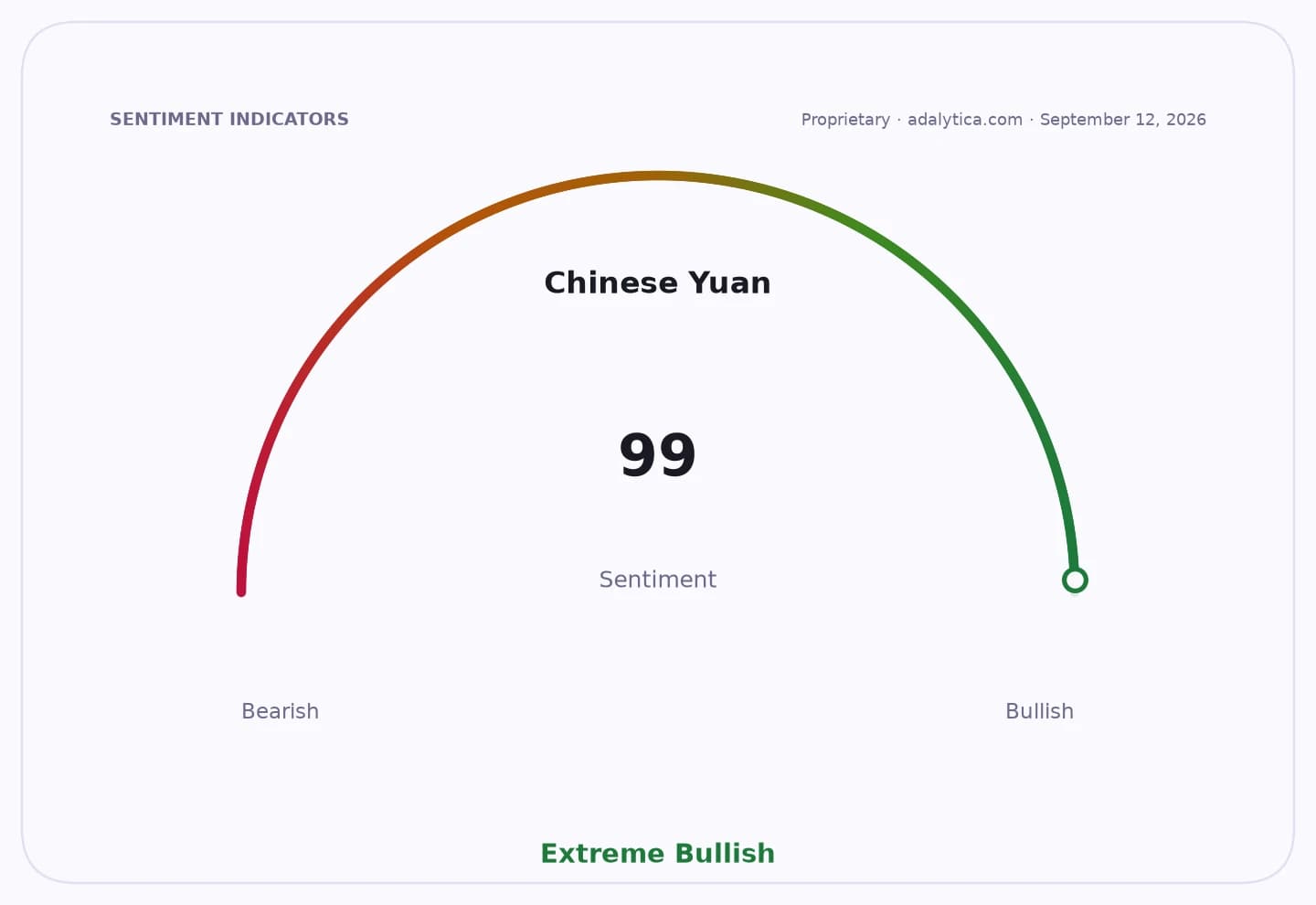
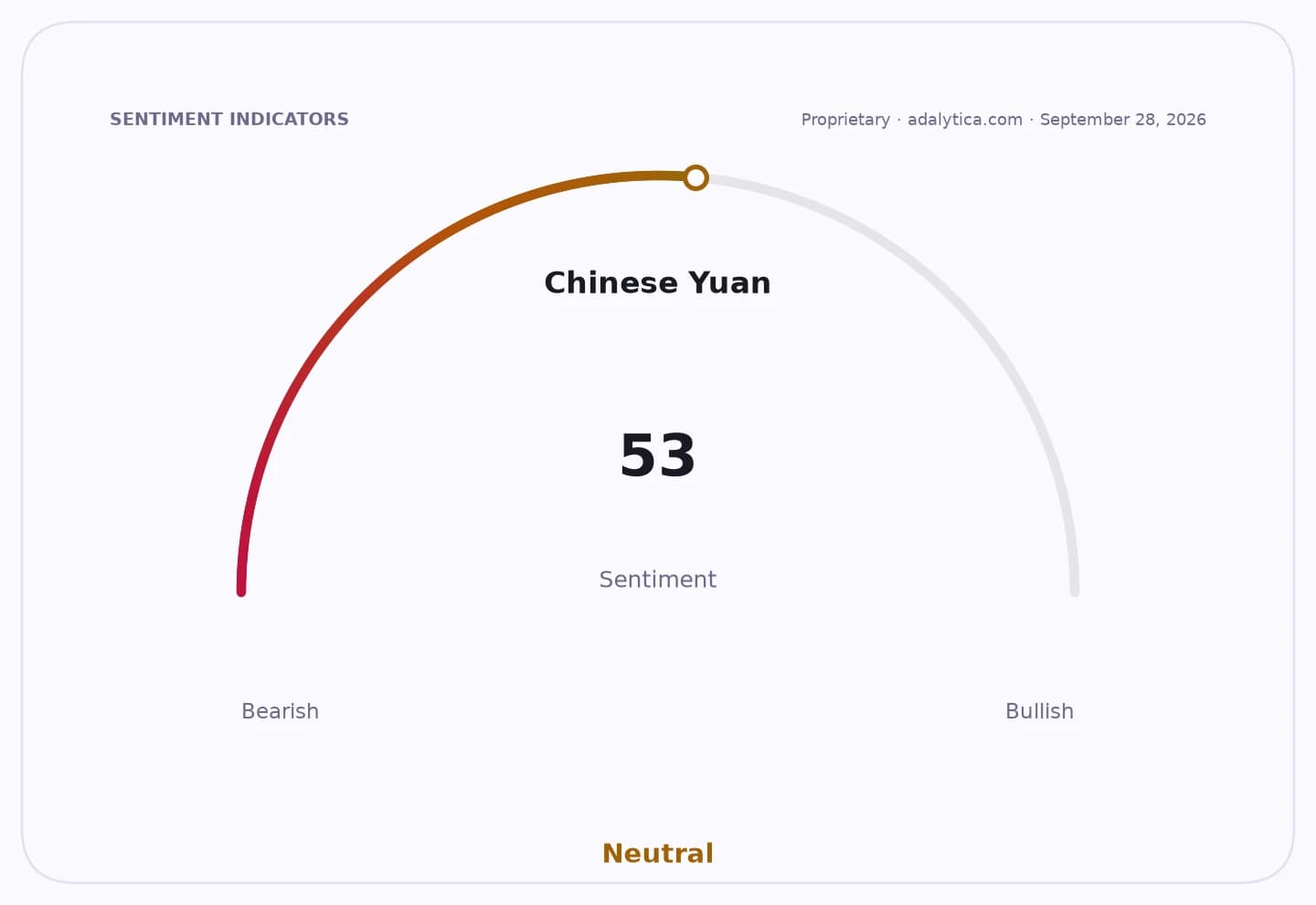
Sentiment IndicatorsⓘProprietary · adalytica.com · September 27, 2026
This is a snapshot — live sentiment, awareness and momentum for 130+ markets update continuously in the dashboard.Open AlphaPulse
For Kazakhstan, the significance is not just cheaper money. A sovereign benchmark in yuan gives the government and state-linked borrowers a pricing reference in China’s onshore market, something finance officials and bankers say had been missing. That matters for future issuance from quasisovereign groups, commodity producers and eventually banks, all of which may look to diversify away from dollar funding.
The move also reflects deeper economic ties with China, Kazakhstan’s largest commercial counterparty and a key corridor for trade into Central Asia. Bankers said the second sovereign issue benefited from stronger recognition among Chinese investors after the debut panda bond drew twice as many orders as expected from institutional buyers, allowing the government to tighten pricing on the follow-up sale.
The timing is notable. With 10-year U.S. Treasury yields around 5%, yuan borrowing can offer a lower headline coupon and a way to diversify liabilities. For issuers without yuan revenue, the economics still depend on hedging costs and cross-currency swaps, but the widening market gives Kazakhstan more flexibility than a single-currency funding strategy.
The broader pipeline is already taking shape. Samruk-Kazyna sold 3 billion yuan of panda bonds in April, while KazMunayGas raised 3.5 billion yuan in August, showing that Kazakhstan’s largest state-linked borrowers are beginning to use the market alongside the sovereign.
Investors will be watching whether the sovereign can keep the market open for repeat issuance and whether Chinese demand holds up for Central Asian credit. If it does, Kazakhstan’s yuan market push could become a template for other frontier and commodity exporters looking to tap China’s capital base without leaning so heavily on the dollar.
| Entity | Gains | Losses |
|---|---|---|
| Kazakhstan government | ▲Cheaper yuan funding, sovereign benchmark | ▼Dollar funding dependence |
| Chinese investors | ▲New sovereign credit exposure | ▼Limited yield pickup vs. higher-risk peers |
| State-linked Kazakhstan borrowers | ▲Future yuan pricing reference | ▼Higher hedging complexity |
| U.S. dollar market | ▲Less share of Kazakhstan borrowing | ▼Issuer demand from Kazakhstan |