Ukraine’s President Volodymyr Zelensky said Russia is deploying citizens from 47 countries, including India, in its war against Ukraine, sharpening a geopolitical dispute that could widen pressure on Moscow’s war effort, recruitment channels and the countries whose nationals are being drawn into the fighting.
Zelensky Says Russia Uses Foreign Fighters in Ukraine
The allegation matters because it points to a more expensive and more politically fraught war for Russia. If Moscow is relying on foreign recruits, whether through deception, coercion or recruitment networks abroad, it suggests strain in its domestic manpower pool as the war drags on and casualties remain high. That in turn raises the cost of sustaining the conflict and increases the risk of friction with countries whose citizens are involved.
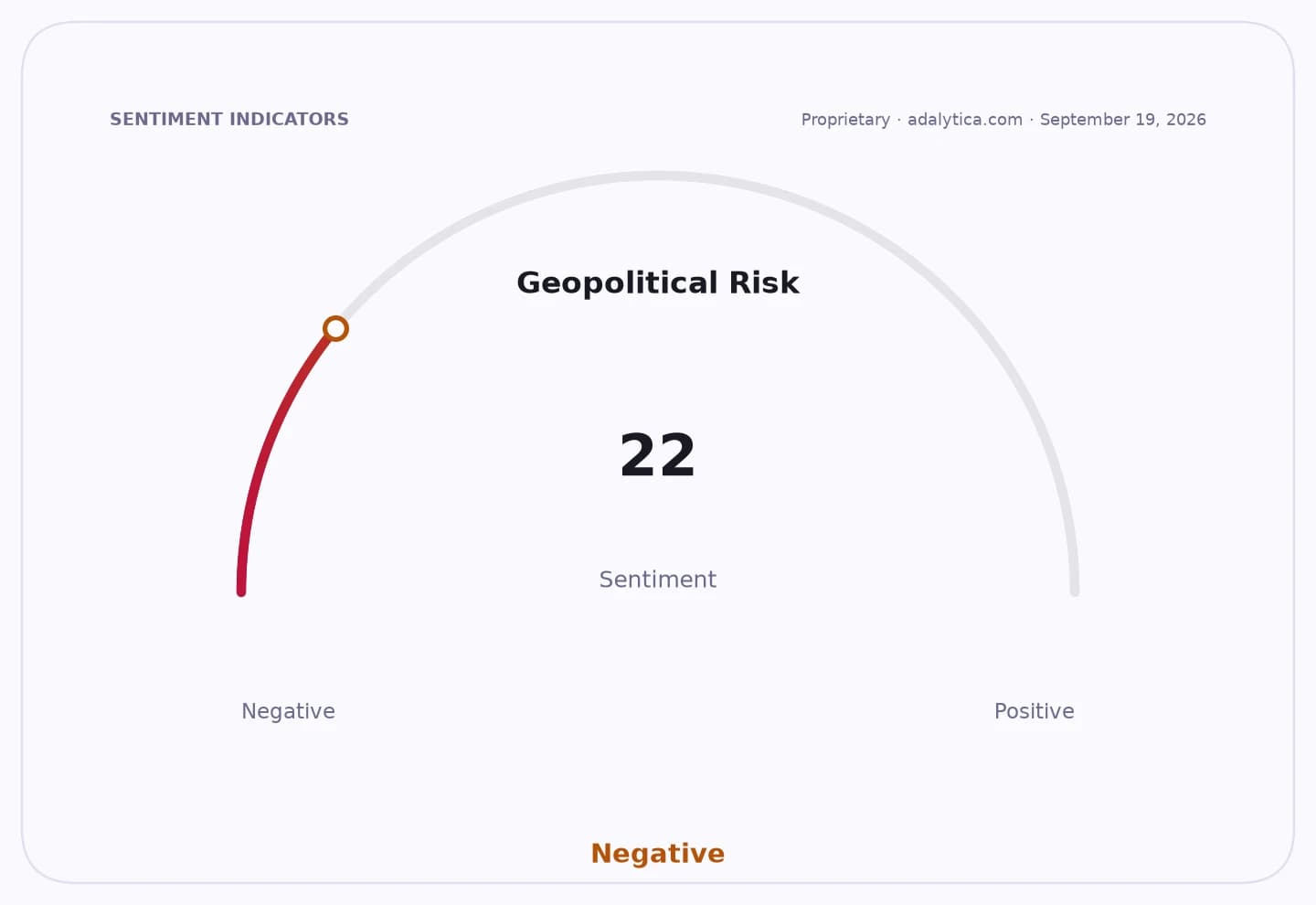
Sentiment IndicatorsⓘProprietary · adalytica.com · September 30, 2026
This is a snapshot — live sentiment, awareness and momentum for 130+ markets update continuously in the dashboard.Open AlphaPulse
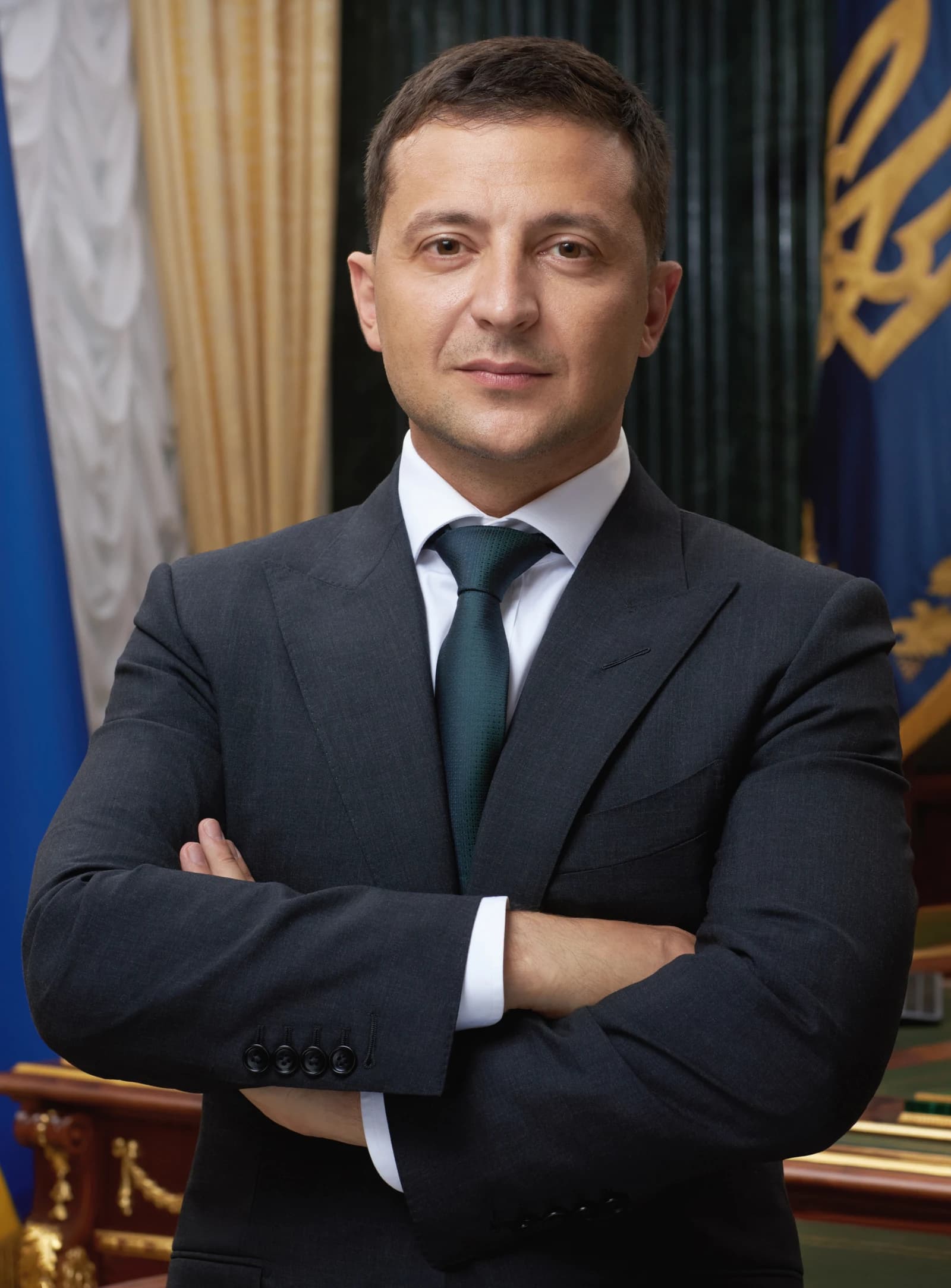
Zelensky made the claim in a speech at the United Nations General Assembly in New York, saying some foreign nationals had been tricked into going to Russia and then forced into combat. He urged governments from the affected countries to act quickly and prevent their citizens from being drawn further into the war. India, Nepal, Tajikistan, Yemen and Kenya were among the countries he named.
The remarks also carry diplomatic weight for New Delhi and other governments that have sought to maintain balanced relations with both Moscow and Kyiv. For India, any confirmed involvement of its citizens in Russian military operations would add a sensitive consular and political issue at a time when the country has carefully managed its stance on the conflict. It could also revive scrutiny of recruitment networks that have previously pulled workers or students into gray zones abroad.
The broader backdrop is a war that is becoming more attritional and more economically damaging. Russia has raised its war budget by 27% to a record level, underscoring that the Kremlin is preparing for a prolonged campaign rather than a negotiated pause. Zelensky said Ukraine would target Russian energy assets if Moscow keeps striking its power and energy infrastructure, a threat that speaks to the war’s next phase: disruption of revenue-generating assets on both sides rather than battlefield gains alone.
For investors, the immediate read-through is not about direct market exposure to foreign fighters but about the implications of a longer war. A conflict that requires broader recruitment and heavier military spending keeps sanctions risk, energy-market volatility and geopolitical uncertainty elevated. It also strengthens the case for continued defense spending and keeps pressure on European energy security and emerging-market sovereign risk where labor migration and remittances could be affected.
Russia’s use of foreign nationals, if substantiated, would also suggest that labor shortages and battlefield attrition are starting to matter more than Kremlin rhetoric admits. That supports the view that Moscow is prepared to absorb higher economic pain to sustain the war, which raises the probability of further escalation rather than compromise.
| Entity | Gains | Losses |
|---|---|---|
| Russia | ▲Expanded recruitment pool | ▼Political and manpower strain |
| Ukraine | ▲Diplomatic pressure on Moscow | ▼Longer, costlier war |
| India and other source countries | ▲Consular leverage | ▼Risk to citizens abroad |
| Energy and defense sectors | ▲Higher spending demand | ▼More volatility and sanctions risk |