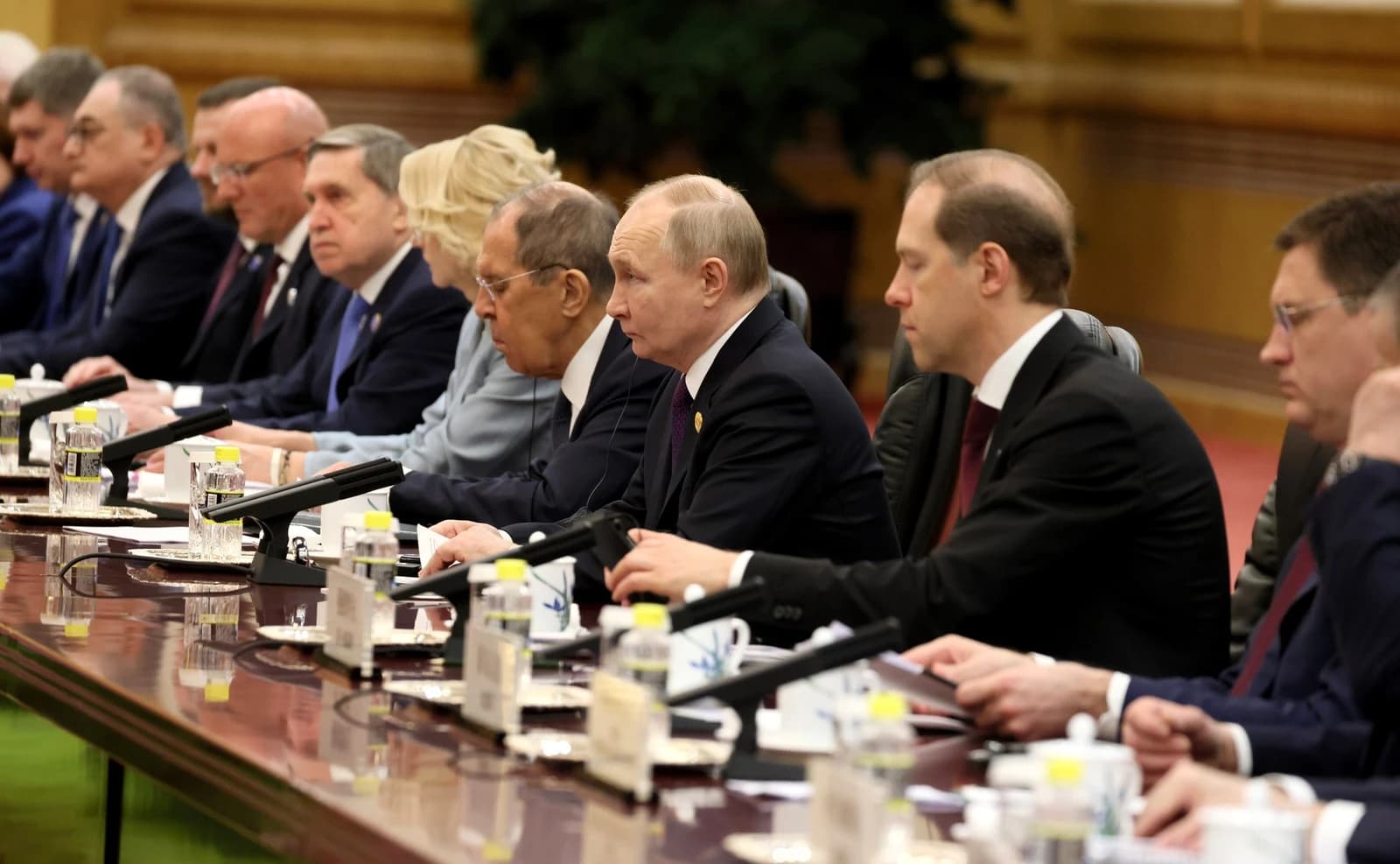
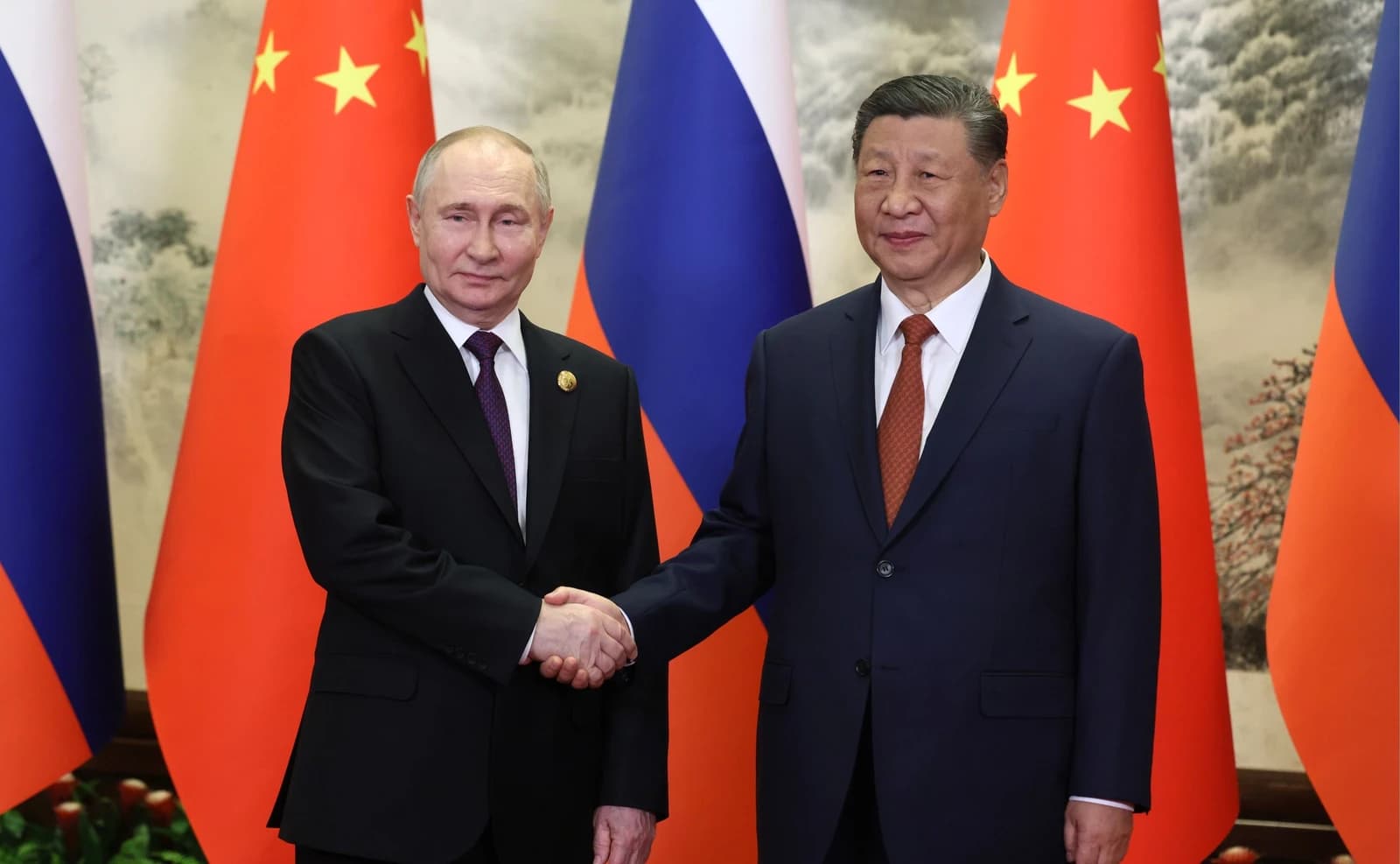
Kazakhstan’s President Kassym-Jomart Tokayev has publicly pushed Vladimir Putin to halt the war in Ukraine and enter negotiations, a rare challenge from one of Moscow’s closest regional partners that underscores how the conflict is increasingly testing Russia’s political and economic leverage in Central Asia.
Kazakhstan Pushes Putin to End Ukraine War
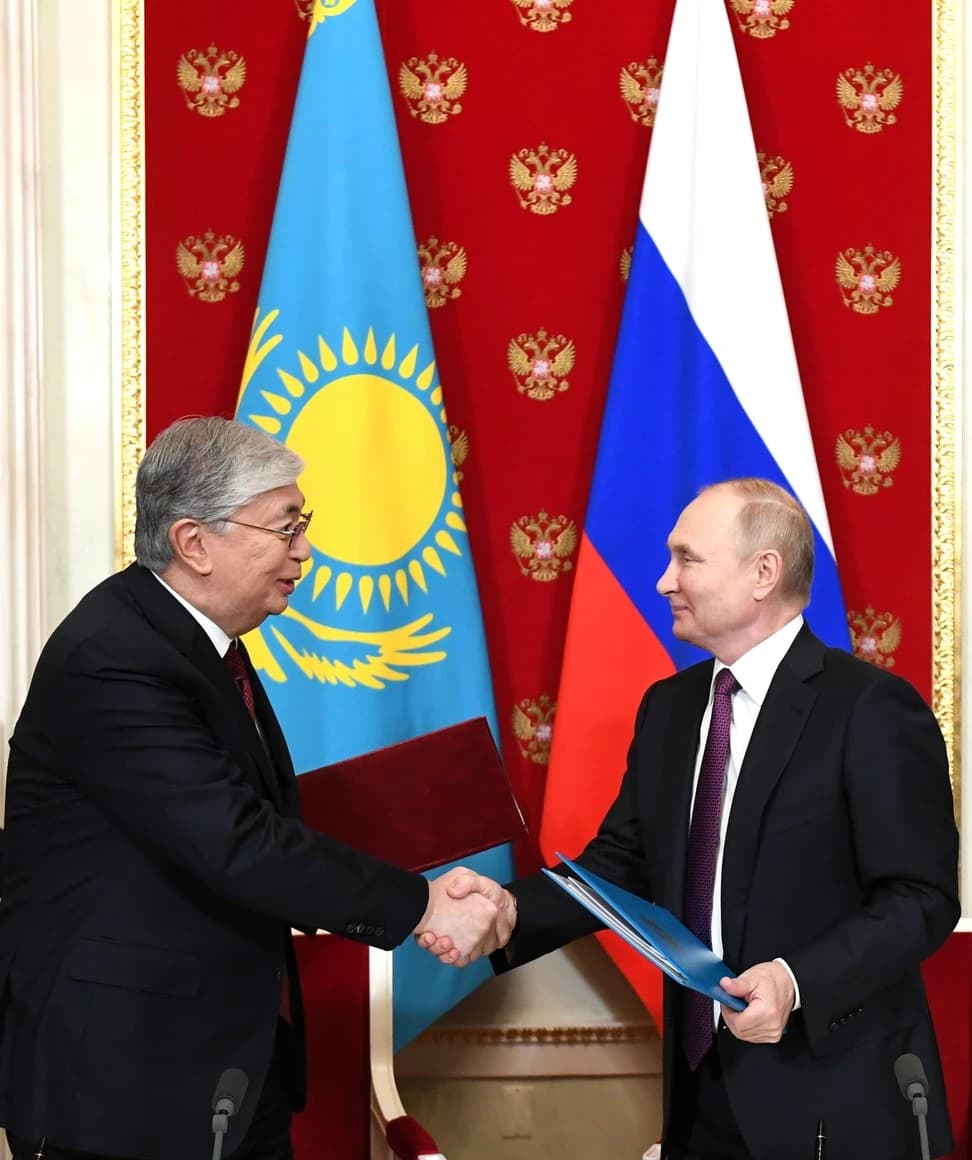
The message matters because Kazakhstan is not a peripheral player. It is Russia’s key partner in the Eurasian Economic Union, an important transit corridor for trade rerouted away from Western sanctions, and a major supplier of energy and raw materials in a region where stability directly affects investment flows. When Astana signals discomfort with the war, it suggests Moscow’s coalition is becoming harder to manage even among countries that depend heavily on Russian trade, transport and security links.
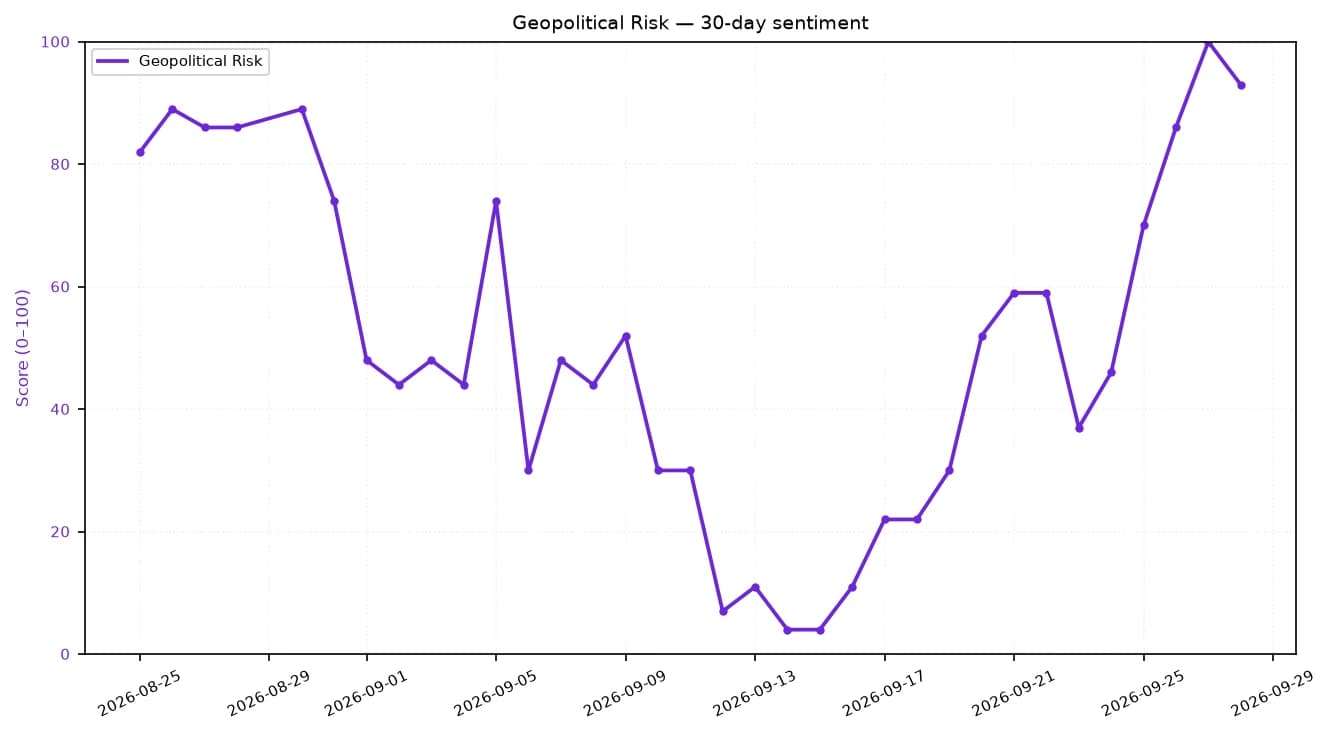
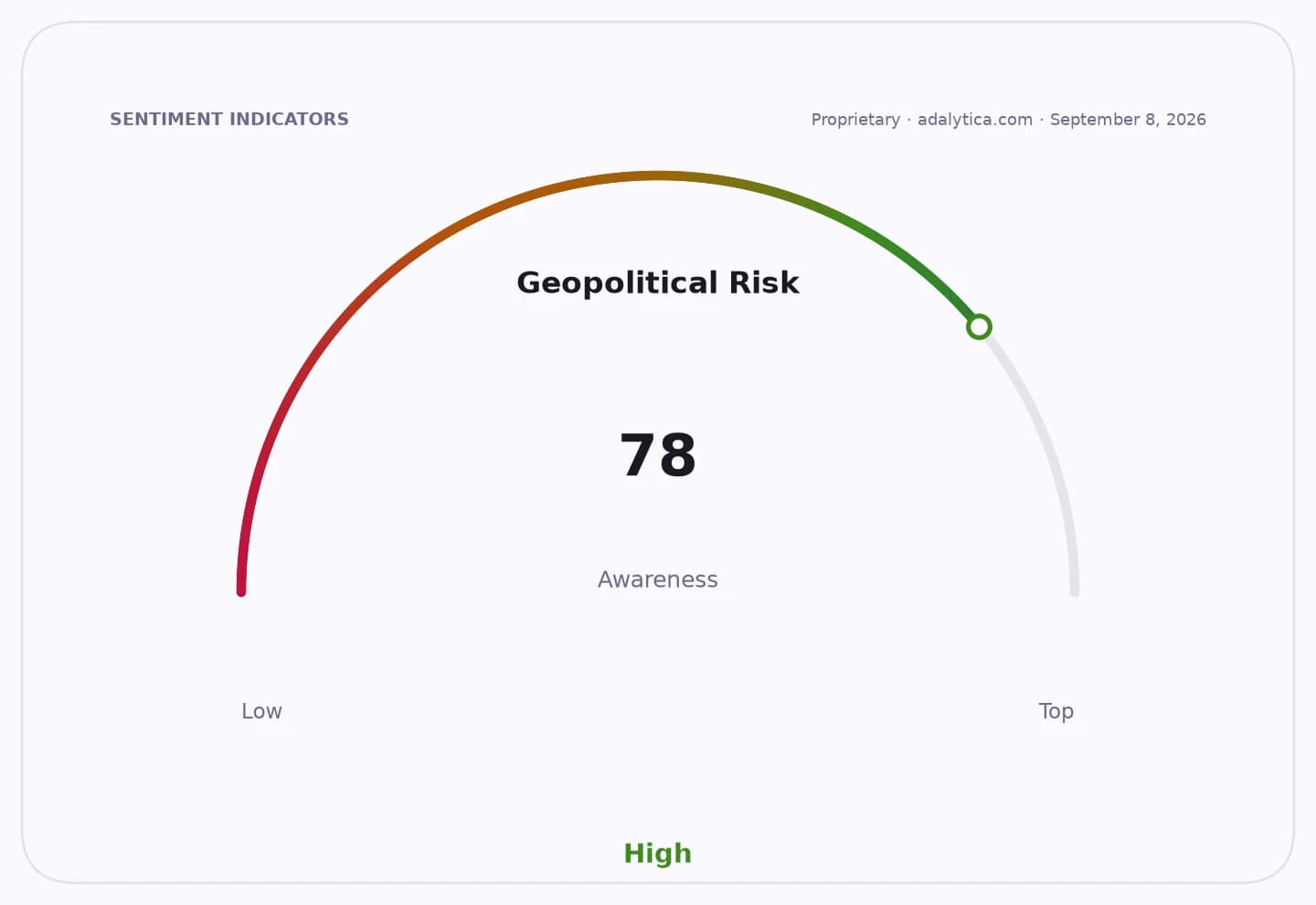
Sentiment IndicatorsⓘProprietary · adalytica.com · September 30, 2026
This is a snapshot — live sentiment, awareness and momentum for 130+ markets update continuously in the dashboard.Open AlphaPulse
Tokayev’s appeal comes as Russia continues military operations in eastern Ukraine, including around Kharkiv, while regional governments weigh the economic cost of prolonged conflict against the diplomatic risk of openly criticizing the Kremlin. Kazakhstan has tried to preserve a balancing act: keeping economic and political ties with Moscow intact while avoiding the reputational and financial fallout from being seen as endorsing the invasion. That balancing act is becoming more difficult as sanctions, logistics disruptions and war-related security concerns reshape commerce across the former Soviet space.
For investors, the significance lies less in any immediate market move than in the message about geopolitical fatigue. A more assertive Kazakhstan raises questions about the durability of Russia-centered trade routes, the reliability of regional coordination and the extent to which neighboring states will continue helping Russia blunt sanctions pressure. Energy traders, miners, freight operators and frontier-market investors will watch whether the rhetoric translates into policy changes on transport, customs cooperation or security alignment.
The broader narrative is that Moscow is facing a narrowing field of tolerant partners. Even where governments remain formally neutral, they are increasingly signaling that endless war carries costs they no longer want to absorb. Whether Putin responds with concessions or with pressure on neighbors will shape not only the diplomatic track on Ukraine but also the risk premium across Central Asia and adjacent commodity and transport markets.
| Entity | Gains | Losses |
|---|---|---|
| Kazakhstan | ▲Diplomatic room to hedge | ▼Risk of Russian pressure |
| Russia | ▲Limited support from allies | ▼Regional influence and leverage |
| Ukraine | ▲Added diplomatic pressure on Moscow | ▼Continued military damage |
| Investors in Central Asia | ▲Clarity on geopolitical risk | ▼Higher policy and transport uncertainty |