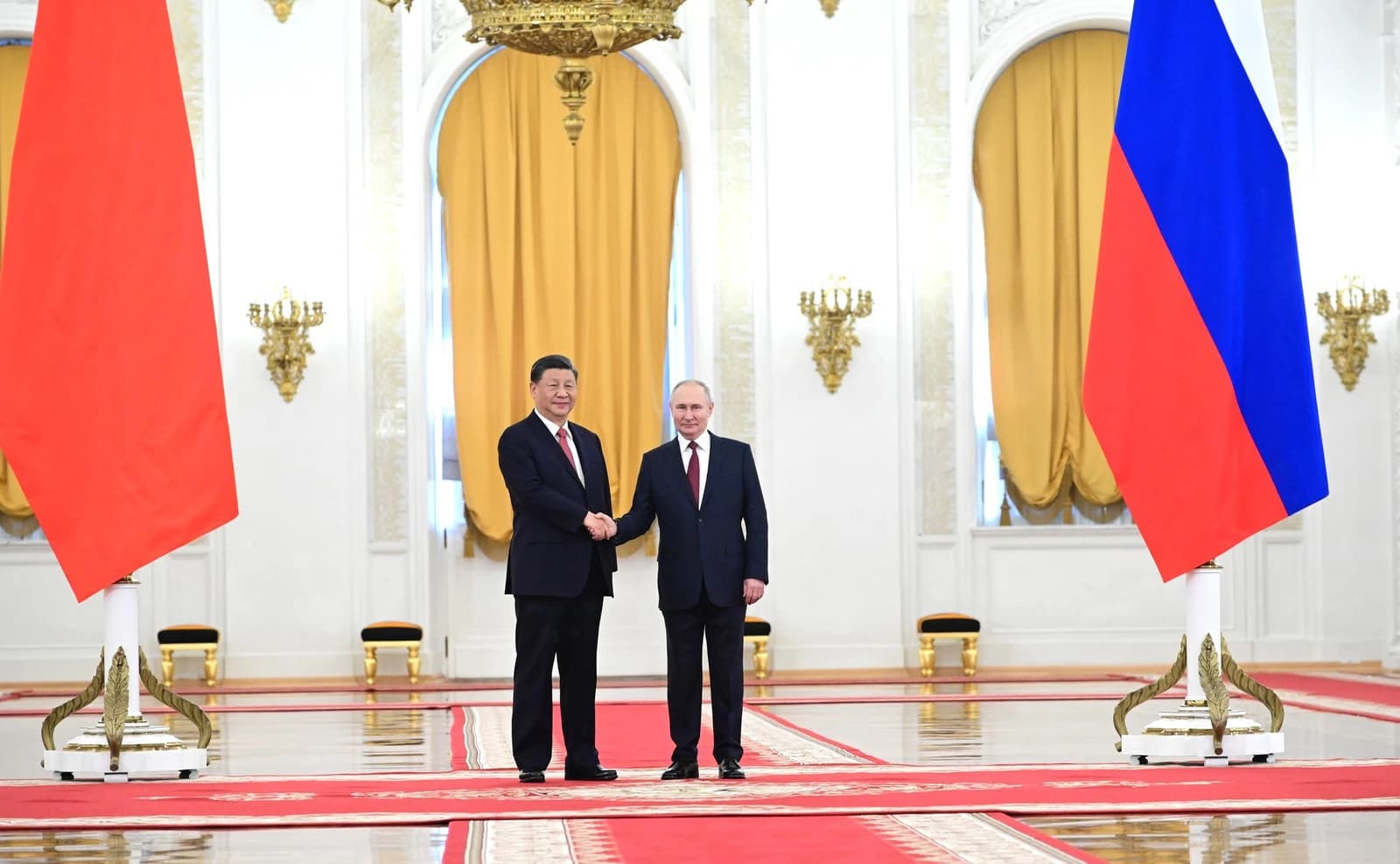
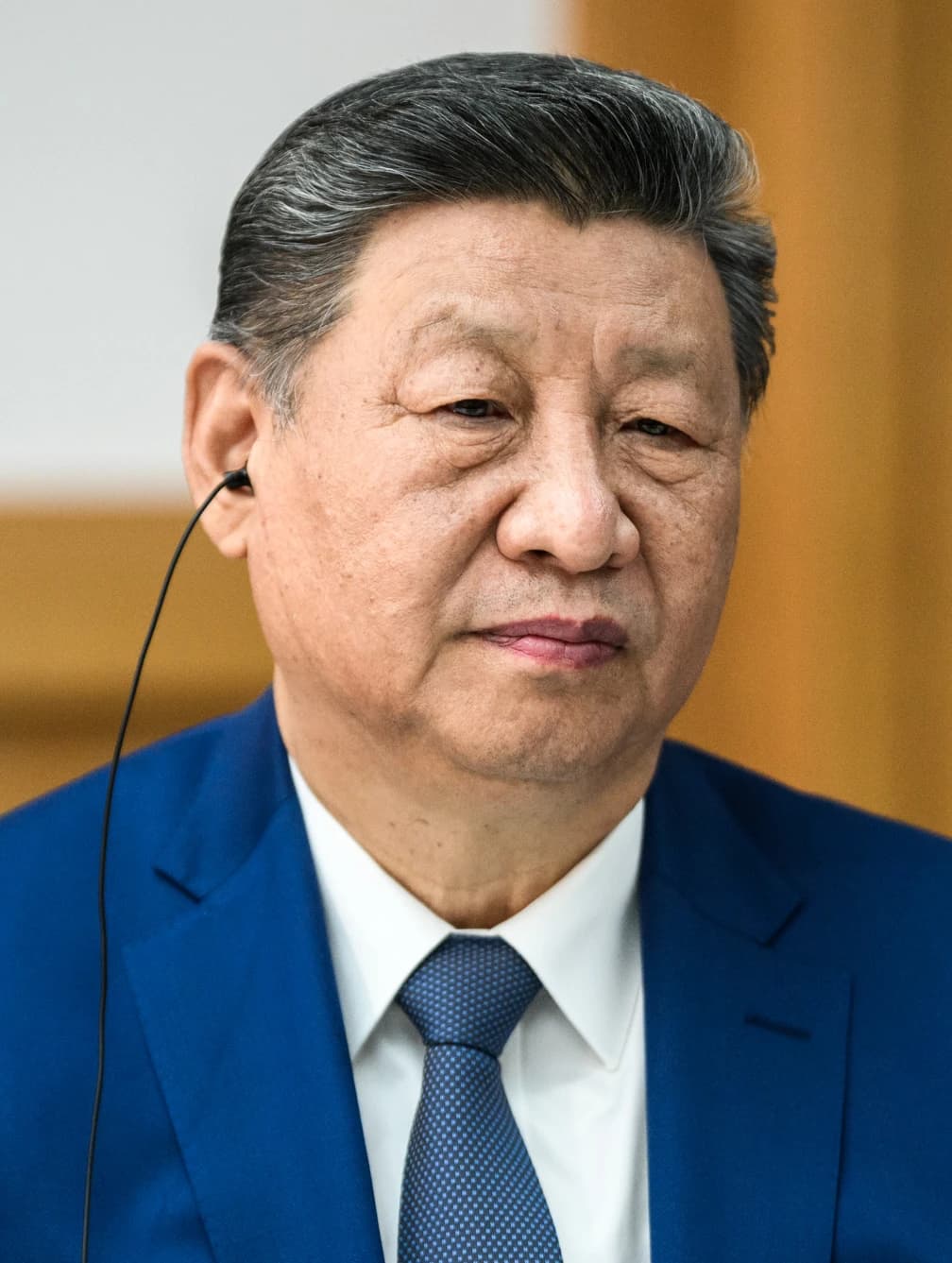
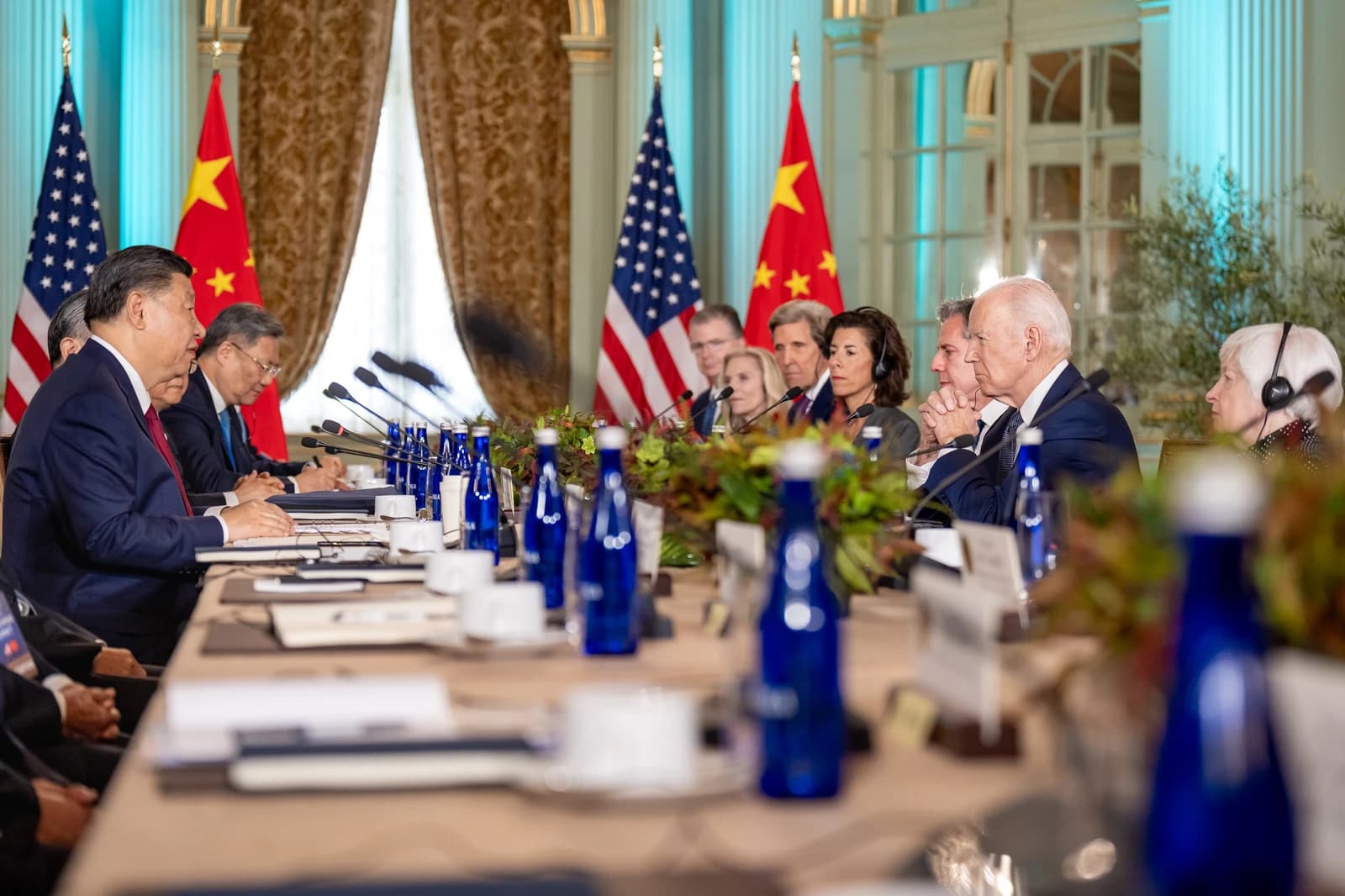
Russian President Vladimir Putin is in Beijing to reinforce Russia’s dependence on China at a moment when the Kremlin cannot afford even a hint of drift after Donald Trump’s high-profile meeting with Xi Jinping.
Putin in Beijing as China-Russia energy ties deepen
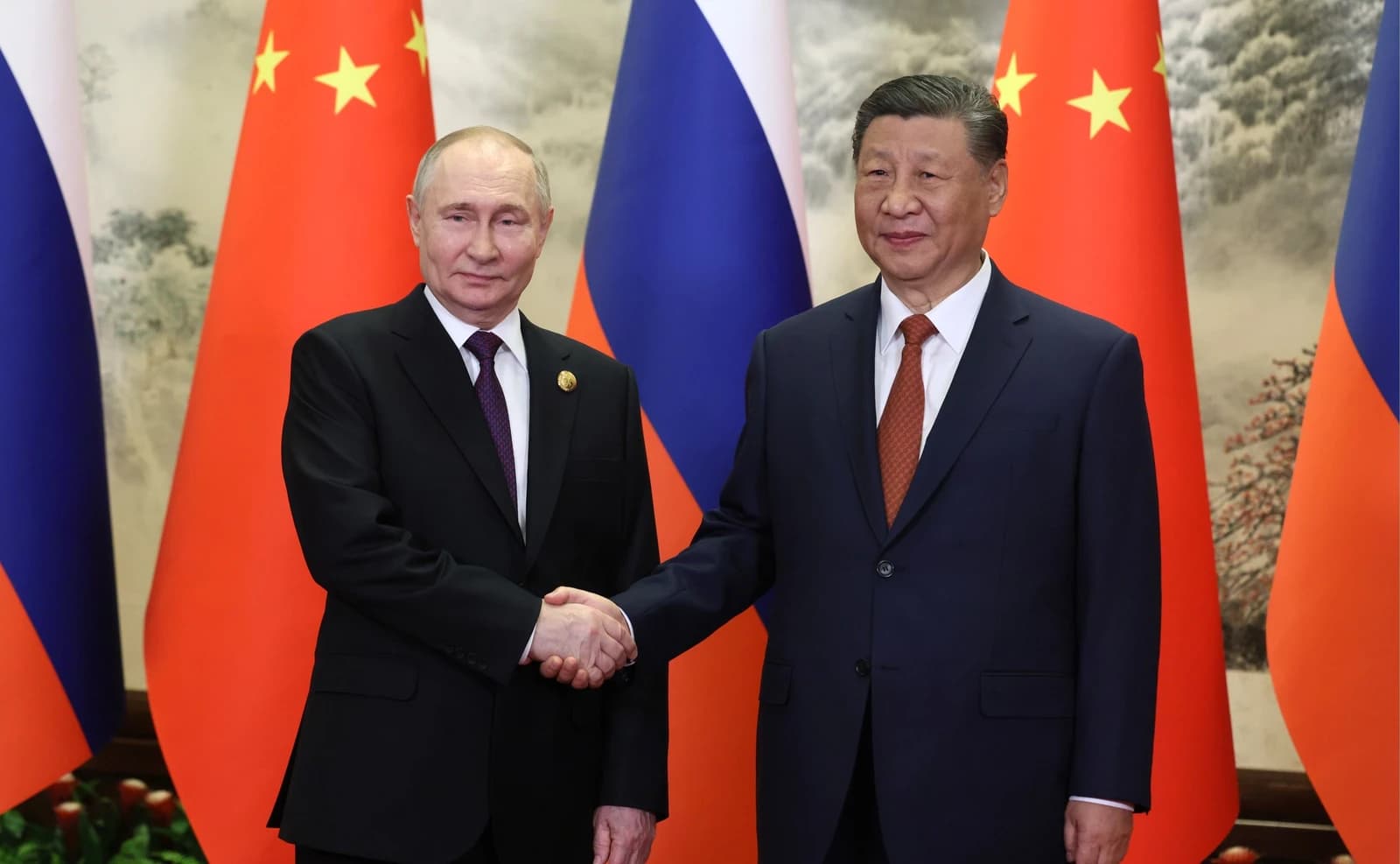
The visit matters because it is not just diplomatic theater. For Moscow, China has become the indispensable buyer of sanctioned Russian oil, a lifeline that helps fund the war in Ukraine and offsets Russia’s isolation from much of the West. For investors, that means the China-Russia axis remains a central force in oil flows, sanctions enforcement risk and the geopolitical discount applied to Russian assets.
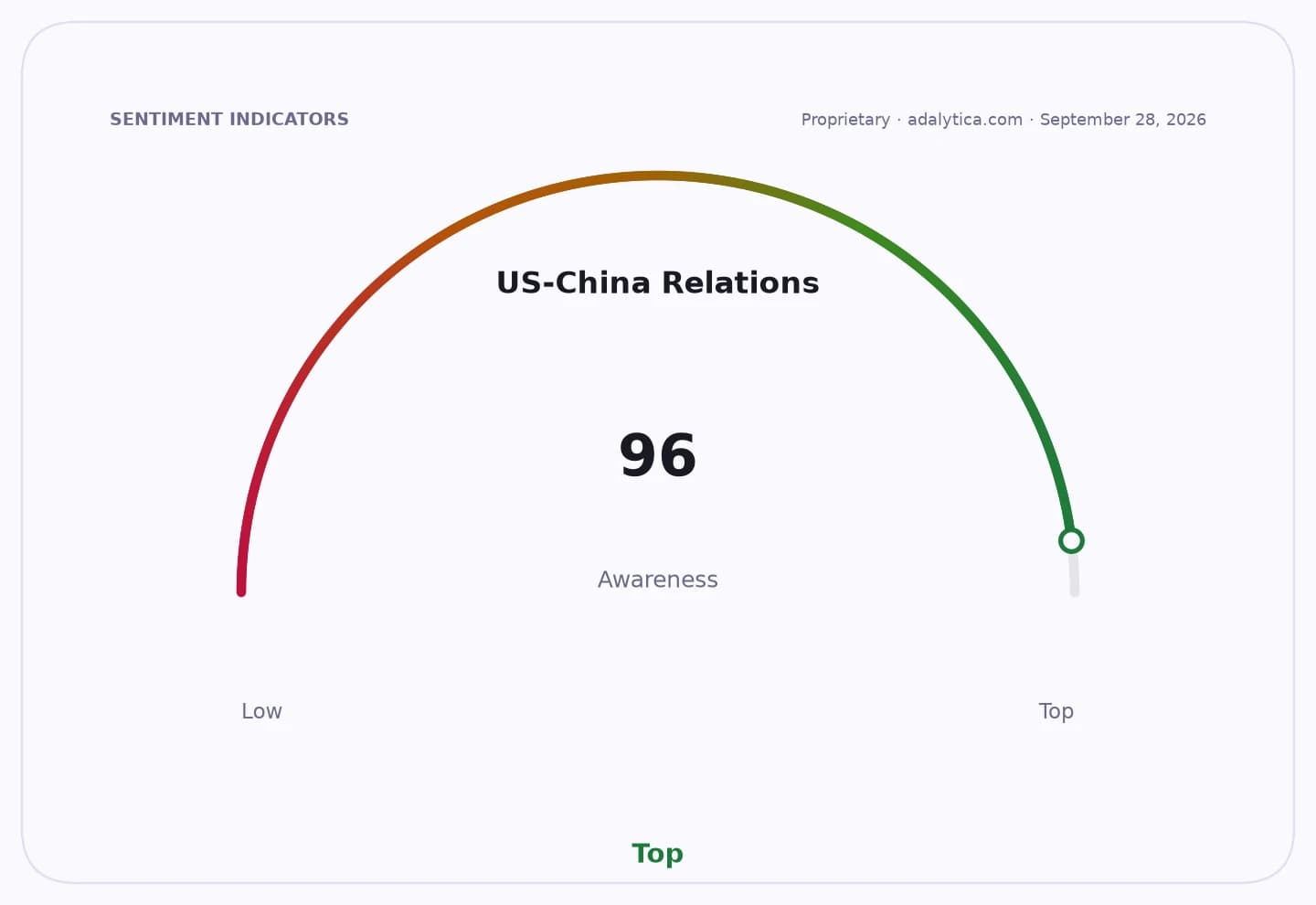
Sentiment IndicatorsⓘProprietary · adalytica.com · September 29, 2026
This is a snapshot — live sentiment, awareness and momentum for 130+ markets update continuously in the dashboard.Open AlphaPulse
Putin and Xi are expected to discuss how to “further strengthen” the strategic partnership and sign a joint declaration after the talks, according to the Kremlin. Putin has called trade between the two countries a “truly unprecedented level,” while Chinese state media said cooperation has “continuously deepened and solidified.” The messaging is deliberate: Moscow wants to show that the Trump-Xi summit did not pull Beijing away from Russia, and Beijing wants to signal it will not be pressured into isolating its larger neighbor.
That matters economically because Russia’s war economy is increasingly tied to Chinese demand. With Western sanctions squeezing traditional export routes, Beijing is now the main buyer of sanctioned Russian oil, giving China leverage over a distressed supplier while helping keep global crude supplies flowing. Any indication that China will deepen that commitment would support Russian export volumes, while also complicating Washington’s effort to use sanctions as a pressure tool.
The timing is especially sensitive after Trump told Fox News during his Asia trip that China had agreed to buy US oil to satisfy its “insatiable” appetite for energy. If Beijing is broadening energy ties with both Washington and Moscow, the real message is that China is playing all sides to preserve optionality. That creates opportunities for tanker routes, Asian refiners, commodity traders and energy producers, but it also raises the odds of tighter scrutiny on Russian shipments and the financial channels that support them.
The market read-through is straightforward: the longer the China-Russia relationship holds, the more durable the geopolitical premium in energy and defense, and the harder it becomes to handicap any quick resolution in Ukraine. Adalytica’s US-China relations gauge is flashing “Extreme Greed,” underscoring just how much optimism has built around the broader diplomatic backdrop even as the Russia issue remains unresolved. That kind of sentiment can shift quickly when a single meeting produces either fresh cooperation or new friction.
For investors, the better trade is not to chase the headline, but to position for the second-order effects. Energy infrastructure, shipping, defense and select commodity-linked equities stand to benefit if the axis hardens and sanctions become more complex to police. Conversely, any company or market dependent on a clean thaw between the US and China should assume Moscow will keep trying to tie Beijing closer to its own orbit.
The next catalyst is whether the joint declaration and follow-on commentary show deeper energy coordination, because that would reinforce the view that Russia still has a powerful backstop in China even as the West keeps closing doors. In a world where geopolitics is increasingly the price setter for commodities, I believe the market is underestimating how much value sits in the companies that move, secure and finance the flows between these blocs.
| Entity | Gains | Losses |
|---|---|---|
| Russia | ▲oil demand support | ▼Western isolation |
| China | ▲energy leverage | ▼US pressure to align |
| Energy shippers | ▲higher cargo flows | ▼sanctions compliance risk |
| US sanctions policy | ▲strategic pressure | ▼enforcement credibility |