China allowed an Iranian Mahan Air flight to land in Guangzhou this week despite fresh U.S. threats to squeeze Tehran’s aviation sector, underscoring how Beijing is willing to test Washington’s sanctions regime even as the two powers hold broader economic talks.
China allows Mahan Air flight to land in Guangzhou
The arrival of flight IRM093 from Tehran at Guangzhou Baiyun International Airport on Wednesday, local time, highlights the limits of U.S. pressure when a major partner such as China remains open to trade and transportation links with Iran. For investors, the episode is another sign that geopolitical risk around sanctions enforcement, energy flows and China-U.S. relations remains elevated and can quickly spill into markets.
Sentiment IndicatorsⓘProprietary · adalytica.com · September 28, 2026
This is a snapshot — live sentiment, awareness and momentum for 130+ markets update continuously in the dashboard.Open AlphaPulse
U.S. Treasury Secretary Scott Bessent said on CNBC on Monday that Iranian airlines would be unable to operate globally under American sanctions, warning that anyone doing business with them could be cut off from the dollar system. He said on Sept. 23 that all Iranian airlines would cease operations worldwide, a step Washington is using to tighten pressure on Tehran as conflict with the U.S. and Israel drags on.
The move also comes after the Treasury targeted other actors supporting Iran’s aviation industry, and after Iraq said it would suspend flights by Iranian carriers and Georgia banned their use of its airspace. Turkey has also asked Mahan to stop flights there, narrowing Iran’s regional access even as direct routes to Chinese cities including Beijing, Shanghai and Guangzhou continue.
For China, keeping the route open reinforces its role as one of Iran’s most important economic partners and signals that bilateral commercial ties can persist despite U.S. sanctions threats. For Washington, it underscores how difficult it is to isolate Iranian airlines when enforcement depends on third countries cooperating.
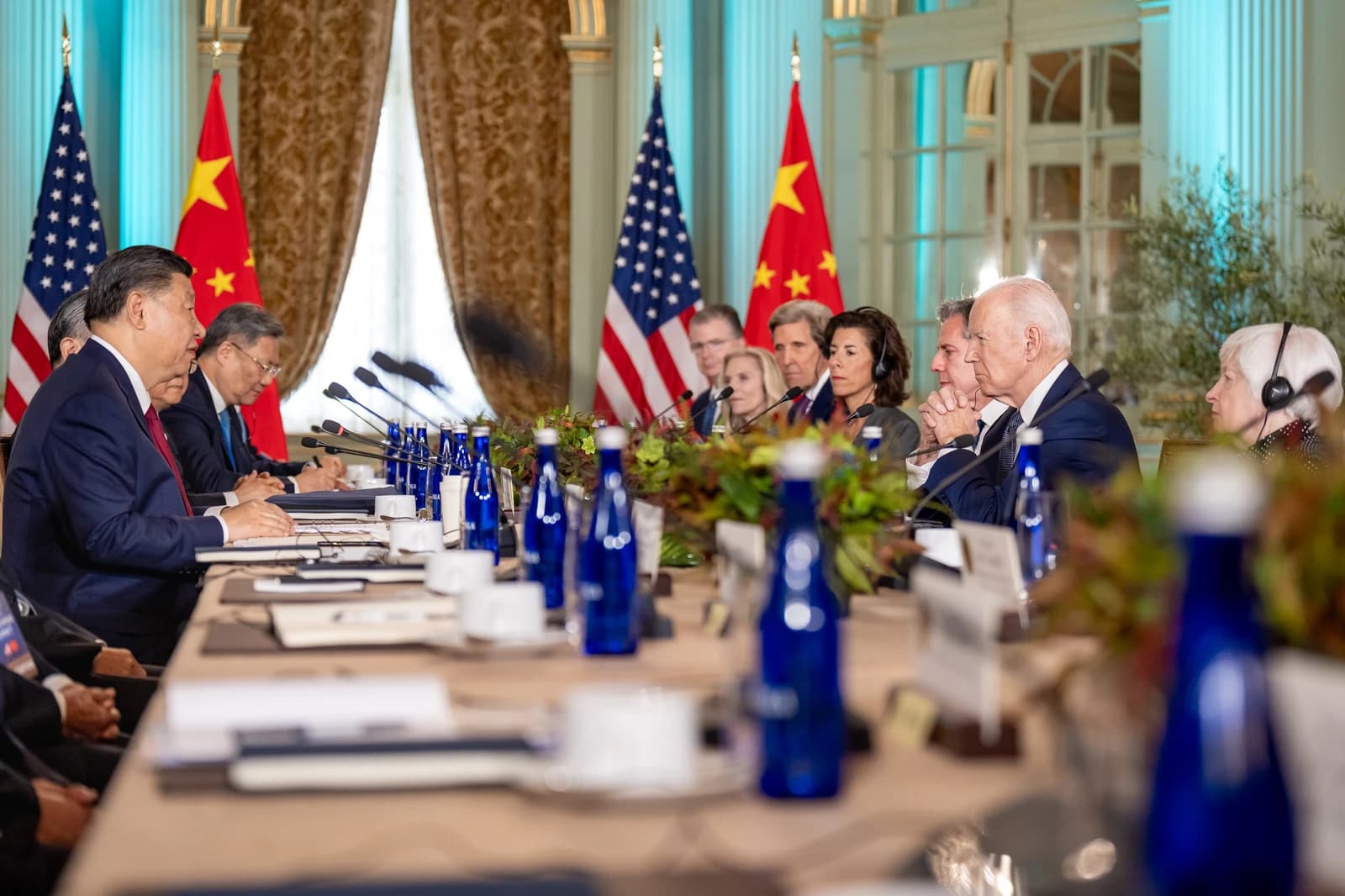
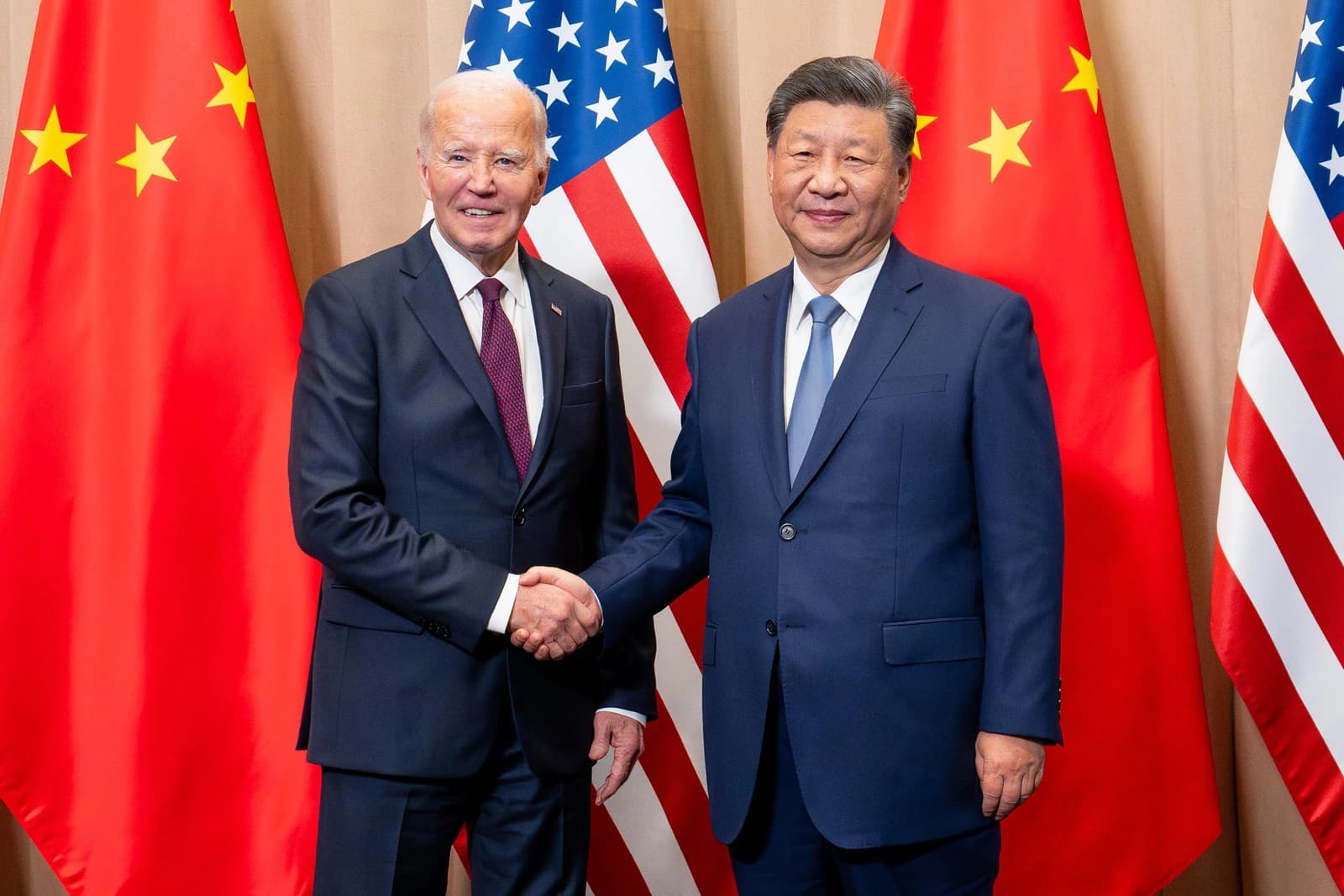
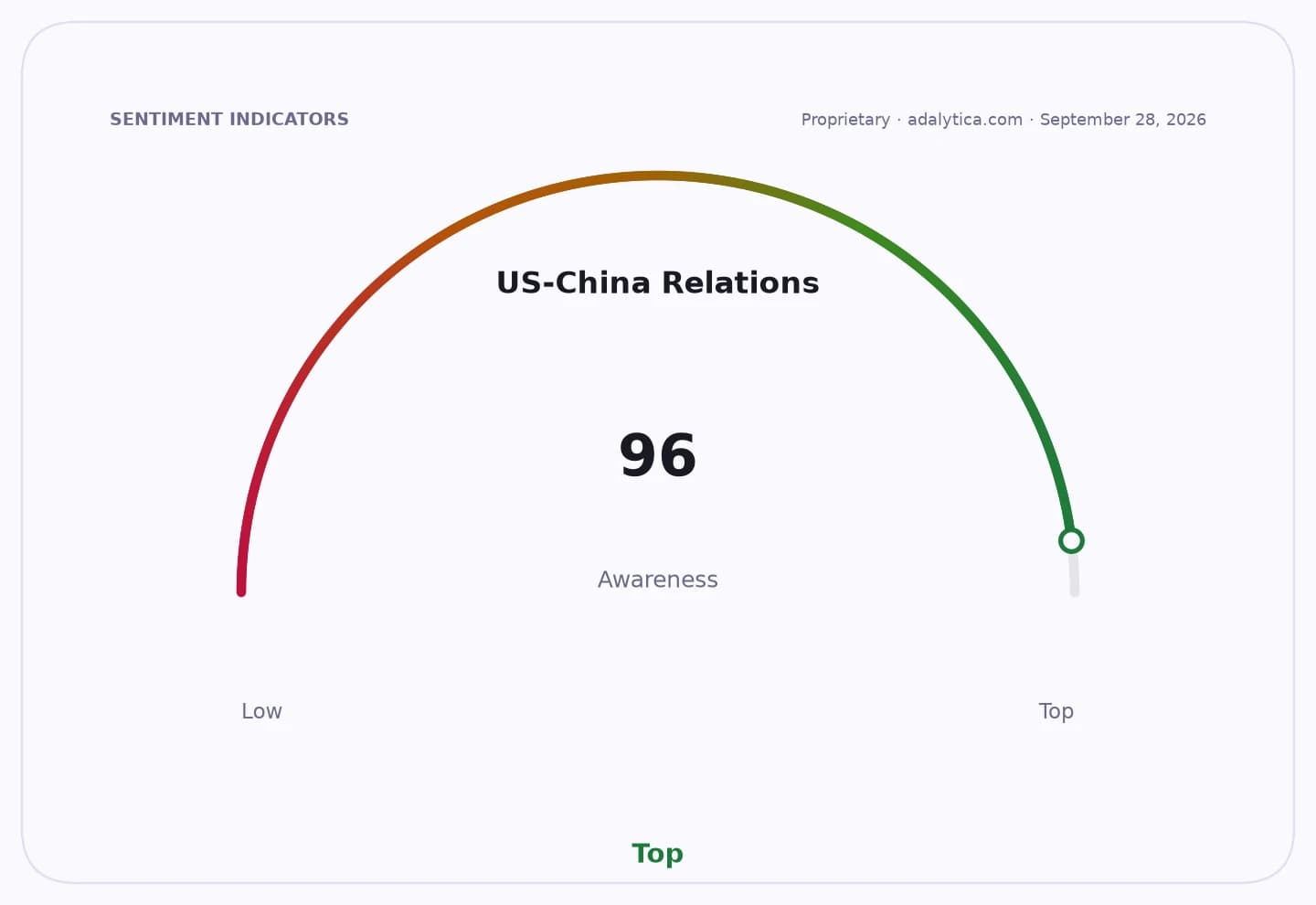
The backdrop is a wider stretch of U.S.-China friction, even after Treasury contact with Chinese officials ahead of a planned meeting between Donald Trump and Xi Jinping. Adalytica’s U.S.-China Relations Sentiment gauge shows “Extreme Greed,” while its Global Stability measure remains elevated, reflecting markets’ sensitivity to sudden geopolitical escalations.
Oil and broader risk assets can react quickly if sanctions rhetoric turns into tighter enforcement or if the dispute widens into another round of retaliation between Washington and Beijing. The next market test will be whether the U.S. follows through on secondary-sanctions threats and whether China’s willingness to accommodate Iranian links expands beyond aviation into other sectors.
| Entity | Gains | Losses |
|---|---|---|
| China | ▲Keeps ties with Iran | ▼Faces U.S. sanctions pressure |
| Iran’s airlines | ▲Retain access to China route | ▼Lose broader global access |
| U.S. Treasury | ▲Signals tougher enforcement | ▼Limited leverage over China |
| Investors in risk assets | ▲Benefit from clarity if tensions ease | ▼Face higher geopolitical volatility |