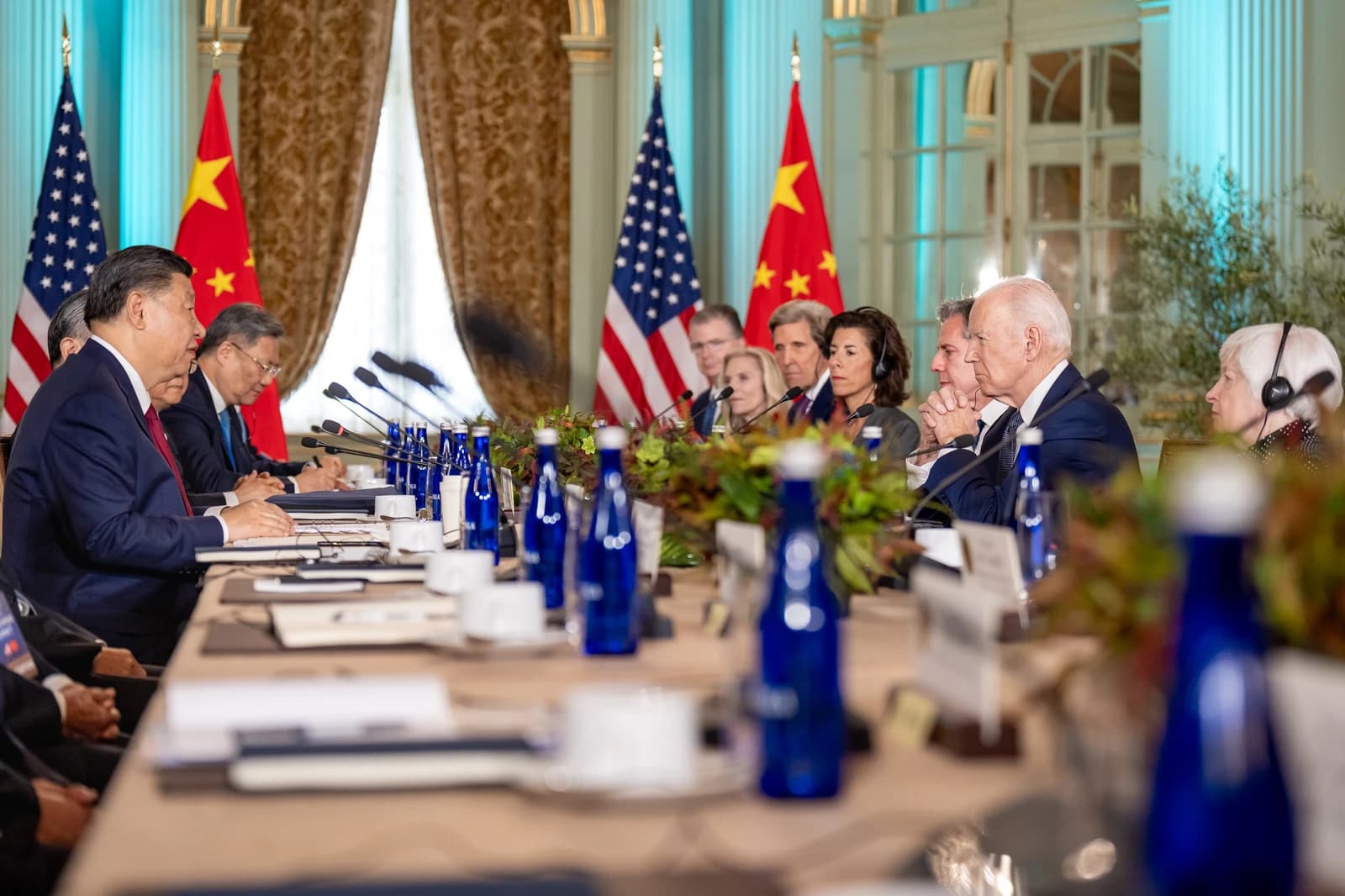
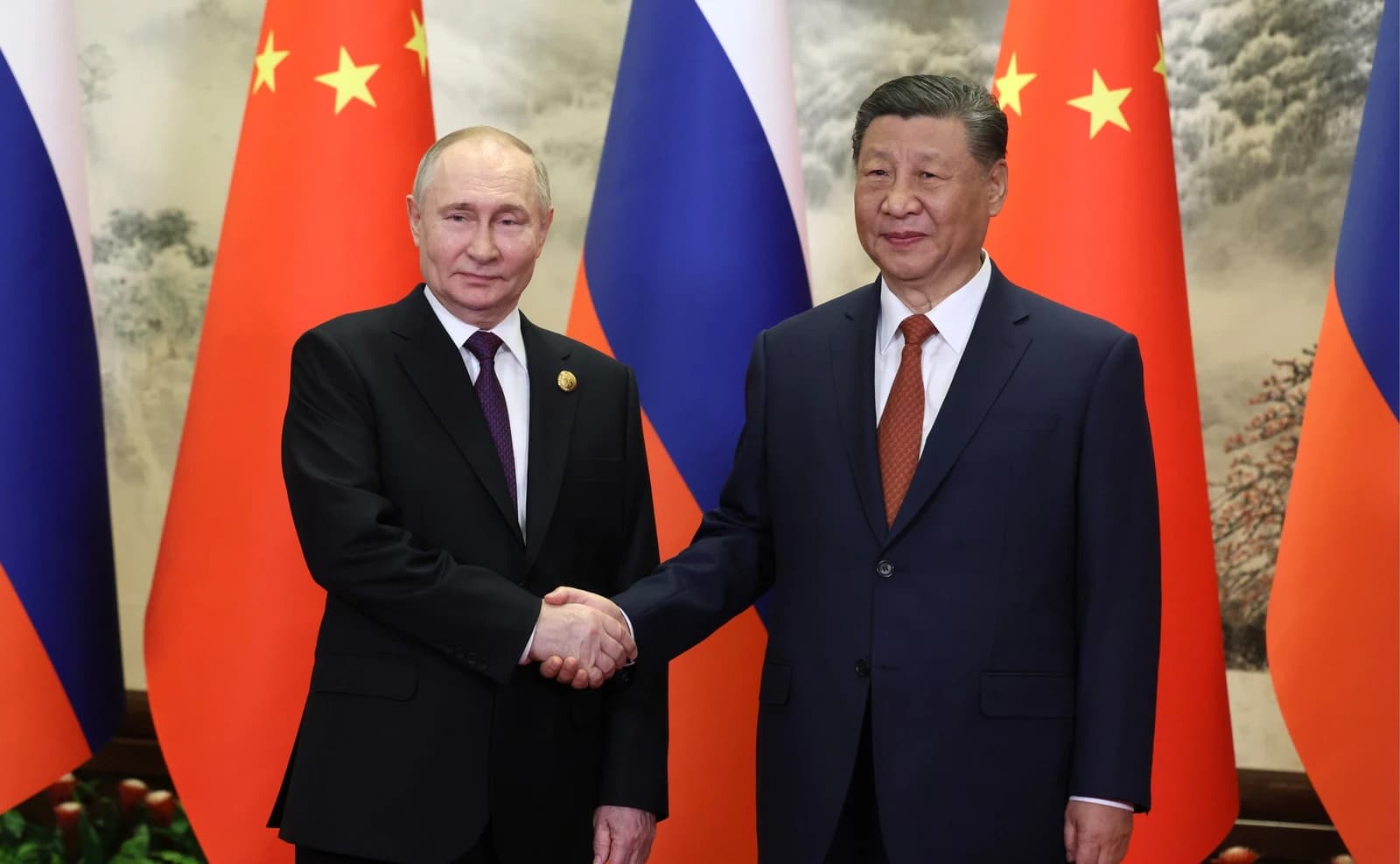
Xi Jinping said China and the United States should be “partners, not rivals,” using his arrival in Washington to push the strongest conciliatory message yet in a visit aimed at stabilizing the world’s most important bilateral relationship.
Xi Jinping says China and US should be partners
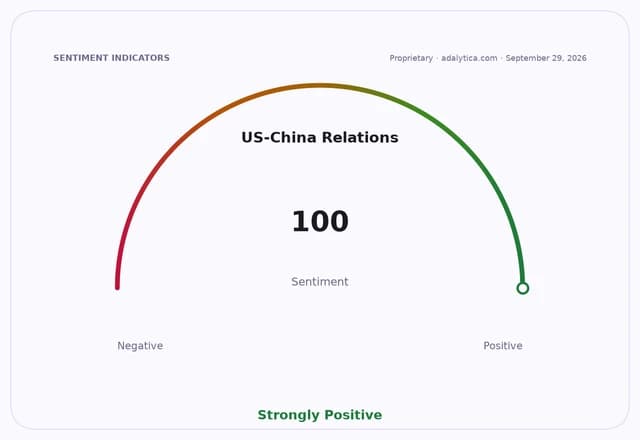
The remarks matter because even a modest thaw between the two economies can ripple through trade, tariffs, supply chains and capital markets. For investors, any sign that Washington and Beijing are moving away from open confrontation tends to support China-linked assets and reduce one of the biggest risks hanging over global growth.
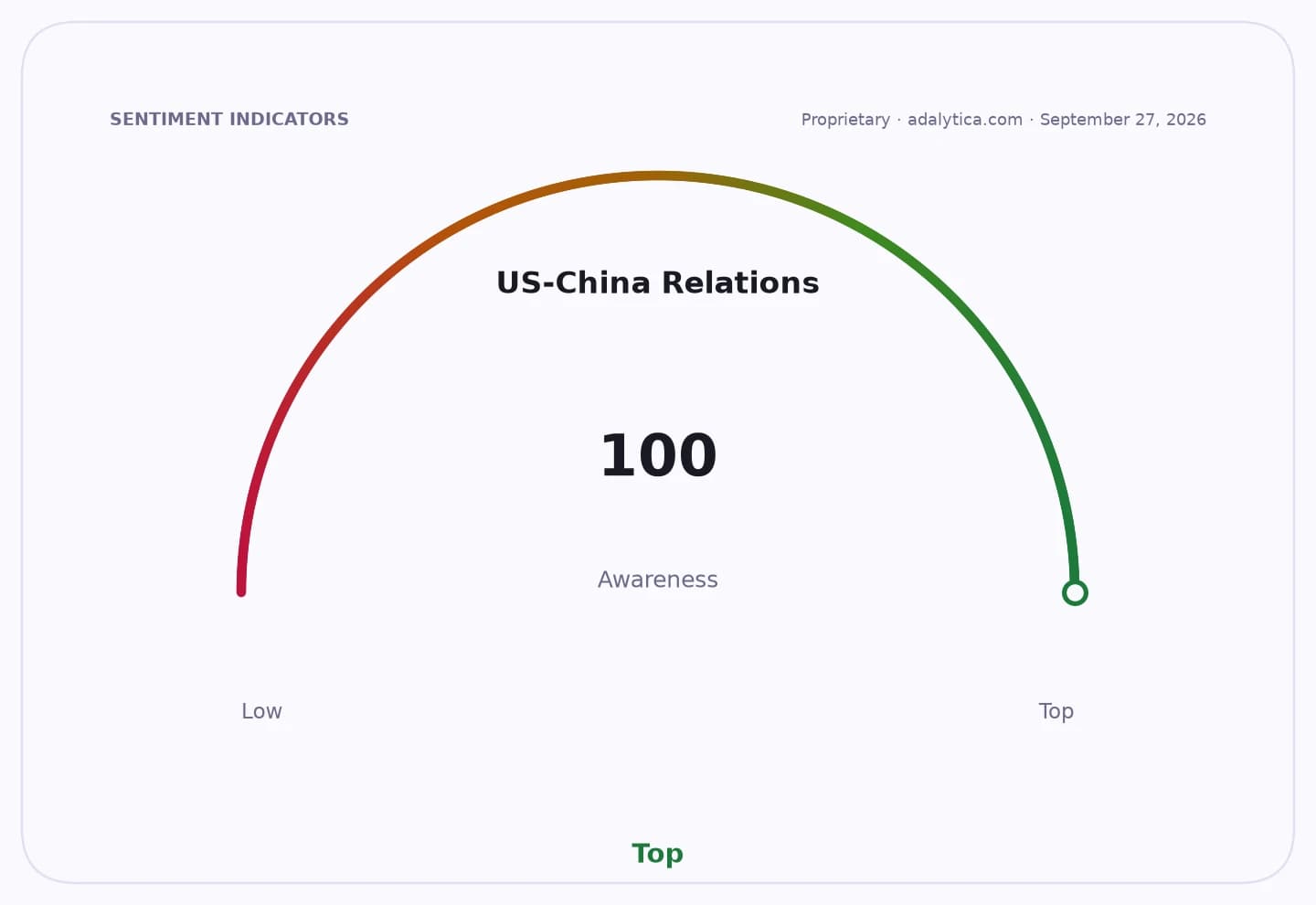
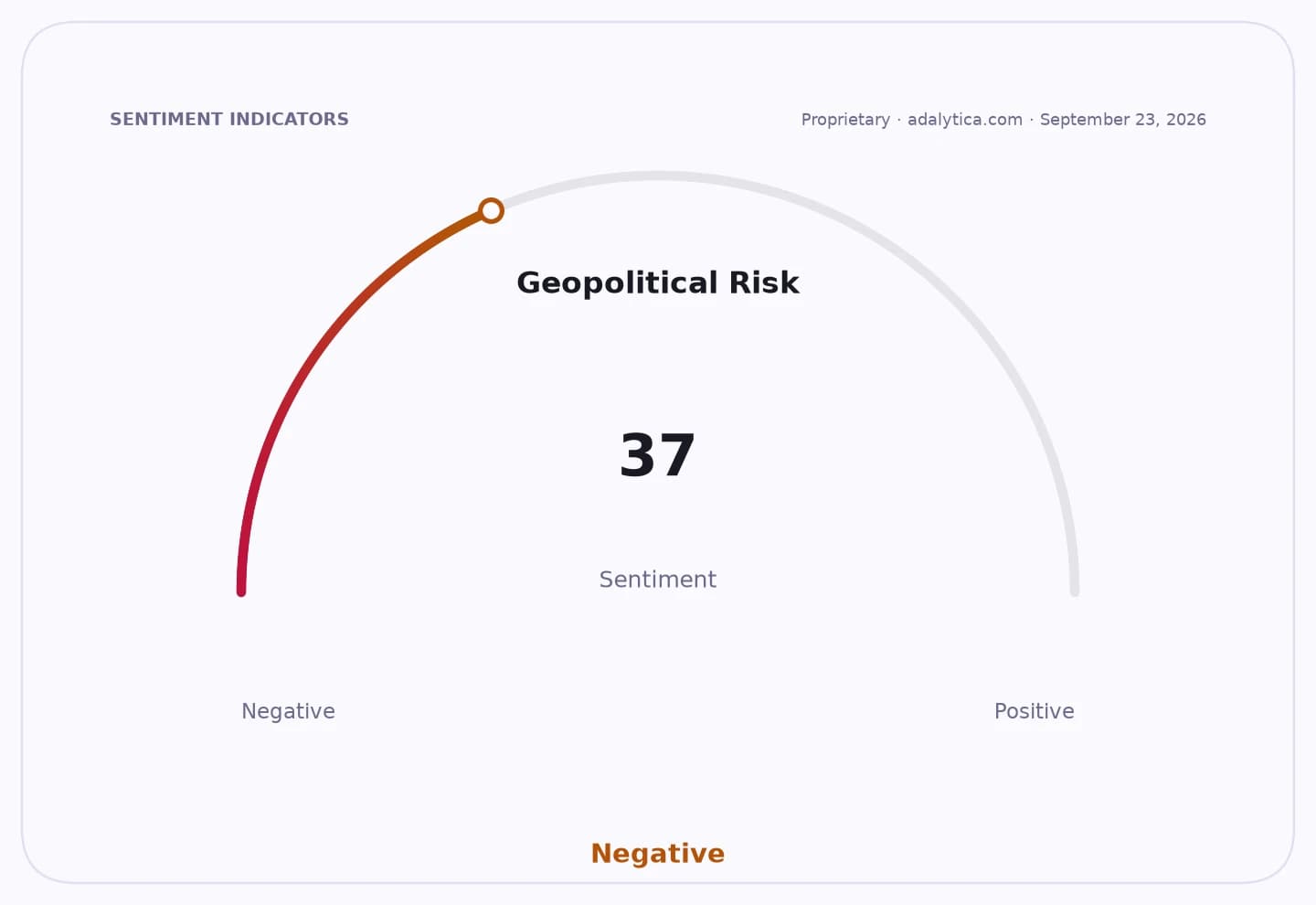
Sentiment IndicatorsⓘProprietary · adalytica.com · September 29, 2026
This is a snapshot — live sentiment, awareness and momentum for 130+ markets update continuously in the dashboard.Open AlphaPulse
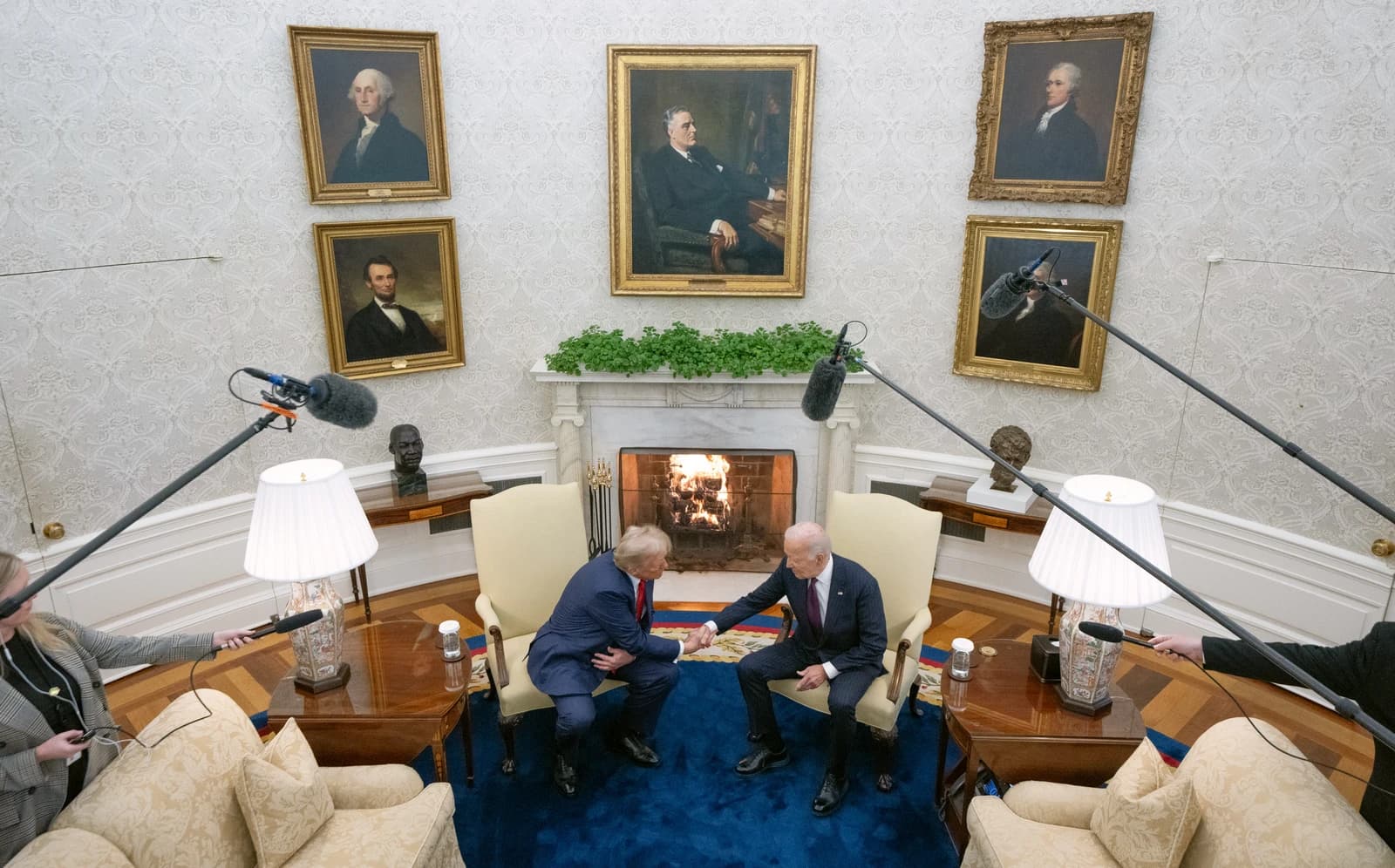
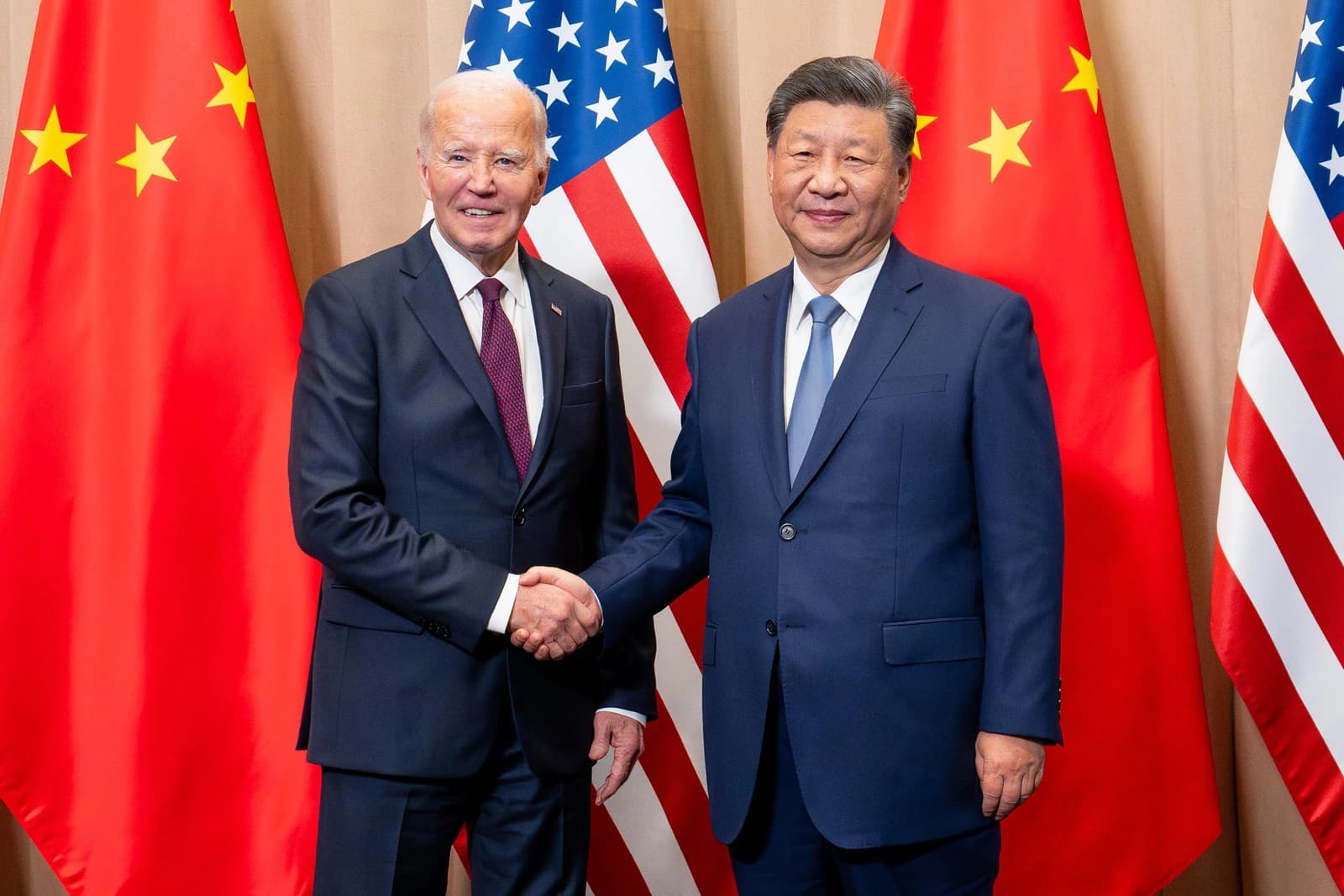
Xi said in written comments released by state news agency Xinhua that the two countries have “deeply intertwined” interests and long-standing people-to-people ties. The message came hours after he landed for talks with President Donald Trump, who has also framed relations as improving and “very close,” according to the visit summary.
The broader market read is that both sides want to manage strategic competition without letting it spill into a wider economic rupture. That backdrop helps explain the recent resilience in Chinese equity proxies: the iShares China Large-Cap ETF, FXI, was last at $34.17, the KraneShares CSI China Internet ETF, KWEB, was at $24.66 and the iShares MSCI China ETF, MCHI, closed at $52.54, all still below their 50-day moving averages.
Technical indicators point to a cautious tone rather than a full-blown risk-on move. FXI’s relative strength index was 40.5, KWEB’s was 40.5 and MCHI’s was 38.9, while all three ETFs remained under their 50-day and 200-day averages, suggesting investors are still waiting for concrete follow-through on tariffs, market access and technology controls.
The immediate focus now turns to whether the Washington meetings produce deliverables that markets can price, including a durable trade truce or new dialogue mechanisms. Any setback would quickly revive pressure on Chinese equities and on sectors exposed to cross-border trade, while a credible deal could extend the recent rebound in China-sensitive assets and calm a key source of global volatility.
| Entity | Gains | Losses |
|---|---|---|
| China and US diplomats | ▲Lower tensions, renewed talks | ▼Hardliners, escalation bets |
| FXI, KWEB, MCHI holders | ▲Easier risk backdrop | ▼Safe-haven trades |
| Global exporters | ▲More stable trade flows | ▼Tariff-sensitive rivals |
| Geopolitical risk hedge buyers | ▲None | ▼Premiums from confrontation |