China’s swelling trade surplus is becoming a geopolitical problem as much as an economic one, with exports jumping 25% in August and the year-to-date surplus topping $800 billion even as imports lag behind.
China Trade Surplus Grows as Imports Lag
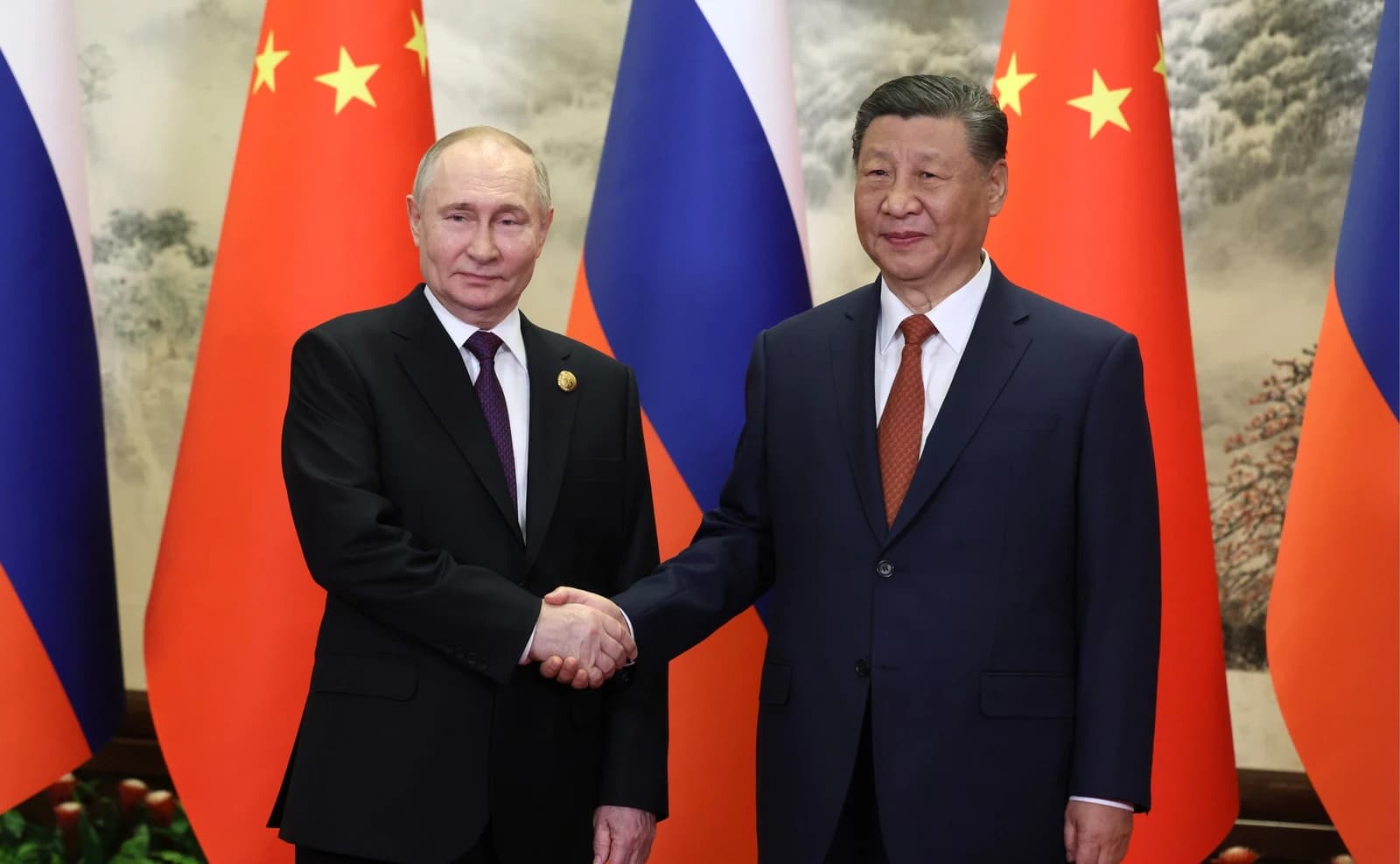
That imbalance matters because it underscores how China is leaning on its export machine to sustain growth while domestic demand remains weak. A surplus that large adds support to factory activity and jobs at home, but it also raises pressure from trading partners who already see China as exporting deflation and hollowing out local industry.
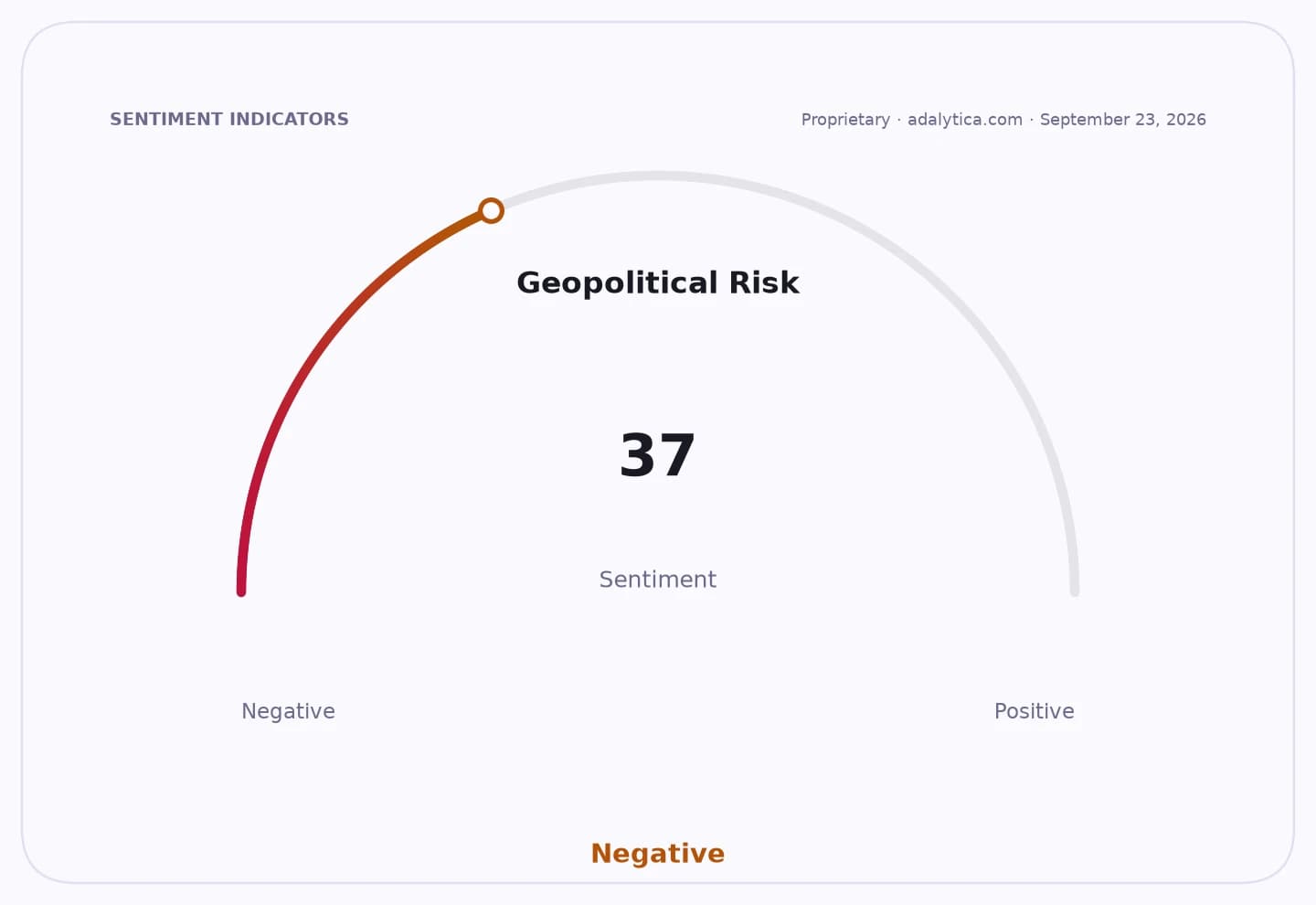
Sentiment IndicatorsⓘProprietary · adalytica.com · September 10, 2026
This is a snapshot — live sentiment, awareness and momentum for 130+ markets update continuously in the dashboard.Open AlphaPulse
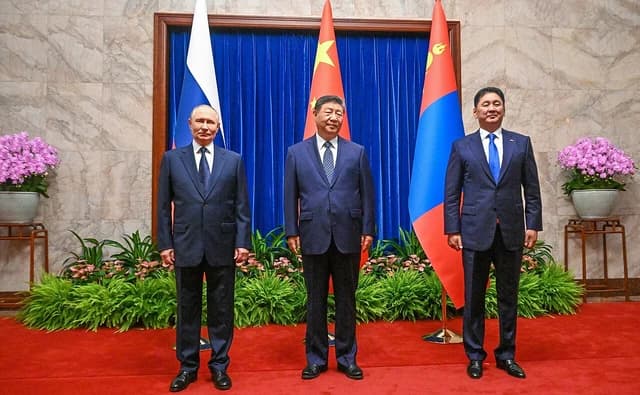
The mix is also reshaping diplomacy and market positioning. Trade with Russia is expanding rapidly, including energy flows that are expected to rise 20% in 2026, while tensions with the European Union and the U.S. remain elevated amid disputes spanning agrifood, spirits and broader industrial trade.
For investors, the message is two-sided. Strong export momentum can help Chinese manufacturers, shippers and select industrial suppliers, but it also increases the risk of new tariffs, anti-dumping actions and political retaliation that could hit multinationals with exposure to China.
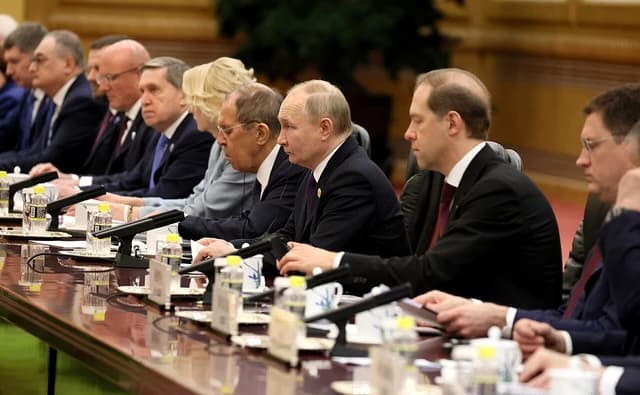
China-focused ETFs have already reflected the tension. The iShares China Large-Cap ETF, FXI, is down to $34.38 from $35.88 on Sept. 4 and sits below its 200-day moving average of $36.41, while the iShares MSCI China ETF, MCHI, fell to $52.88 from $53.95 over the same stretch and remains below its 200-day average of $57.21.
The broader macro backdrop is still tilted toward surplus preservation rather than rebalancing, with Beijing likely to face more scrutiny over the use of exports to offset weak imports and a soft domestic recovery. The next tests are whether trade friction spreads further into autos, high-tech goods and energy flows — and whether policymakers respond with more stimulus at home or more defiance abroad.
| Entity | Gains | Losses |
|---|---|---|
| China exporters | ▲Higher overseas sales | ▼Greater foreign backlash |
| U.S. and EU rivals | ▲Protected by scrutiny | ▼Faced with import pressure |
| FXI and MCHI longs | ▲Export-led support | ▼Tariff and retaliation risk |
| China importers/domestic consumers | ▲None | ▼Weak demand and imbalance |