AfD lawmakers are pushing Germany to stop military and financial support for Ukraine and roll back sanctions on Russia, a stance that would mark one of the sharpest reversals in Berlin’s foreign policy since the full-scale invasion began.
AfD Pushes Germany to Cut Ukraine Aid and Sanctions
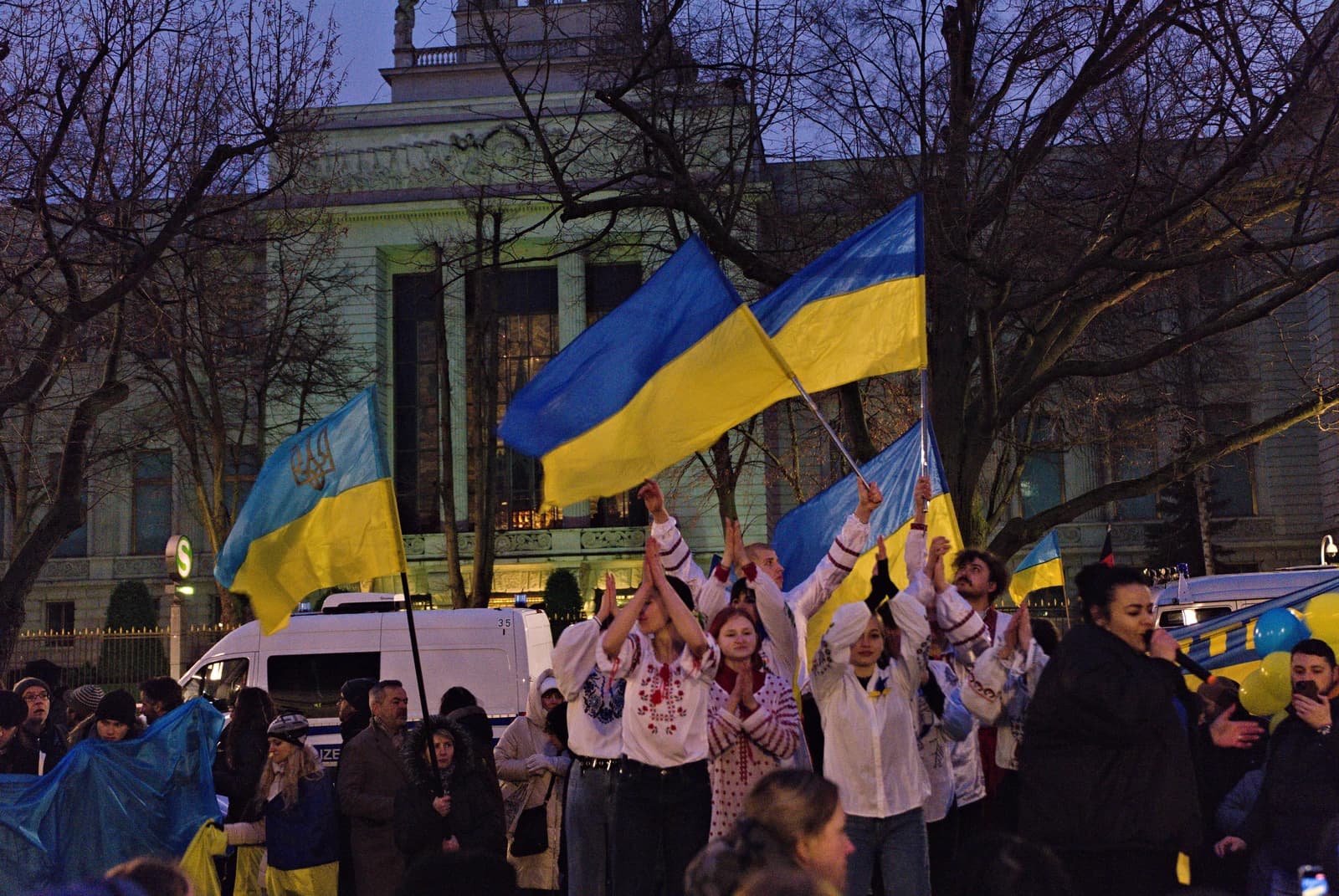
The motion matters because Germany is not just another donor. It is Europe’s largest economy, a central military and financial backer of Kyiv and a key pillar of the EU sanctions regime. Any shift in Berlin’s position would reverberate through the bloc’s approach to Russia, the funding of Ukraine’s war effort and investor expectations for European security spending, energy policy and cross-border trade risk.
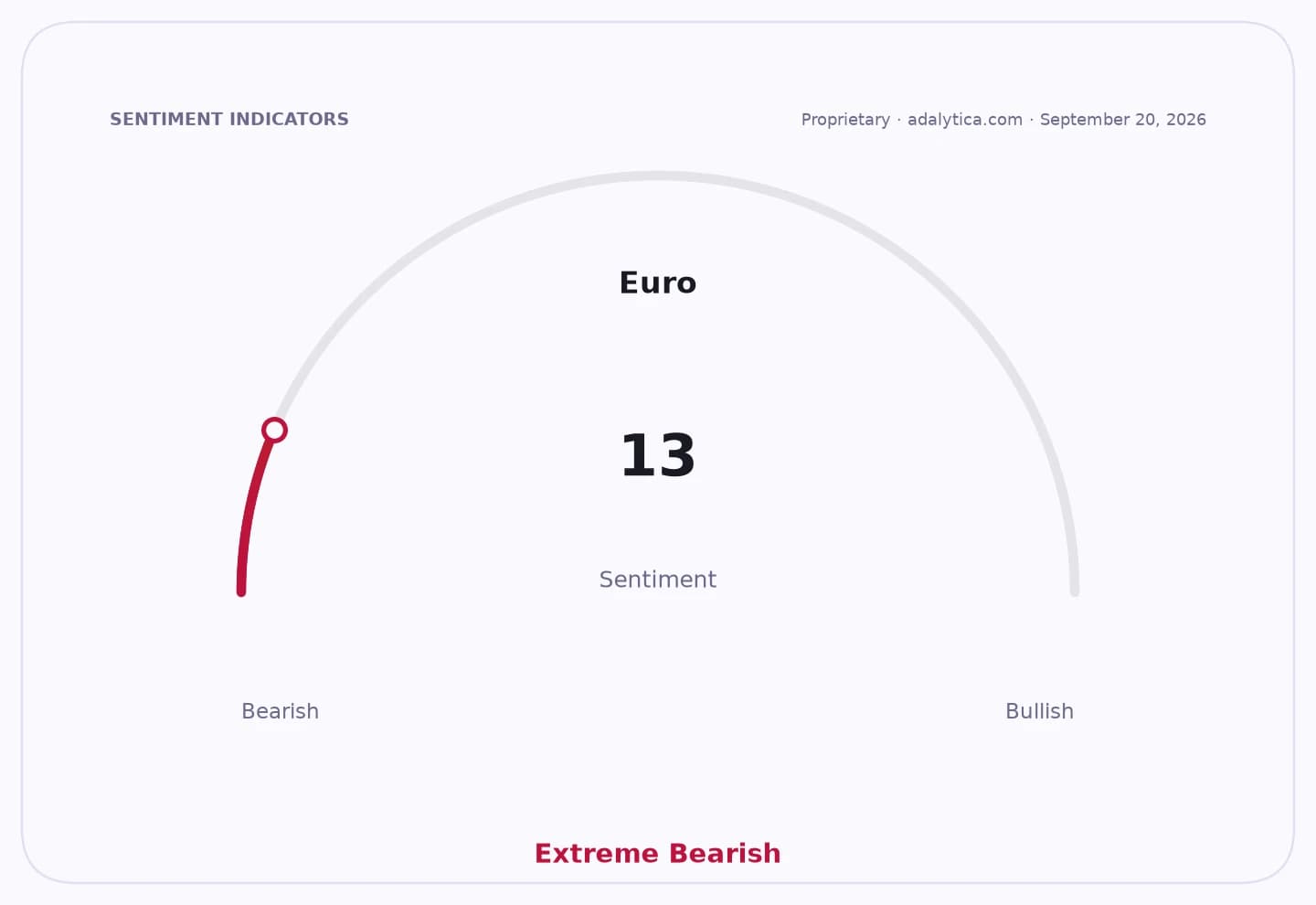
Sentiment IndicatorsⓘProprietary · adalytica.com · September 30, 2026
This is a snapshot — live sentiment, awareness and momentum for 130+ markets update continuously in the dashboard.Open AlphaPulse
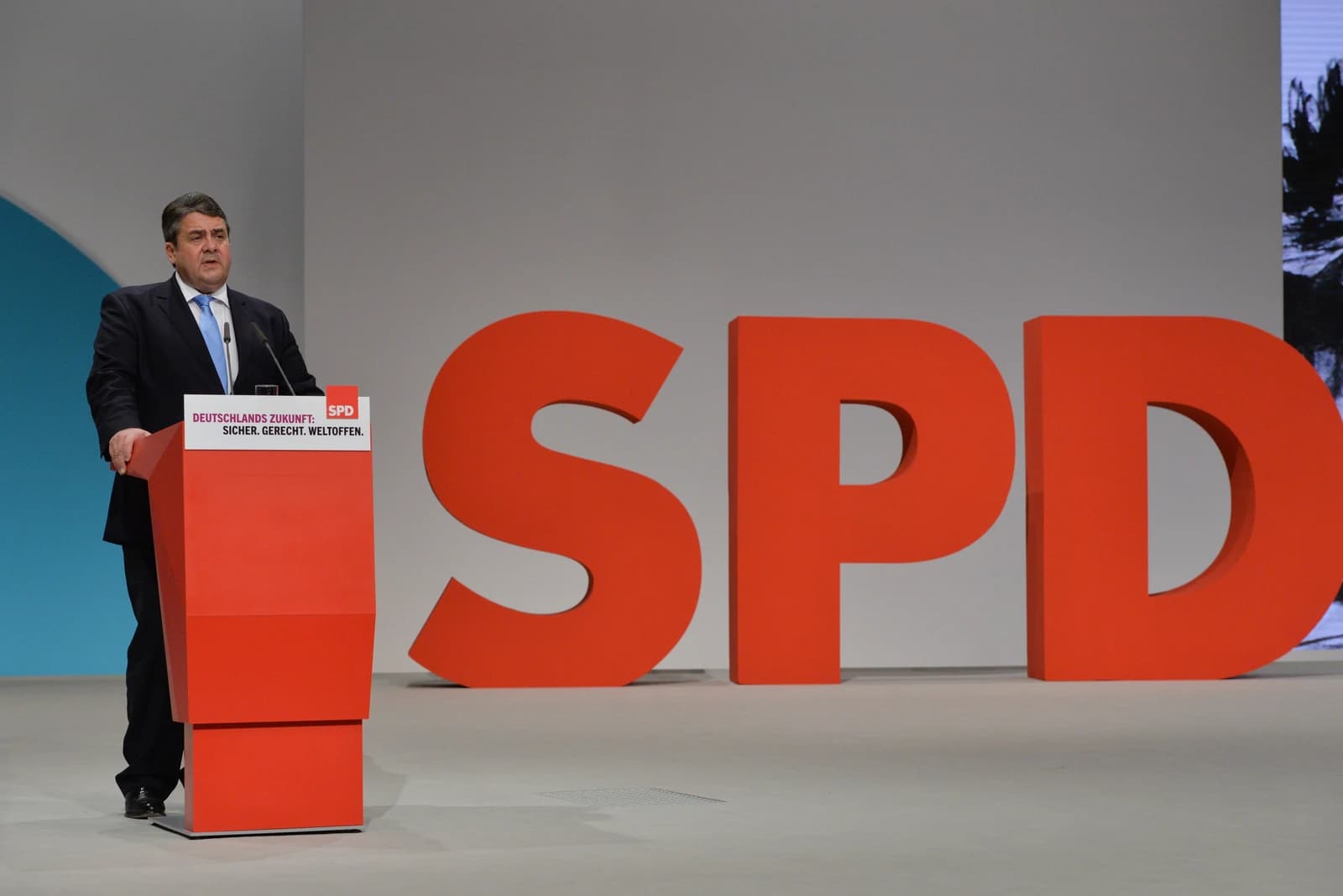
In Thursday’s Bundestag debate, AfD politicians argued that the federal government was acting against German interests and had become, in their words, a “branch of the Ukrainian government.” Markus Frohnmaier said Berlin had effectively given Ukraine more than 100 billion euros, accused Kyiv of sabotaging Germany’s Nord Stream infrastructure and rejected plans for closer European integration with Ukraine. The party’s proposal also calls for Germany to use future support to secure priority access to Ukrainian gas, rare earths and other raw materials, while ending anti-Russian sanctions that AfD says are damaging the domestic economy.
The political significance is widening, not shrinking. The debate comes as AfD strengthens its standing at both regional and federal level, with opinion polls putting the party near 30% nationally and giving it a realistic chance of entering government in Saxony-Anhalt after September’s state election. That does not make its policy agenda law, but it increases the pressure on mainstream parties to defend continued support for Kyiv and to explain the fiscal and strategic costs of a prolonged confrontation with Moscow.
For investors, the message is less about an immediate policy change than about the durability of Europe’s Russia line. The latest EU sanctions extension — which narrowly passed while Brussels removed two Russian billionaires from the list and added new restrictions linked to the forced deportation of Ukrainian children — shows the bloc is still able to act, but only with difficulty and compromise. A stronger AfD, or a wider political shift in Germany, would raise the risk of future sanctions fatigue, a softer stance on energy and trade restrictions, and more volatility in sectors exposed to European defense spending, utilities and industrial supply chains.
Market reaction is likely to remain indirect rather than immediate, but the geopolitical backdrop is already reflected in broader risk measures. Adalytica’s Global Stability Sentiment gauge sits at 68, in neutral territory, though its awareness reading is at an “Extreme Fear” level of 4, suggesting investors remain alert to policy and conflict shocks even as headline fear eases. That kind of backdrop tends to support defensive positioning in European assets and keeps a premium on companies with limited Russia exposure and stronger domestic demand.
The sharper investor question is whether Germany’s political center can keep its current course intact. If AfD’s anti-Ukraine line continues to gain traction, the issue will move beyond rhetoric and into coalition arithmetic, EU bargaining power and the cost of capital for assets tied to European security and energy policy. For now, the Bundestag debate shows that the struggle over Germany’s Russia policy is becoming a more material market risk, not just a parliamentary one.
| Entity | Gains | Losses |
|---|---|---|
| AfD | ▲Poll momentum | ▼Mainstream credibility |
| Ukraine | ▲Humanitarian aid only | ▼Military and financial support |
| Germany’s ruling parties | ▲Defense of current policy | ▼Rising political pressure |
| Russia | ▲Sanctions relief hopes | ▼Continued EU isolation |