The European Union has preserved nearly all of its individual sanctions on Russia for another three years, but the decision to drop oligarchs Alisher Usmanov and Mikhail Fridman from the list marks a politically important first step toward normalization after nearly four years of war.
EU keeps Russia sanctions, drops Usmanov and Fridman
That matters because it shows Brussels is not moving to unwind pressure on Moscow in any broad sense. The bloc is still penalizing Russia for its invasion of Ukraine, and Latvia separately imposed its own financial and travel restrictions on both men the same day, underscoring that the EU-wide decision was a legal and political compromise, not a judgment that the basis for sanctions has disappeared.
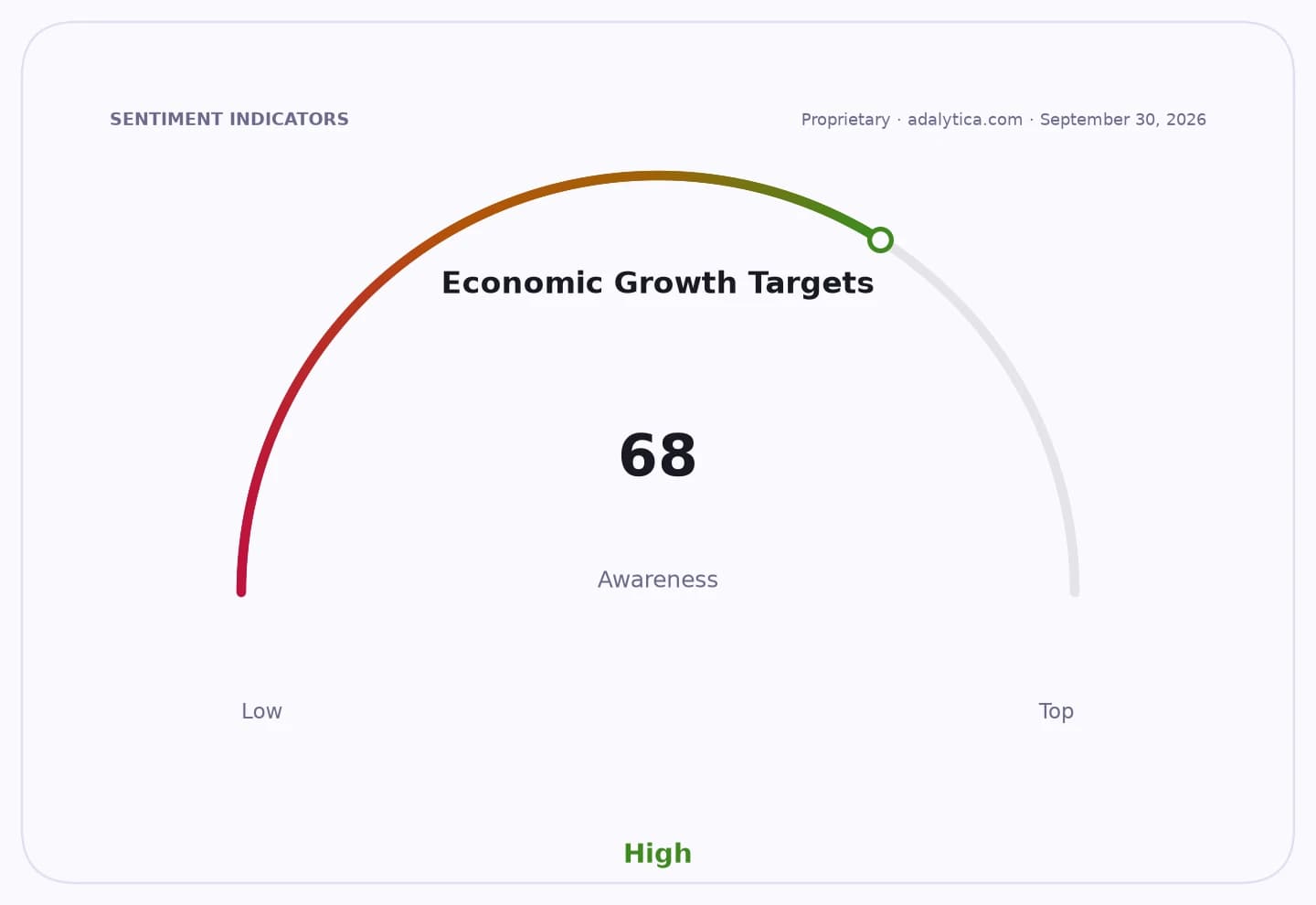
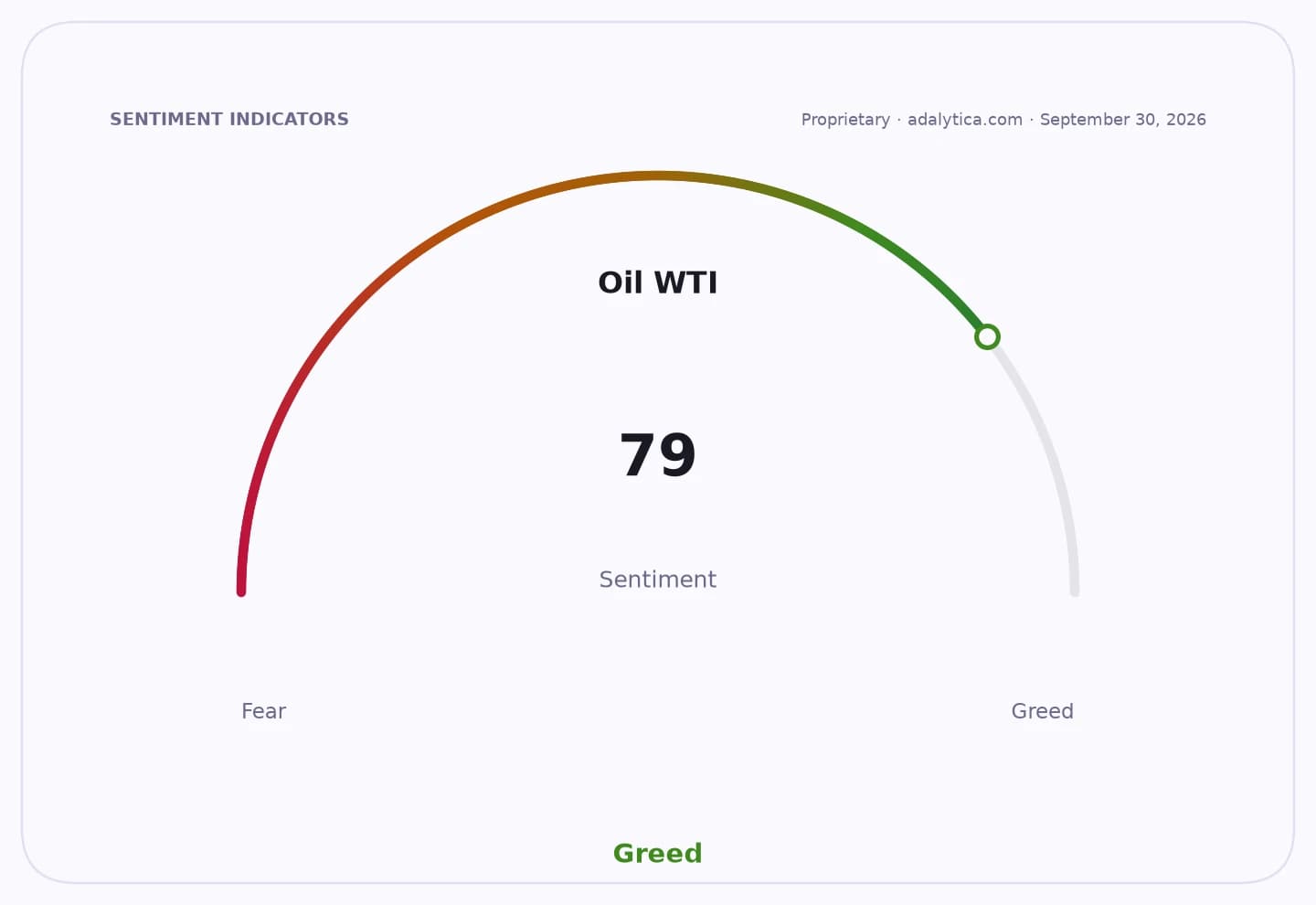
Sentiment IndicatorsⓘProprietary · adalytica.com · September 30, 2026
This is a snapshot — live sentiment, awareness and momentum for 130+ markets update continuously in the dashboard.Open AlphaPulse
For investors, the significance is less about two names than about the precedent. Sanctions regimes are rarely static, and once the first high-profile exclusions happen, markets begin to assess whether Europe is entering a phase of selective easing, litigation-driven carveouts, or a gradual fracturing of consensus. That can matter for Russian assets that remain under heavy restrictions, for European companies with residual exposure to Russia-linked counterparties, and for legal and compliance risk across banks, trading houses and insurers.
The broader narrative is one of a constrained thaw, not reconciliation. The EU has kept most punitive measures intact despite no change in the core facts of the war: Russia has not withdrawn from occupied territory, ended the fighting, paid reparations or returned Ukrainian children deported from occupied areas. In that context, the removal of Usmanov and Fridman is best read as a tactical concession inside Europe’s sanctions machinery, not as a signal of policy reset toward the Kremlin.
Geopolitical Risk — 30-day sentimentadalytica.com
Explore this data interactively — full history, time series and cross-market comparisons.Open AlphaPulse
Still, the optics matter. Sanctions lists have become both a diplomatic tool and a battleground in court, where individual designations are often challenged on due process grounds. When major oligarchs succeed in being removed, it strengthens the hand of others seeking relief and may encourage more aggressive legal challenges. It also tests how far member states are willing to go in balancing the unity of the sanctions regime against domestic political and legal pressures.
The immediate market reaction may be muted because the exclusions do not reopen access to the Russian economy in any meaningful way. But the episode will be watched closely for what comes next: whether the EU’s sanctions architecture stays rigid, or whether this becomes the first visible sign that Europe is preparing for a slower, selective normalization while the war remains unresolved.
| Entity | Gains | Losses |
|---|---|---|
| EU sanctions hawks | ▲Preserve most measures | ▼Lose some regime cohesion |
| Usmanov and Fridman | ▲Relief from EU-wide listing | ▼Still face national restrictions |
| Russia-linked assets | ▲Hope for future easing | ▼No broad sanctions rollback |
| Compliance-heavy lenders | ▲Clearer legal precedent | ▼More sanctions litigation risk |