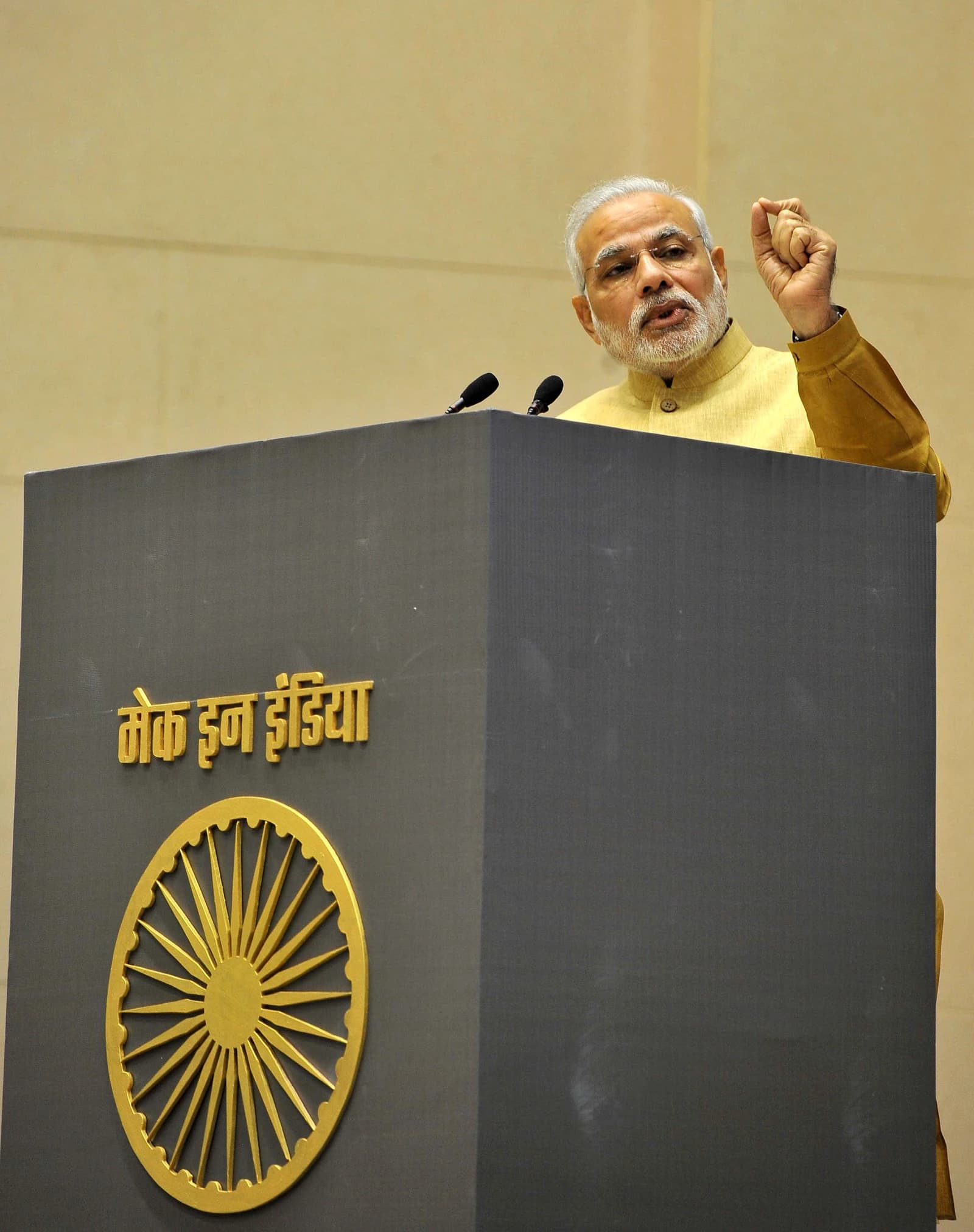
India’s 7.8% growth rate is the key economic message from Amit Shah’s remarks in Uttar Pradesh, underscoring why New Delhi is leaning on domestic manufacturing, exports and infrastructure even as global demand stays uneven.
India 7.8% growth backs Uttar Pradesh manufacturing push
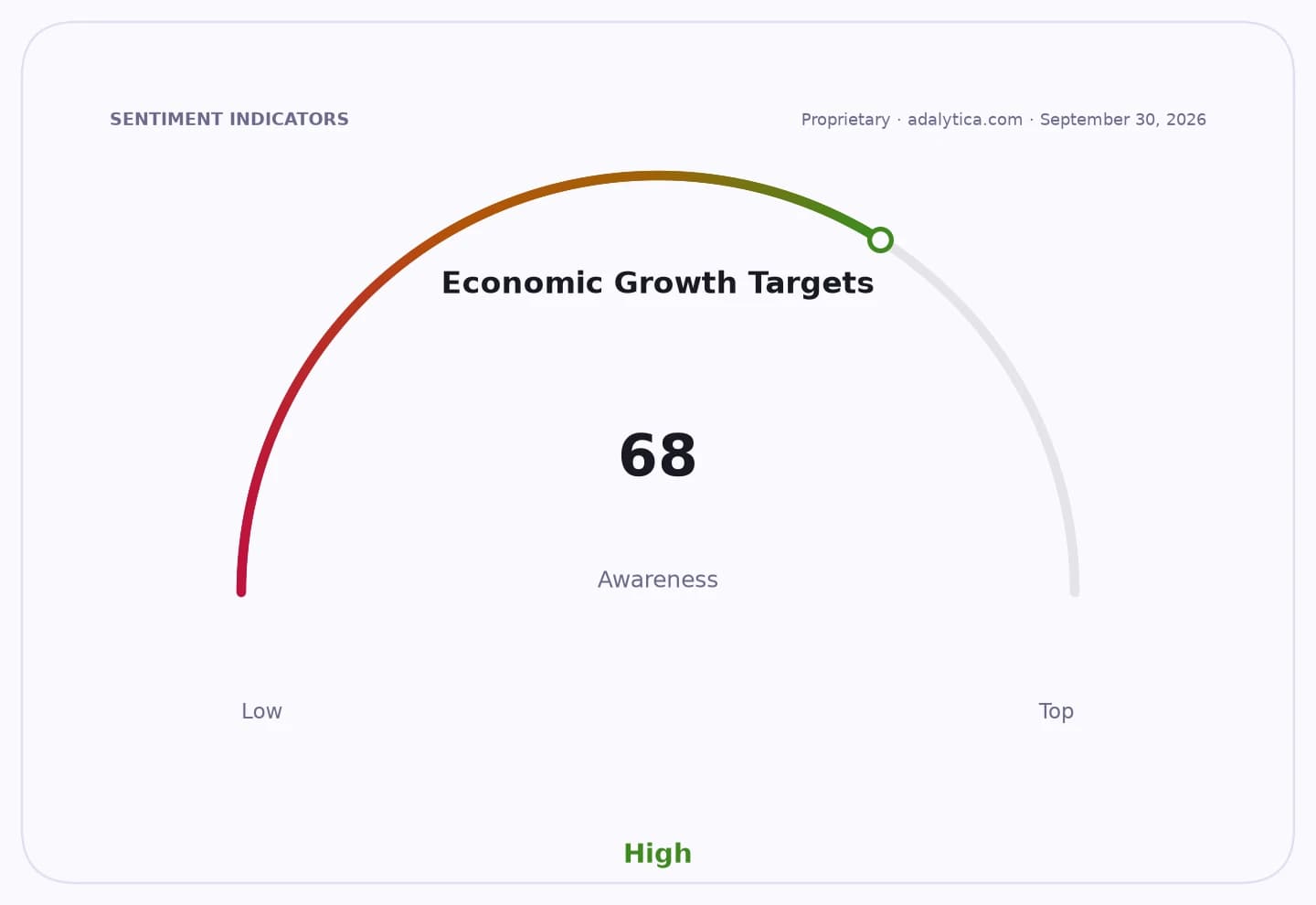
The growth figure matters because it reinforces India’s position as the fastest-growing major economy at a time when many large economies are still struggling with slower expansion and sticky financial conditions. Shah also pointed to Moody’s lifting its growth forecast and Japan’s JCR upgrading India’s sovereign rating, two signals that help support capital inflows, lower borrowing-risk perceptions and the government’s pitch that the economy can keep expanding without relying solely on external demand.
Sentiment IndicatorsⓘProprietary · adalytica.com · September 30, 2026
This is a snapshot — live sentiment, awareness and momentum for 130+ markets update continuously in the dashboard.Open AlphaPulse
For investors, the backdrop is broadly constructive for India exposure. Stronger growth typically supports corporate earnings, credit demand and capex-heavy sectors, while rating upgrades can improve sentiment toward sovereign debt and reduce funding costs over time. India’s industrial output rising 8% in August, together with the latest growth narrative, strengthens the case for cyclical names tied to factories, power, logistics and construction.
Shah used the trade show in Greater Noida to link the macro numbers to policy execution on the ground. He said Uttar Pradesh is benefiting from stricter law and order, industrial policy support and new infrastructure, including the Noida airport and expressways, while defence manufacturing and semiconductors are adding new industrial layers to the state’s economy.
The state government is trying to sell Uttar Pradesh as a manufacturing hub and a destination for foreign capital, with Japan, Vietnam, Russia, Singapore, Austria and Belarus listed as partner countries at UPITS 2026. More than 2,400 exhibitors are participating, as the state pushes toward its goal of becoming a $1 trillion economy.
The broader narrative is that India is trying to convert high national growth into a lasting investment cycle, with Uttar Pradesh positioned as one of the main beneficiaries. The next test will be whether the growth momentum shows up in exports, factory output, jobs and private capex, and whether global uncertainty starts to weigh on that pace.
| Entity | Gains | Losses |
|---|---|---|
| India government | ▲Stronger credibility | ▼Pressure to sustain growth |
| Uttar Pradesh | ▲Investment inflows | ▼Lagging states |
| Exporters and manufacturers | ▲Better demand and policy tailwinds | ▼Importers facing higher costs |
| Sovereign bondholders | ▲Rating support | ▼Higher rates if growth slips |