The global economy is no longer in freefall, but the next phase of the cycle will be defined by who can absorb higher costs, bigger geopolitical shocks and a relentless surge in AI investment.
WEF survey shows AI capex and trade rerouting
That is the clearest signal from the World Economic Forum’s latest Chief Economists’ Outlook, which found 56% of respondents now think the world economy is stabilising or improving, a sharp reversal from May, when 89% expected conditions to worsen. The shift matters because it suggests the worst of the broad-based slowdown scare may be behind markets — but the rebound is likely to be narrow, uneven and heavily dependent on capital spending, industrial policy and trade fragmentation rather than a clean return to global synchronization.
Sentiment IndicatorsⓘProprietary · adalytica.com · September 27, 2026
This is a snapshot — live sentiment, awareness and momentum for 130+ markets update continuously in the dashboard.Open AlphaPulse
Investors should read this as a rotation story, not a euphoric growth call. The survey shows 97% of chief economists expect international political conflicts to keep creating instability over the next year, while 58% see asset-price corrections ahead. In other words, the macro backdrop is stabilising, but the distribution of winners and losers is getting more extreme.
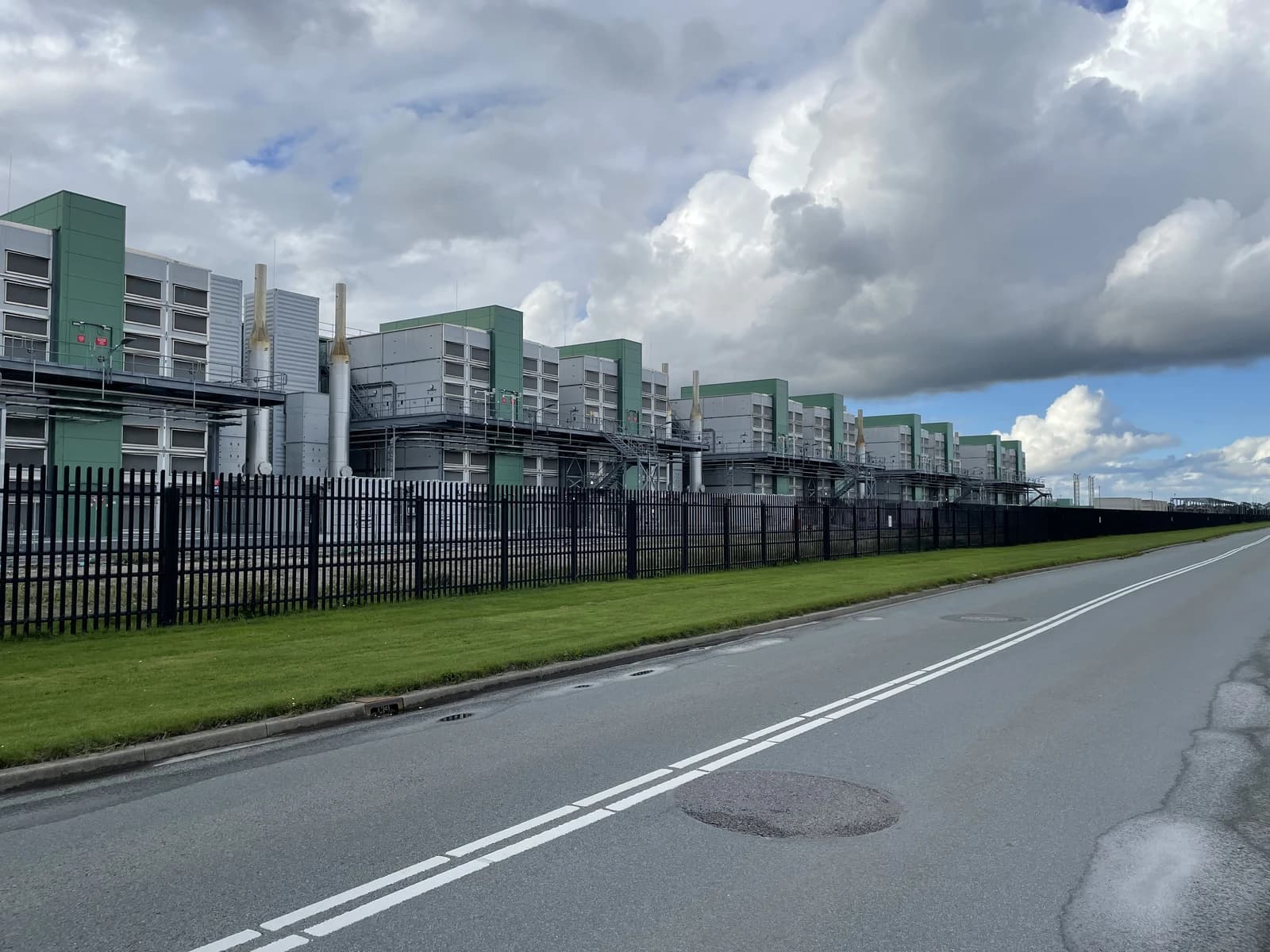
The biggest structural implication is AI infrastructure. Nearly all respondents — 97% — expect AI adoption to rise over the next 12 months, and 78% say data-centre investment will be a major driver of growth. That is a powerful confirmation of the capex boom now reshaping the market. But it is also a reminder that the gains are concentrated: 61% do not expect data-centre buildout to create many jobs, while 78% say it will push up electricity prices and 58% see higher water prices. The market’s favorite AI names may continue to command premium valuations, but the larger opportunity, in our view, still sits with the “picks-and-shovels” layer — power equipment, grid infrastructure, cooling, semiconductor tools, and the utilities and energy suppliers that can feed the next wave of compute demand.
The geopolitical backdrop reinforces that thesis. Chief economists overwhelmingly expect fragmentation to deepen, with 77% saying international politics will become more divided and 55% forecasting higher tariffs in the US. Even so, 66% still expect trade volumes to rise and 83% believe Chinese exports to non-US markets will grow, underscoring the reality that globalisation is not ending — it is rerouting. For investors, that favors companies with diversified supply chains, manufacturing optionality and exposure to non-US demand corridors, especially in Southeast Asia, India and parts of Central Asia, which were ranked among the stronger growth regions.
The survey also points to a very different inflation regime than the one markets grew used to before the pandemic. Eighty-eight percent of respondents expect higher food prices, 83% higher electricity rates and 77% higher transport costs. That is not an environment where consumers enjoy a broad real-income recovery. It is an environment for pricing power, balance-sheet strength and exposure to essential goods and services. It also helps explain why chief economists see governments reaching first for tax cuts on essentials, subsidies and price caps rather than more targeted cash transfers.
Fiscal policy, meanwhile, is losing some of the power it had during the last cycle. While 69% said government support was the main source of resilience since 2020, only 28% expect it to play that role over the next year. That shift matters for markets because it implies less backstop from the public sector just as growth becomes more dependent on private investment, supply-chain flexibility and energy-system adaptation. Countries and companies that can self-finance resilience will be better positioned than those relying on policy rescue.
The regional picture is similarly revealing. The US was ranked the most favourable environment for multinational companies, with Southeast Asia moving into second place and Europe remaining third. China stayed fifth. That ranking aligns with where capital is likely to keep flowing: into American AI infrastructure, into Southeast Asian manufacturing and logistics, and into selective India exposure despite its slip in the standings. Europe, by contrast, remains trapped between weak growth and tighter policy, while China faces the more complicated mix of looser monetary policy, softer domestic demand and rising competition abroad.
For markets, the message is not that risk is gone. It is that the cycle is changing shape. The old playbook of betting on synchronized global recovery is giving way to a more fragmented world where growth comes from infrastructure, energy, automation and strategically located supply chains. That is why the most attractive trades now are not the broad indices alone, but the beneficiaries of AI capex, electrification and trade rerouting.
| Entity | Gains | Losses |
|---|---|---|
| AI infrastructure providers | ▲More capex, stronger demand | ▼Higher scrutiny, local opposition |
| Utilities and grid suppliers | ▲Rising power demand | ▼Margin pressure from higher input costs |
| Southeast Asia and India | ▲Trade rerouting, investment inflows | ▼Slower gains if global demand weakens |
| Europe and China | ▲Policy support, selective export gains | ▼Weak growth, tariff risk |