The global economy is set to keep expanding in 2026 and 2027 even as wars, higher energy costs and policy uncertainty weigh on the outlook, with the OECD saying heavy investment in artificial intelligence is helping cushion the slowdown.
OECD forecasts 2.9% global growth in 2026
The Paris-based organisation said world output should rise 2.9% in 2026 and then pick up to 3.0% in 2027, a projection that matters because it suggests global growth is proving more resilient than many investors had feared despite persistent geopolitical shocks and elevated borrowing costs. For markets, the message is that inflation pressures may stay contained enough to allow central banks more room to ease, while sectors tied to AI infrastructure and energy remain key swing factors.
Sentiment IndicatorsⓘProprietary · adalytica.com · September 28, 2026
This is a snapshot — live sentiment, awareness and momentum for 130+ markets update continuously in the dashboard.Open AlphaPulse
The OECD’s forecast also implies that the current cycle is being shaped less by traditional consumer demand and more by capital spending, especially on data centres, chips and power systems needed to support AI. That matters economically because investment-led growth can sustain activity even when households are stretched by slower wage gains and higher financing costs. It also helps explain why the slowdown has been uneven: some industries are still expanding strongly while others remain under pressure from expensive credit and weak discretionary spending.
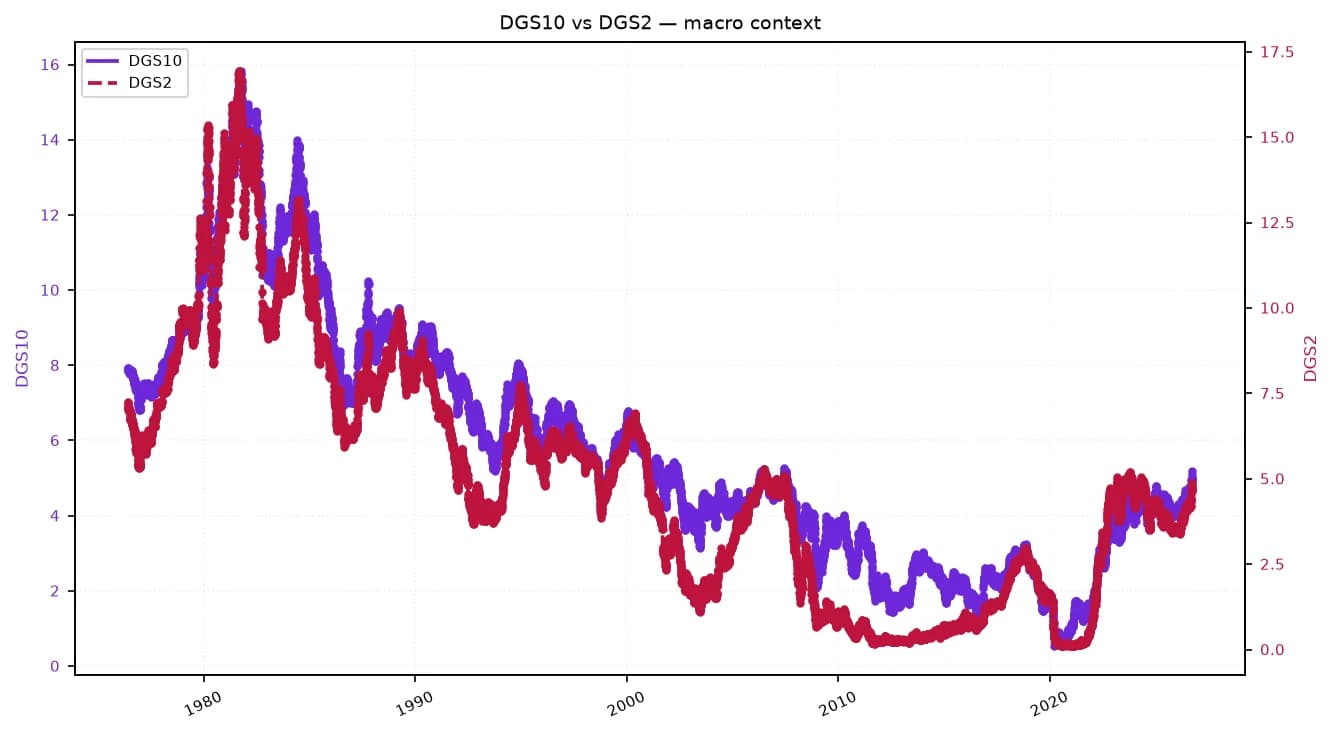
Brent and other energy benchmarks are not in the data set, but the direction of the macro inputs is clear: the OECD sees higher energy prices and conflict-related risks as headwinds, not enough on their own to derail the expansion. U.S. 10-year Treasury yields around 5.1% underscore that markets are still pricing a relatively restrictive policy backdrop, while inflation readings remain sticky enough to keep central banks cautious. Yet the OECD’s call suggests that stronger supply-side investment, rather than a demand boom, is doing part of the work of preserving growth.
That has direct implications for investors. If the forecast proves broadly right, earnings support should broaden beyond the handful of mega-cap AI beneficiaries into industrials, utilities and selected energy names tied to the buildout. The flip side is valuation risk: stocks already pricing in a powerful AI cycle could be vulnerable if the eventual return on that investment disappoints. The recent “Extreme Greed” reading in S&P 500 trade signals points to a market that is already leaning into the optimistic scenario.
The OECD also flagged major uncertainty around energy shocks, climate disruptions and the possibility that AI spending delivers weaker productivity gains than hoped. That is the central tension in the forecast: growth is improving, but the quality of that growth is still unproven. If AI capex fades before productivity gains show up, or if a fresh energy shock hits household real incomes, the 2027 pickup could prove fragile.
For now, the broader narrative is one of a world economy that is slowing less than feared but still running on uneven foundations. The OECD’s upgrade suggests recession risks are contained, at least for the moment, but the next leg of the cycle will depend on whether investment can keep outrunning geopolitics, energy volatility and tight financial conditions.
| Entity | Gains | Losses |
|---|---|---|
| AI infrastructure firms | ▲Stronger capex demand | ▼If productivity payoff lags |
| Energy producers | ▲Higher price support | ▼Consumers and importers |
| Central banks | ▲Softer recession risk | ▼Less room if inflation re-accelerates |
| Households | ▲Avoids sharper downturn | ▼Face cost-of-living pressure |