The OECD has warned that surging government bond yields are pushing up debt-service costs just as many advanced economies are already running large fiscal deficits, adding a new strain to public finances and tightening the space for governments to respond to slower growth.
OECD warns on higher bond yields and debt costs
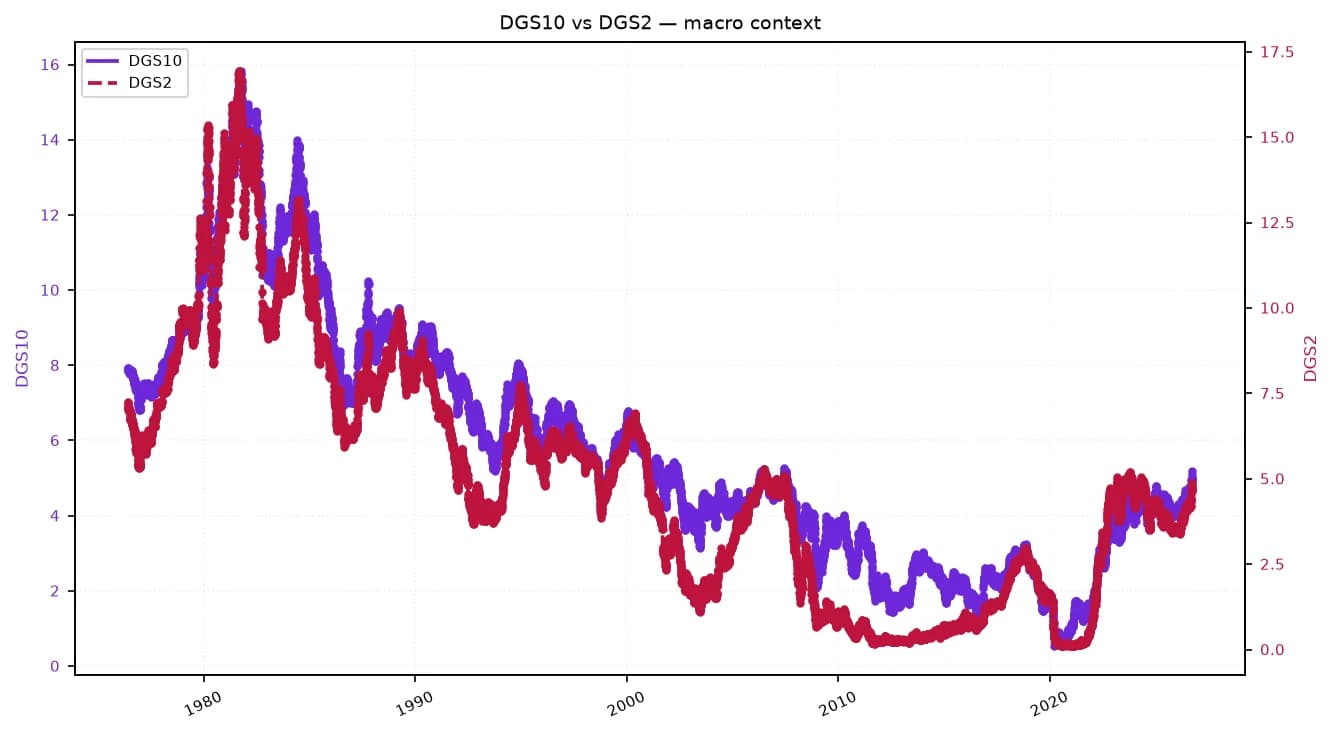
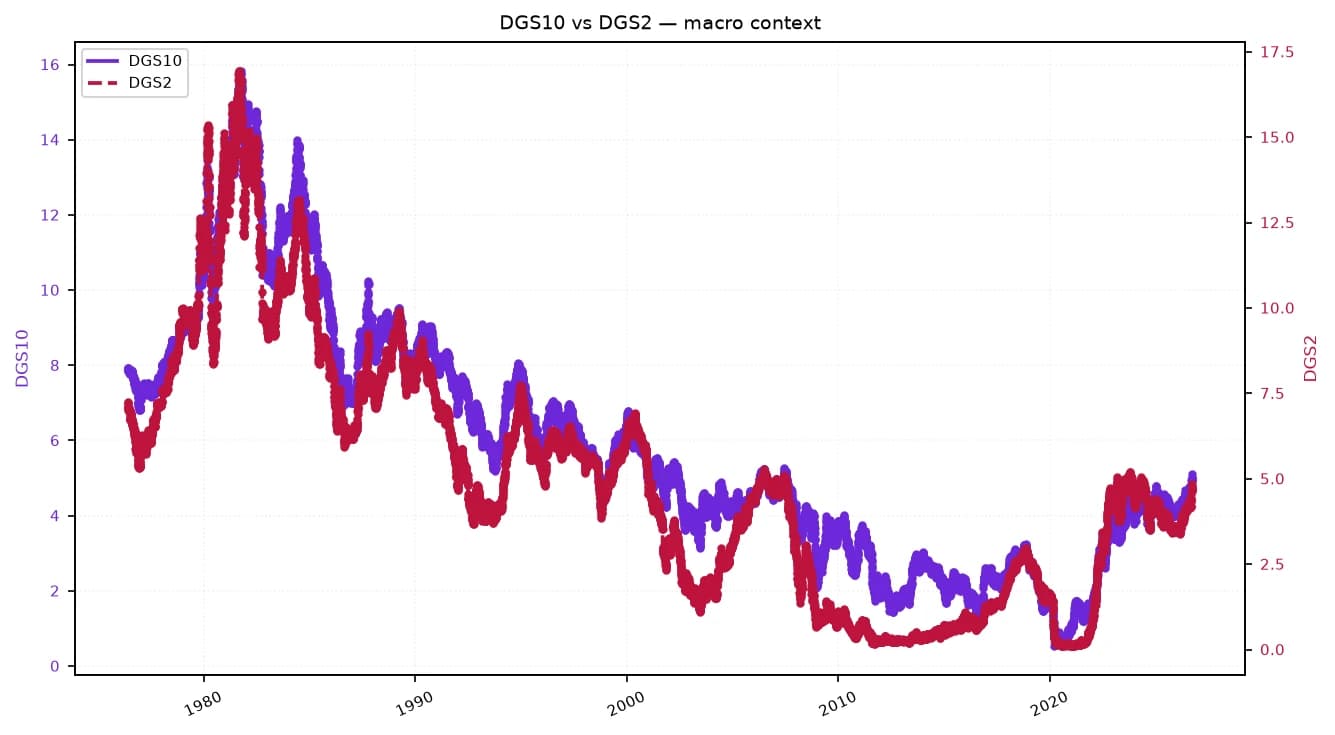
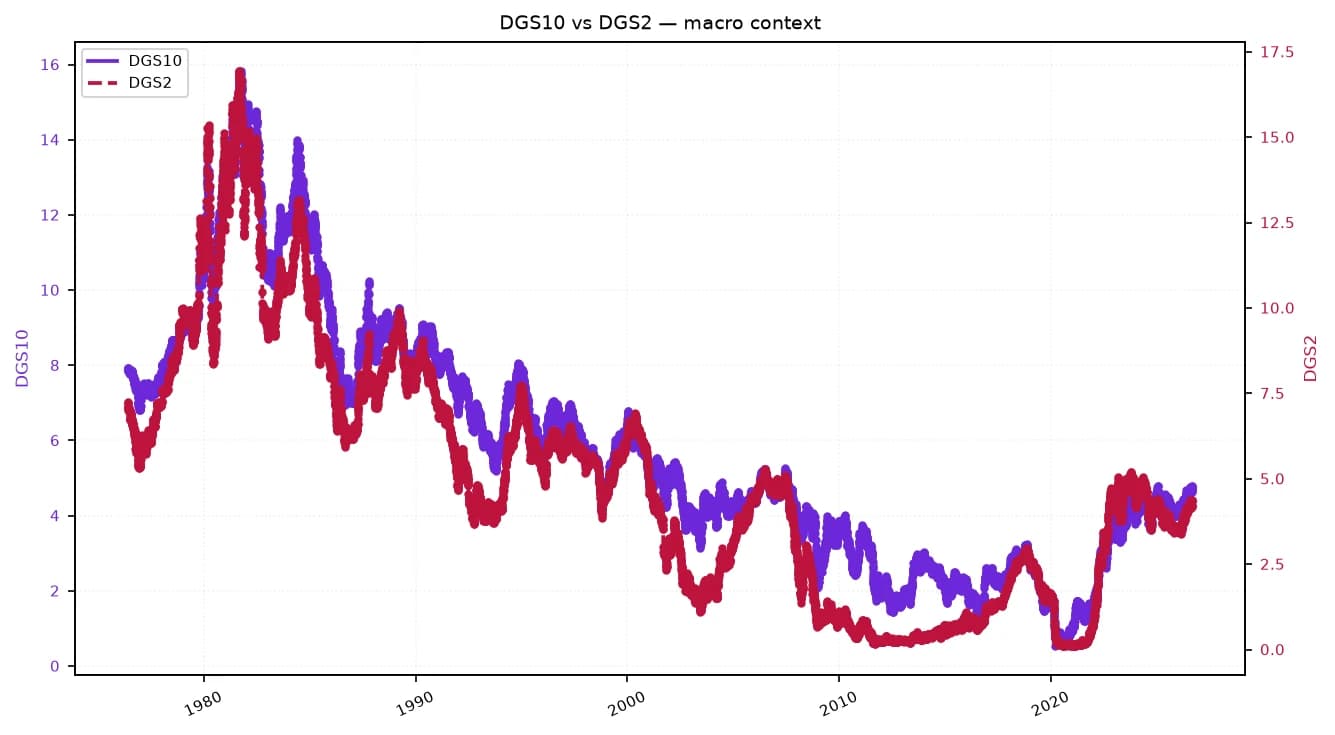
The Paris-based forecaster’s alarm comes as long-term borrowing costs remain elevated across major markets, with the U.S. 10-year Treasury yield around 5.19% and the 30-year yield above 5.45%, levels that reflect a far less forgiving environment for sovereign borrowers than in the era of ultra-low rates. Two-year U.S. yields are also near 4.88%, showing that the higher-cost funding backdrop extends across the curve, not just at the long end.
Sentiment IndicatorsⓘProprietary · adalytica.com · September 28, 2026
This is a snapshot — live sentiment, awareness and momentum for 130+ markets update continuously in the dashboard.Open AlphaPulse
That matters because governments have spent the past several years refinancing themselves at much higher rates while still carrying pandemic-era debt loads and, in some cases, expanding spending commitments. Even a modest increase in average borrowing costs can translate into a rapid rise in interest outlays when applied to trillion-dollar debt stocks. For economies with weak trend growth, that can crowd out investment, constrain welfare budgets and make fiscal policy more pro-cyclical just when economies need support.
The bond market is already sending a clear signal of pressure. The iShares 20+ Year Treasury Bond ETF, TLT, has fallen to 79.32 from 85.67 in early November, and its relative strength index is down to 27.5, indicating the selloff has been steep enough to push the fund into technically oversold territory. The iShares 7-10 Year Treasury Bond ETF, IEF, has also slipped to 90.0, while short-dated Treasuries, tracked by SHY, have been more stable, underscoring that investors are demanding more compensation for duration risk rather than simply repricing all rate exposure equally.
The OECD’s warning lands in a broader debate over debt sustainability that has intensified as central banks have kept policy restrictive to contain inflation. U.S. policy rates remain at 3.63% on the Fed funds series, far above the pre-pandemic norm, and while that is still below the peaks of the early 1980s, today’s debt loads are much larger. That combination leaves governments more vulnerable to interest-rate shocks than they were a decade ago, even if nominal growth has improved.
For investors, the implications run beyond sovereign bonds. Higher yields raise the discount rate used across asset classes, which tends to pressure equity valuations and raise the cost of capital for companies and households. They also increase the risk that fiscal tightening becomes a political necessity, which can slow growth and add volatility to sectors exposed to consumer demand, infrastructure spending and government procurement.
There is a bull case for the bond bears: if growth weakens enough, yields could retreat as markets price slower inflation and eventual rate cuts. But the OECD’s message is that public finances are now more sensitive to interest-rate levels than at almost any point in recent decades, and that governments cannot assume the old low-rate regime will return quickly. For investors, that means sovereign debt, duration exposure and fiscal credibility remain central risks heading into the next policy cycle.
| Entity | Gains | Losses |
|---|---|---|
| Governments with high debt | ▲None | ▼Higher interest bills |
| Bond investors with short duration | ▲Higher carry | ▼Less price risk |
| Long-duration Treasury holders | ▲Possible rally if growth slows | ▼Mark-to-market losses |
| Equity markets | ▲Lower yields if recession fears grow | ▼Higher discount rates |