Kristalina Georgieva is pressing advanced economies including the U.S. and Britain to rein in borrowing and reduce debt levels, warning that higher government financing costs have turned a long-running fiscal drift into a more immediate economic risk.
IMF urges U.S. and Britain to cut debt levels
The IMF managing director said in a BBC interview that repeated global shocks have pushed debt higher “degree after degree” while governments have not done enough to curb the cost of servicing it. Her message comes as sovereign borrowing costs remain well above the ultra-low levels that defined the post-financial-crisis era and were briefly reinforced during the pandemic.
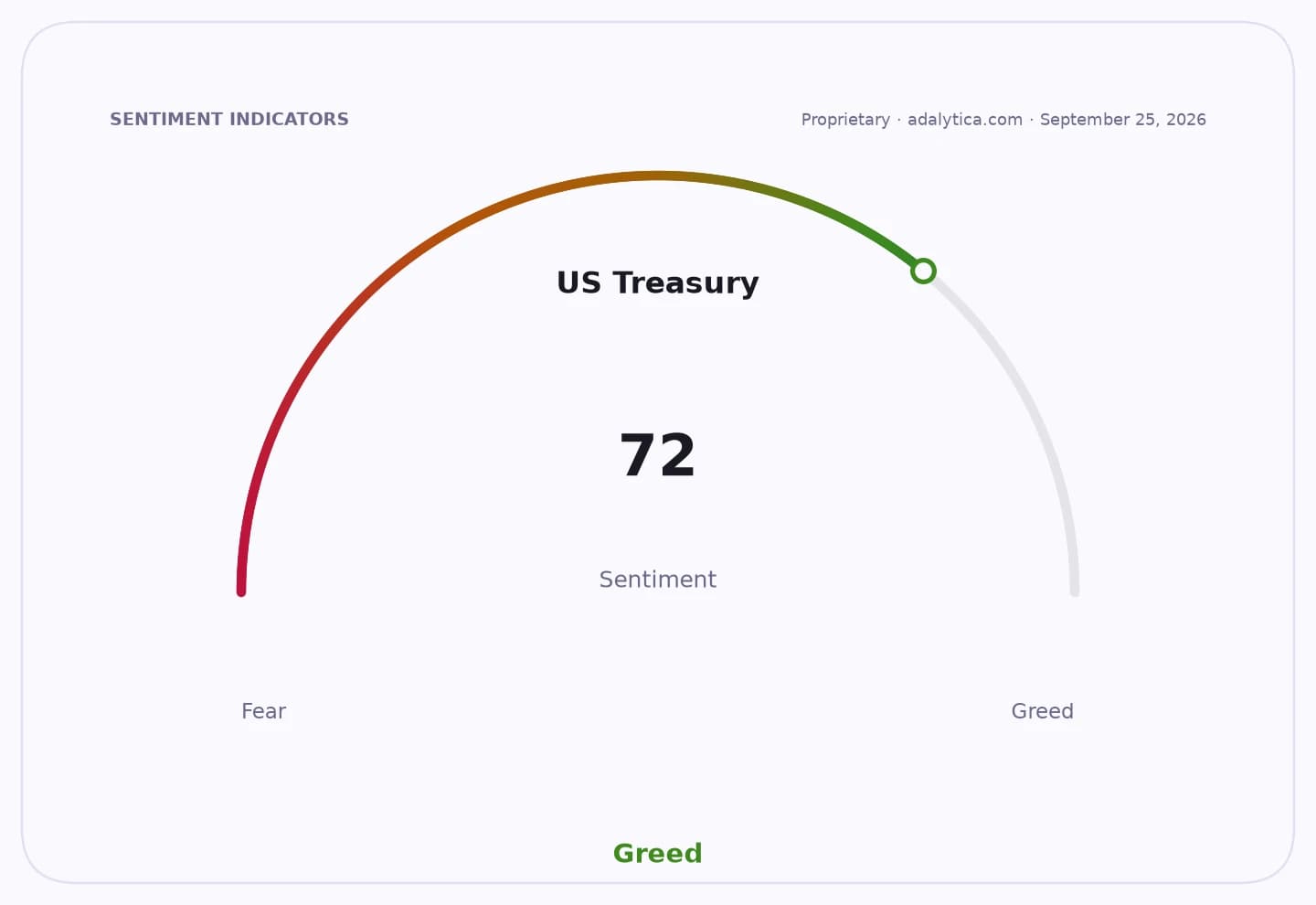
Sentiment IndicatorsⓘProprietary · adalytica.com · September 28, 2026
This is a snapshot — live sentiment, awareness and momentum for 130+ markets update continuously in the dashboard.Open AlphaPulse
For investors, the warning matters because higher debt-service costs can crowd out public spending, complicate central-bank efforts to control inflation and keep pressure on long-dated government bonds. When rates are higher for longer, the arithmetic of deficits changes quickly: refinancing old debt becomes more expensive, and even relatively resilient economies face tighter room for fiscal stimulus in the event of a downturn.
Georgieva said advanced economies still control their domestic policy settings, even if they cannot control external shocks such as wars that have lifted oil prices and fueled inflation. She argued that two priorities now stand out: reduce debt levels and make fiscal discipline a priority, while ensuring central banks fulfill their mandates to maintain price stability.
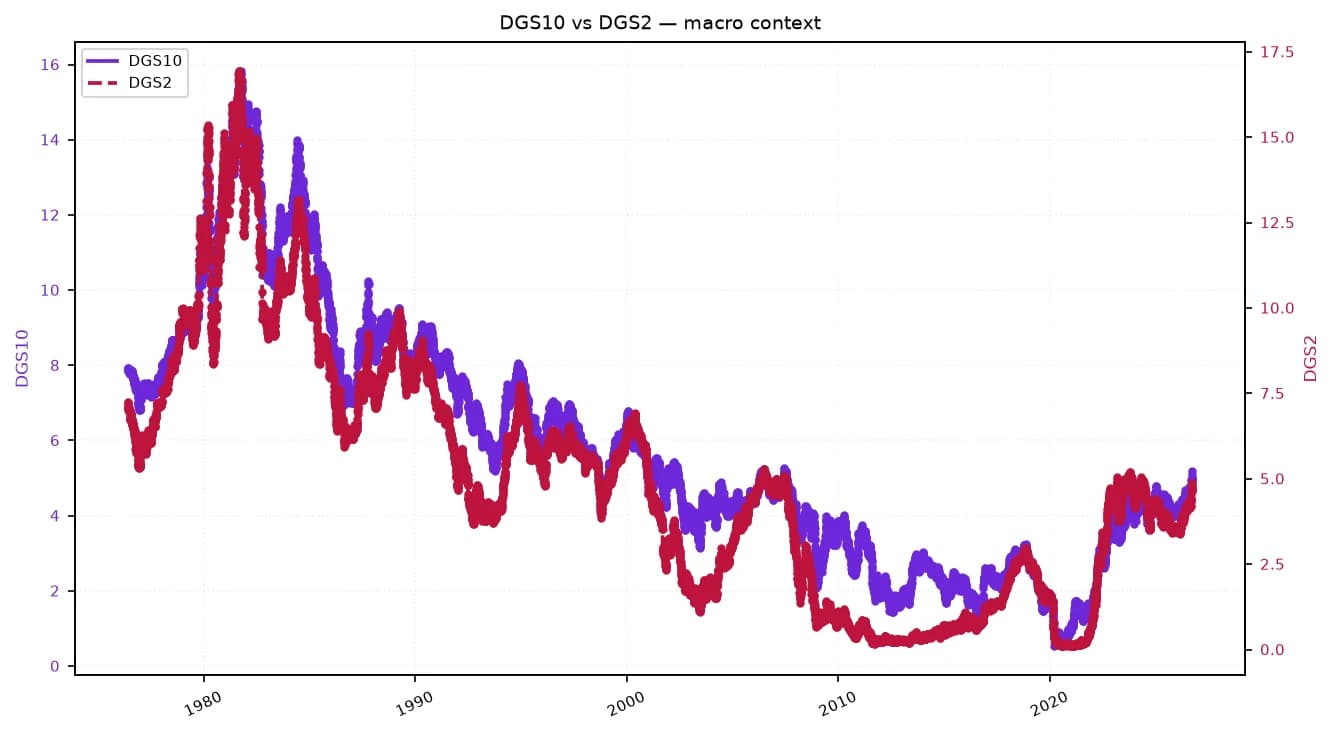
The backdrop is a market that has already repriced for sticky inflation and a less forgiving rate environment. U.S. 10-year Treasury yields were around 5.19% in the supplied data, close to the upper end of recent trading ranges and far above the near-zero era, while the federal funds rate was shown at 3.63%. That combination leaves governments facing a steeper bill on new issuance and refinancing, and leaves bondholders more exposed to fiscal slippage.
The impact is not evenly distributed. Countries with heavy deficits and high refinancing needs are more vulnerable to a sustained rise in yields, while those with stronger balance sheets may benefit as capital shifts toward safer sovereigns. Equity investors also have reason to watch the debate closely: a tighter fiscal stance can dampen growth, but a credible plan to stabilize debt may help prevent a broader bond-market repricing that would hurt risk assets more sharply.
The IMF’s call also lands at a politically sensitive moment. Cutting spending or raising taxes is usually harder when households are already under strain from inflation and higher mortgage costs. But Georgieva’s point is that delaying adjustment makes the eventual bill larger, especially if governments assume borrowing costs will quickly normalize.
The broader narrative is that rich economies are entering a more punishing rate regime with far less fiscal flexibility than they had a decade ago. For markets, that raises the stakes for budget discipline, bond issuance plans and central-bank communication. If borrowing costs remain elevated, the winners are likely to be governments that move early to stabilize debt and the investors who own their bonds; the losers are late adjusters, whose financing costs may keep rising even before growth weakens.
| Entity | Gains | Losses |
|---|---|---|
| Fiscal conservatives | ▲More leverage for austerity | ▼Less room for stimulus |
| Government bondholders | ▲Stronger credit discipline | ▼Less policy flexibility |
| Highly indebted rich nations | ▲Lower refinancing risk if they act | ▼Higher debt-service burden if they delay |
| Equity and rate-sensitive assets | ▲Fewer bond-market shocks if policy improves | ▼Slower growth from tighter budgets |