Italy is now paying one of the heaviest interest bills in the developed world, with debt-service costs equal to 7.1% of government revenue, while the U.S. ranks first and the U.K. third in an OECD comparison of countries most burdened by sovereign debt interest.
Italy debt-service cost ranks high in OECD study

The ranking matters because it shows how sharply higher rates have changed the fiscal equation. Interest costs do not just crowd out spending on health, defense and infrastructure — they also leave governments with less room to cushion growth slowdowns, making debt dynamics more fragile even in large economies.
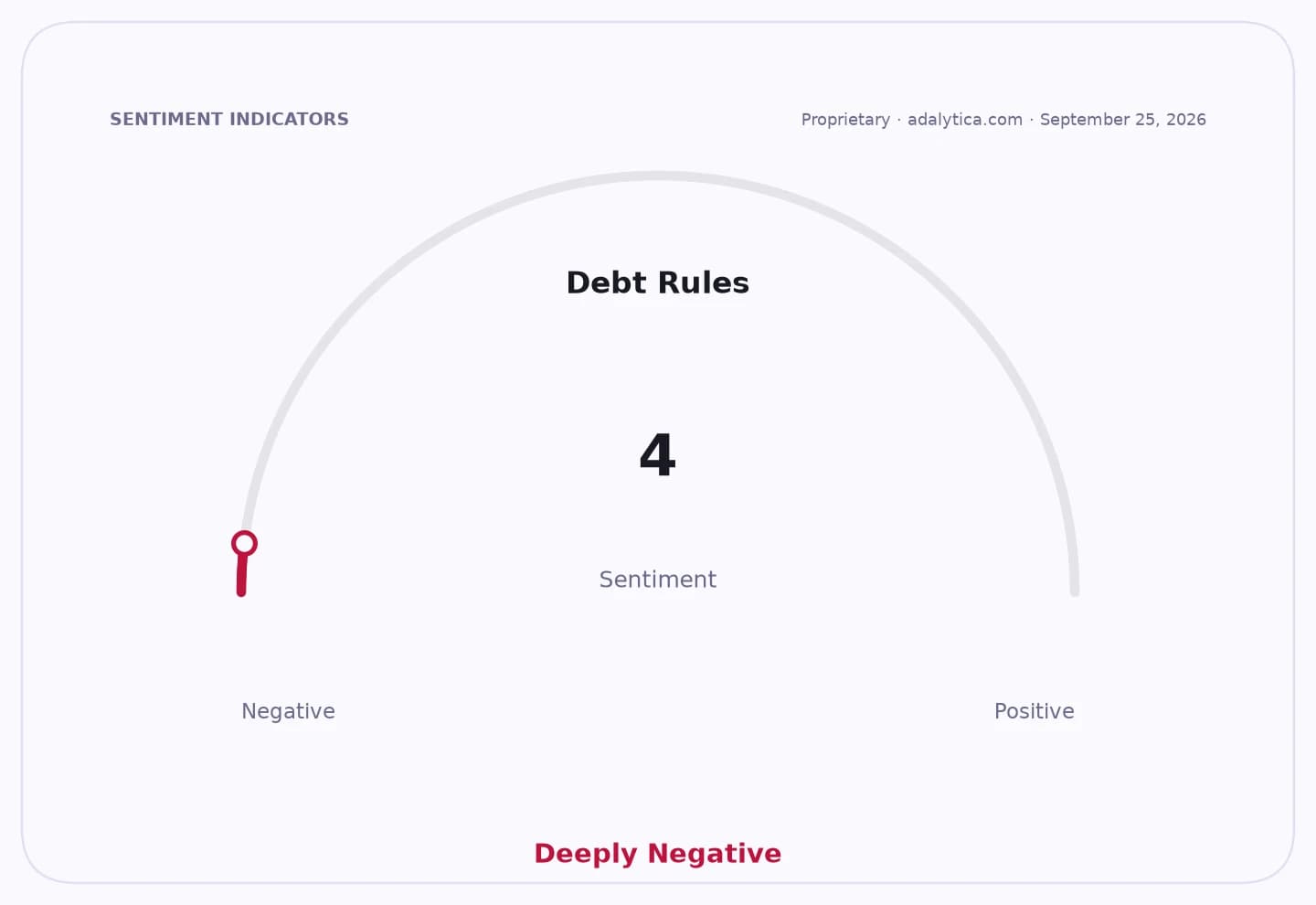
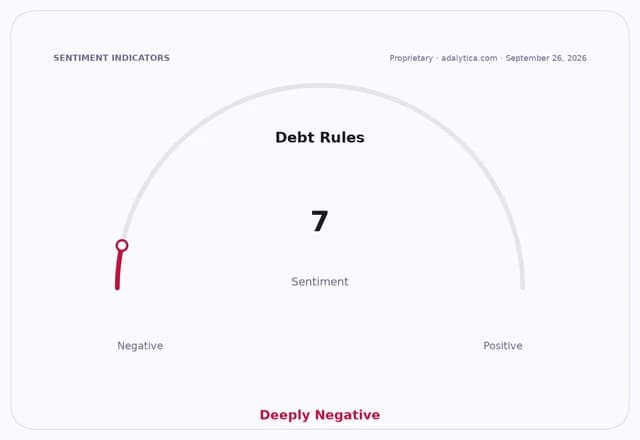
Sentiment IndicatorsⓘProprietary · adalytica.com · September 26, 2026
This is a snapshot — live sentiment, awareness and momentum for 130+ markets update continuously in the dashboard.Open AlphaPulse
The OECD study focuses on the share of public revenue absorbed by interest rather than the size of the debt pile alone, a distinction that highlights how vulnerable a country is to refinancing costs. On that measure, Italy’s 7.1% burden is roughly five times Germany’s 1.4%, despite both being core euro zone economies.
The top of the list is dominated by large issuers and heavily indebted governments: the U.S. is first, followed by Italy, the U.K., Mexico and France, with Germany seventh and Canada eighth. Colombia and Poland also appear in the top 10, underscoring that the strain is not limited to the richest economies.
For investors, the message is straightforward: sovereign funding costs remain a live risk even where recession fears have eased. Higher interest burdens can tighten fiscal policy, pressure bond supply and keep duration-sensitive assets volatile, especially if central banks stay cautious about cutting rates.
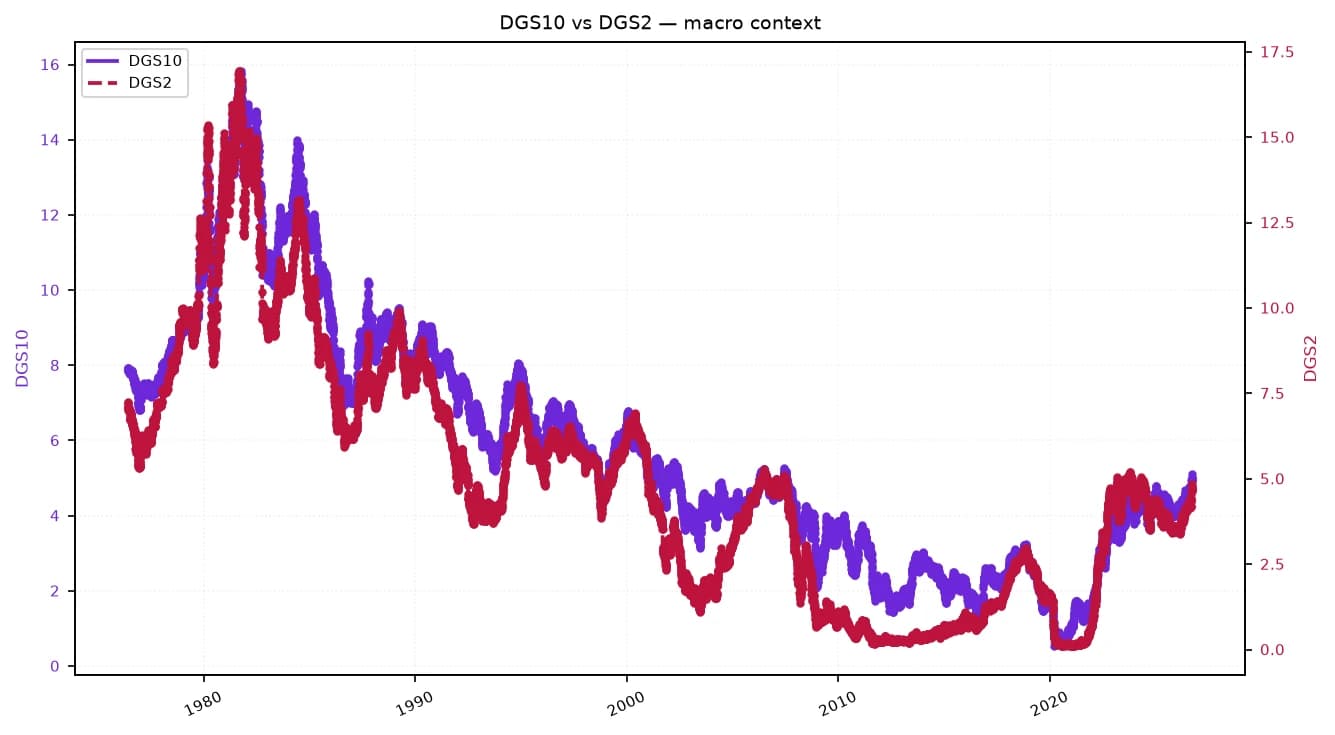
That backdrop is consistent with market pricing in the U.S., where Treasury yields remain elevated and bond funds such as TLT have weakened, with the ETF closing at $79.32 on Sept. 25, below its 50-day and 200-day moving averages. In equities, the broader S&P 500 has held up, but the fiscal arithmetic behind government borrowing is becoming less forgiving.
The OECD rankings suggest debt service will stay a key macro issue into year-end, particularly for countries with weak revenue growth or limited scope to raise taxes. The next catalyst for bond markets will be whether inflation cools enough to allow faster rate cuts — or whether governments are forced to live with a more expensive era of financing.
| Entity | Gains | Losses |
|---|---|---|
| Bond investors | ▲Higher yields | ▼Lower bond prices |
| Highly indebted governments | ▲Short-term refinancing access | ▼Bigger interest bills |
| Germany | ▲Lower revenue share to debt service | ▼Less urgency in fiscal debate |
| Italy and the U.S. | ▲Benchmark funding access | ▼Crowded-out budgets |