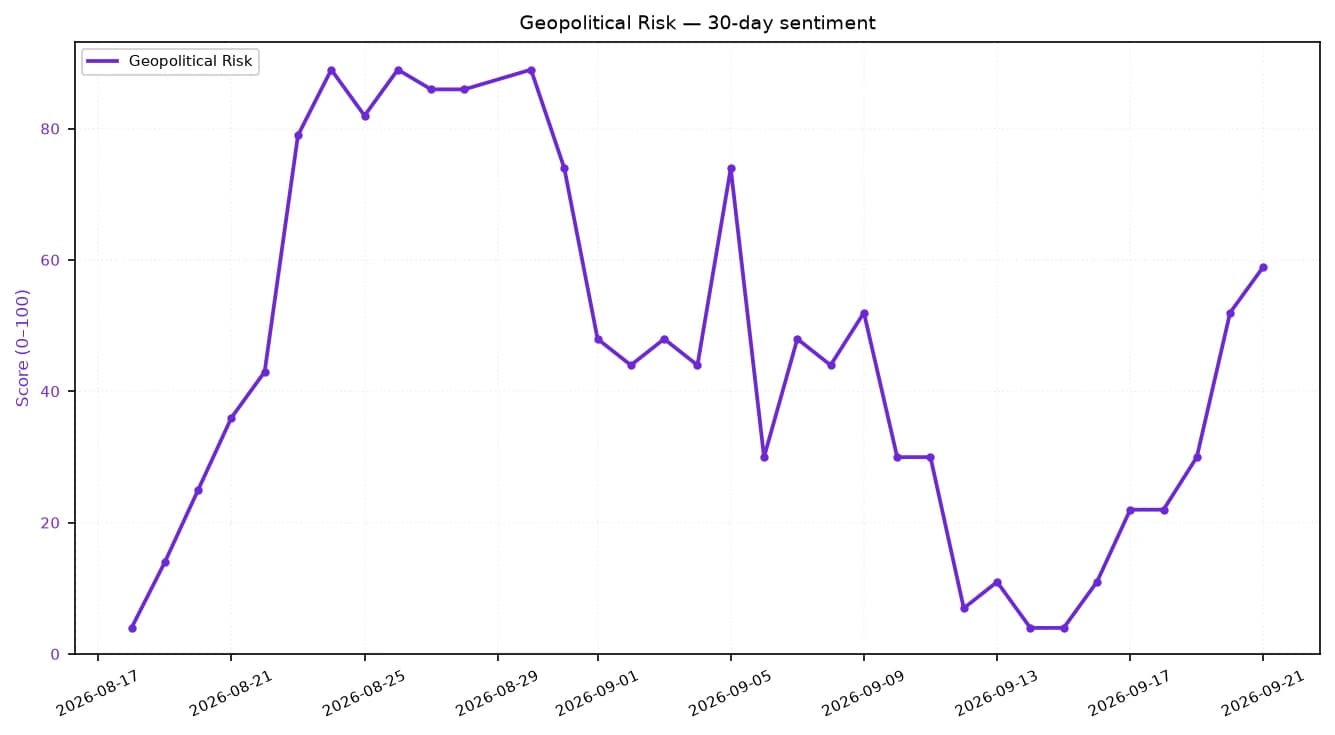
Germany is moving to borrow hundreds of billions of euros more over the next four years, a fiscal break with decades of caution that shows how Europe’s biggest economy now sees defense and infrastructure spending as a necessity, not a choice.
Germany Budget Plans 838.2B Euro Borrowing
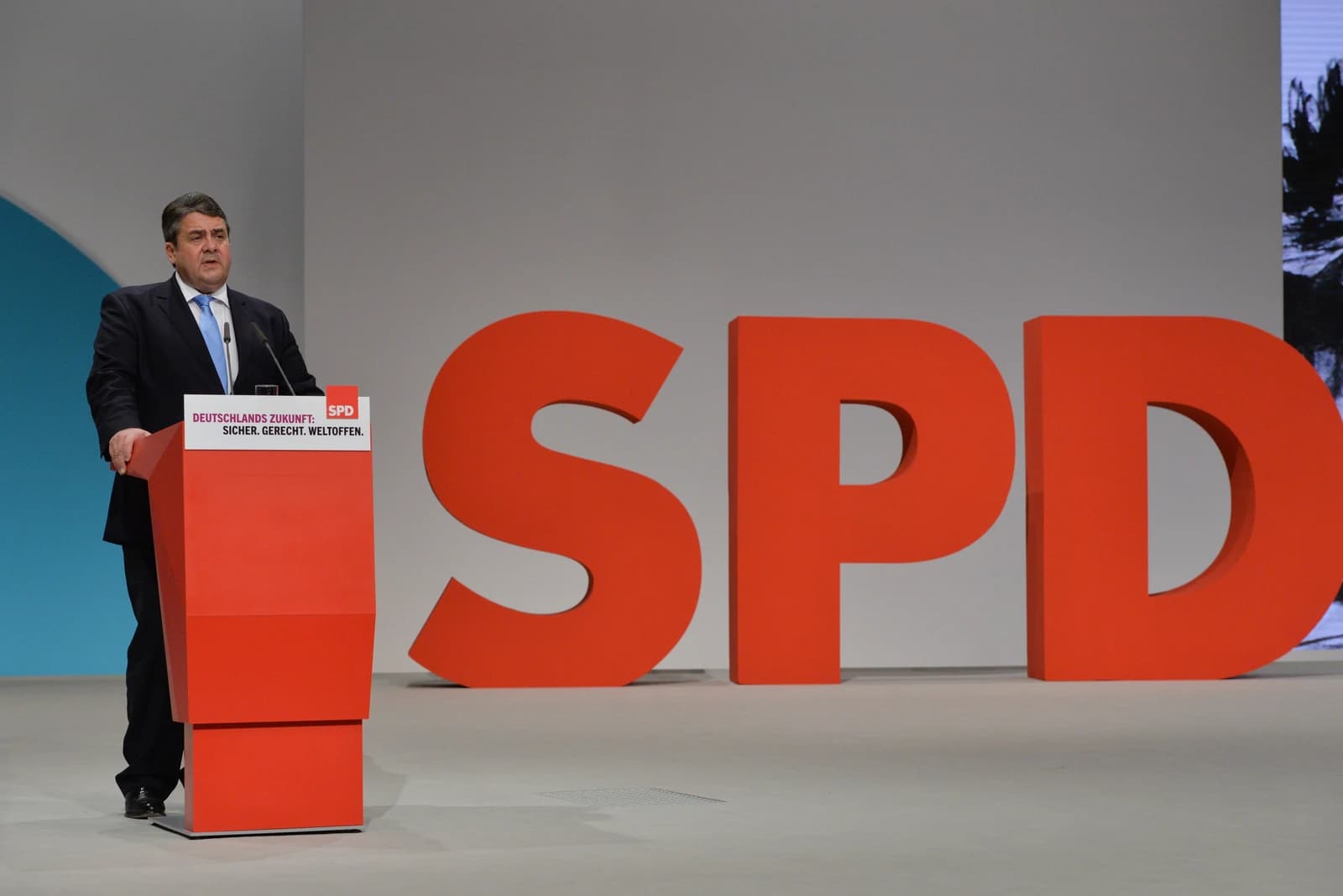
Finance Minister Lars Klingbeil’s message to lawmakers was blunt: Germany cannot protect itself with outdated limits on borrowing while facing a more dangerous security environment, heavier NATO pressure from Washington and years of underinvestment at home. The draft budget framework for 2027-2030 points to total borrowing of 838.2 billion euros, underscoring how far Berlin is prepared to go to rebuild military capacity and keep the economy functioning.
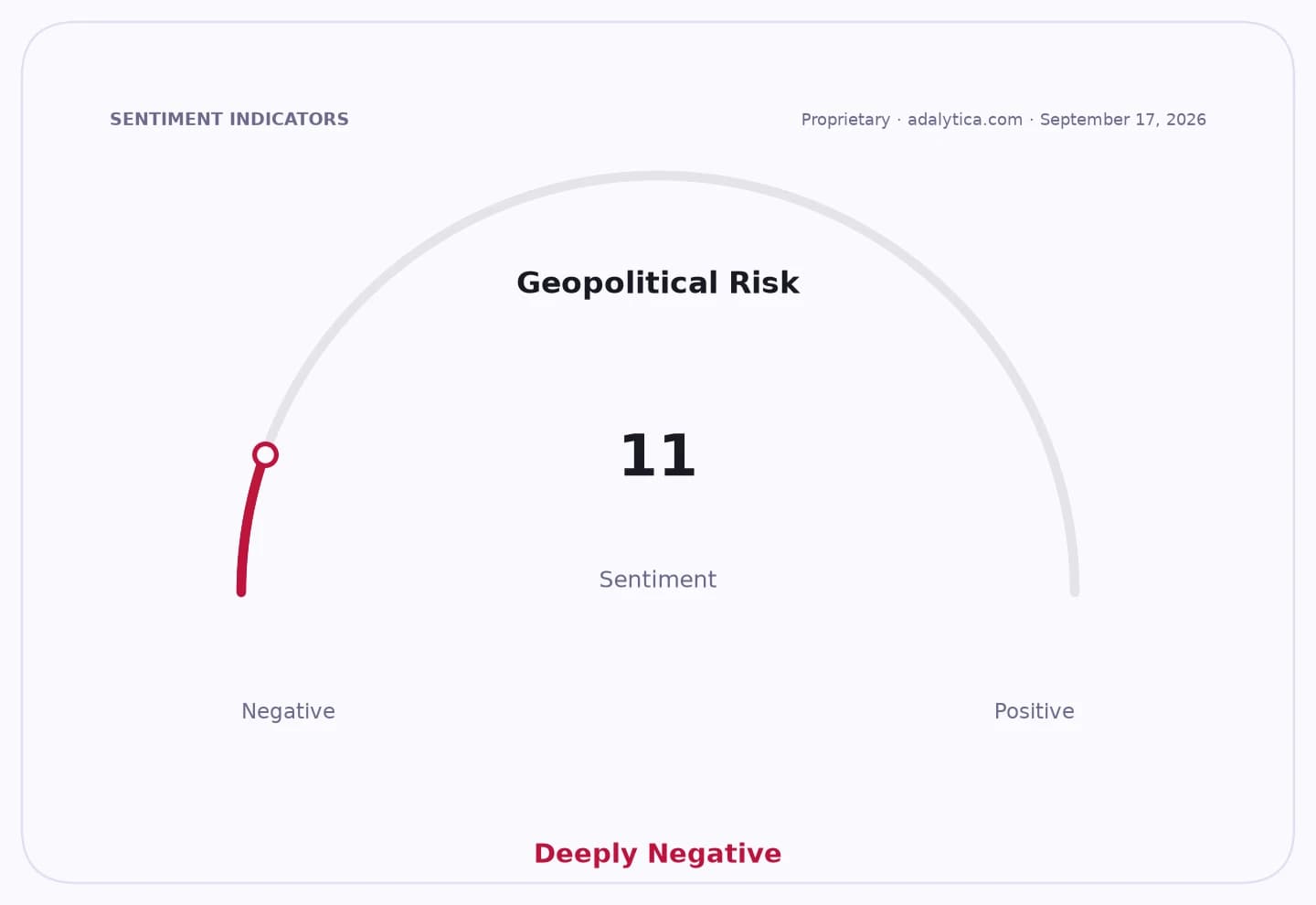
Sentiment IndicatorsⓘProprietary · adalytica.com · September 9, 2026
This is a snapshot — live sentiment, awareness and momentum for 130+ markets update continuously in the dashboard.Open AlphaPulse
That matters because Germany’s old debt aversion has long been a pillar of European fiscal discipline and a brake on public investment. Now Berlin is openly arguing that the cost of underfunded defense, weak infrastructure and energy shocks is higher than the cost of debt. Core defense spending is set to rise to 109 billion euros in 2027 from 82.2 billion euros in 2026, or 130.1 billion euros when Ukraine support and other security outlays are included. Total investment is projected to jump to 117.5 billion euros in 2027 from 78.9 billion euros in 2025, helped by a 500 billion-euro infrastructure fund and looser borrowing rules for defense.
For investors, this is not just a German budget story. It is a multi-year capital allocation shift with clear winners. Germany’s bond market will have to absorb much larger issuance, testing appetite at a time when 10-year Bund yields are already far above the zero-rate era. The broader European sovereign market is likely to stay sensitive to fiscal headlines, even as the ECB keeps a watchful eye on growth and inflation risks.
The equity angle is just as important. The market still underestimates how much of this spending wave will flow into defense, cyber security, industrial capacity, logistics and the heavy infrastructure needed to support rearmament and modernization. That creates a durable tailwind for contractors, engineering groups, network-security providers and suppliers tied to German and wider European public works. The challenge is that Germany’s economy remains sluggish, so fiscal stimulus may be doing double duty: shoring up security while trying to prevent further stagnation.
There is also a political market risk. The coalition’s push for reform and investment has not reassured voters, with the far-right AfD gaining ground in eastern state elections. That raises the odds of more domestic friction just as Berlin is trying to loosen spending discipline. Yet from an investment standpoint, the direction of travel is clear: Germany is rearming its state balance sheet to defend its strategic autonomy.
My view is that this is an inflection point for European capital flows. The next phase of the trade is not about whether Germany spends more — it already has to — but about who captures the resulting capex cycle. Investors should be looking at defense, infrastructure, industrial automation and cyber names as the structural beneficiaries of a Germany that is finally paying for security with debt. In a world of rising geopolitical risk, the cheapest way to own that theme may be through the companies that build the machinery of resilience.
| Entity | Gains | Losses |
|---|---|---|
| German defense contractors | ▲Bigger procurement budgets | ▼Fiscal restraint thesis |
| Infrastructure builders | ▲500 billion-euro fund flow | ▼Aging public assets |
| Bund investors | ▲Higher yields, more supply to trade | ▼Scarcity premium on German debt |
| EU fiscal hawks | ▲Less political leverage | ▼Debt-aversion orthodoxy |