Germany’s top audit watchdog is warning that the government is pushing the federal balance sheet toward a level of debt that could start to crowd out future spending, and that matters far beyond Berlin. If borrowing costs keep rising while new debt keeps funding day-to-day policy, the result is less room for investment, more pressure on taxes or spending cuts later, and a harder path for Europe’s largest economy to regain fiscal flexibility.
Germany audit watchdog warns on 2027 budget debt
The Bundesrechnungshof says the coalition should “leave the way into the debt trap now,” a blunt rebuke delivered just before Bundestag debate on the 2027 budget. Finance Minister Lars Klingbeil’s draft calls for 555.4 billion euros in spending and 118.7 billion euros in net new borrowing, up from a planned 98 billion euros in 2026. When fresh debt from off-budget infrastructure and defense funds is added in, total new borrowing for 2027 is expected to top 200 billion euros.
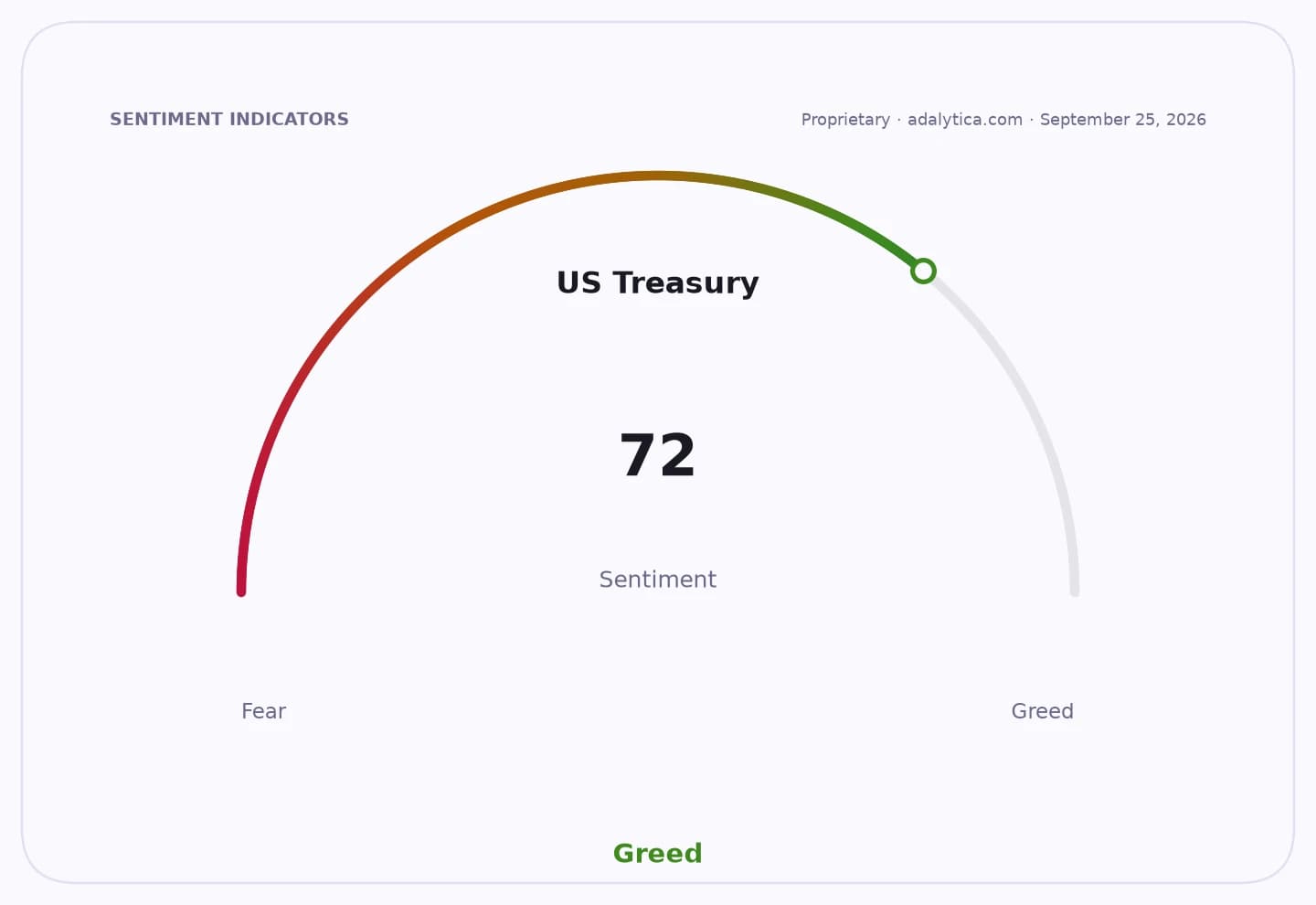
Sentiment IndicatorsⓘProprietary · adalytica.com · September 4, 2026
This is a snapshot — live sentiment, awareness and momentum for 130+ markets update continuously in the dashboard.Open AlphaPulse
That scale is the real story. Germany has long traded on the idea that its public finances are a stabilizing force in Europe. But the audit court says the coalition’s debt rule has become “largely hollowed out” and that delaying repayment of emergency loans would only deepen the problem. Its warning that federal debt could climb to 3 trillion euros by 2030 is not just a political shot across the bow; it is a reminder that interest costs compound, and once they do, governments are forced to make tougher trade-offs.
For investors, the implications are straightforward. Higher debt service can gradually squeeze room for infrastructure, industrial policy and social spending, all of which affect long-term growth. Germany is already trying to fund rearmament and repair its infrastructure base at the same time, and that mix can support selected sectors in the near term while raising questions about fiscal sustainability later. Bond investors will watch whether the market demands a higher premium for long-dated German paper, while equity investors should focus on who benefits from public spending now and who loses if future budgets get tighter.
There is also a bigger European narrative here. Germany’s fiscal stance helps set the tone for the euro area, from defense financing to infrastructure demand and the ECB’s policy backdrop. The market has been willing to tolerate heavy borrowing when it is tied to strategic spending, but the audit office’s critique suggests that investors should not assume that debt-financed growth comes free. It usually comes with a bill, and Germany is warning that the bill is getting larger.
For long-term investors, the takeaway is not to panic over one budget. It is to recognize that rising sovereign debt changes the mix of winners and losers over time: defense suppliers and some builders may benefit, but future taxpayers, rate-sensitive borrowers and holders of long-duration government debt may face more pressure. That makes Germany’s 2027 budget worth watching closely, especially if you invest with a 3- to 10-year horizon.
| Entity | Gains | Losses |
|---|---|---|
| Defense and infrastructure contractors | ▲More public spending | ▼Fiscal tightening later |
| Federal government | ▲Short-term policy flexibility | ▼Rising interest burden |
| Bondholders | ▲German debt demand | ▼Higher duration risk |
| Taxpayers and future budgets | ▲Some growth from spending | ▼Less room for services |