Global monetary policy is diverging sharply, with the Bank of Japan signaling further rate increases, China leaving borrowing costs unchanged, and European sovereign credit moving in opposite directions as France was downgraded and Greece upgraded.
BoJ Tightens, China Holds, France Downgraded

That split matters because it captures the world economy’s current fault line: inflation is still forcing some central banks to tighten, while weak domestic demand and fiscal stress are limiting how far others can move. For investors, it reinforces a market environment where duration, currencies and sovereign spreads are likely to be driven more by country-specific policy paths than by a single global rates trend.
Sentiment IndicatorsⓘProprietary · adalytica.com · September 25, 2026
This is a snapshot — live sentiment, awareness and momentum for 130+ markets update continuously in the dashboard.Open AlphaPulse
In Japan, the policy debate has shifted from whether the Bank of Japan will tighten again to how quickly it will continue. After raising its policy rate to 1.25% on Friday, Invesco’s Tomo Kinoshita said the BOJ could lift it to 1.50% in December, arguing that corporate financing conditions have barely deteriorated and that higher energy costs and yen weakness are lifting inflation risks. Societe Generale’s Jin Kenzaki went further, saying the central bank could raise rates on every other meeting through June 2027 to reach a terminal rate of 2%. Both views underline how the BOJ is moving away from emergency-era policy and toward a more conventional tightening cycle, even as Governor Kazuo Ueda stressed that the key question is whether underlying inflation can stay near the 2% target, with spring wage talks likely to be decisive.
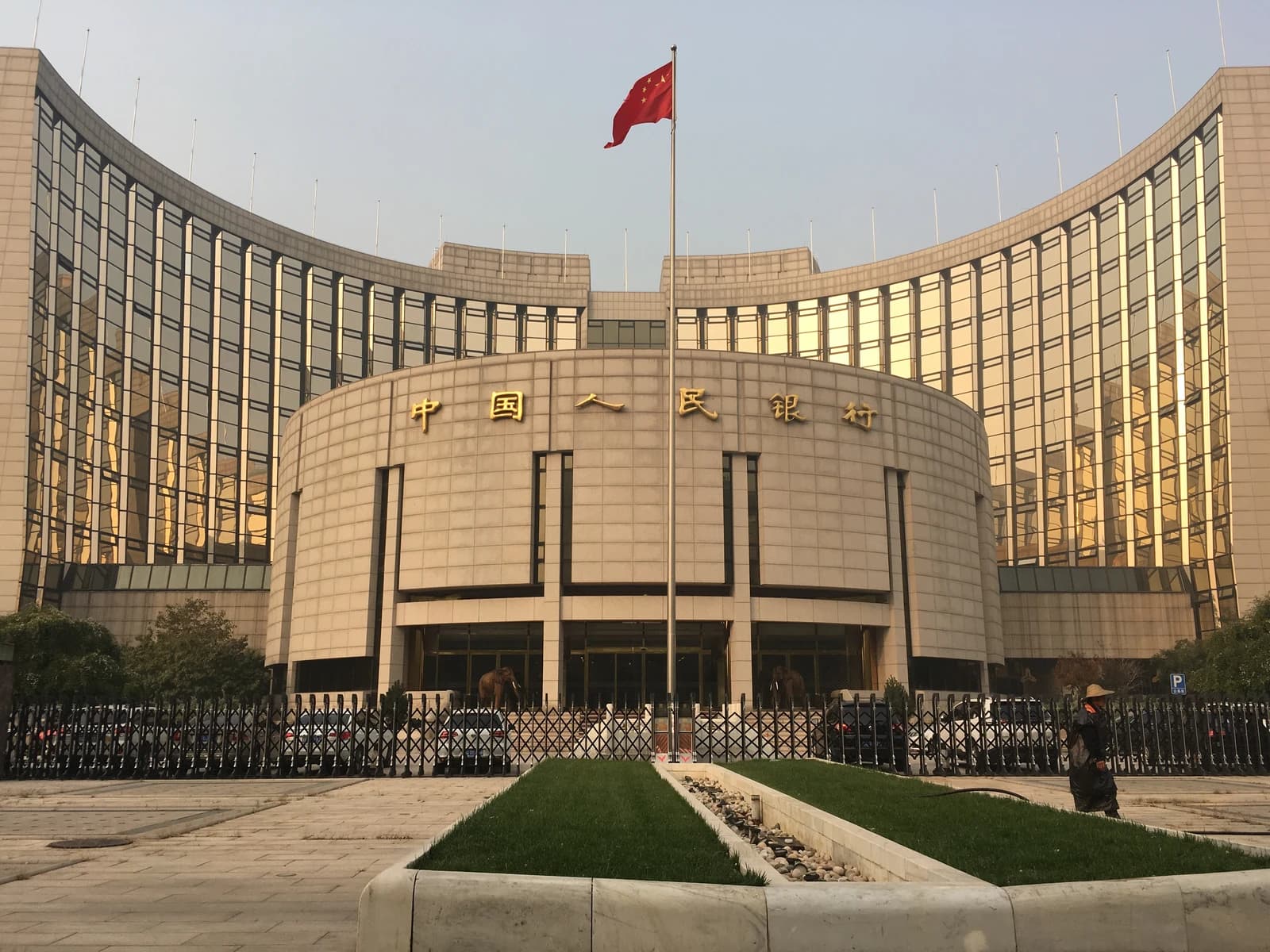
China, by contrast, is keeping policy steady despite signs of strain in domestic demand. The People’s Bank of China left the one-year loan prime rate at 3.00% and the five-year rate at 3.50%, indicating reluctance to deliver near-term stimulus even as consumption and investment remain soft. Robust exports have so far cushioned growth, but the decision suggests Beijing is still leaning on external demand rather than easing aggressively. That may help support the yuan and limit further pressure on Chinese banks’ margins, but it also leaves growth more exposed if trade conditions weaken.
The European credit picture is moving in the opposite direction. Scope cut France’s long-term sovereign rating to A+ from AA-, citing a primary budget deficit that remains well above pre-pandemic levels, averaging 3.6% of GDP over the past three years versus 1.1% before the crisis. The downgrade is a reminder that fiscal credibility can erode even in core euro-zone borrowers, especially when political fragmentation makes consolidation harder. In the same week, Scope lifted Greece to BBB+ from BBB, citing faster debt reduction, solid primary surpluses and stronger growth supported by reform and EU funds. Greece’s debt ratio is projected to fall from 146.1% of GDP in 2025 to about 136% in 2026, a notable reversal from the sovereign stress that defined the country for much of the past decade.
The message for markets is that sovereign risk is no longer being priced as a single bloc. Japan’s tightening path points to higher yields and a potentially firmer yen if rate differentials narrow further. China’s hold means policy support remains limited, keeping pressure on cyclical assets tied to domestic demand. In Europe, France’s downgrade may widen borrowing spreads and raise scrutiny of fiscal plans, while Greece’s upgrade could attract more flows into lower-rated euro-area debt.
For equities and bonds, the implication is straightforward: investors will need to separate countries and central banks rather than trade the macro as one story. The next catalysts are the BOJ’s December meeting, any shift in China’s growth data that forces a policy response, and whether France’s political backdrop allows meaningful budget repair before rating pressure spreads further.
| Entity | Gains | Losses |
|---|---|---|
| Bank of Japan | ▲Tighter inflation control | ▼Borrowers and rate-sensitive assets |
| China PBoC | ▲Financial stability and yuan support | ▼Domestic demand and growth momentum |
| France | ▲Short-term policy flexibility | ▼Sovereign credit profile |
| Greece | ▲Lower funding costs | ▼Less than before, but still high debt burden |