Higher borrowing costs are steadily making home loans more expensive for Italian households, adding about 540 euros a year to a typical mortgage and deepening a debt burden that is already stretching family budgets and weighing on consumption.
Italian mortgages get more expensive as ECB rates rise
The jump stems from the European Central Bank’s tighter policy stance, which has fed through into mortgage pricing just as inflation and geopolitics keep rates elevated. A Credipass simulation cited by Il Sole 24 Ore showed that a 130,000-euro mortgage over 300 instalments would rise in total cost to 196,865 euros if taken out in October, from 187,765 euros in February, a difference of 9,100 euros over 25 years.
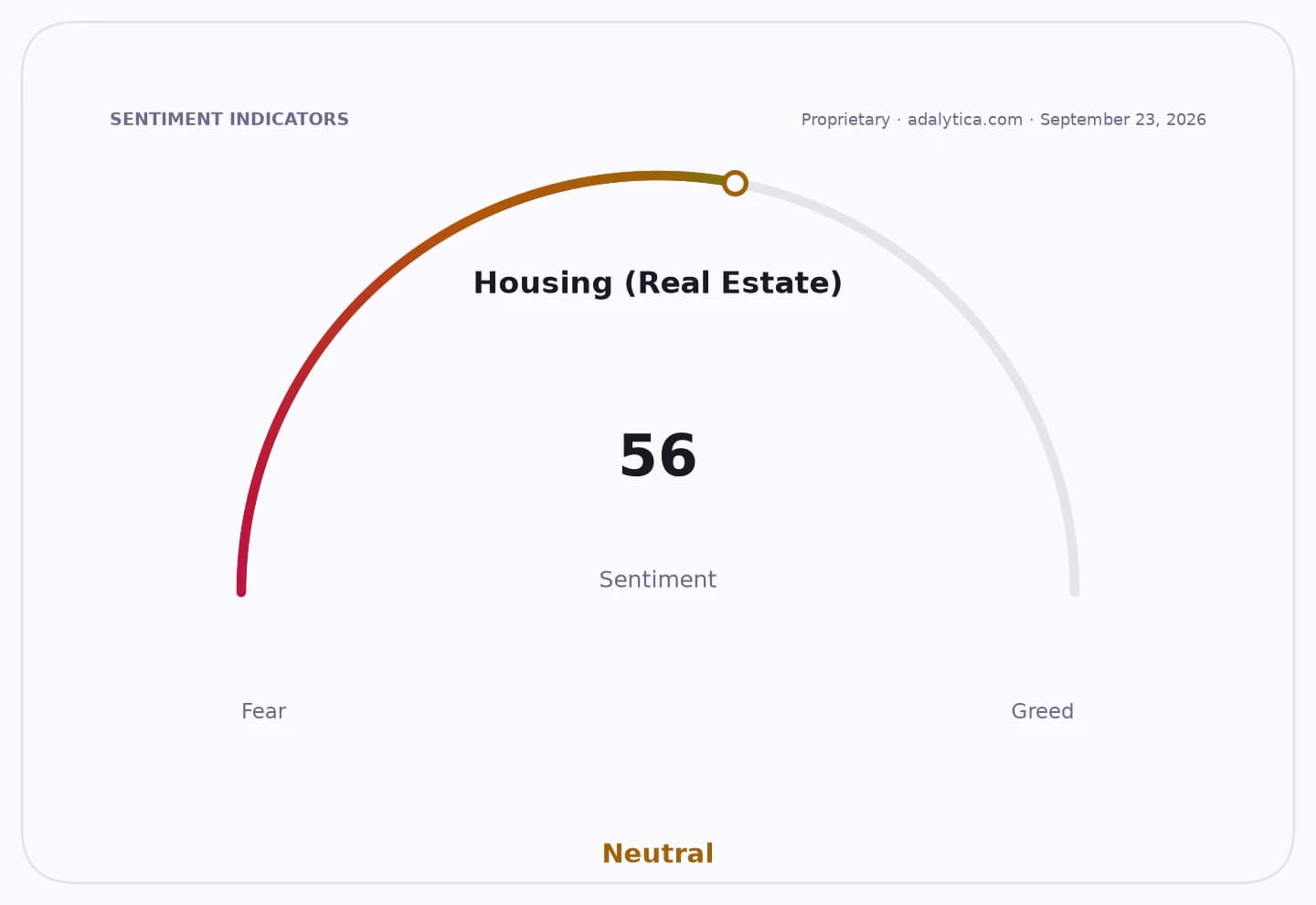
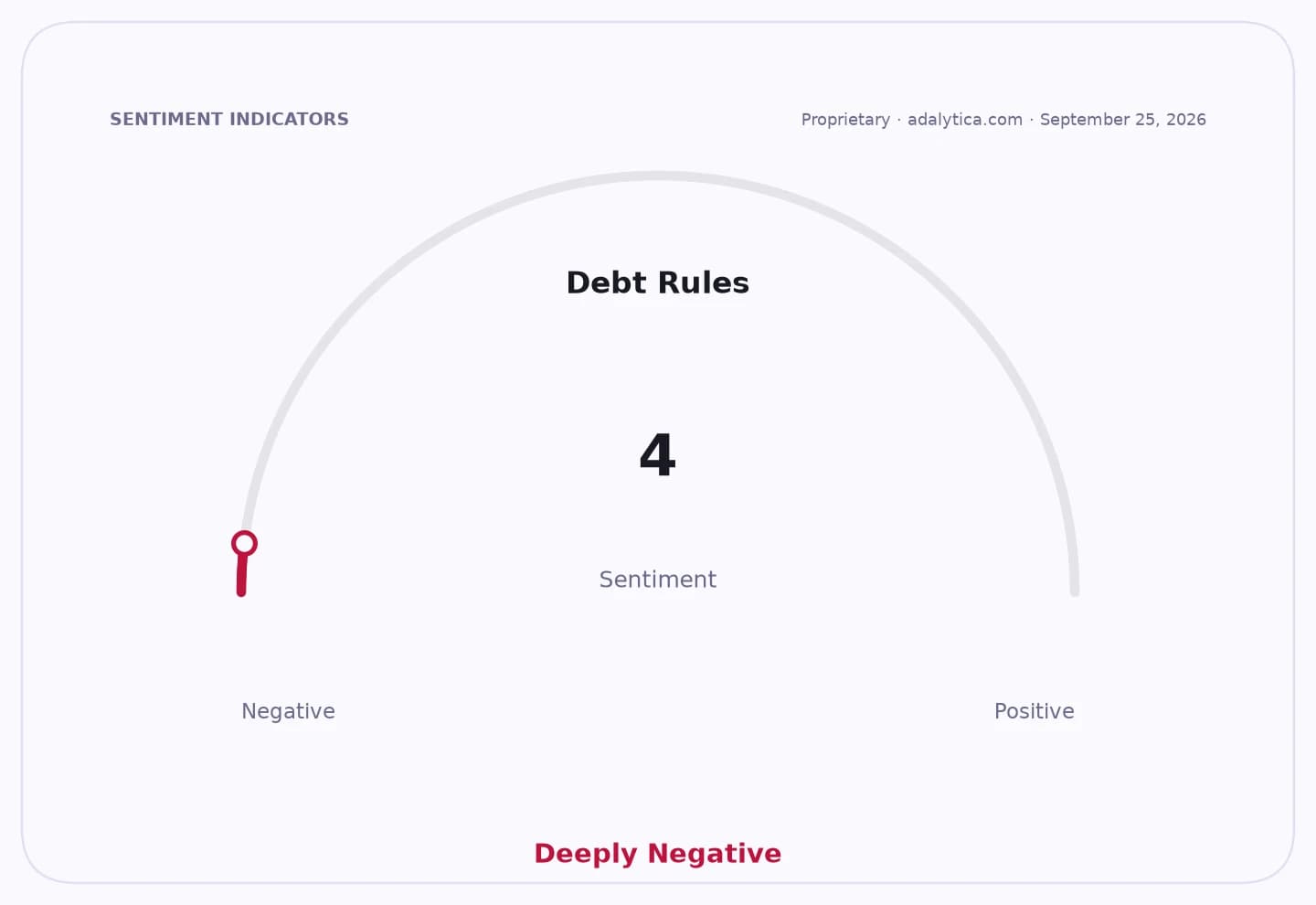
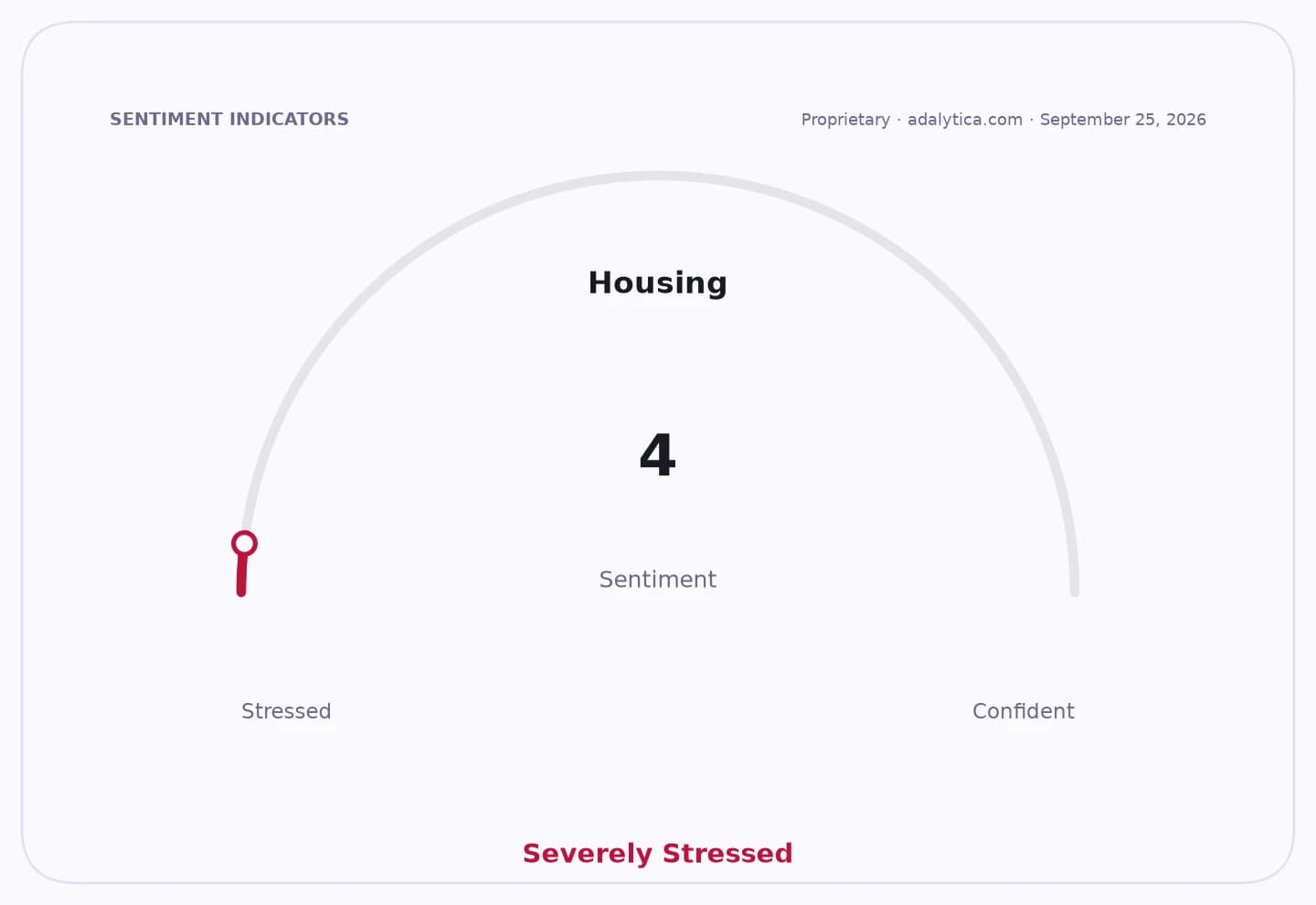
Sentiment IndicatorsⓘProprietary · adalytica.com · September 25, 2026
This is a snapshot — live sentiment, awareness and momentum for 130+ markets update continuously in the dashboard.Open AlphaPulse
For borrowers who locked in fixed rates in February, the change is even starker: the same loan would cost 13,489 euros more if taken out in October, or roughly 45 euros a month. That may sound manageable in isolation, but it lands on top of higher energy, fuel and utility bills and leaves households with less room to spend elsewhere, a direct drag on domestic demand in an economy that is already vulnerable to weak consumption.
The pressure is especially acute for borrowers on floating-rate mortgages, who absorb central bank tightening more quickly than fixed-rate customers. It also helps explain why requests to extinguish mortgages by households without sufficient income have surged 630% in five years, according to the report. In a country where home ownership is often financed over long horizons, even modest rate increases can materially alter affordability and debt service capacity.
The strain is not evenly spread across Italy. Il Sole 24 Ore’s provincial map of indebtedness suggests it can take more than 30 monthly salaries to pay off a mortgage in Trento and Rimini, versus as few as 13 in places such as Biella and Frosinone. The gap reflects regional differences in house prices, wages and borrowing appetite, but it also underscores how rate increases amplify existing geographic disparities in housing affordability.
For investors, the key implication is that mortgage stress is no longer just a household issue. It feeds directly into the outlook for Italian consumer spending, bank credit quality and housing-related activity. Lenders may face slower loan growth if affordability weakens demand, while banks with more exposure to floating-rate borrowers could see a deterioration in delinquency trends if rates stay high for longer.
There is a partial offset for lenders in higher margins on new lending, but that benefit is limited if origination volumes soften or arrears rise. In the broader market, the story reinforces the case for caution on sectors tied to Italian household balance sheets, while supporting demand for assets that benefit from a higher-for-longer rate environment.
The central question now is how long the ECB keeps policy restrictive. If inflation proves sticky and geopolitical risks keep borrowing costs elevated, the squeeze on Italian households will deepen further, with more pressure on consumption, housing turnover and mortgage affordability.
| Entity | Gains | Losses |
|---|---|---|
| Italian banks | ▲Higher loan yields | ▼Weaker mortgage demand |
| Homeowners with fixed rates | ▲Rate protection | ▼Higher upfront costs |
| Floating-rate borrowers | ▲— | ▼Bigger debt service burden |
| Italian retailers/consumers | ▲— | ▼Softer household spending |