Germany’s far-right surge is now being framed less as a temporary protest vote than as a sign that the country’s liberal-democratic system is losing its ability to represent broad parts of society, a shift that carries political risk well beyond Berlin and is rippling into European assets.
Germany AfD surge rattles politics and EWG sentiment

A new analysis cited by Turkey’s National Intelligence Academy argues that the rise of the Alternative for Germany, or AfD, is not the cause of Germany’s political rupture but the result of a deeper legitimacy crisis in mainstream democracy. That matters because it shifts the debate from whether the AfD can win office to whether its rhetoric is already reshaping the political center, migration policy and the meaning of citizenship in Europe’s biggest economy.
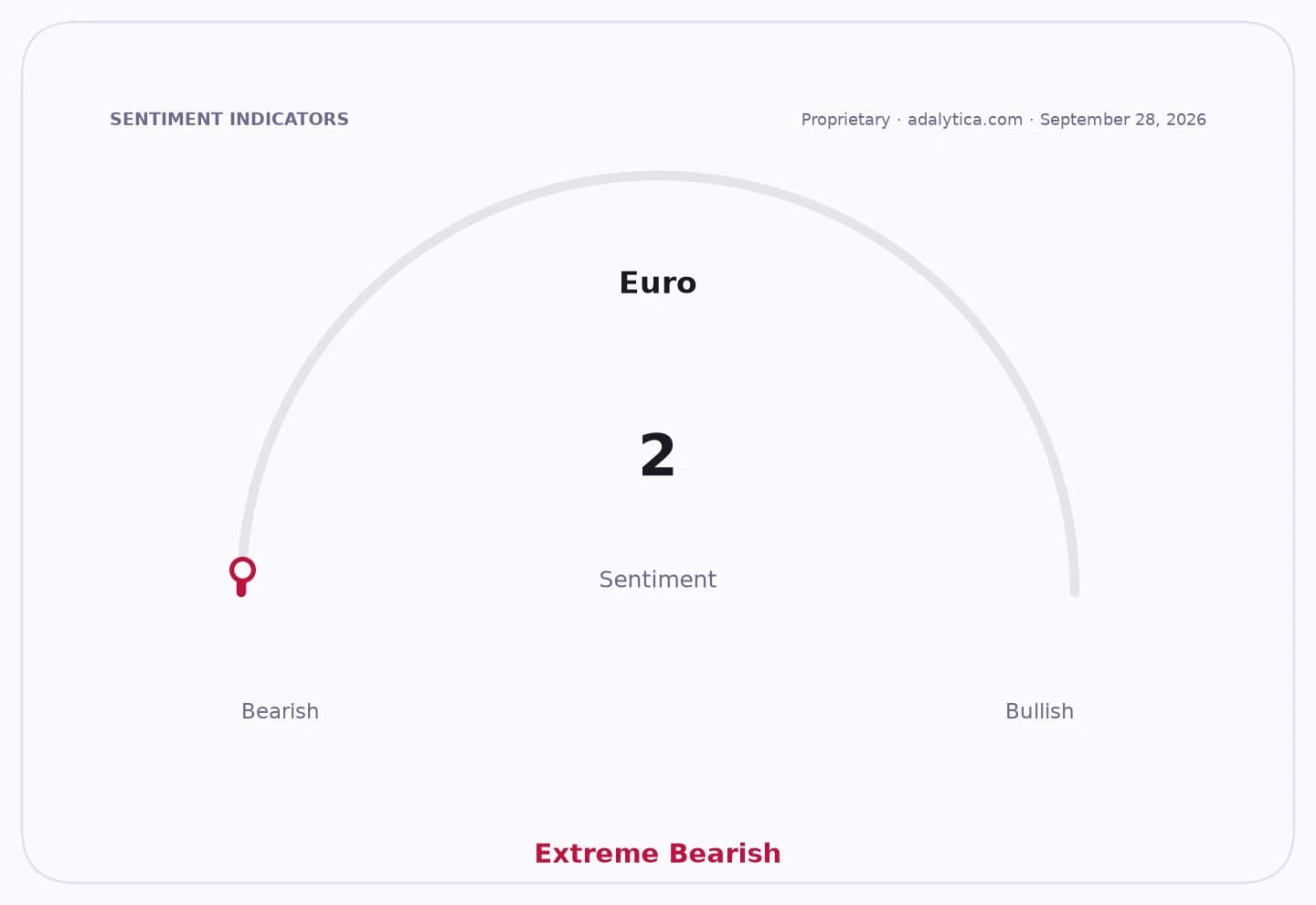
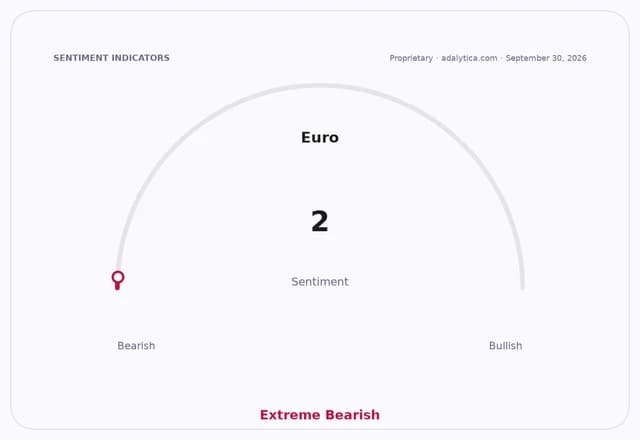
Sentiment IndicatorsⓘProprietary · adalytica.com · September 30, 2026
This is a snapshot — live sentiment, awareness and momentum for 130+ markets update continuously in the dashboard.Open AlphaPulse
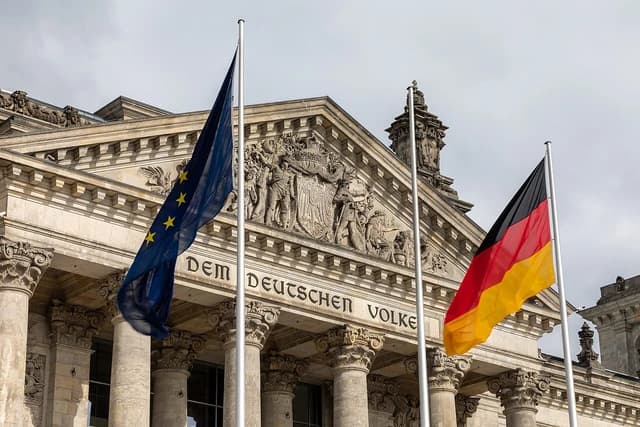
The report links the party’s ascent to structural tensions that crises such as the 2008 financial shock, the 2015-16 migration wave, the pandemic and the war in Ukraine merely exposed. It says support for the AfD is driven less by income or unemployment than by relative-status anxiety, cultural displacement and a perception that established parties no longer produce fair representation.
That has implications for investors because Germany sits at the core of the euro area, and a more polarized domestic politics can make it harder to push through defense, technology and industrial policy needed for growth. It also raises the odds that mainstream parties harden their stance on immigration and sovereignty, potentially widening policy uncertainty for employers, exporters and sectors reliant on skilled foreign labor.
Geopolitical Risk vs EWGadalytica.com
Explore this data interactively — full history, time series and cross-market comparisons.Open AlphaPulse
The analysis also warns that the effects extend past Germany’s borders. Rather than a near-term exit from the European Union, the bigger risk is that the logic of integration itself is altered from within as nationalist and sovereignty-first politics gain ground across the bloc.
For Türkiye, the report says the AfD’s view is split: culturally outside Europe, but strategically and economically important. That could push EU-Türkiye ties further toward selective cooperation on trade, migration, security, energy and regional crises, rather than deeper membership-driven integration.
Markets have already been signaling caution around Germany-focused exposure. The iShares MSCI Germany ETF, EWG, fell to $41.31 on Sept. 30 from $42.13 two days earlier and is trading below its 50-day moving average of $43.09, while its RSI reading of 34.1 points to weak momentum. The ETF remains above its 200-day average of $41.87, suggesting investors are not abandoning German equities outright, but the recent drift lower reflects nerves around political and growth risks.
The DAX-linked fund tracked in the data also slipped to 44.00 from 44.88 over the same period, with its RSI at 33.8 and price below the 50-day moving average of 46.09. Adalytica’s Global Stability Sentiment gauge sits at 68, or neutral, but its awareness reading is in “Extreme Fear” at 4, underscoring elevated attention to geopolitical and political risk.
The key question for investors is whether Germany’s center holds or whether the AfD’s language on belonging, citizenship and national identity becomes normalised even without the party entering government. If mainstream parties respond by moving further right, the analysis warns, they may validate the very politics they are trying to contain.
| Entity | Gains | Losses |
|---|---|---|
| AfD and far-right blocs | ▲Broader legitimacy | ▼Isolation from mainstream |
| Germany’s centrist parties | ▲Short-term coalition defense | ▼Policy clarity and trust |
| EWG / Germany equities | ▲Stability if centrist response holds | ▼Lower sentiment on politics risk |
| EU integration advocates | ▲Stronger case for reform | ▼A more nationalist policy climate |