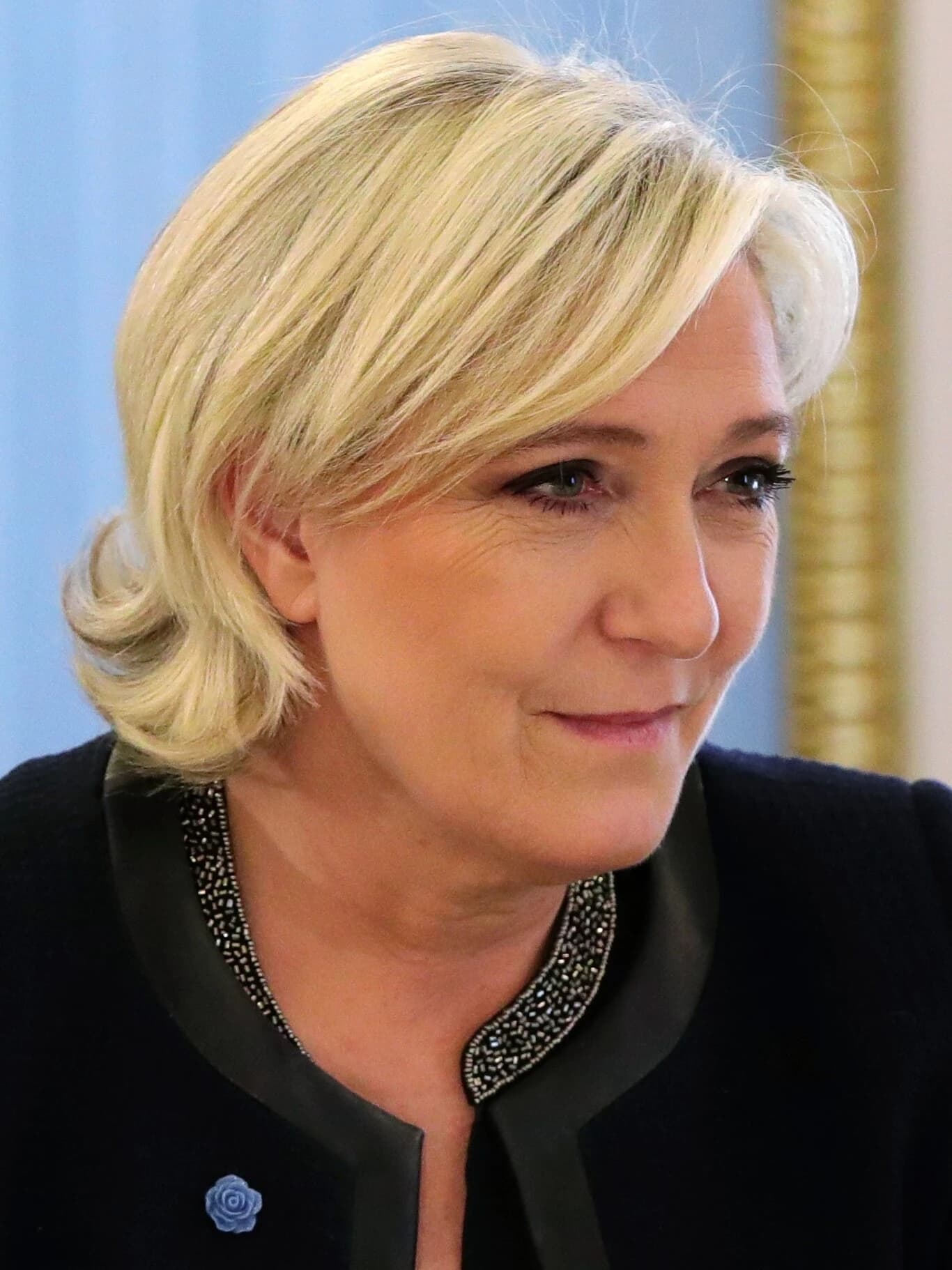
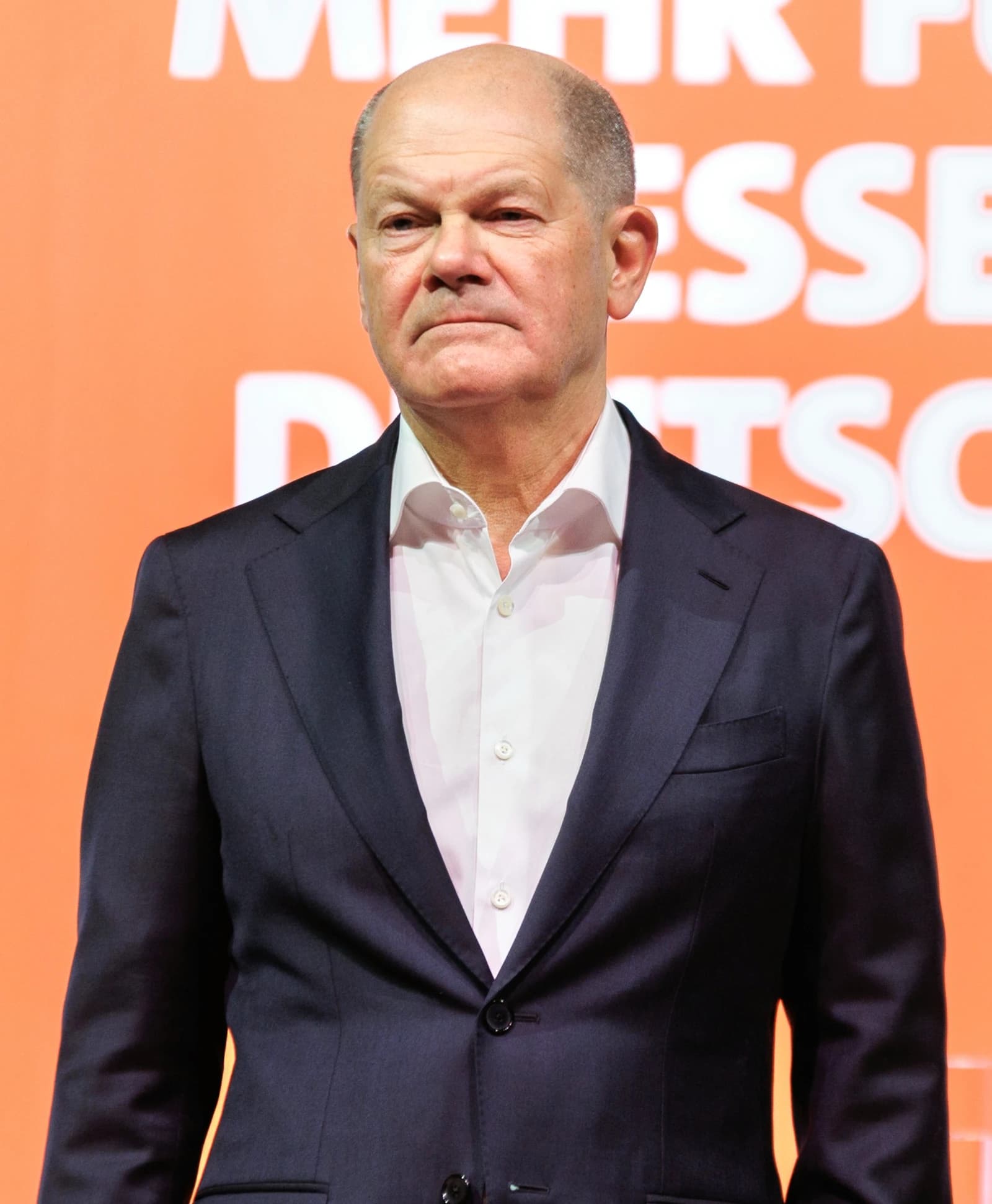
Germany’s governing parties face a sharper political risk after the far right’s victory in an eastern state election underscored how deeply anger over migration, inflation and stagnant growth is reshaping the country’s political map.
Germany Election Raises Policy Risk for Euro Assets
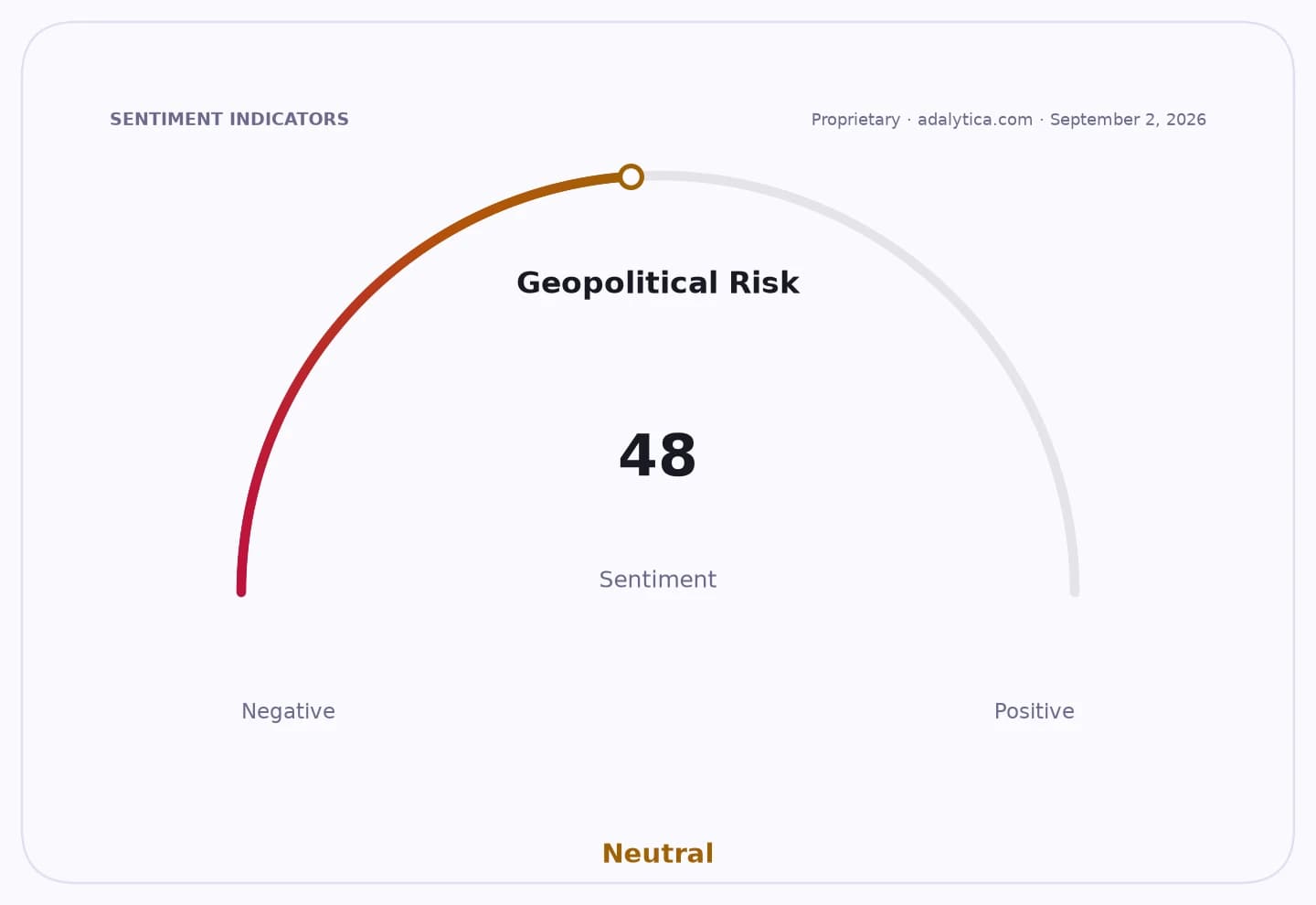
The result matters well beyond regional politics. Germany is Europe’s largest economy and its central political anchor, and a stronger showing by the far right raises the odds of more fractured coalition building, slower policymaking and greater resistance to the fiscal and industrial policy shifts Berlin needs to revive growth. For investors, that translates into more uncertainty around German domestic demand, public investment and the broader stability premium attached to euro-area assets.
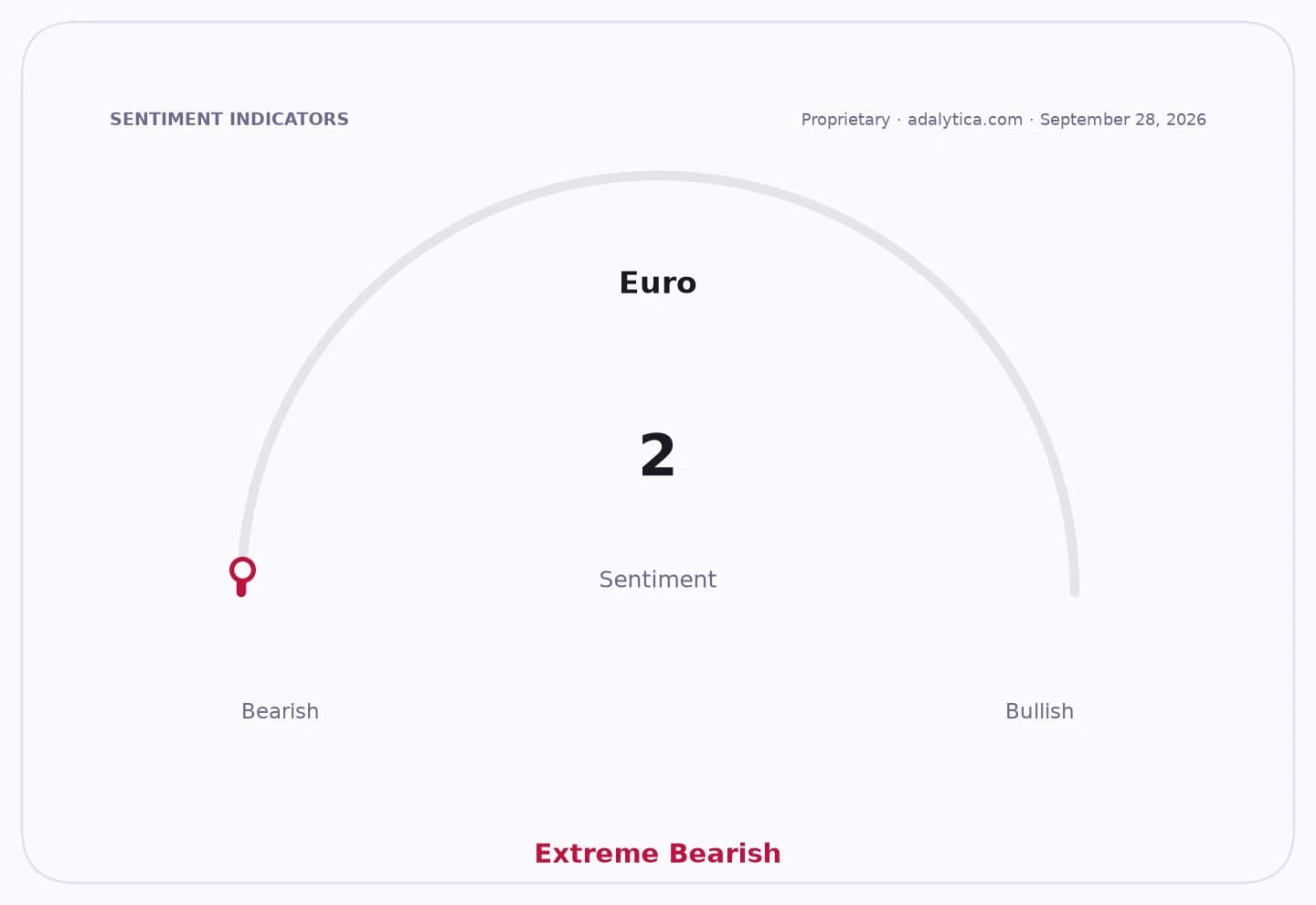
Sentiment IndicatorsⓘProprietary · adalytica.com · September 28, 2026
This is a snapshot — live sentiment, awareness and momentum for 130+ markets update continuously in the dashboard.Open AlphaPulse
The vote fits a wider pattern in which voters in eastern Germany have increasingly punished mainstream parties over living standards and confidence in the federal government. That leaves centrists with fewer easy governing combinations and more pressure to respond to popular anger without appearing to validate the far right’s agenda. The risk is not just electoral. A more unstable political center can make it harder to deliver on labor-market reforms, energy policy, defense spending and infrastructure investment at a time when the economy is already struggling for momentum.
That is why the election reverberates in markets even if it does not immediately move prices. Adalytica’s euro trade signals show the currency under heavy pressure, with sentiment at 2 on a scale that indicates extreme fear and awareness still low. While those are sentiment gauges rather than hard-market indicators, they capture the backdrop of caution around Europe’s policy outlook. Investors tend to demand a higher risk premium when the region’s largest economy looks politically constrained and structurally weak.
Euro — 30-day sentimentadalytica.com
Explore this data interactively — full history, time series and cross-market comparisons.Open AlphaPulse
There is also a broader geopolitical read-through. A stronger far right in Germany can complicate support for Ukraine, migration policy and relations within the European Union, all of which depend in part on Berlin’s willingness to compromise and lead. Even if national power remains with mainstream parties, repeated gains by anti-establishment forces can shape the policy debate and narrow the room for maneuver in coalition talks.
For investors, the bull case is that mainstream parties can still contain the far right by addressing voter concerns on growth, security and migration. The bear case is that every fresh protest vote deepens paralysis, delays reform and keeps Europe’s largest economy stuck below potential. The immediate market message is less about one state and more about a country where political fragmentation is becoming an economic variable.
| Entity | Gains | Losses |
|---|---|---|
| Far-right parties | ▲Voter momentum | ▼Political isolation |
| Centrist parties | ▲Urgency to regroup | ▼Electoral support |
| German economy | ▲Pressure for change | ▼Policy stability |
| Euro / Europe | ▲— | ▼Risk premium, confidence |