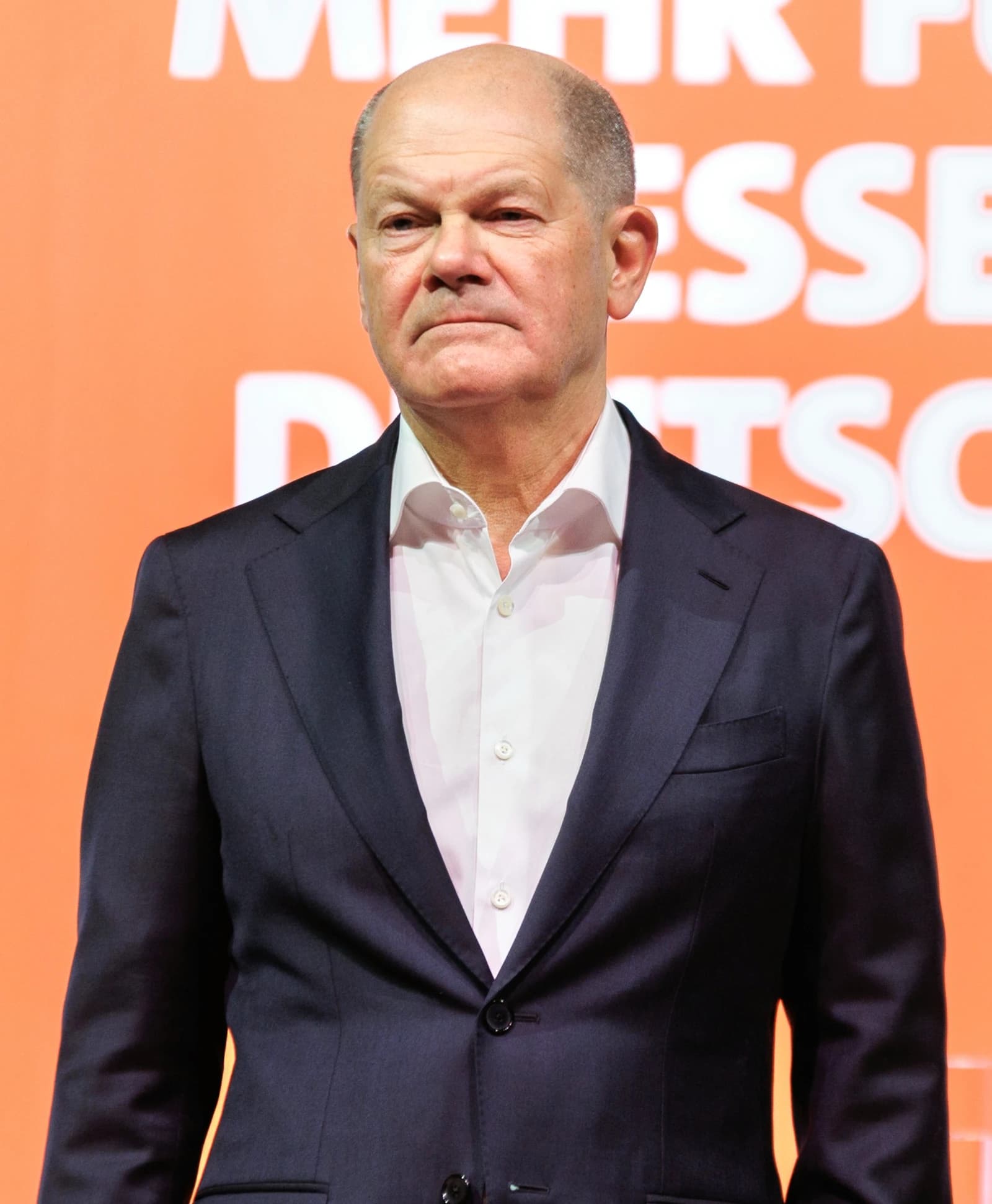
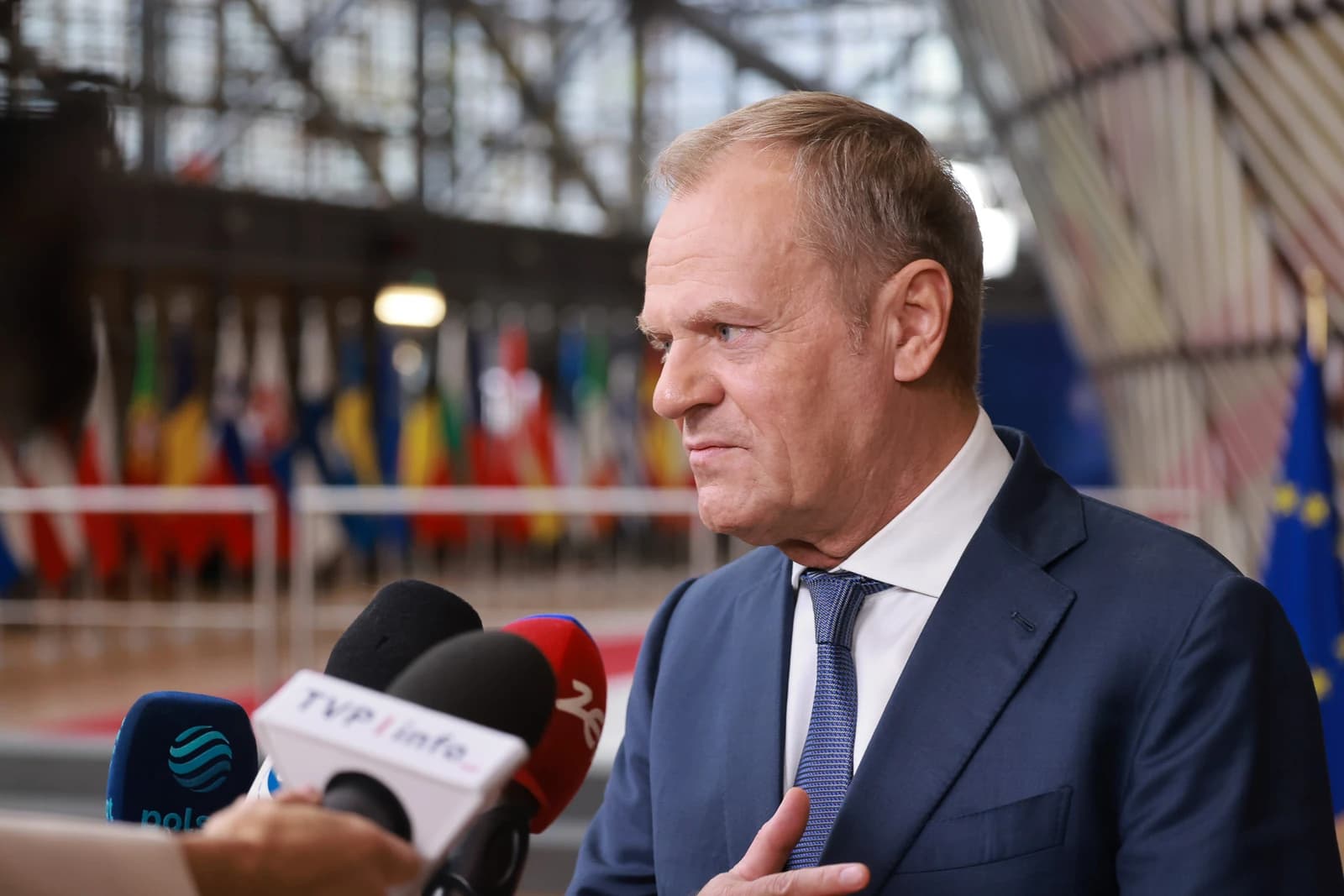
Europe’s far right is gaining momentum as voters frustrated by economic insecurity, immigration and cultural change embrace parties that promise a return to a more defined national identity, a shift that could reshape elections from Germany to France next year.
Germany AfD Surge Raises Europe Political Risk
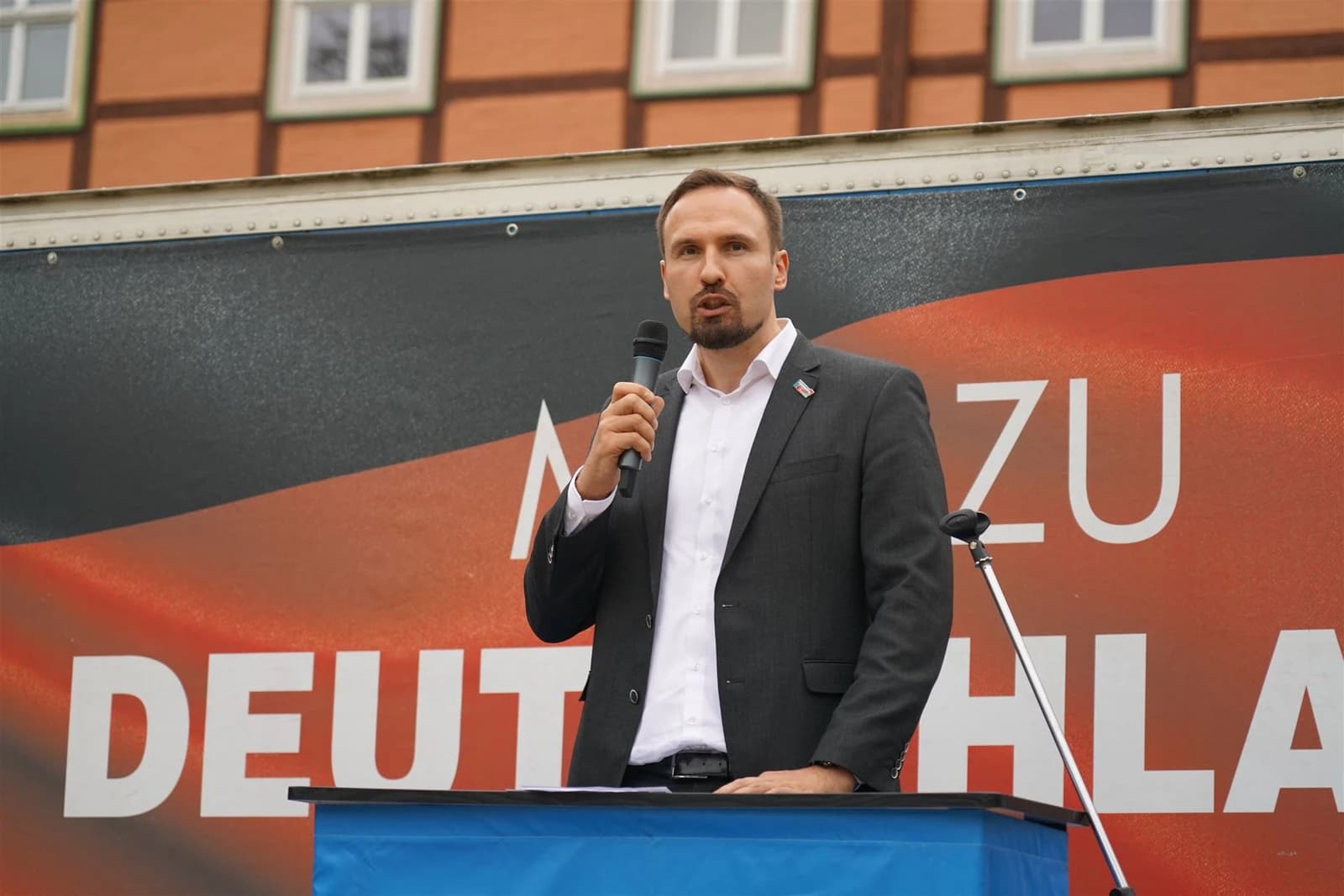
The clearest warning sign is Germany, where the Alternative for Germany has become the country’s most popular party in polls and is now within reach of leading a state government for the first time after strong results in two weekend elections. That matters economically because political fragmentation in Europe’s biggest economy can complicate policymaking on migration, labor supply, industrial support and fiscal discipline at a time when growth is already weak and investors are watching for more volatility in the euro area.
Sentiment IndicatorsⓘProprietary · adalytica.com · September 26, 2026
This is a snapshot — live sentiment, awareness and momentum for 130+ markets update continuously in the dashboard.Open AlphaPulse

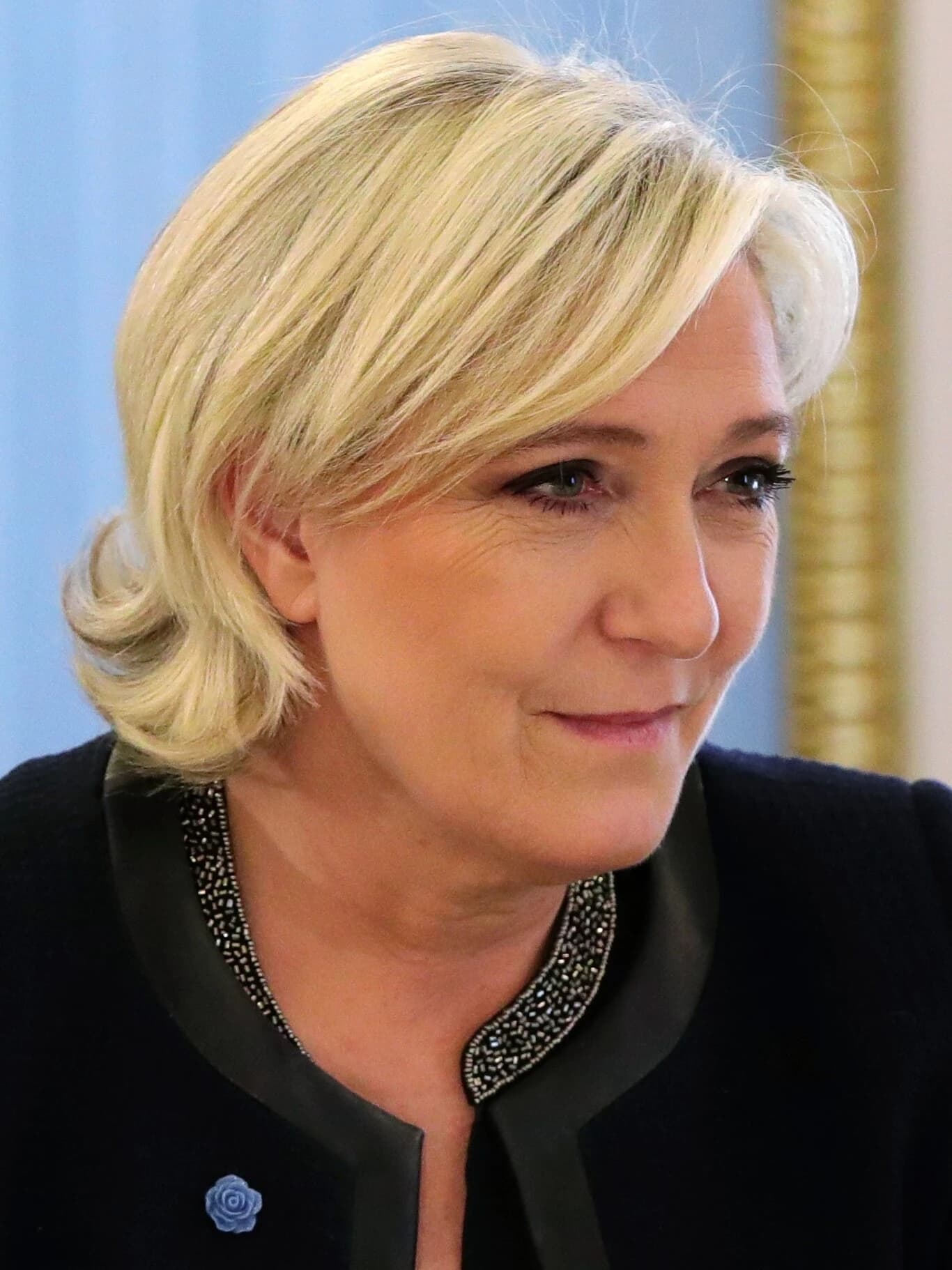
The AfD’s rise also highlights a broader European pattern: far-right parties are no longer only campaigning on anti-immigration platforms, but on restoring pride, history and belonging. In France, Marine Le Pen’s National Rally leads polling ahead of next year’s presidential race, while similar messages are gaining traction in the Netherlands, Sweden and Britain, where parties are tying globalization and Brussels to falling national control.
That narrative is strongest in eastern Germany, where resentment over unification, population loss and long-running economic decline has created a reservoir of nostalgia that far-right politicians exploit. Analysts say the appeal is less about a literal return to the past than a reaction against liberal multiculturalism and what many voters see as a political elite that dismissed their concerns.
Geopolitical Risk — 30-day sentimentadalytica.com
Explore this data interactively — full history, time series and cross-market comparisons.Open AlphaPulse

For investors, the political risk is less about a single election than the cumulative effect on Europe’s policy path. A stronger far right can mean tougher immigration rules, more pressure on EU institutions and greater uncertainty around budget policy, trade and relations with the U.S., all of which can affect currencies, sovereign spreads and the outlook for industrial and consumer sectors exposed to labor shortages and domestic demand.
The theme is also being reinforced by global politics. Figures in Donald Trump’s Maga movement, including JD Vance and Marco Rubio, have echoed arguments about civilizational decline and Christian identity, giving Europe’s far right a wider transatlantic vocabulary just as its leaders prepare for a crowded election calendar in 2026.
With Germany, France, Italy, Poland and Spain all heading toward major votes, the central question for markets is whether anti-establishment parties can convert identity politics into governing power. If they do, Europe’s policy mix could shift further right, with consequences for the euro, bond markets and the region’s ability to respond to sluggish growth and social strain.
| Entity | Gains | Losses |
|---|---|---|
| AfD and other far-right parties | ▲Poll support, governing prospects | ▼Democratic mainstream |
| Centrist governments in Europe | ▲None | ▼Policy control, voter trust |
| Euro area markets | ▲Clearer election pricing | ▼Stability, policy certainty |
| Immigration-reliant economies | ▲None | ▼Labor supply, social cohesion |