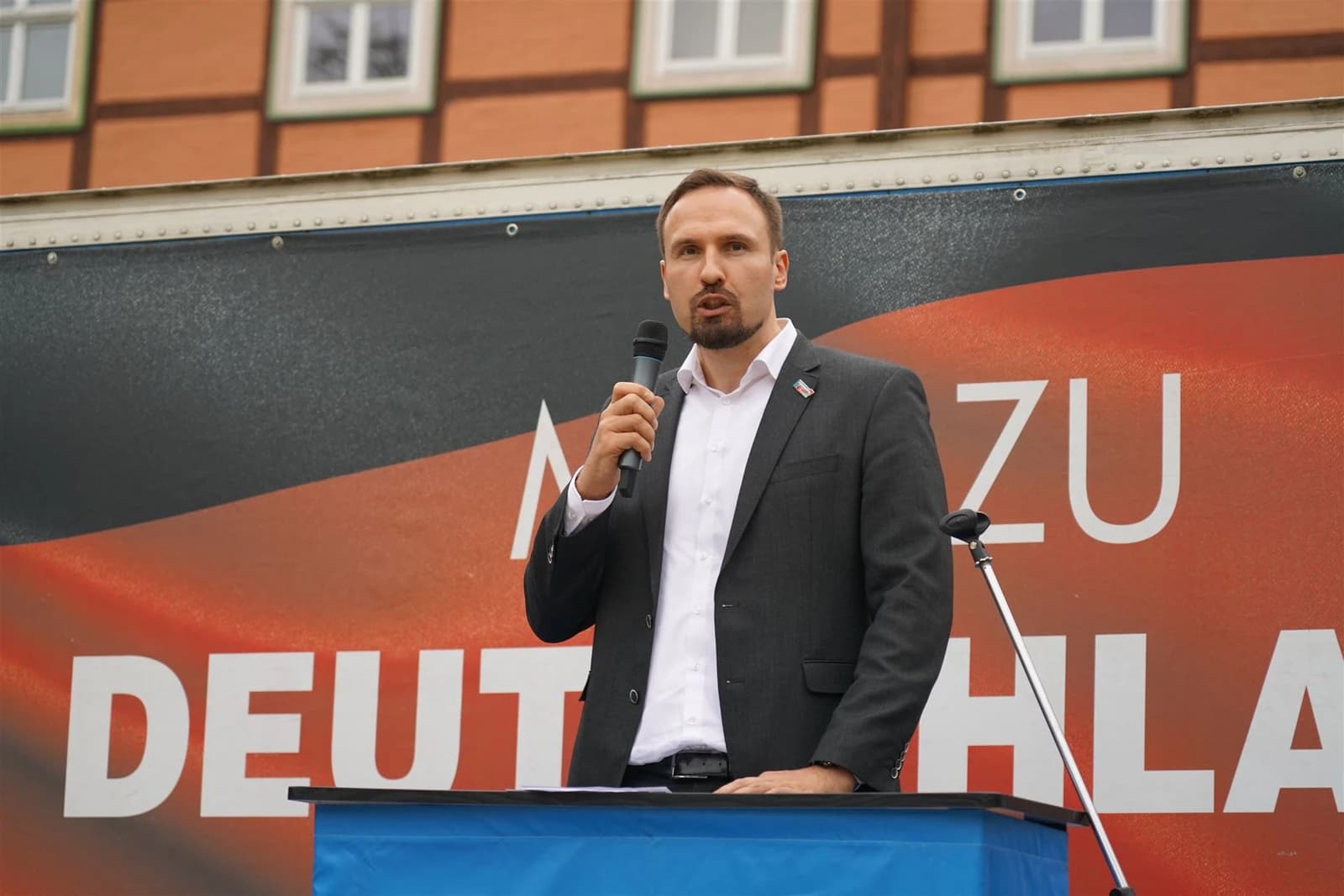
Germany’s far-right Alternative for Germany is gaining ground not just because of culture-war politics, but because too many voters think the country’s mainstream, including nominally left and social-democratic governments, has failed on the basics of wages, growth and security.
Germany AfD gains amid economic discontent
That matters economically because Germany is still Europe’s industrial anchor, and when its voters turn against the parties that have managed the postwar model, the pressure builds for sharper shifts in fiscal policy, migration policy and industrial support. The result is a less predictable policy mix just as Europe is already struggling with weak demand, energy costs and slowing trade.
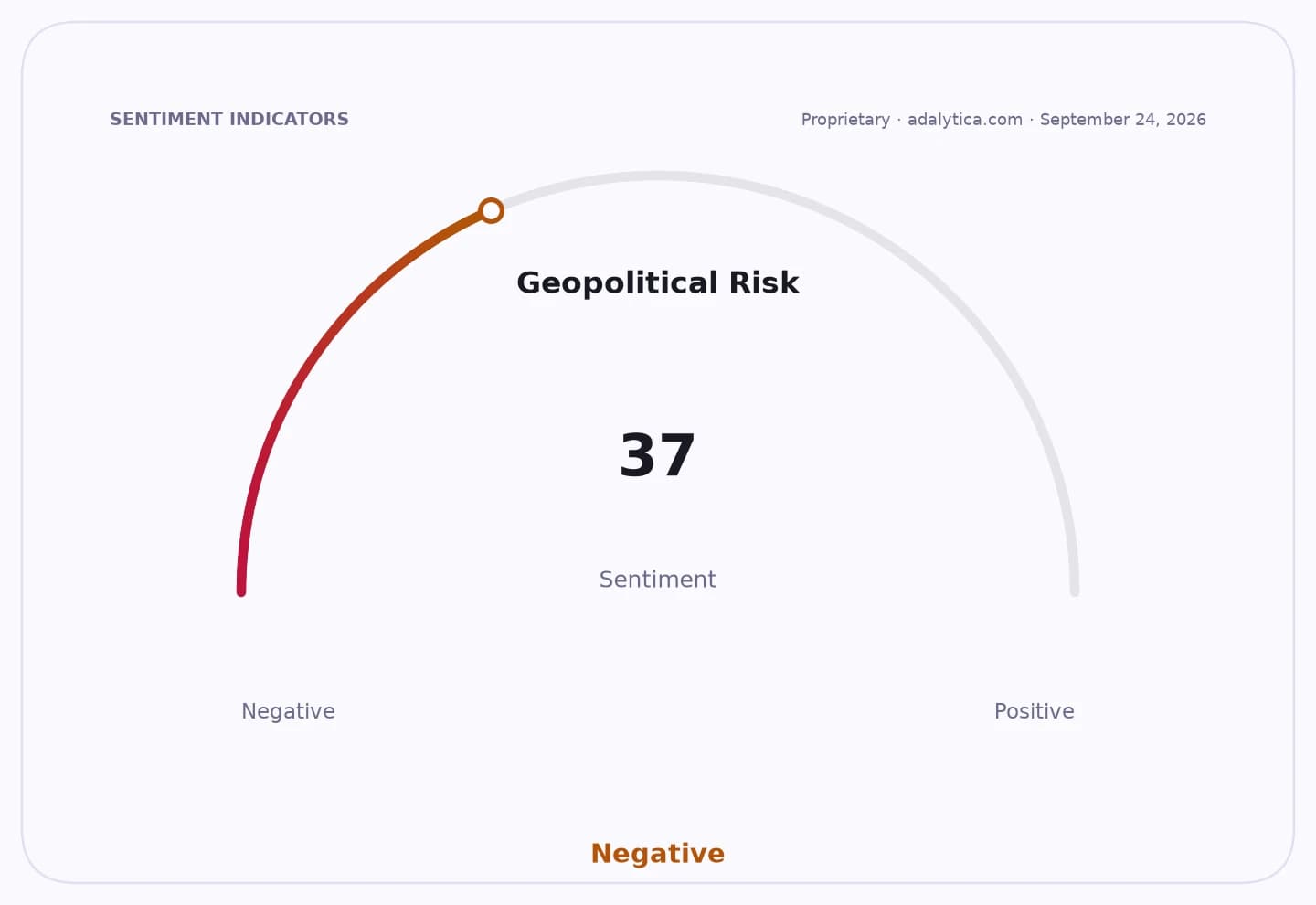
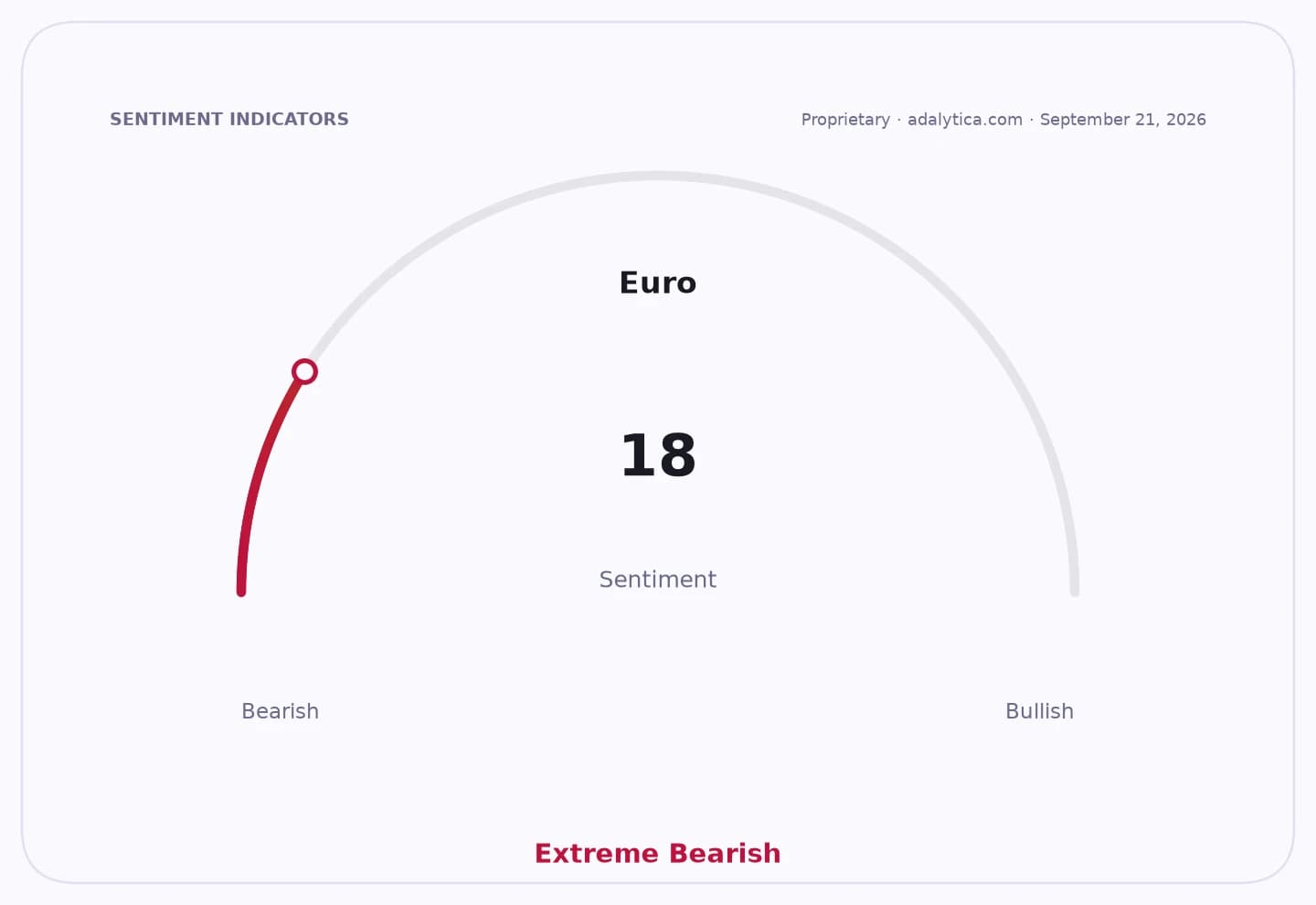
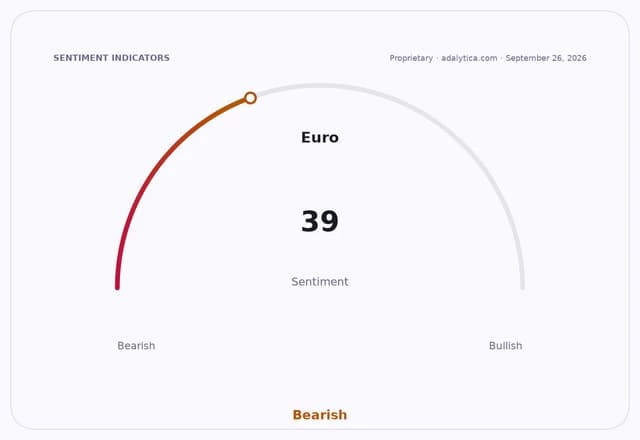
Sentiment IndicatorsⓘProprietary · adalytica.com · September 26, 2026
This is a snapshot — live sentiment, awareness and momentum for 130+ markets update continuously in the dashboard.Open AlphaPulse
The latest municipal results in Lower Saxony, where the CDU remained the largest party but the AfD lifted its vote share, fit a wider pattern across Germany. The country’s political center is holding in places, but it is doing so with less trust than before. That is the key investment story: the more that social-democratic and left-leaning governments are seen as defending an economic status quo rather than improving living standards, the more they create space for parties that promise disruption.
For investors, that raises the odds of volatility in Germany-linked assets and in the broader euro area. Germany’s economy is closely tied to the health of exporters, manufacturers and consumer demand across the bloc. If mainstream parties keep losing credibility, coalition politics can become more fragile, reform agendas can slow, and markets may have to price a higher risk premium for German policy uncertainty.
The connection between the AfD’s rise and left-of-center rule is not complicated. Voters usually do not move sharply to the right because they suddenly prefer hardline rhetoric; they move when they conclude that the parties in power have not protected their jobs, purchasing power or sense of control. In Germany, that grievance has been sharpened by years of industrial strain, expensive energy, weak growth and the feeling that elites have been better at managing consensus than delivering results.
That leaves the next phase of German politics as much an economic question as an ideological one. If the mainstream wants to stop bleeding support, it will have to prove that social-democratic governance can still produce stronger incomes, more investment and a more credible industrial future. Until then, the AfD’s advance is likely to remain a warning sign for Europe’s largest economy and a reminder that political frustration tends to surface first in the ballot box and later in markets.
| Entity | Gains | Losses |
|---|---|---|
| AfD | ▲protest support | ▼political isolation |
| CDU/center parties | ▲tactical stability | ▼voter trust |
| Social-democratic governments | ▲limited if reforms follow | ▼credibility on living standards |
| Investors in Germany | ▲policy clarity if reforms emerge | ▼volatility and higher risk premium |