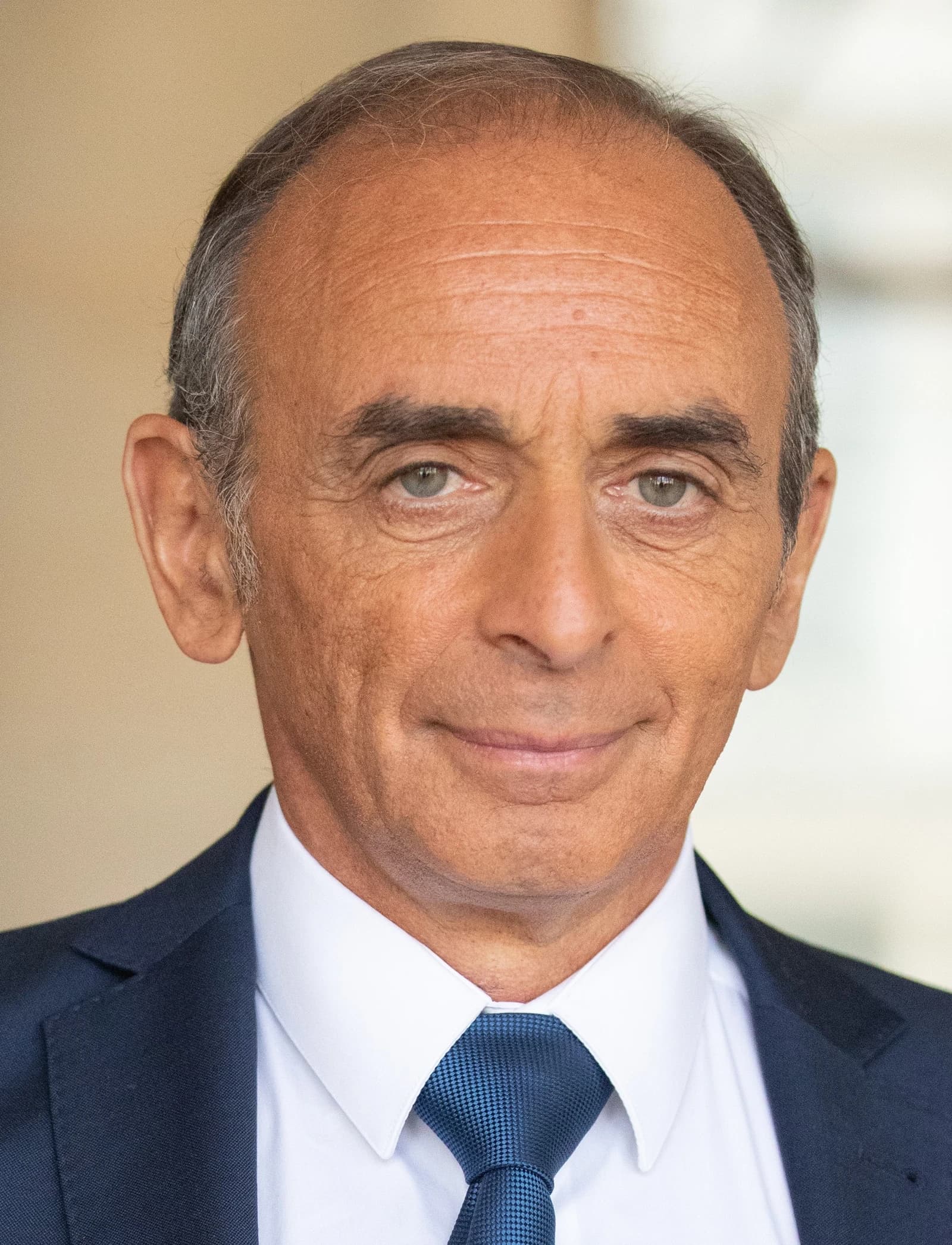
France’s far-right National Rally has delivered an unusually blunt condemnation of Russia, a notable shift that could reshape the party’s credibility on national security as Marine Le Pen eyes the presidency next year.
France National Rally hardens stance on Russia
Why does that matter? Because Russia policy is no longer a niche foreign-affairs issue in Europe. It is now tied directly to security, sanctions, defense spending and political trust — the kind of issues that can sway elections, move alliances and influence how investors assess Europe’s stability.
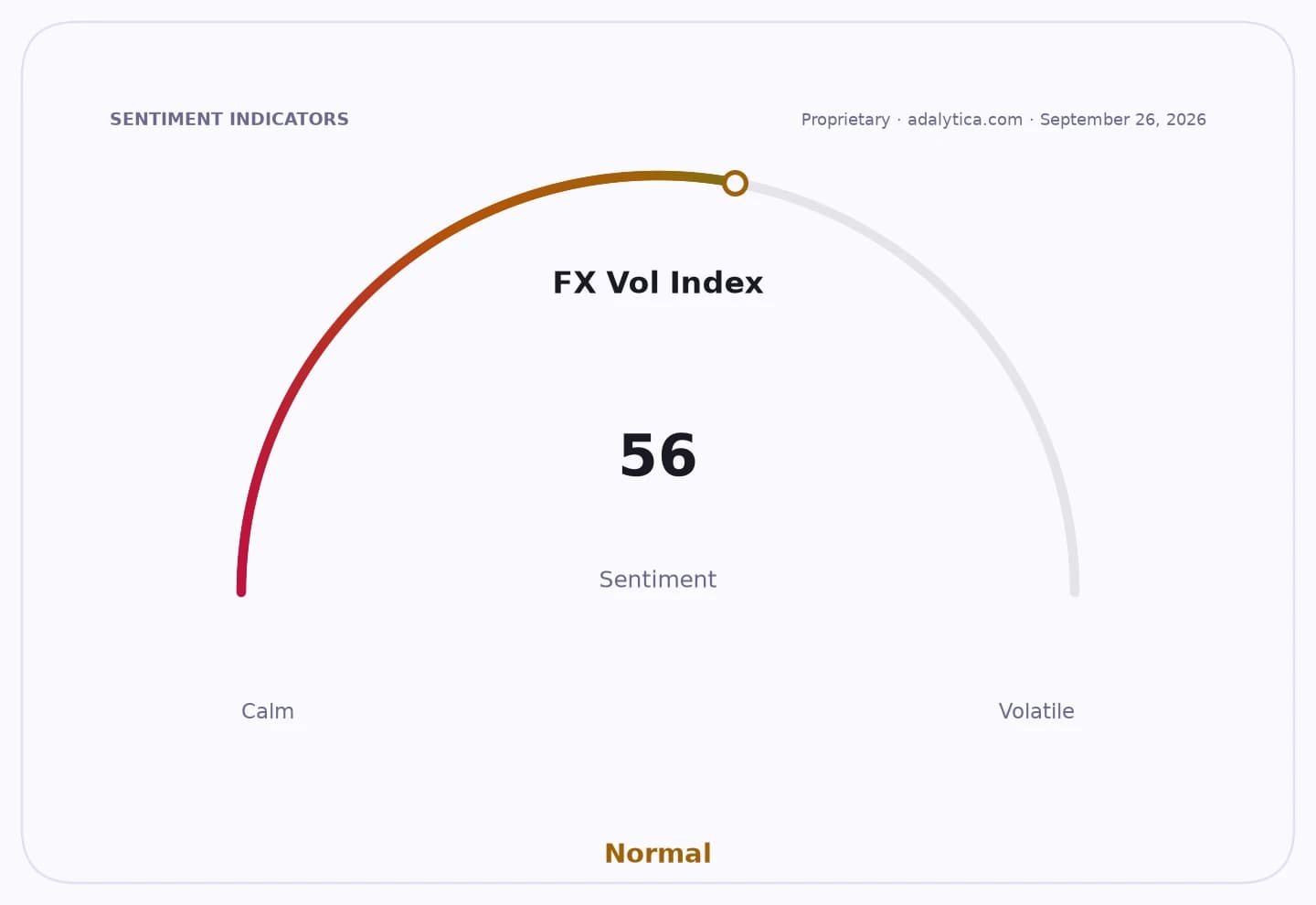
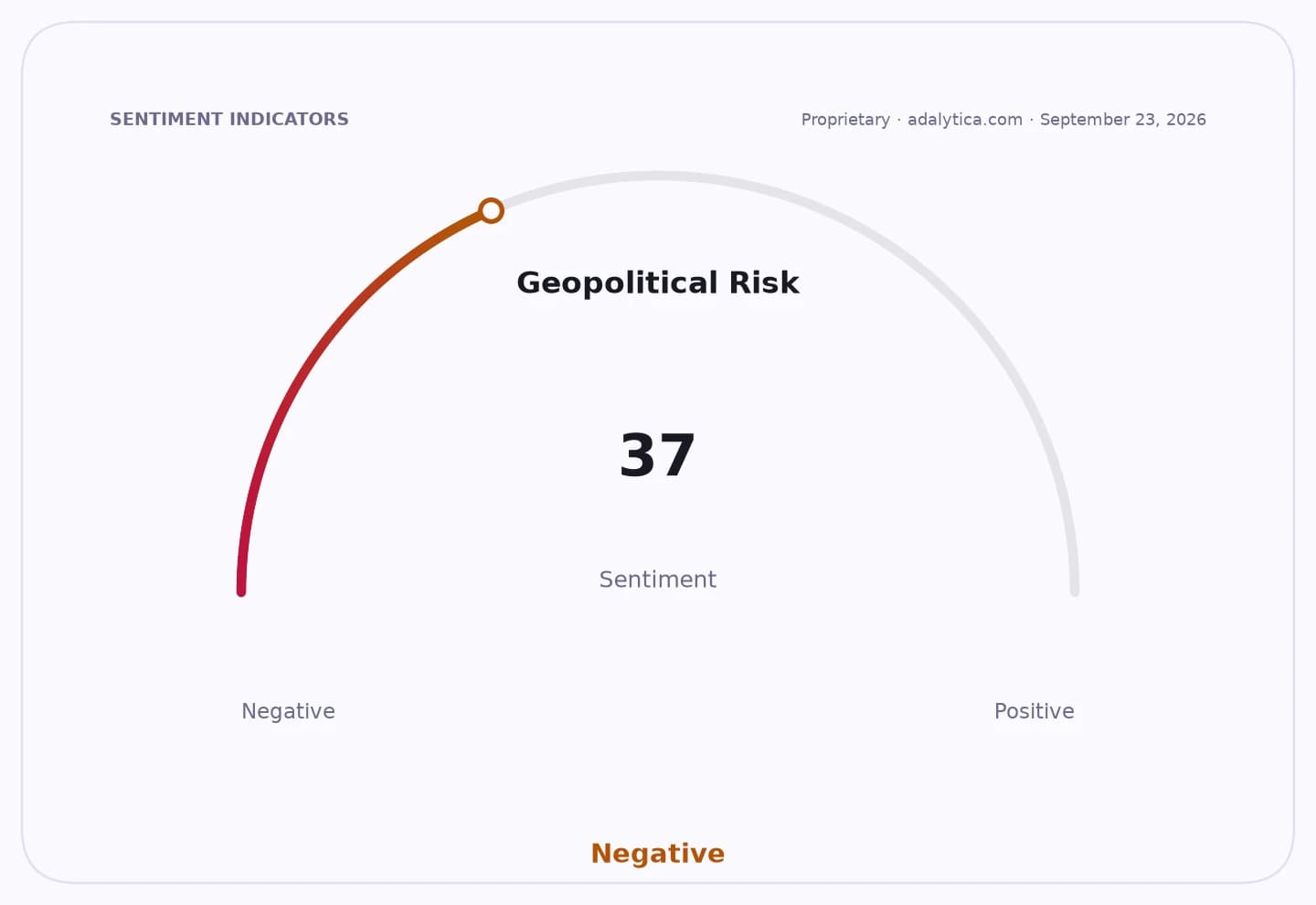
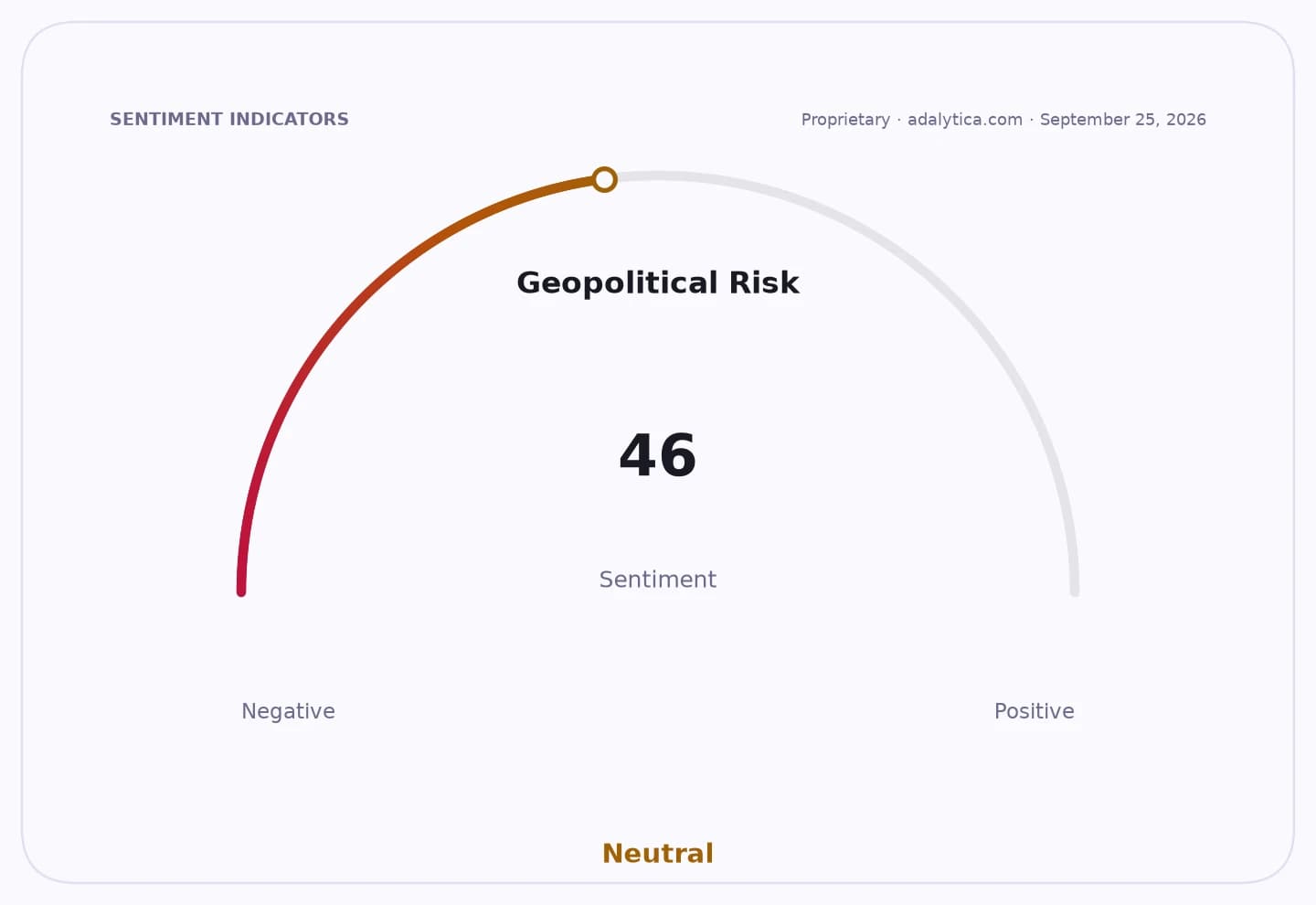
Sentiment IndicatorsⓘProprietary · adalytica.com · September 26, 2026
This is a snapshot — live sentiment, awareness and momentum for 130+ markets update continuously in the dashboard.Open AlphaPulse
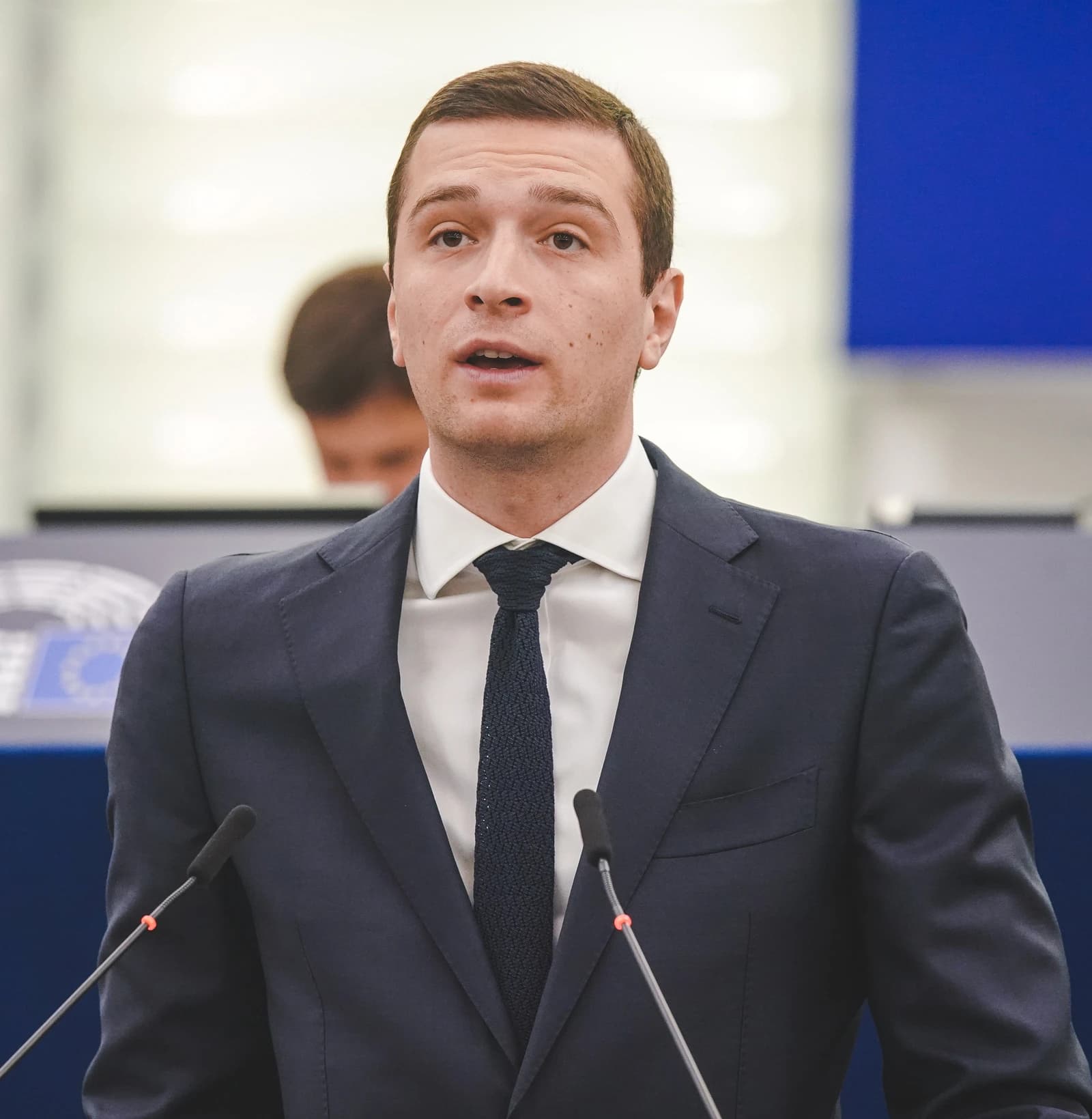
In a joint statement, RN president Jordan Bardella and presidential candidate Le Pen said they would not tolerate any foreign power trying to influence French policy through intimidation, threats or destabilization. They explicitly pointed to Moscow after Russia confiscated assets tied to companies including France’s Auchan and Switzerland’s Nestlé, calling the acts hostile to French and European interests.
That is striking coming from a party long associated with softer views on the Kremlin. Le Pen has met Vladimir Putin in the past, and her party once took a €9.4 million loan from a Czech-Russian bank linked to Russia. Bardella, by contrast, has increasingly described Russia as a threat to France and Europe. The latest statement suggests the party is trying to close that gap ahead of a presidential race that will shape France’s stance toward Ukraine, NATO and sanctions policy.
For investors, the significance is less about one statement than the direction of travel. A more openly Russia-critical National Rally would reduce one source of uncertainty around French foreign policy if the party gains power. It also signals that even parties on the European right may have to harden their line on Moscow as asset seizures, hybrid tactics and the war in Ukraine continue to dominate the continent’s security agenda.
The timing is important too. President Emmanuel Macron had just convened a crisis meeting to brief political leaders on threats linked to Russia’s war in Ukraine and the Middle East. The RN’s response shows how pressure from security events can force political repositioning, especially when voters are increasingly sensitive to sovereignty, defense and economic resilience.
Le Pen still leaves room for a diplomatic end to the war and has said she would supply weapons to Ukraine while withholding financial support. That nuance matters because it tells us the party is not fully abandoning its traditional instincts. But the broader message is clear: the political cost of appearing lenient toward Moscow is rising.
The next key signal will be RN’s campaign guidelines later this year. If they formalize a tougher stance on Russia and Ukraine, it would mark another step in the mainstreaming of France’s far right — and another reminder that Europe’s security backdrop is forcing political adaptation. For long-term investors, that is worth watching closely, because elections now carry direct implications for sanctions, defense policy and the region’s risk premium.
| Entity | Gains | Losses |
|---|---|---|
| National Rally | ▲Mainstream credibility | ▼Pro-Russia baggage |
| Marine Le Pen & Jordan Bardella | ▲Broader voter appeal | ▼Ideological consistency |
| France/EU security hawks | ▲Harder line on Moscow | ▼Room for ambiguity |
| Russia | ▲— | ▼Political influence in France |