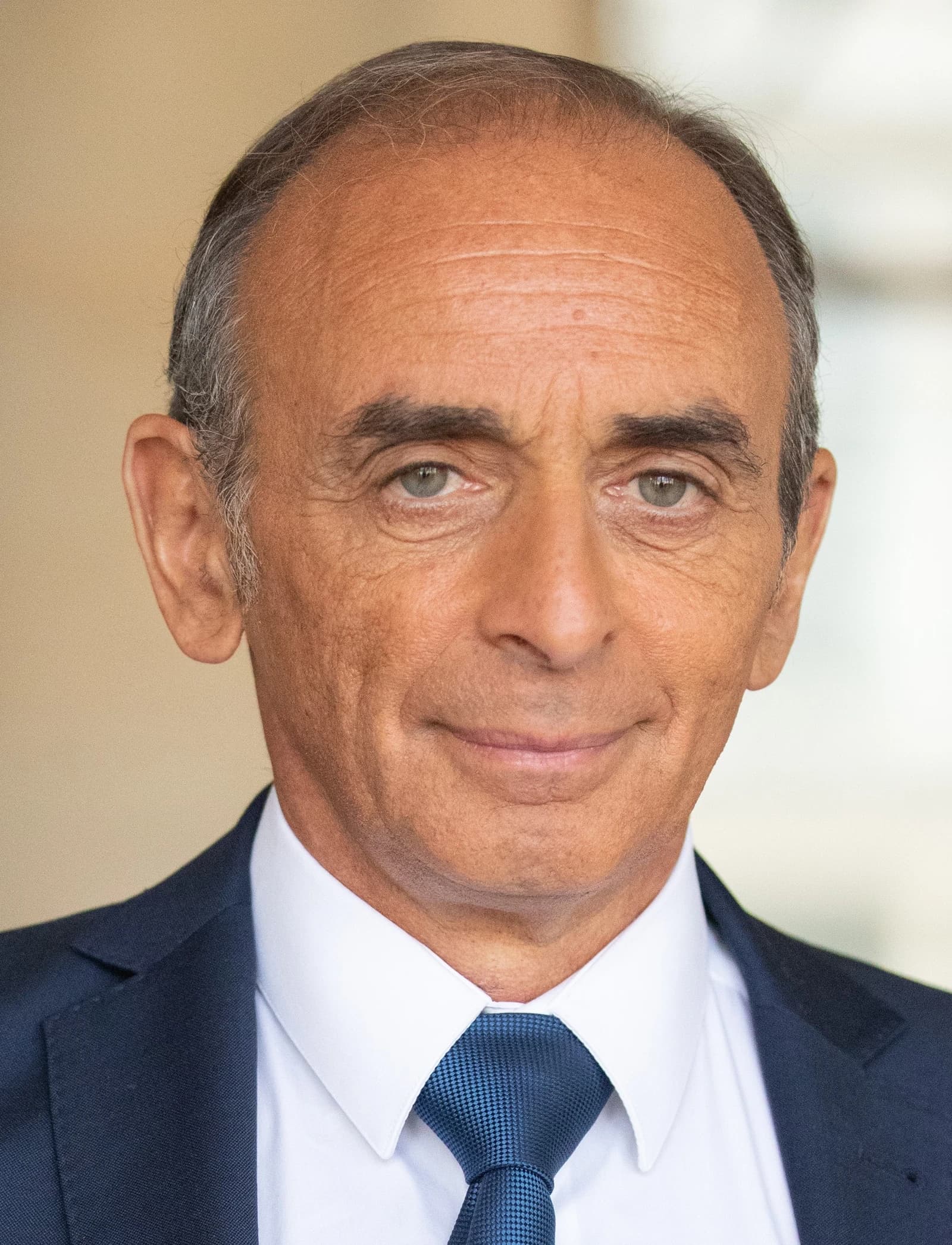
Marine Le Pen’s far-right camp is under fresh scrutiny after one of its senior figures said the party would “turn off the tap” on aid to Ukraine, reviving a market-relevant question investors have not been able to ignore: whether a future French government could weaken Europe’s financial and military backing for Kyiv just as the war is grinding on and the EU is committing billions more.
France RN Ukraine Aid Comments Raise Market Risks

The comments from Louis Aliot, a National Rally vice president and Le Pen’s former partner, landed at a sensitive moment for Europe’s war financing. Brussels has just approved an additional 6.1 billion euros in defense aid for Ukraine, even as Kyiv risks losing 4.8 billion euros of previously promised international support because conditions have not been met. That combination matters because it shows how dependent Ukraine remains on a steady political flow of money, weapons and approvals from Europe at the very time anti-aid populism is gaining traction in one of the bloc’s most important states.
Sentiment IndicatorsⓘProprietary · adalytica.com · September 5, 2026
This is a snapshot — live sentiment, awareness and momentum for 130+ markets update continuously in the dashboard.Open AlphaPulse

For investors, the issue is not simply French campaign noise. France is a core pillar of EU decision-making, and any hard right advance that brings a more skeptical stance toward Ukraine would complicate Europe’s already fragile efforts to maintain unity on defense, sanctions and burden-sharing with the United States. The risk premium is not limited to Kyiv. A weaker Western commitment could lift pressure on European governments to spend more on their own militaries, support defense contractors, and keep energy and geopolitical risk elevated across the continent.
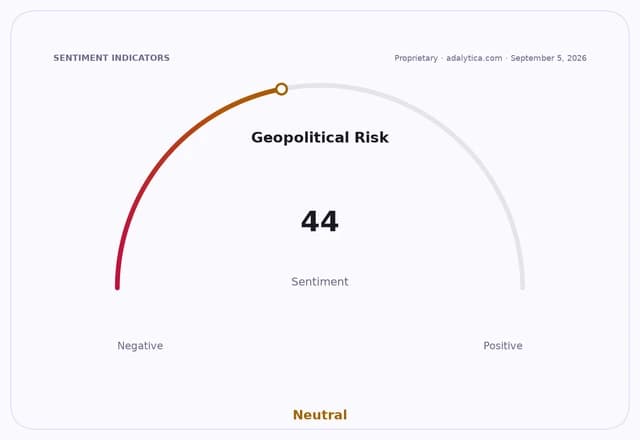
The euro’s recent trading has already reflected that broader unease. EUR/USD has been stuck around 1.16 to 1.18, with conventional technical indicators showing no decisive breakout, while Adalytica’s Global Stability Sentiment gauge has slipped to a neutral 44, down 41 points over the past week. That is not a crash signal, but it does underline how quickly geopolitical headlines can dent confidence in Europe’s policy backdrop even when markets remain orderly.
Geopolitical Risk — 30-day sentimentadalytica.com
Explore this data interactively — full history, time series and cross-market comparisons.Open AlphaPulse
The political fight in Paris is also bigger than one interview. Edouard Philippe, a centrist contender seen as Le Pen’s main second-round rival, accused the RN of serving Moscow’s interests, while Gabriel Attal and Socialist leader Olivier Faure went further, branding the party pro-Russian. Le Pen hit back by pointing to past French engagement with Vladimir Putin and argued for a peace conference instead of more weapons. The exchange reinforces the core investment narrative: this is no longer just a foreign policy argument, but a test of whether Europe’s fiscal and defense commitments can survive the rise of nationalist politics.
That is why the market should treat the French backlash as more than election theater. If Le Pen’s bloc continues to normalize an aid cutoff to Ukraine, the winners are likely to be European defense and security names, while the losers are Ukrainian funding plans, EU cohesion and, potentially, the euro if political fragmentation intensifies. The trade is to stay overweight European defense and selective infrastructure beneficiaries of higher continental security spending, while keeping a cautious eye on France’s political risk premium into the vote.
| Entity | Gains | Losses |
|---|---|---|
| European defense contractors | ▲Higher military spending | ▼None from aid cuts |
| Ukraine | ▲None | ▼Funding and weapons support |
| Euro / EURUSD | ▲Safe if unity holds | ▼Softer if French risk rises |
| French far right RN | ▲Domestic anti-aid support | ▼Credibility in Brussels |