Ukraine’s warning that Russia is preparing a “massive attack” is a fresh reminder that the war is still capable of jolting energy markets, defense stocks and global risk appetite in a hurry.
Ukraine Warns of New Russian Attack Risk

For investors, the immediate significance is not just the battlefield itself but the knock-on effects: higher perceived disruption risk in the Black Sea, more pressure on Western governments to keep weapons flowing, and renewed attention on assets that tend to benefit when geopolitical fear rises, from oil to defense contractors.
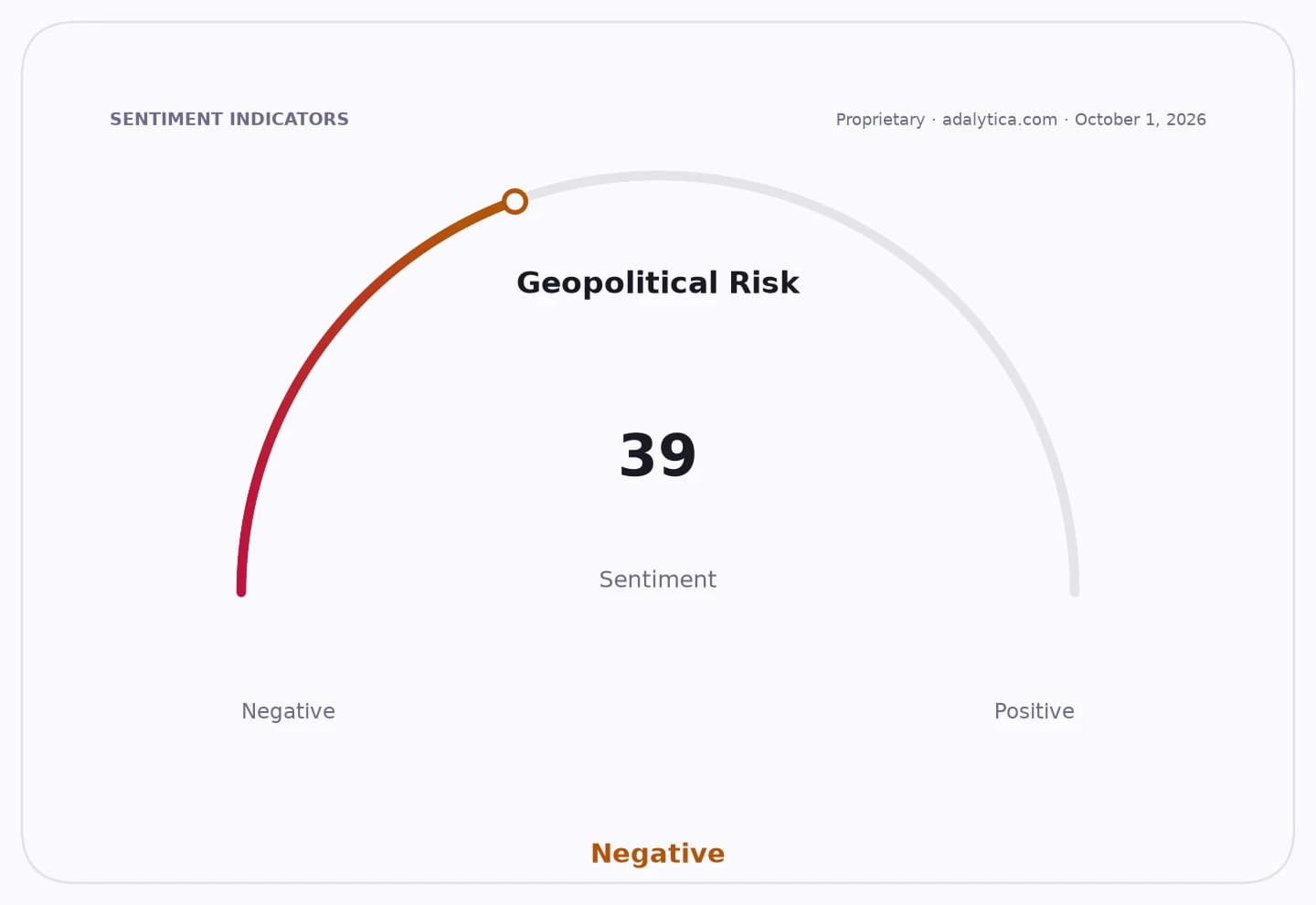
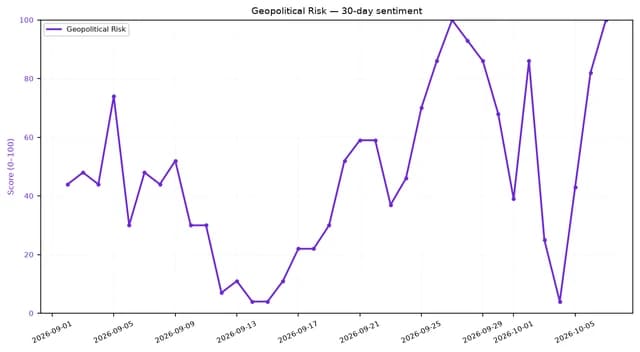
Sentiment IndicatorsⓘProprietary · adalytica.com · October 7, 2026
This is a snapshot — live sentiment, awareness and momentum for 130+ markets update continuously in the dashboard.Open AlphaPulse
Ukrainian President Volodymyr Zelenskyy said on Tuesday that Kyiv had received updated intelligence indicating Russia was preparing a major strike, and urged citizens to heed missile alerts. He also pressed the United States and Europe for more defensive equipment, saying Ukraine’s ability to respond depends on the weapons available from allies.
That matters because the war has never been only a regional conflict. It is a recurring test of Western support, a supply-chain issue for commodities and shipping, and a trading event for markets that price in sanctions, strikes and the risk of escalation. Zelenskyy’s warning came just after reports that Russian drones struck a civilian grain vessel in the Black Sea, an incident that reinforced how quickly the conflict can spill into commercial shipping routes.
The broader market response is already visible in the usual safe-haven and war-trade corners. Oil sentiment remains cautious, and shares tied to military spending have held up better than the wider market during stretches of elevated tension. The iShares U.S. Aerospace & Defense ETF has been trading well above its 50-day moving average, underscoring how investors continue to pay for exposure to sustained rearmament and higher defense budgets. In contrast, broad risk appetite is vulnerable when headlines point to more damage to infrastructure, shipping or energy assets.
That is why the story belongs on every long-term investor’s radar. A single warning does not change the investment case for months or years, but it does reinforce a durable theme: geopolitical instability is no longer a tail risk that sits outside portfolios. It is part of the macro backdrop. For patient investors, that argues for owning energy and defense as diversifiers, while avoiding the temptation to make one-off headline trades.
The next question is whether allies convert political support into more air-defense systems, missiles and ammunition quickly enough to blunt any attack and prevent further damage to Black Sea trade. If they do, markets may fade the headline. If they don’t, the war trade could stay alive longer than many investors would like.
| Entity | Gains | Losses |
|---|---|---|
| Defense contractors | ▲More weapons demand | ▼None from higher spending |
| Oil producers | ▲Geopolitical premium | ▼Consumers and importers |
| Ukraine and allies | ▲Stronger military support | ▼Facing higher attack risk |
| Shipping and grain exporters | ▲Tighter security if defended | ▼Black Sea trade disruption |