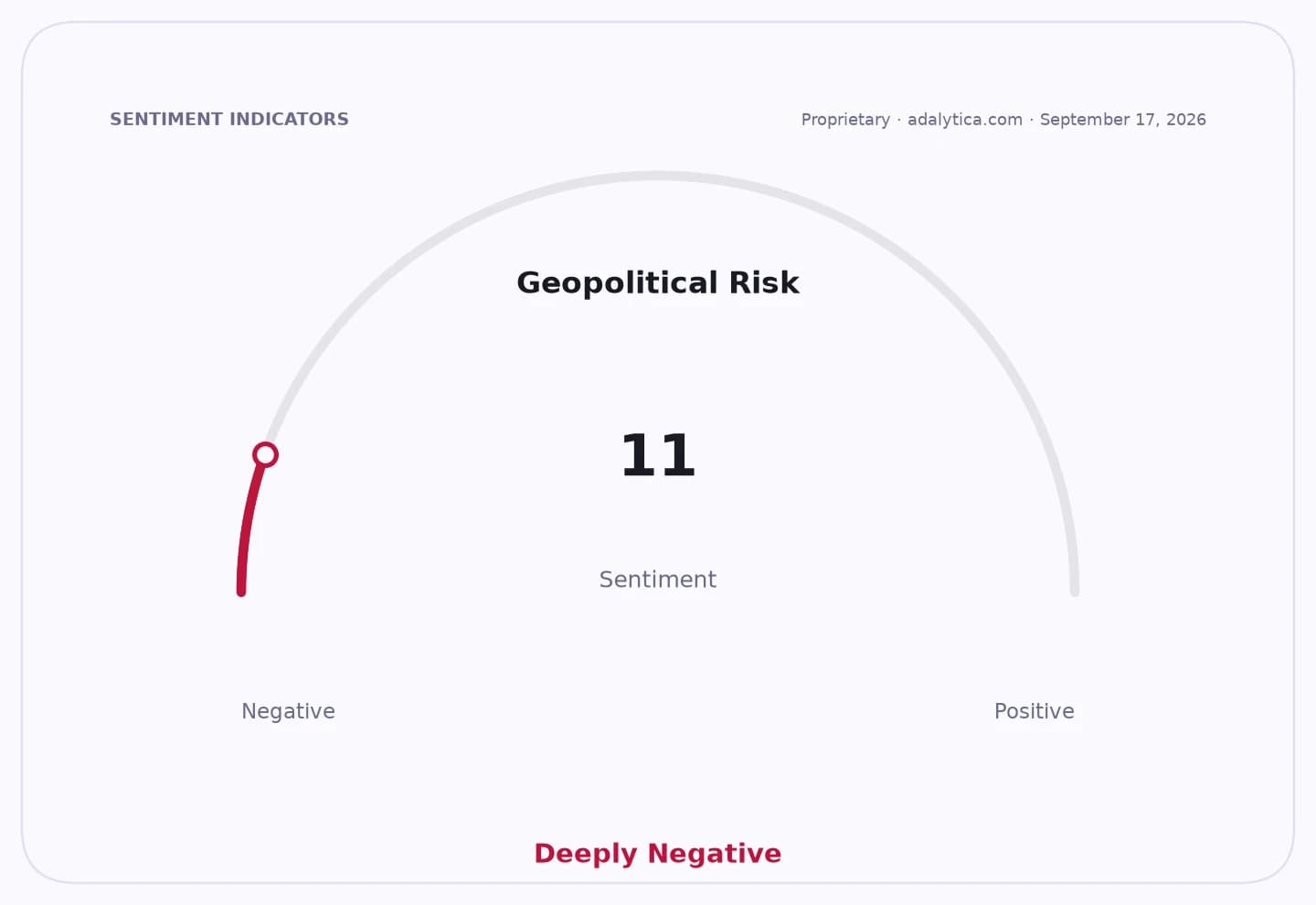
Ukraine’s war is increasingly being priced not just as a battlefield stalemate, but as a threat to shipping lanes, food supplies and energy markets as the EU, Ukraine and 51 countries called on Russia to stop its aggression and back a ceasefire.
Ukraine war risks Black Sea shipping, food and energy
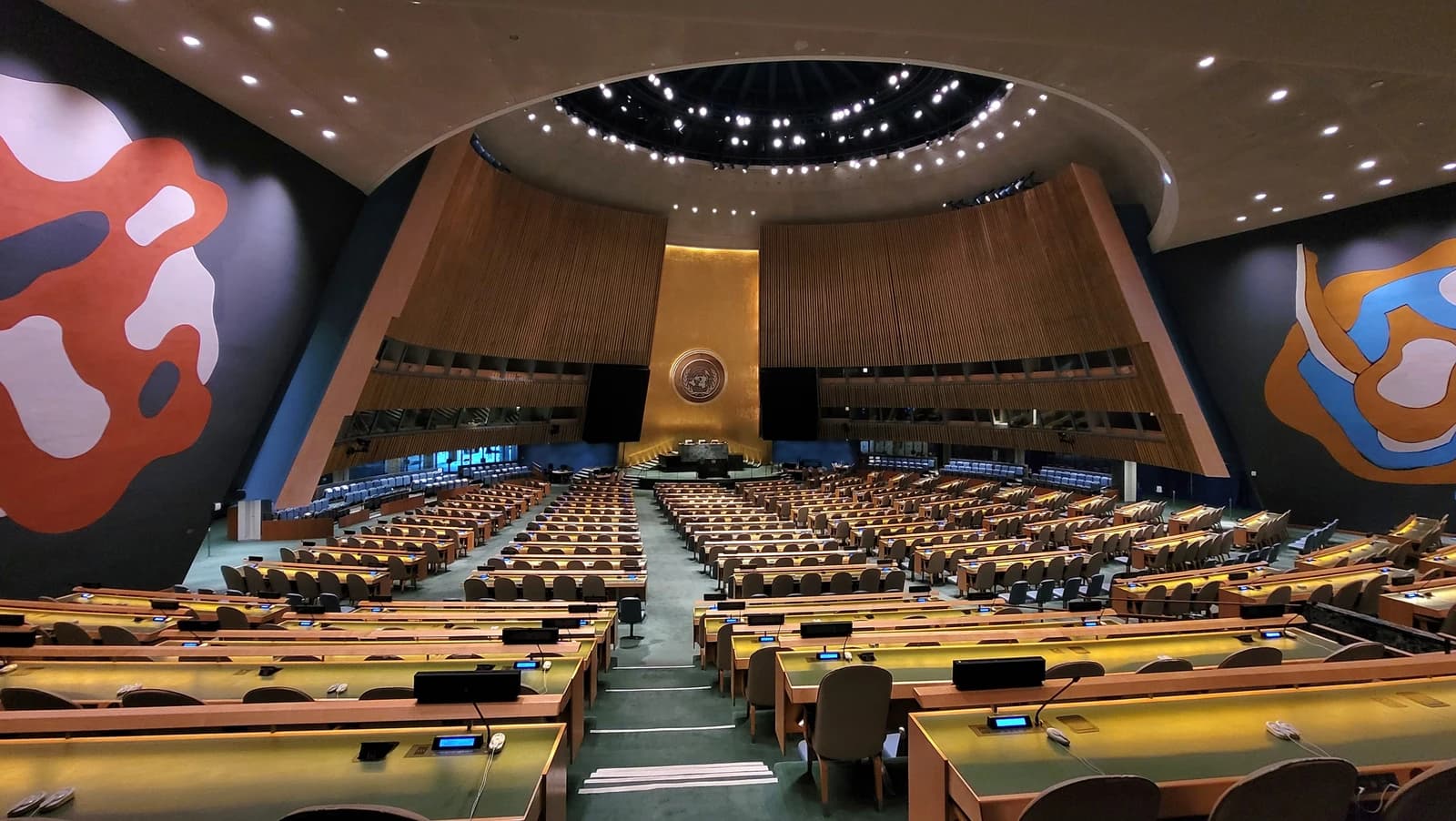
The statement, delivered ahead of the UN Security Council meeting by EU foreign policy chief Kaja Kallas, French Foreign Minister Jean-Noël Barrot and Ukrainian Foreign Minister Andrii Sybiha, matters because it links diplomacy to hard economic pressure points: the Black Sea, grain exports and commercial shipping. That is where the war reaches beyond Ukraine’s borders and into inflation, trade flows and portfolio risk.
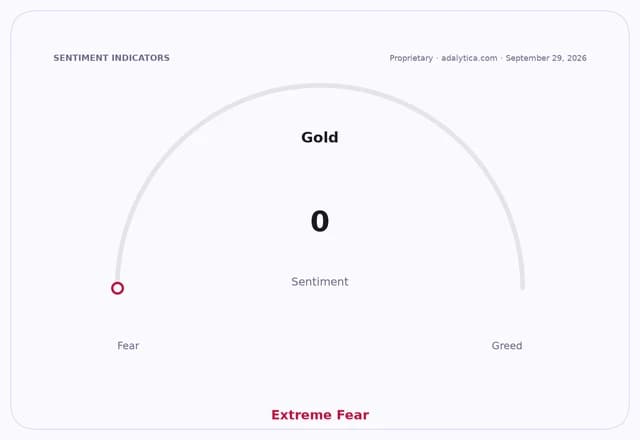
Sentiment IndicatorsⓘProprietary · adalytica.com · September 29, 2026
This is a snapshot — live sentiment, awareness and momentum for 130+ markets update continuously in the dashboard.Open AlphaPulse
The signatories said they were deeply concerned by Russia’s escalation against civilians and civilian infrastructure, citing a record-high number of casualties in recent months as recorded by the UN. They also singled out attacks in the Black Sea, warning that Russia is trying to choke off Ukrainian grain exports and jeopardize global food security.
That is why investors should care. Any sustained disruption to Black Sea shipping can ripple through agricultural markets, freight rates, insurance costs and headline inflation, especially across import-dependent economies in the Middle East, Africa and parts of Asia. It also keeps geopolitical risk embedded in crude oil, where even the appearance of wider maritime instability can push traders toward higher risk premia.
Geopolitical Risk — 30-day sentimentadalytica.com
Explore this data interactively — full history, time series and cross-market comparisons.Open AlphaPulse
The market is already showing how quickly war headlines can move assets. USO, the oil ETF, has been trading well above both its 50-day and 200-day moving averages, with the latest close at $150.01 versus a 50-day average of $136.15 and a 200-day average of $113.62. That kind of strength tells you energy markets remain sensitive to supply shocks and corridor risk. Gold, meanwhile, has given back some of its recent surge, but the broader refuge trade remains intact whenever geopolitical fear spikes.
The bigger takeaway is that peace language alone is not enough to defuse the trade. Russia’s willingness to keep pressure on civilian infrastructure and the Black Sea means investors should treat every diplomatic effort as a market variable, not a diplomatic aside. If talks gain traction, the obvious beneficiaries are shippers, grain exporters and risk assets; if they fail, energy, defense and safe-haven trades regain the upper hand.
For now, the asymmetric setup still favors staying positioned for volatility. The market underestimates how quickly a Black Sea shock can migrate into commodity prices and inflation expectations, and that keeps the case alive for owning energy exposure, selective defense names and hard-asset hedges while watching diplomacy for the next catalyst.
| Entity | Gains | Losses |
|---|---|---|
| Oil producers | ▲Higher risk premia | ▼Peace-driven pullback |
| Grain exporters | ▲Safer Black Sea routes | ▼Shipping disruptions |
| Gold and hedges | ▲Flight-to-safety demand | ▼De-escalation |
| Ukraine and allies | ▲Diplomatic leverage | ▼Prolonged war costs |