Germany’s domestic intelligence chief has warned the country could slide into a “violent conflict” with Russia, sharpening investor focus on the risk that the war in Ukraine is no longer a distant regional shock but a direct European security threat.
Germany intelligence chief warns of Russia conflict risk

The warning matters because it raises the odds of a prolonged defense buildup, higher energy-security costs and more volatile markets in Europe, even without a full-scale NATO-Russia confrontation. For investors, that means another layer of risk premium for German and broader European assets at a time when the region is already wrestling with weak growth, fragile manufacturing and pressure to spend more on security.
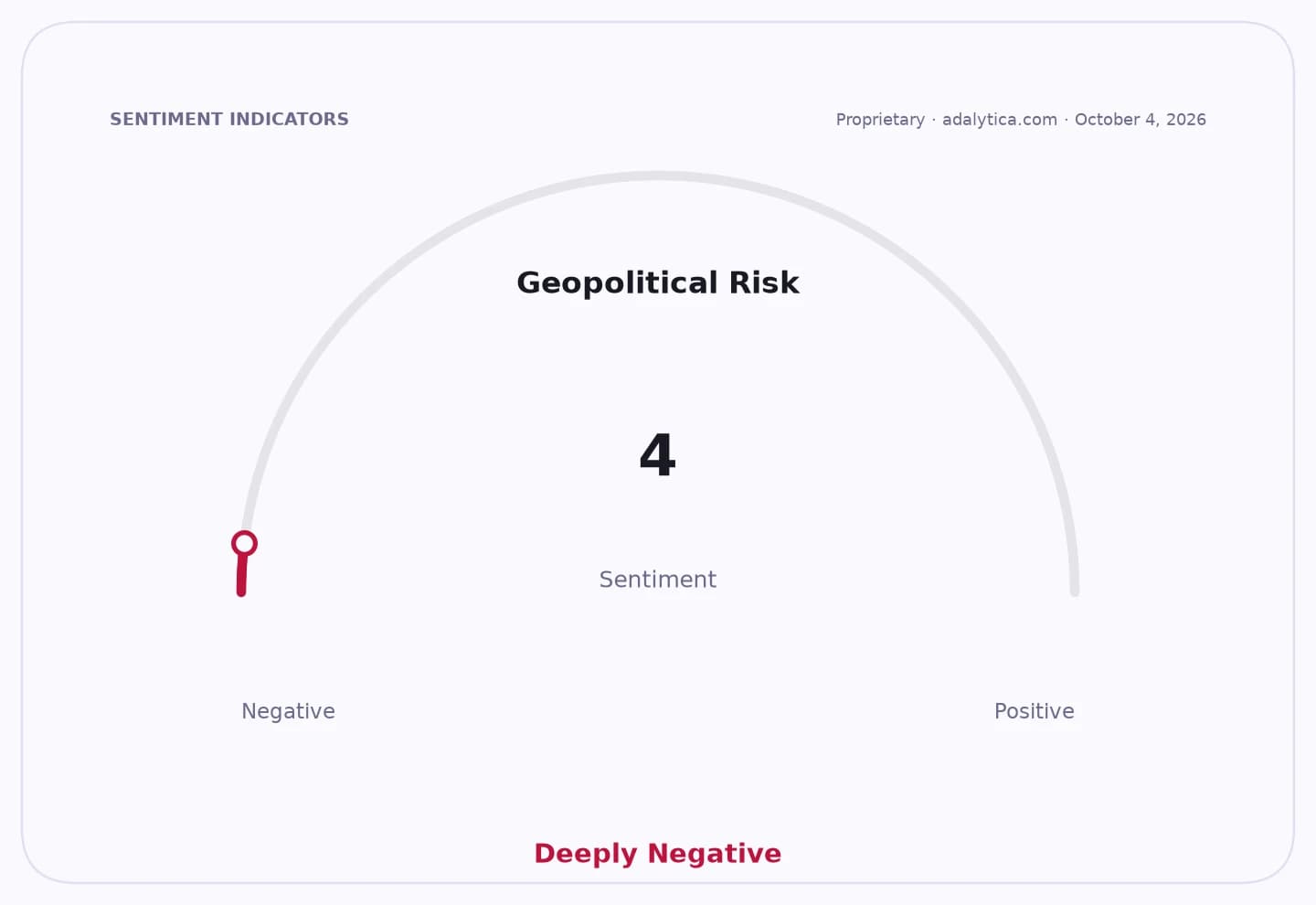
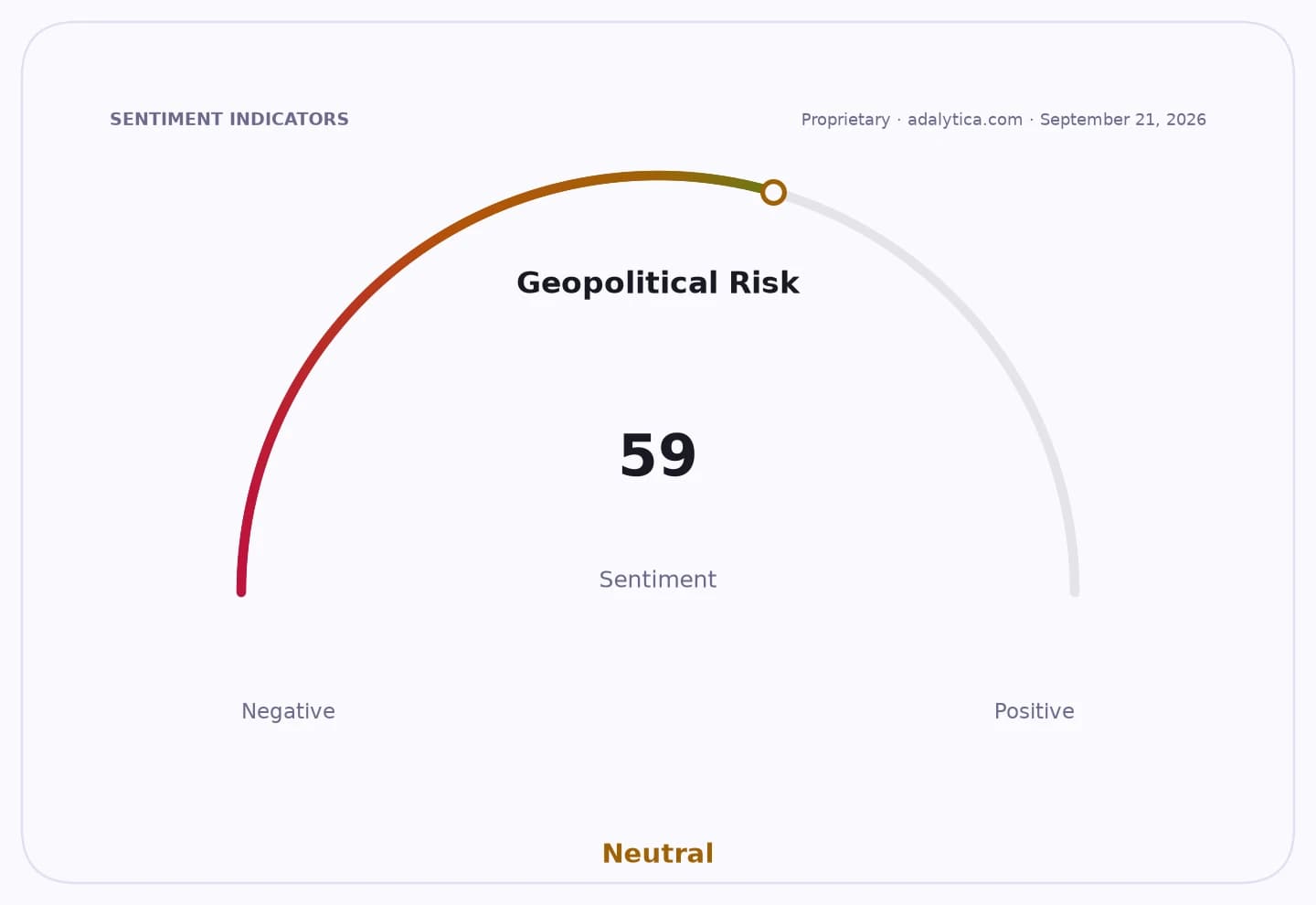
Sentiment IndicatorsⓘProprietary · adalytica.com · October 5, 2026
This is a snapshot — live sentiment, awareness and momentum for 130+ markets update continuously in the dashboard.Open AlphaPulse
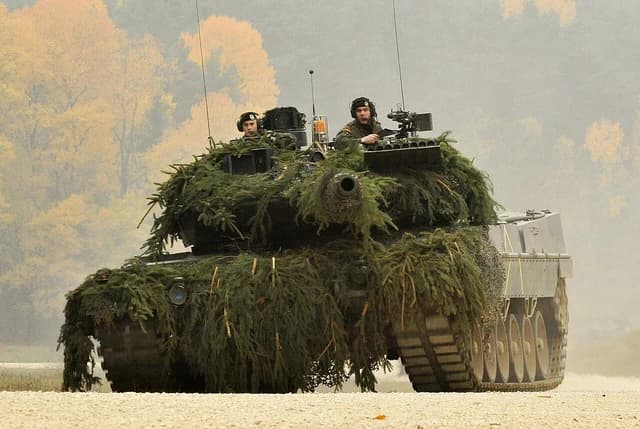
The intelligence chief said confrontation with Moscow had reached a more dangerous level, arguing that Vladimir Putin was past the point where he could end the war in Ukraine without risking his grip on power. He also said the risk of attacks on targets in Germany “remains real” and that Moscow is “betting on Germany’s weakness.” While he said small-scale military activity against the Baltics could occur, he stopped short of forecasting a large-scale attack on NATO.
That distinction is important for markets. A direct NATO war remains a tail risk, not a base case. But even a lower-intensity campaign of sabotage, cyberattacks, disinformation and limited military pressure would keep Europe in a state of strategic attrition, forcing governments to spend more on surveillance, air defense, cyber resilience and industrial capacity. Those costs would feed through to fiscal balances and, over time, to sovereign borrowing needs.
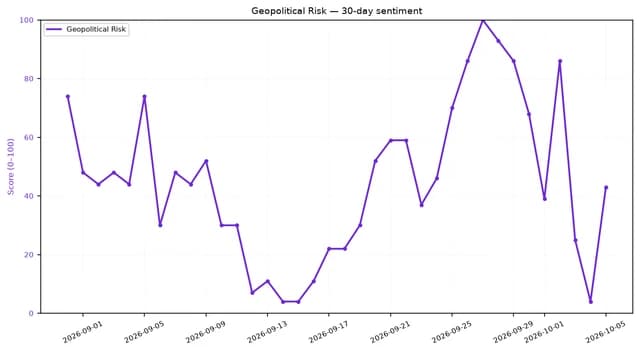
The geopolitical backdrop is worsening as the war in Ukraine intensifies. Russia has stepped up strikes on Ukrainian infrastructure, while European leaders are warning that Moscow is prepared to broaden the range of targets and methods it uses. That raises the likelihood that markets continue to price a structurally higher security risk premium into Europe, even if the continent avoids an outright military clash.
The biggest market implications are in defense, energy and havens. Defense contractors in Europe are likely to remain supported as governments accelerate procurement. Energy markets may also see periodic support if traders factor in more infrastructure risk, especially in gas and power-sensitive winter months. At the same time, investors tend to rotate toward gold, the dollar and other defensive assets when the conflict narrative intensifies, while European equities and the euro can come under pressure if growth fears rise.
Recent price action reflects that split. U.S. energy shares have been firmer than gold, while the euro has traded without a clear safe-haven bid, suggesting markets are not yet pricing a crisis, but are staying alert to escalation. The message from Germany’s intelligence chief is that complacency is dangerous: the war’s economic cost may increasingly show up not through a single shock, but through a persistent drag of higher security spending, weaker confidence and more frequent market jolts.
For investors, the key question is whether Europe treats this as a temporary geopolitical flare-up or as a structural change in the investment environment. If the latter, defense, cybersecurity and select energy names may keep drawing capital, while industries exposed to European demand, higher rates and margin pressure could face a longer period of risk discounting.
| Entity | Gains | Losses |
|---|---|---|
| Defense contractors | ▲Higher procurement demand | ▼None immediately |
| Safe-haven assets | ▲Flight-to-quality inflows | ▼Risk assets |
| European governments | ▲Political case for security spending | ▼Fiscal flexibility |
| German and European equities | ▲— | ▼Higher risk premium |