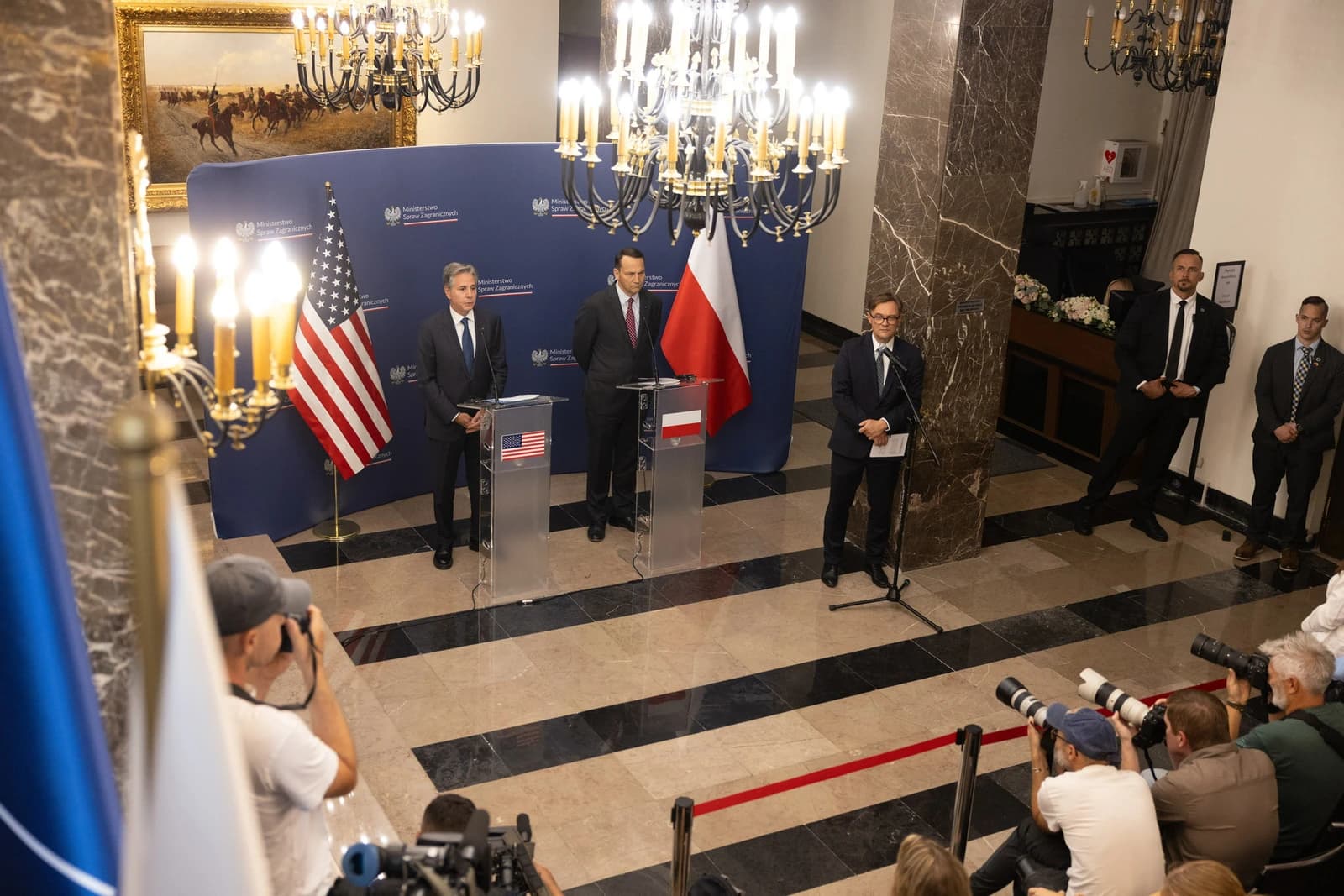
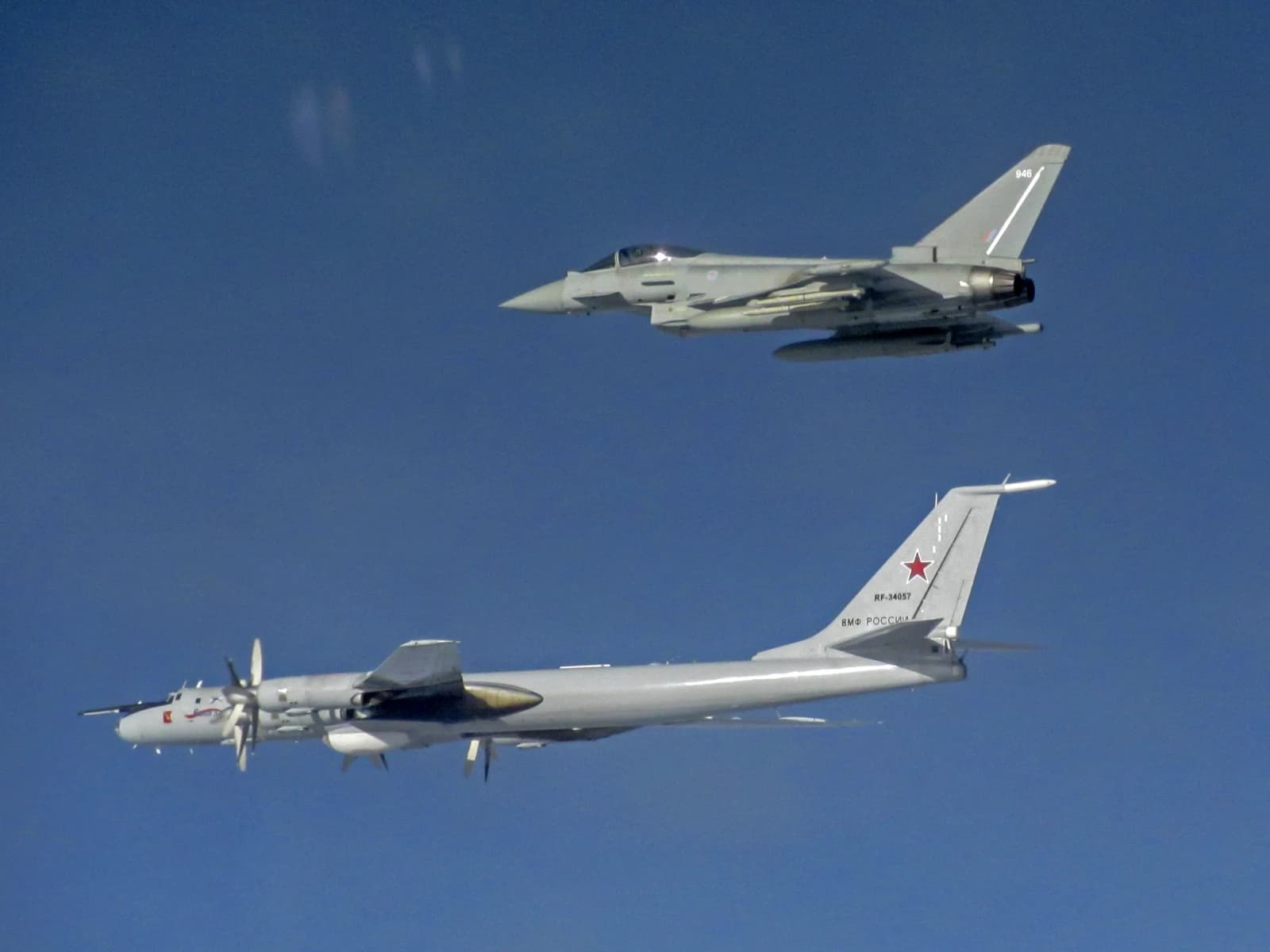
European security services are being forced to think and act more like Cold War operatives than peacetime police as Russia’s war in Ukraine spills deeper into the continent’s intelligence networks.
Europe’s counterintelligence spending rises on Ukraine war

That shift matters because espionage is no longer a background risk to the conflict — it is part of the battlefield itself. The latest detentions in Latvia of two suspects accused of passing NATO-related information to Russian intelligence, alongside a Ukrainian espionage case and Russian strikes on data centers in Kyiv, show that the war is now extending into the systems that carry military secrets, command traffic and intelligence sharing.
Sentiment IndicatorsⓘProprietary · adalytica.com · October 2, 2026
This is a snapshot — live sentiment, awareness and momentum for 130+ markets update continuously in the dashboard.Open AlphaPulse
For investors, the message is broader than defense headlines. A more aggressive counterintelligence posture across Europe implies heavier spending on cybersecurity, secure communications, surveillance, encrypted infrastructure and critical-data protection. It also reinforces the case for defense contractors, drone makers and cyber firms that sit on the picks-and-shovels side of the security supercycle. The market often prices missile output and ammunition first; it underestimates the long tail of spending on digital fortification, signal interception and hardened networks.
That is especially important now because the intelligence fight is becoming more expensive for both sides. Russia’s attacks on Ukrainian data centers point to a campaign aimed not just at destroying hardware, but at degrading the flow of targeting data and military coordination. Ukraine’s claims of progress with anti-aircraft drone technology underscore how quickly battlefield innovation is shifting toward low-cost, high-volume systems that demand constant adaptation. Meanwhile, the absence of Patriot missiles in the latest U.S. aid package leaves allies to rely even more on layered, less expensive defenses and homegrown electronic warfare capabilities.
The tradeable implication is that Europe is entering a multi-year rearmament phase in which the obvious beneficiaries are not only tank and missile makers, but also the companies enabling secure data, battlefield networking and domestic drone production. This is where the asymmetry lies: the headlines talk about spies and sabotage, but the capital flows will increasingly follow the infrastructure built to stop them.
The market is also flashing the same geopolitical stress. Adalytica’s U.S. dollar trade signals show extreme fear, while S&P 500 sentiment remains neutral but fragile. In plain English, investors are not yet pricing a full-blown escalation premium, even as the intelligence war widens. That gap creates opportunity for those positioned early in defense, cyber and Europe-facing security infrastructure names.
The next catalyst is simple: more arrests, more disclosures, more strikes on communications and more pressure on NATO governments to harden their information networks. In a war where secrets are becoming as valuable as shells, the safest way to invest is to own the tools that keep them hidden.
| Entity | Gains | Losses |
|---|---|---|
| Defense contractors | ▲higher NATO spending | ▼budget-constrained rivals |
| Cybersecurity firms | ▲demand for secure networks | ▼legacy IT vendors |
| Russia | ▲tactical intelligence disruption | ▼diplomatic trust |
| Ukraine and NATO | ▲stronger counterintelligence | ▼exposed supply chains |