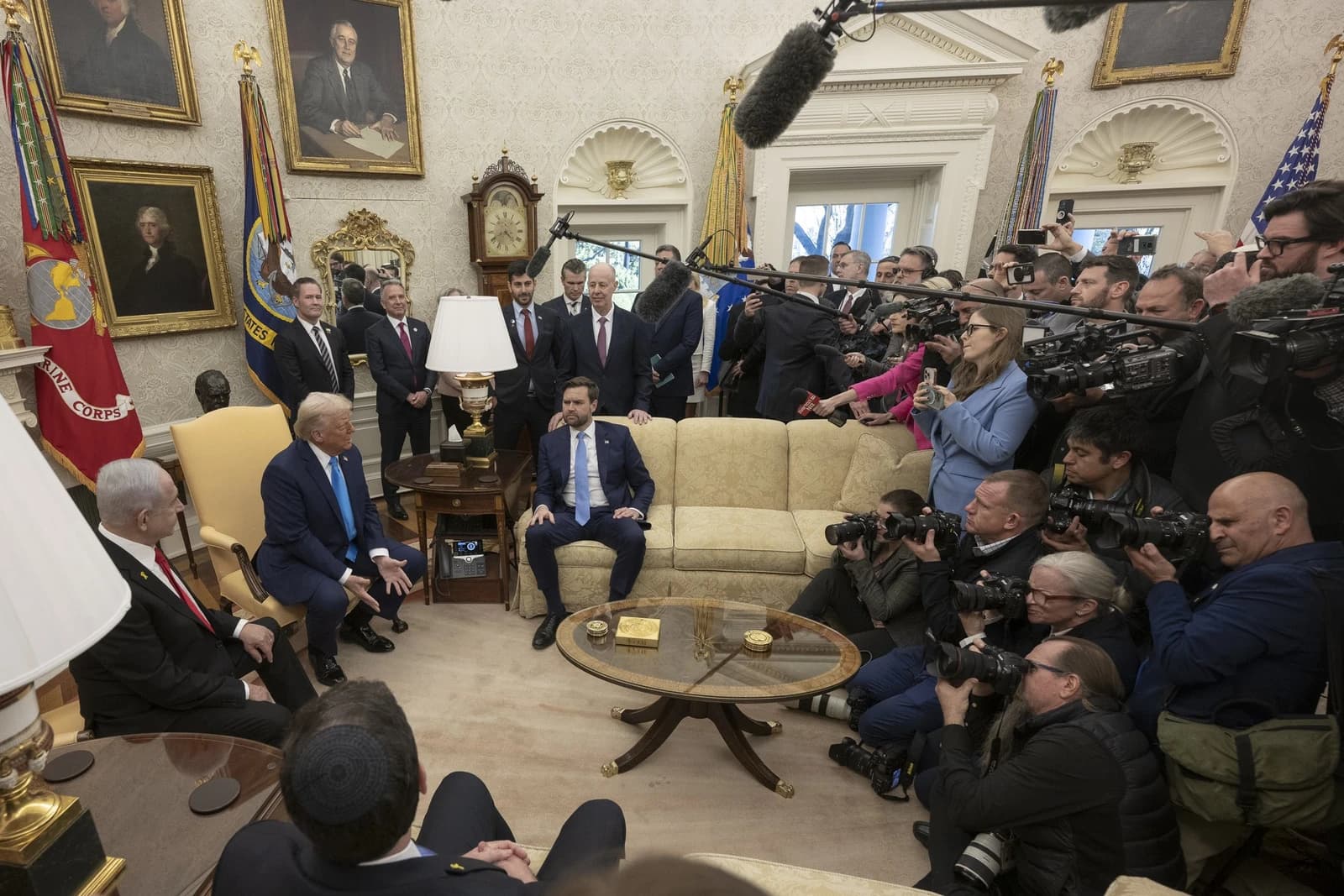
Donald Trump said he will “resolve” the Iran-backed Houthi threat in Yemen after the U.S. midterm elections, sharpening a geopolitical risk that has already helped keep oil prices elevated and energy markets on edge.
Oil prices rise on Houthi threat and Trump comments
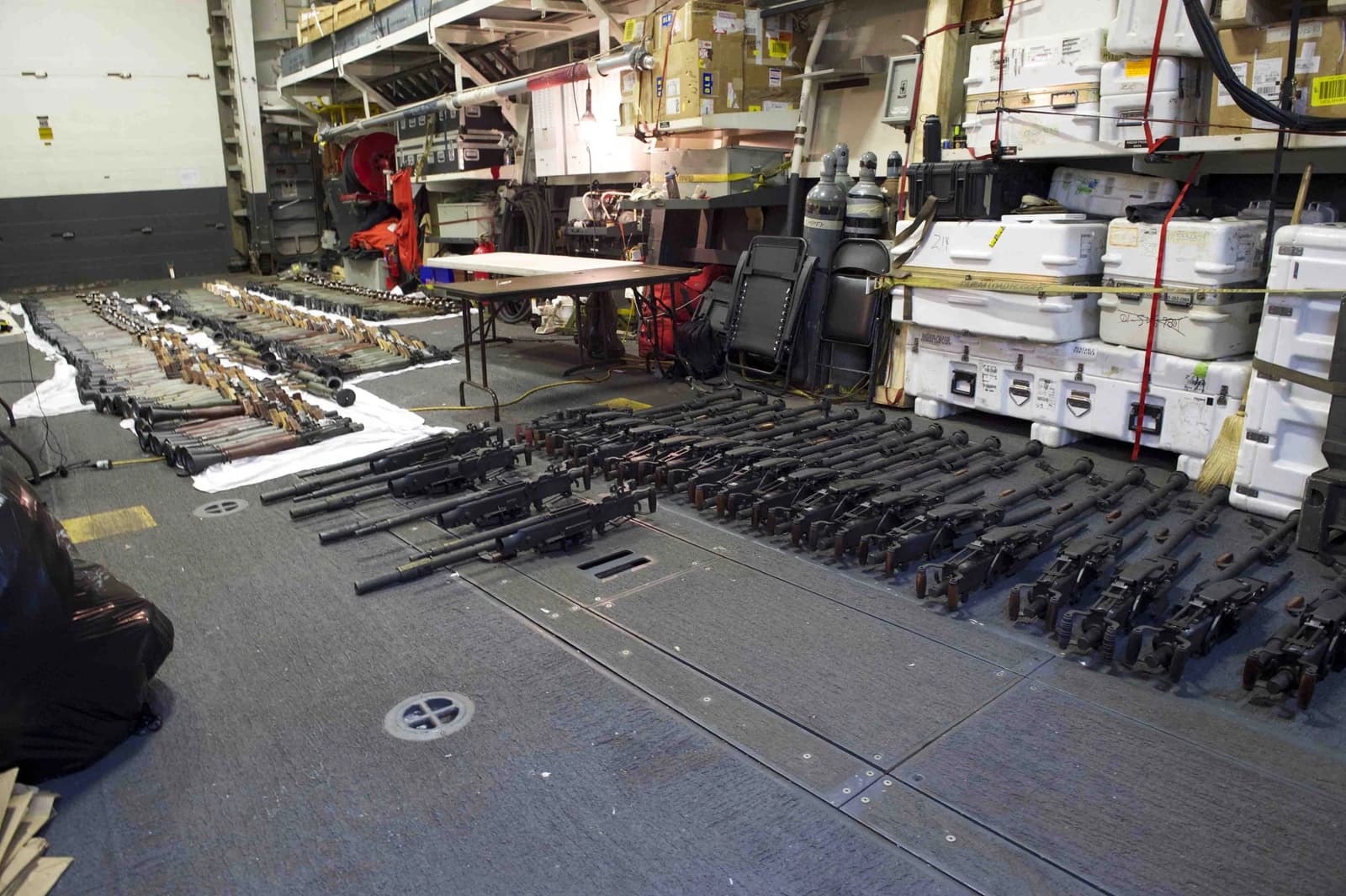
The warning matters because renewed Houthi attacks on Saudi Arabia’s energy infrastructure threaten supply in one of the world’s most sensitive crude-producing regions. Trump accused the group of trying to push global oil prices higher and suggested he could resume airstrikes in Yemen, a move that would raise the odds of a wider Middle East confrontation.
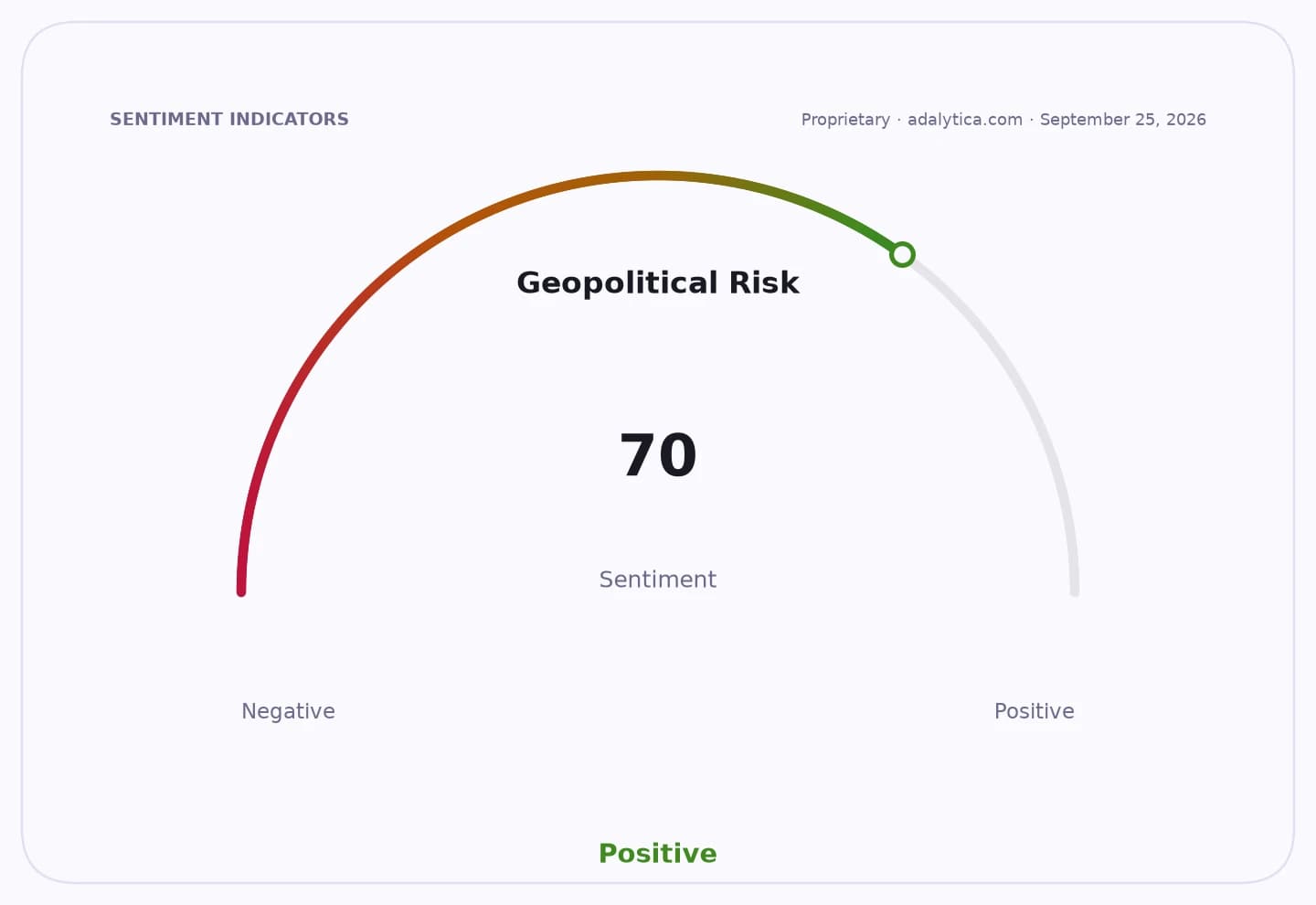
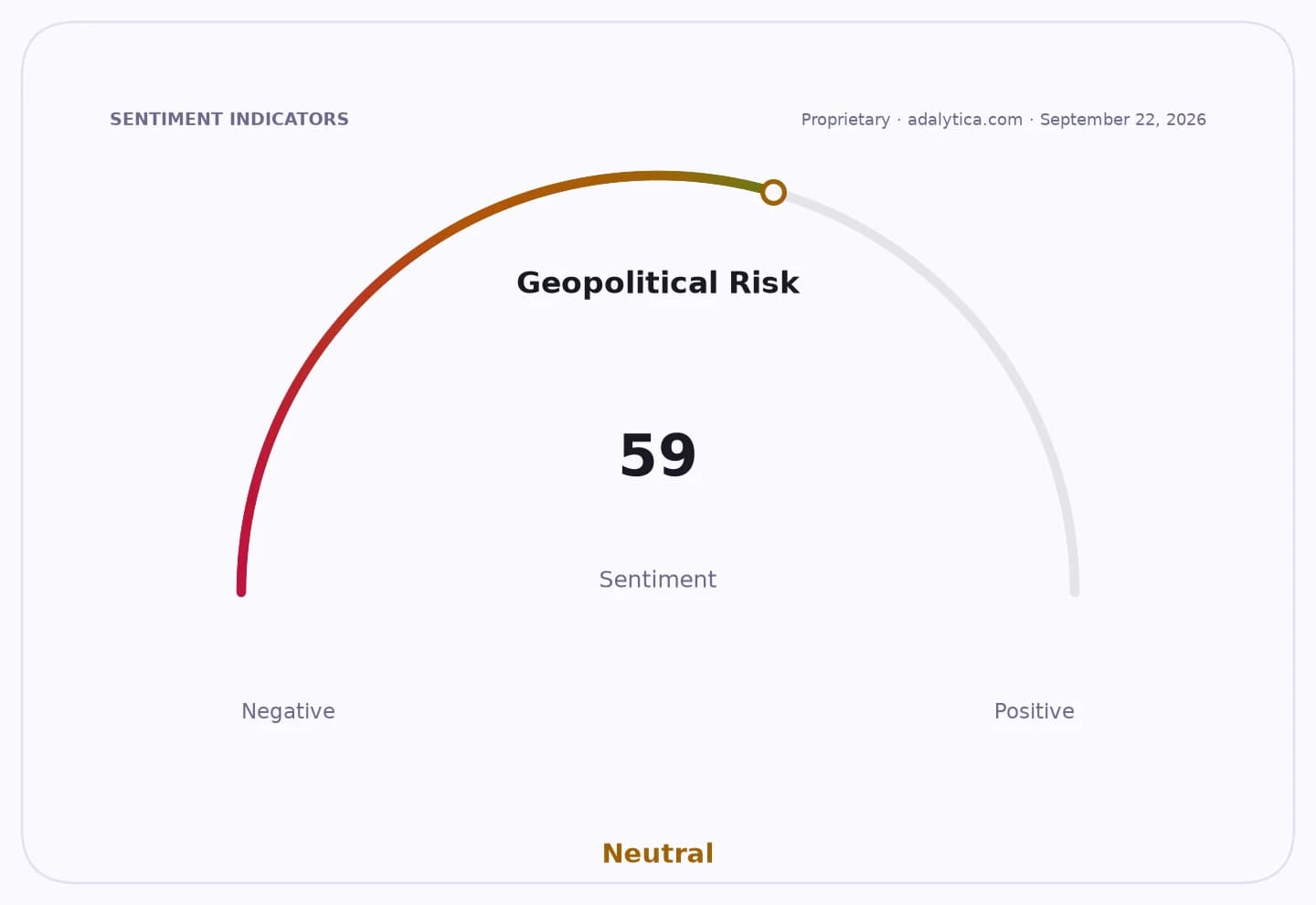
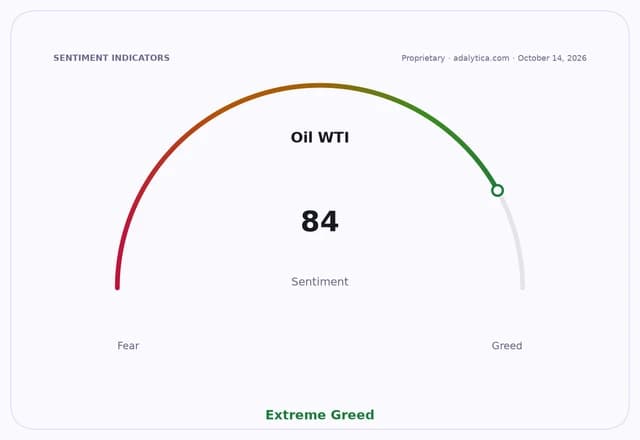
Sentiment IndicatorsⓘProprietary · adalytica.com · October 14, 2026
This is a snapshot — live sentiment, awareness and momentum for 130+ markets update continuously in the dashboard.Open AlphaPulse
Front-month U.S. crude has recently traded in the mid-$90s, with WTI closing at $95.34 on Oct. 14 after touching $97.89 earlier in the month, while the energy sector ETF XLE has climbed to $67.25. The move underscores how quickly traders price in supply disruption risk when attacks hit Saudi facilities or raise fears around the Strait of Hormuz.
The market backdrop has been tense for weeks. Brent has been trading above $106 a barrel in the broader context of the Houthi strikes, and the latest comments from Trump reinforce the idea that oil will remain highly sensitive to any escalation, especially if the U.S. signals a more aggressive posture toward Iran-aligned forces.
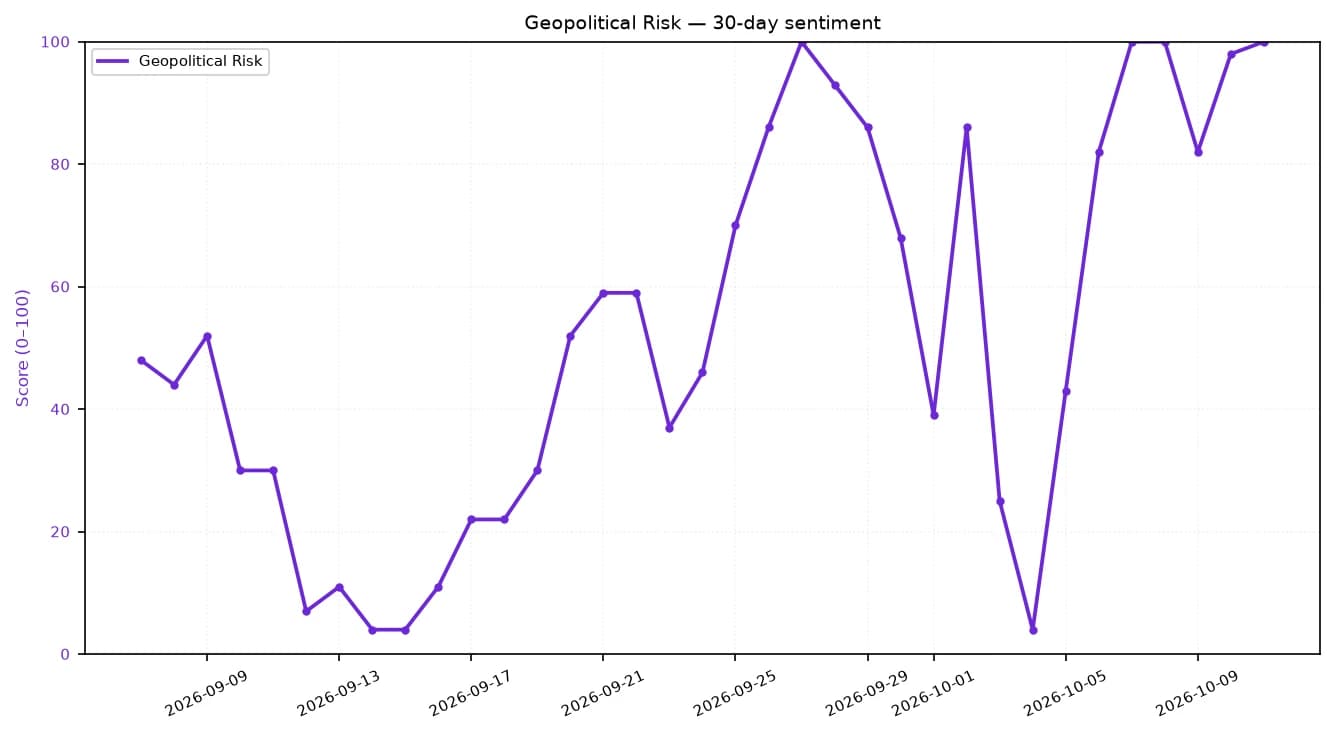
Geopolitical Risk — 30-day sentimentadalytica.com
Explore this data interactively — full history, time series and cross-market comparisons.Open AlphaPulse
The political timing also matters. Trump tied any action to the November vote, which introduces uncertainty over whether the U.S. response becomes a campaign issue or a foreign-policy step taken later in the year. A stronger U.S. military posture would likely support crude and energy shares, but it would also raise risks for importers, airlines and fuel-intensive industries.
Adalytica’s Oil WTI Trade Signals gauge shows sentiment at 84, labeled “Greed,” while awareness sits at “Extreme Fear,” a combination that fits a market pricing in elevated energy risk without yet seeing full-blown disruption. For investors, the immediate question is whether the Saudi attacks remain isolated or broaden into a sustained threat to Gulf supply chains.
| Entity | Gains | Losses |
|---|---|---|
| Oil producers | ▲Higher crude prices | ▼— |
| Energy stocks | ▲Risk premium support | ▼— |
| Oil importers | ▲— | ▼Higher input costs |
| Airlines and refiners | ▲— | ▼Fuel margin pressure |