Trump abruptly called off planned U.S. airstrikes on Yemen’s Houthi rebels at the last moment, after American military personnel were already loading bombs onto aircraft, according to reporting by the New York Times cited by Reuters. The reversal matters because it leaves one of the Middle East’s most volatile flashpoints unresolved just as attacks on Saudi territory and shipping routes keep risk premiums elevated across energy and defense markets.
Trump Calls Off Yemen Airstrikes on Houthis
The decision came after fresh appeals from Saudi Crown Prince Mohammed bin Salman’s government, which has long pressed Washington for stronger action against the Iran-aligned group. Reuters said Yemen’s Saudi-backed, internationally recognized president, Rashad al-Alimi, called Trump on Sunday to request U.S. military support, though Trump did not offer direct assurances during the conversation.
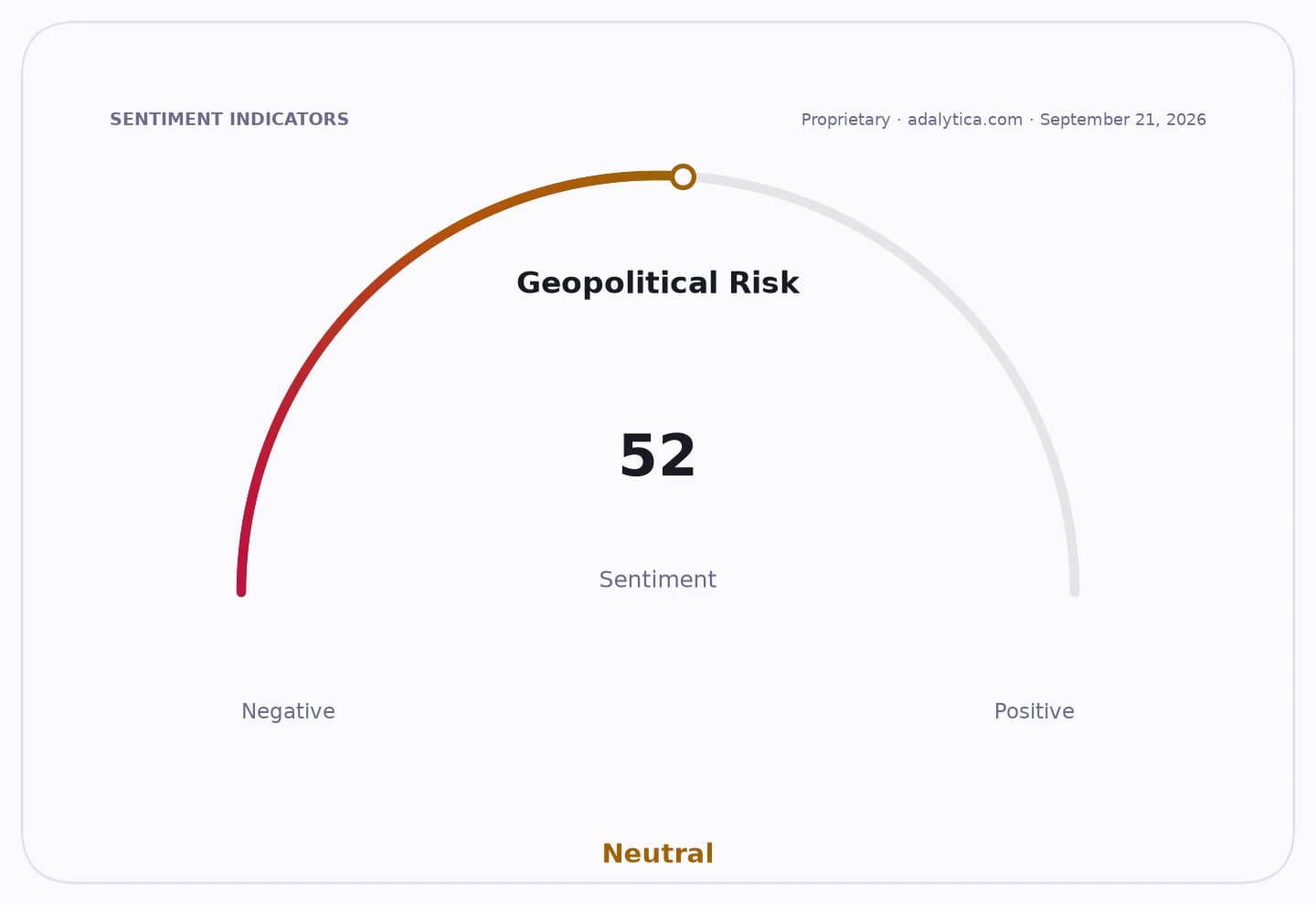
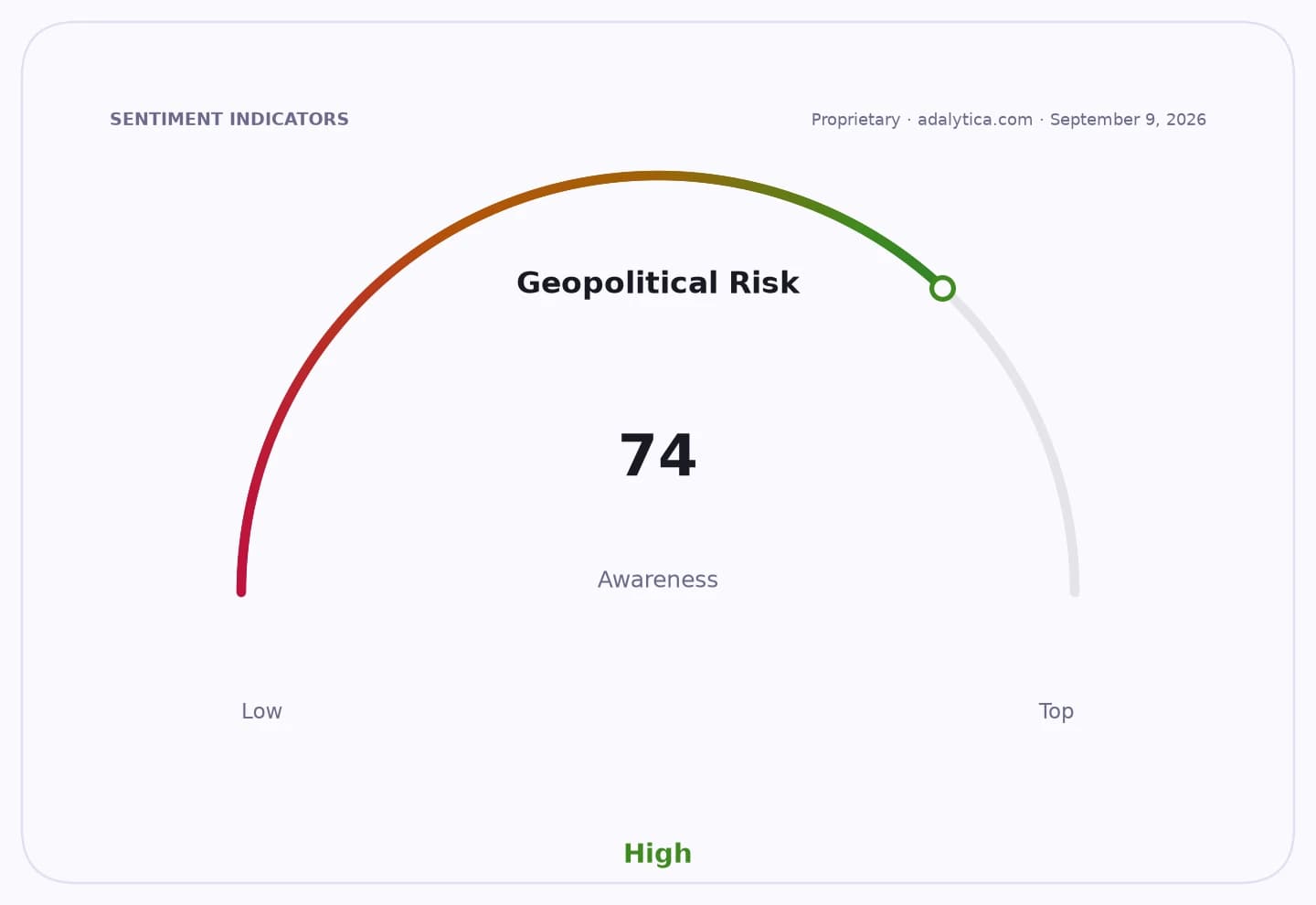
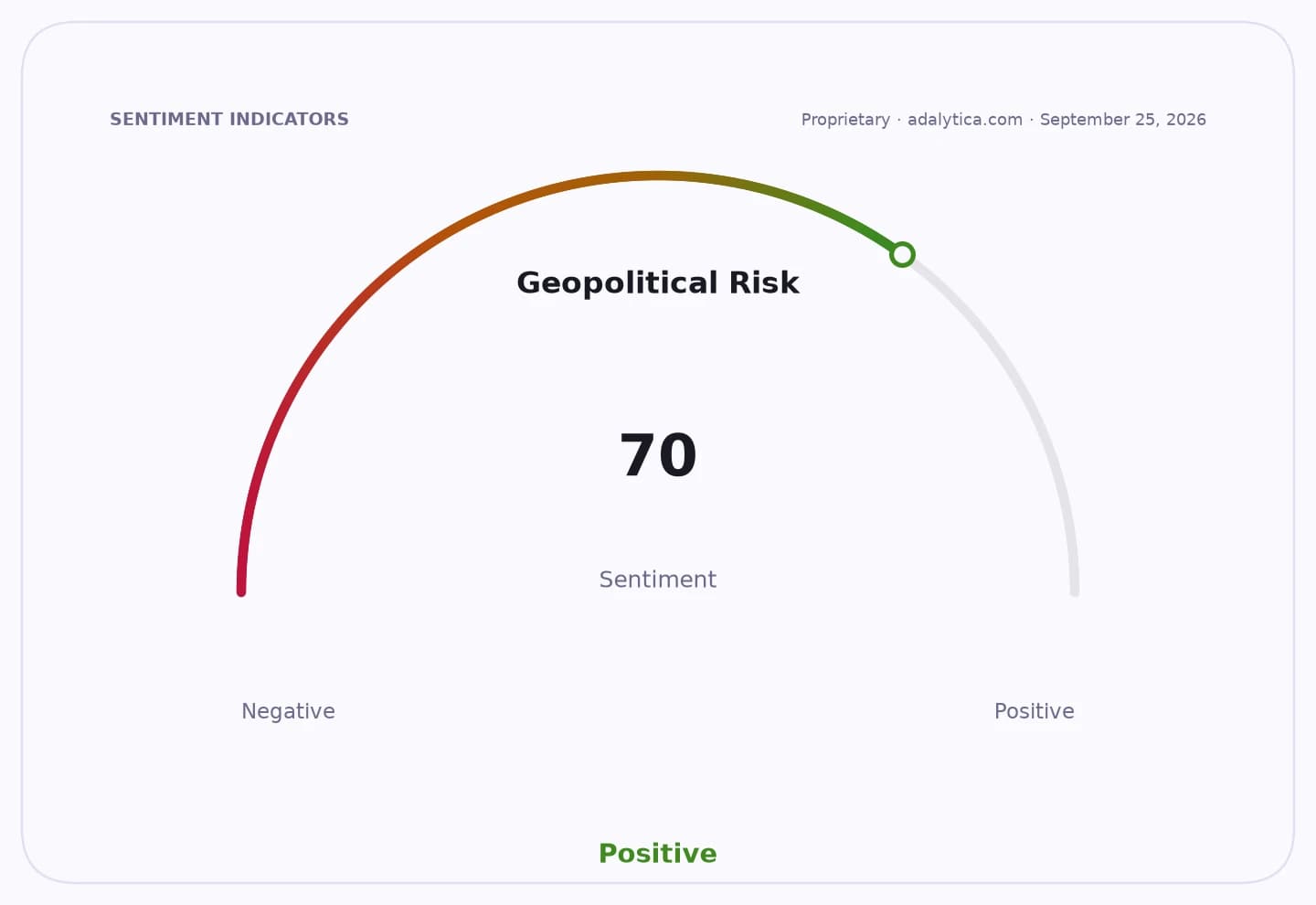
Sentiment IndicatorsⓘProprietary · adalytica.com · September 25, 2026
This is a snapshot — live sentiment, awareness and momentum for 130+ markets update continuously in the dashboard.Open AlphaPulse
For investors, the immediate issue is not just the threat of renewed strikes, but the uncertainty around how far the U.S. will go to protect Gulf infrastructure and shipping lanes. The prospect of escalation has been a recurring support for crude prices and energy-linked equities, and the latest reports reinforce that channel even though prices were already retreating from recent highs.
U.S. crude futures were last around $92.44 a barrel, above the 50-day moving average of $88.04 but down from $105.83 earlier this month, showing the market is still pricing in a meaningful geopolitical risk premium. The energy sector ETF XLE slipped to $62.04, while the oil-and-gas exploration ETF XOP fell to $181.50, both below their recent peaks, indicating traders are balancing conflict risk against softer momentum in broader oil shares.
The backdrop remains tense. The Houthis have kept up missile and drone attacks on Saudi targets, including reported strikes around Riyadh and energy infrastructure, and the latest assault only deepens concern that the Red Sea and Gulf security environment could deteriorate further. Chevron and Exxon Mobil have both warned in recent filings that Middle East instability can affect operations, logistics and product prices.
Adalytica’s Global Stability Sentiment gauge showed neutral overall sentiment at 70, but awareness remained at “extreme fear,” underscoring how quickly markets can reprice when military action appears imminent. The next catalyst is whether Washington and Riyadh respond with tighter military coordination, or whether the last-minute cancellation signals a preference to avoid widening the conflict.
| Entity | Gains | Losses |
|---|---|---|
| Oil producers | ▲Higher risk premium | ▼Lower geopolitical calm |
| Airlines and shippers | ▲Avoid immediate escalation risk | ▼Higher route insecurity |
| U.S. and Saudi officials | ▲More room for diplomacy | ▼Less deterrence against Houthis |
| Houthi rebels | ▲Narrower chance of immediate U.S. strike | ▼Greater threat of future retaliation |