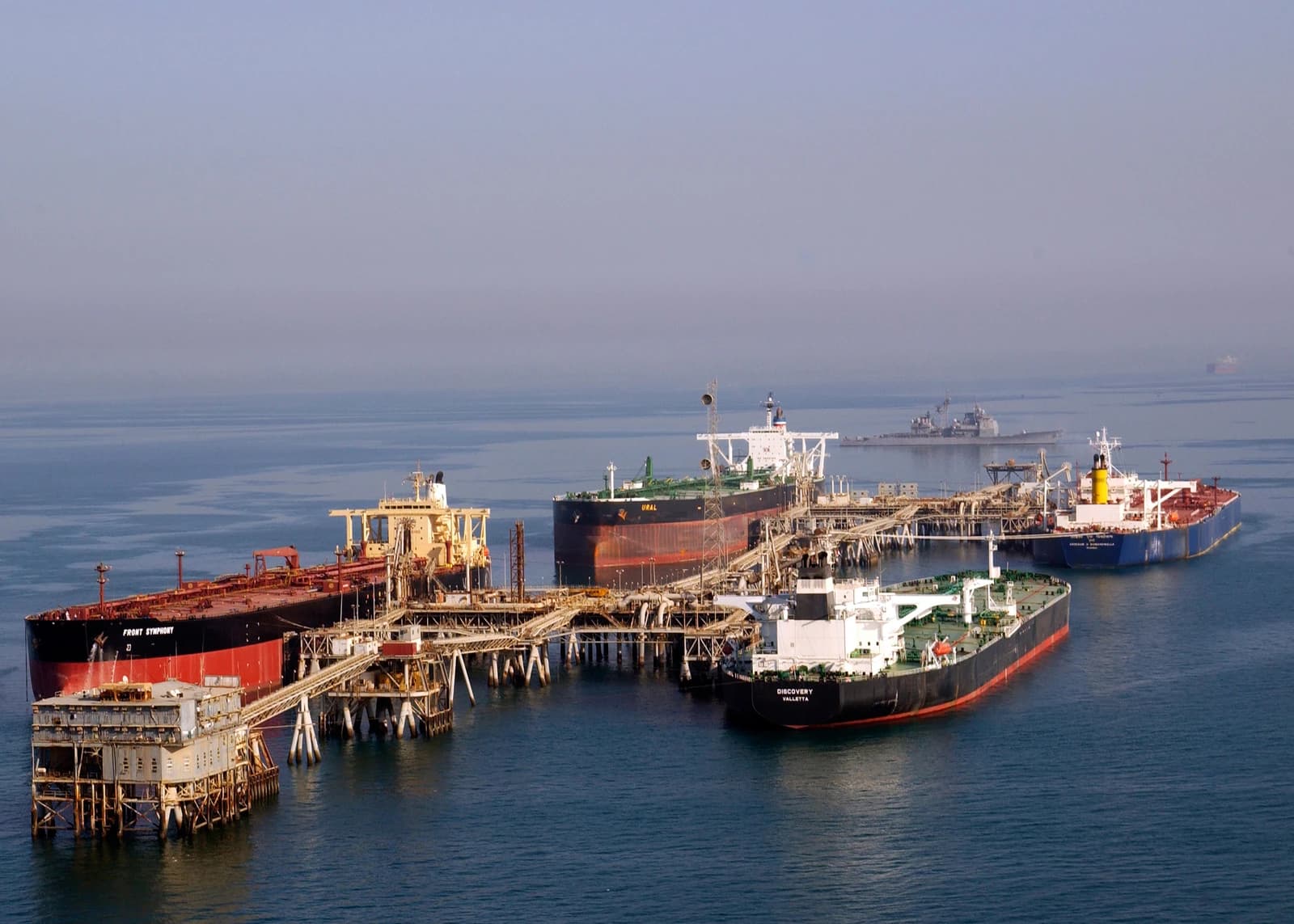
Basra crude averaged $108.93 a barrel in September, a sharp monthly jump that underscores how fast Middle East supply risks are reshaping the oil market and lifting prices across competing grades.
Basra crude averages $108.93 in September
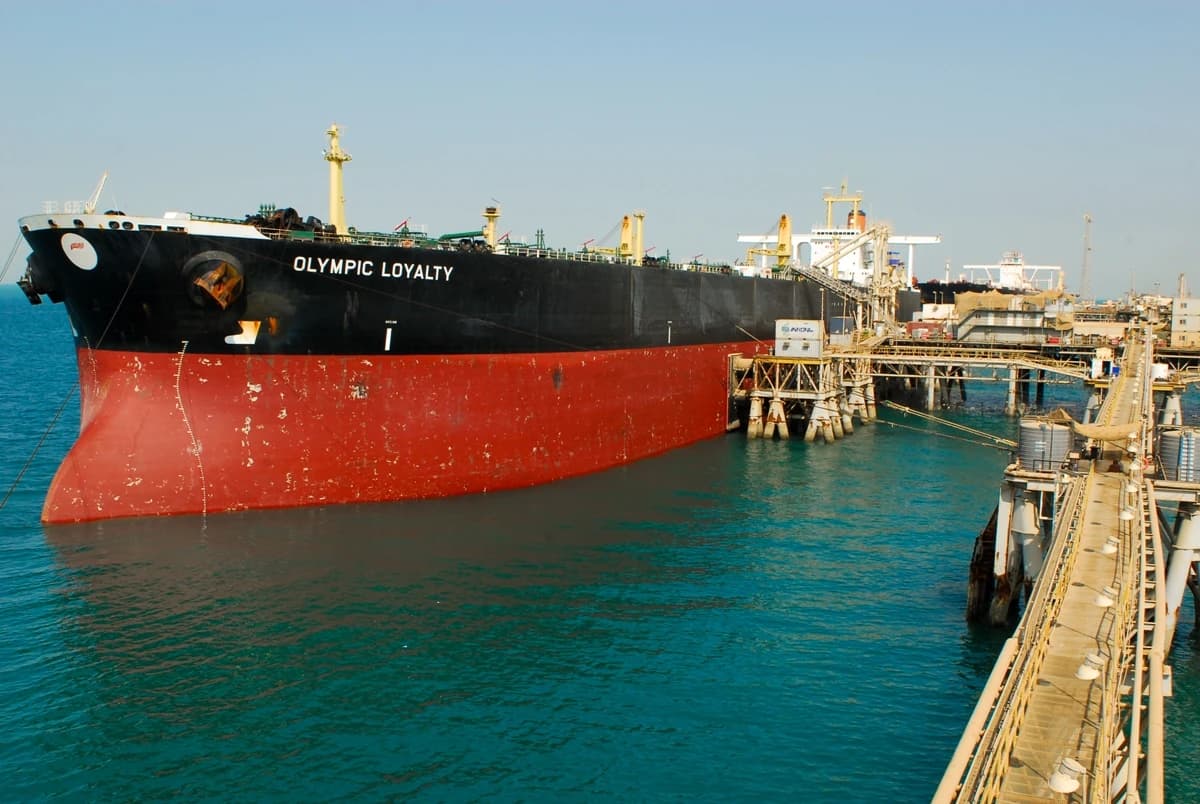
The increase from $82.04 in August was not an isolated move. OPEC’s latest monthly report showed its own reference basket rising to $110.59 a barrel from $86.44, while Brent averaged $116.89 and US benchmark West Texas Intermediate held at $96.38. The message for traders and refiners is clear: the market is pricing in tighter prompt supply, not just stronger demand.
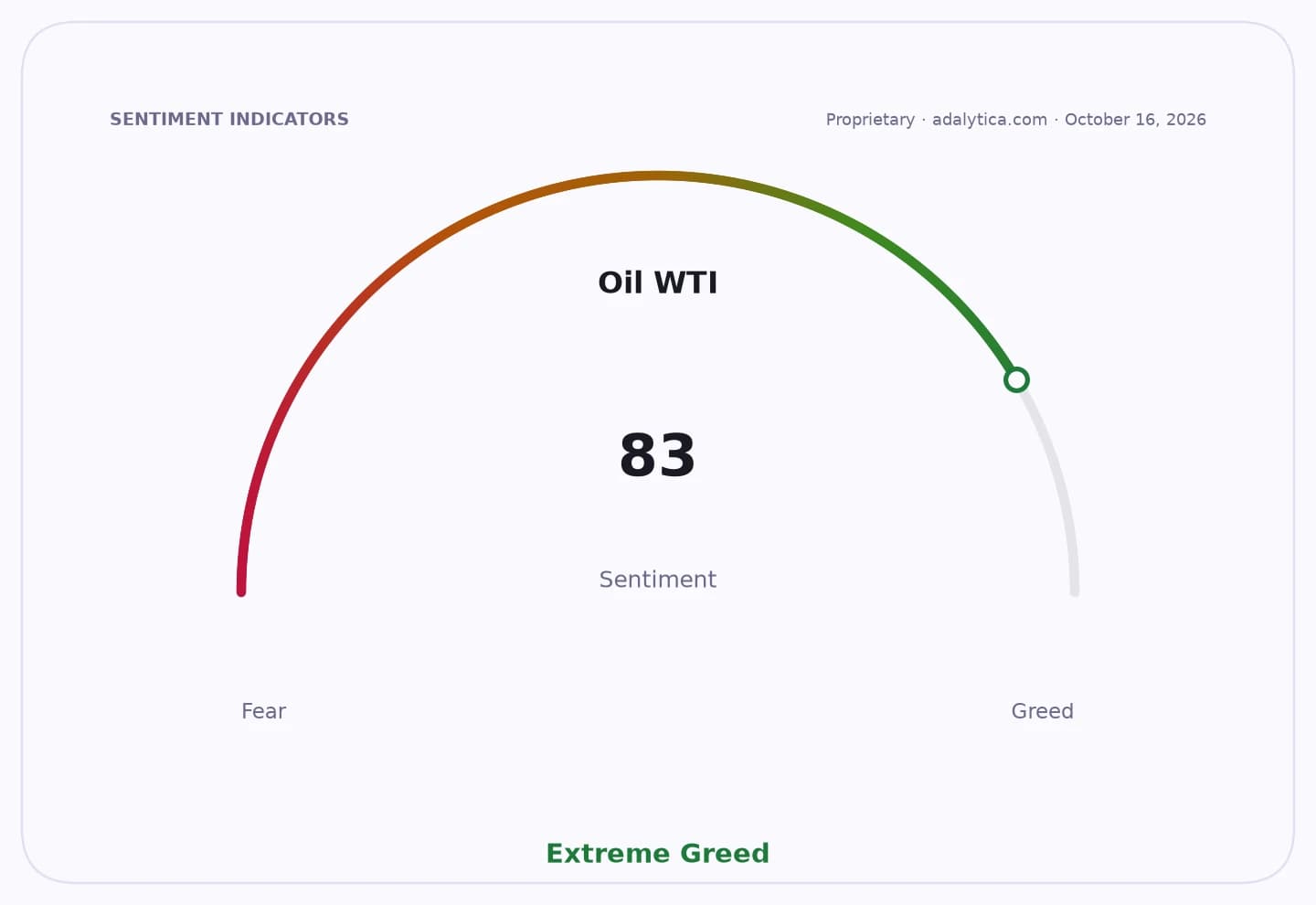
Sentiment IndicatorsⓘProprietary · adalytica.com · October 15, 2026
This is a snapshot — live sentiment, awareness and momentum for 130+ markets update continuously in the dashboard.Open AlphaPulse
OPEC attributed the rally to supply disruptions, fears over shipping through the Strait of Hormuz and heavier buying from European refineries seeking alternative crude after Middle East flows were affected. That combination tends to tighten different parts of the supply chain at once: producers gain pricing power, refiners face higher feedstock costs and importers pay more for barrels that can move without immediate geopolitical friction.
For Iraq, the move matters because Basra crude is the country’s key export stream and a major source of fiscal revenue. When prices rise this quickly, budget receipts can improve sharply in the short term, particularly if export volumes hold up. But the same price strength can also reflect fragility: if the premium is being driven by shipping risk or regional disruptions, higher revenues come with greater uncertainty over volumes, insurance costs and delivery schedules.
The market reaction has been equally telling. USO, the oil ETF that tracks front-month crude exposure, has traded well above its 50-day moving average, while the RSI has hovered in overbought territory, consistent with a stretched rally rather than a stable uptrend. Energy equities, as measured by XLE, have also climbed, suggesting investors are still willing to pay for upstream cash-flow exposure even as volatility rises. The Adalytica Oil WTI trade signal shows “Extreme Greed,” while OPEC policy sentiment has stayed neutral, a split that reflects a market chasing upside while still uncertain about how long the shock lasts.
The bull case is straightforward: if supply interruptions persist and European refiners keep competing for Middle East barrels, crude could stay elevated and support producers’ margins into the next quarter. The bear case is that some of the move is a risk premium that can unwind quickly if shipping concerns ease or if demand softens under the weight of higher fuel costs. In that scenario, recent gains in crude-linked assets could prove vulnerable to a sharp retracement.
For investors, the key issue is not just the September average, but whether this is the start of a sustained repricing of geopolitical risk in oil. If it is, exporters and energy producers remain the clear beneficiaries. If it is not, refiners, airlines, transport operators and oil-importing economies are likely to absorb most of the pain while speculative longs give back recent gains.
| Entity | Gains | Losses |
|---|---|---|
| Iraq/Basra crude exporters | ▲Higher export revenue | ▼Greater shipping uncertainty |
| OPEC producers | ▲Stronger pricing power | ▼More market volatility |
| Energy equities/long oil positions | ▲Better cash flow and returns | ▼Pullback risk if premiums fade |
| Refiners and oil importers | ▲— | ▼Higher feedstock and fuel costs |