Oil prices are heading into the next pricing round on a geopolitical premium that is keeping fuel costs elevated at major Thai service stations, with benchmark West Texas Intermediate up to about $101.91 a barrel on Oct. 14 and forecast to edge higher to $102.53.
WTI Rises as Thailand Fuel Prices Stay High
That matters because Thailand is a large net energy importer, so every sustained move in crude quickly filters through to domestic gasoline, diesel and gasohol prices, household transport costs and business margins. The latest posted retail prices show diesel at 42.94 baht a litre, regular gasoline at 50.43 baht and gasohol 95 at 41.44 baht, levels that remain sensitive to further crude volatility.
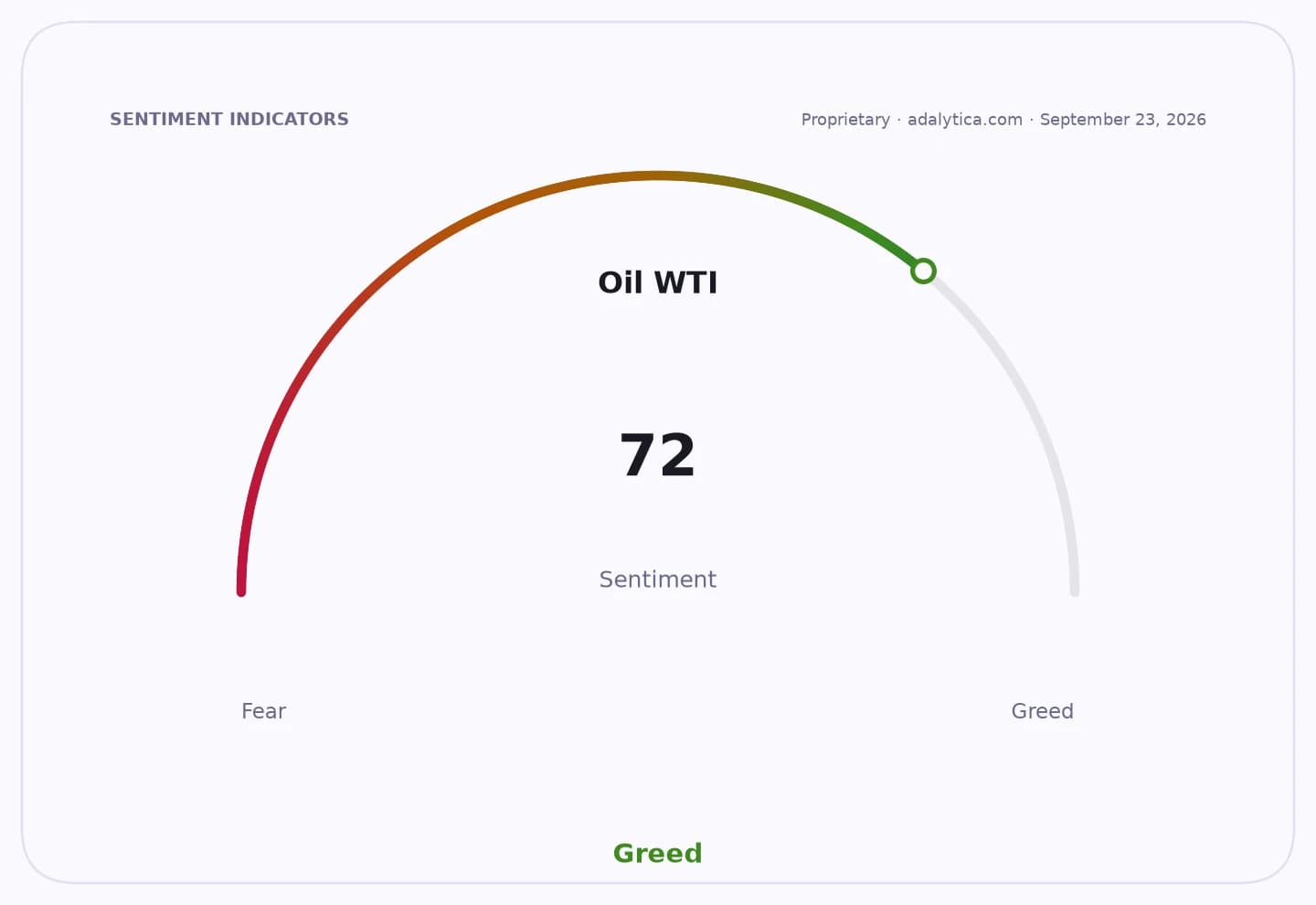
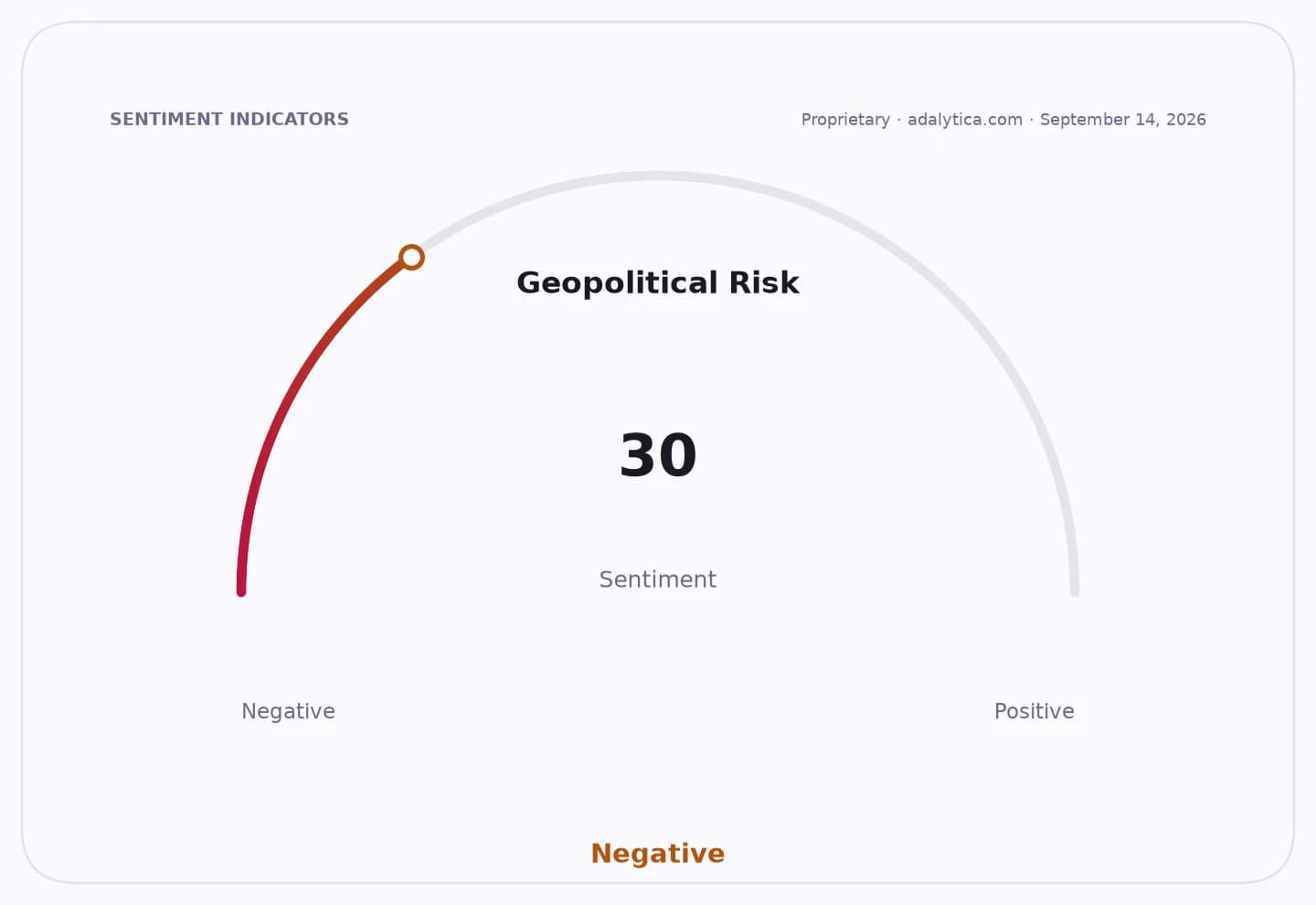
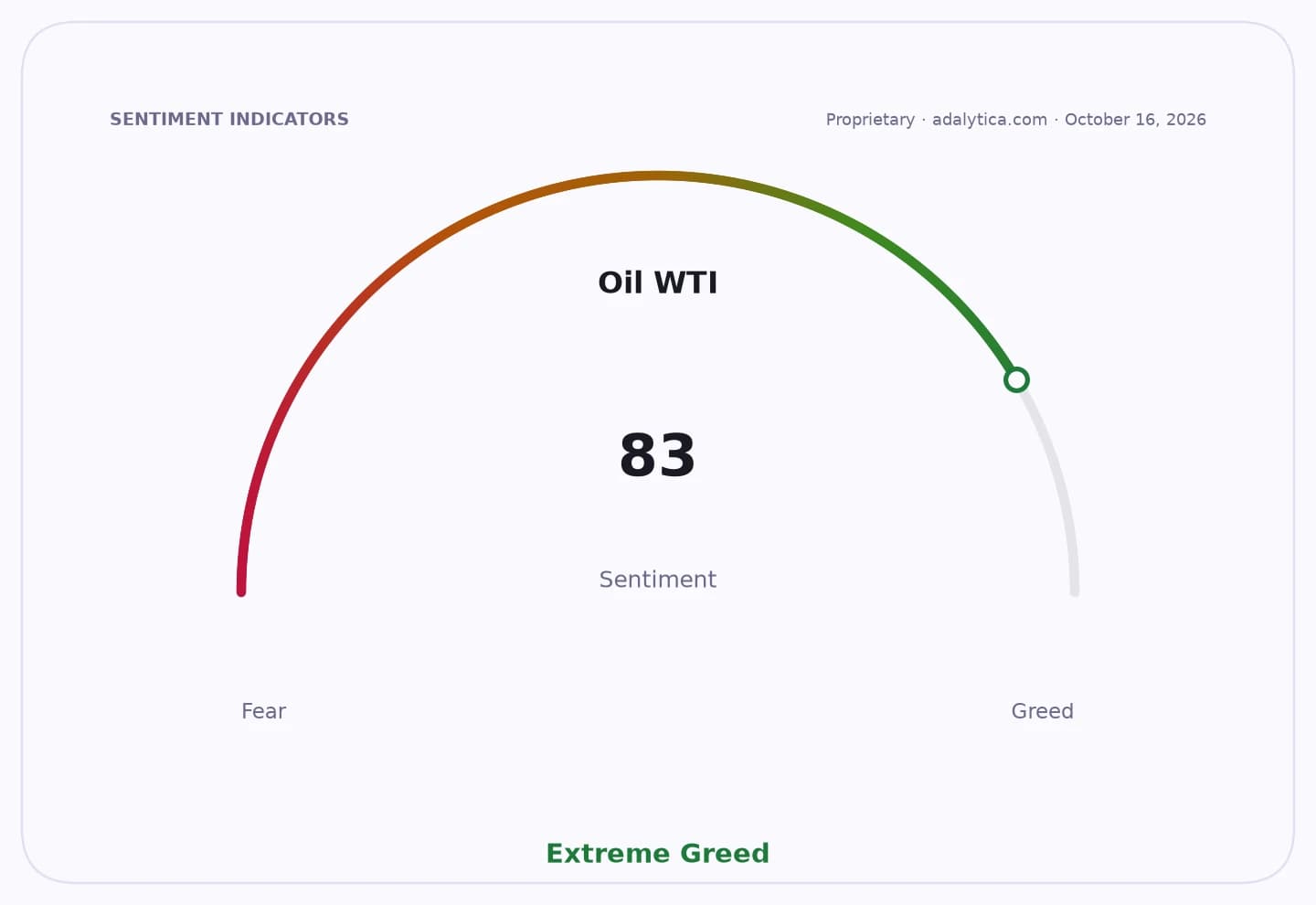
Sentiment IndicatorsⓘProprietary · adalytica.com · October 16, 2026
This is a snapshot — live sentiment, awareness and momentum for 130+ markets update continuously in the dashboard.Open AlphaPulse

The immediate driver is renewed concern over supply disruption in the Middle East, including the risk to flows through the Strait of Hormuz. Crude has rebounded sharply from 85.23 a barrel on Sept. 25, a reminder that the market is being pulled between worries about interrupted shipments and signs of softer global demand. The swing has been fast enough to keep traders on edge: WTI has risen 15.84% from Oct. 12 to Oct. 14, while Adalytica’s oil trade signal snapshot shows “greed” at 83 even as awareness remains at “extreme fear,” a combination that suggests a market still vulnerable to headline-driven spikes.
For investors, the move has two clear implications. Integrated producers and explorers such as Chevron and ConocoPhillips benefit from higher realized prices, while refiners and fuel distributors face a narrower margin if crude costs rise faster than product prices. Consumers and transport-heavy industries, meanwhile, absorb the first-round hit through higher diesel and gasoline bills, which can eventually feed into inflation.
DCOILWTICO vs CPIAUCSL — macro contextadalytica.com
Explore this data interactively — full history, time series and cross-market comparisons.Open AlphaPulse
The macro backdrop is mixed rather than outright bullish. U.S. benchmark oil remains well above its 50-day moving average of about $90.50 and its 200-day average of $83.97, but the RSI of 63.1 and a flattening MACD point to a market that is strong, not runaway. That helps explain why forecasts still imply only a modest further rise, with WTI seen around 102.53 a barrel on Oct. 15 rather than a fresh surge.
For now, the key question is whether Middle East tensions intensify enough to extend the rally or whether softer demand and abundant supply reassert themselves. If supply fears deepen, Thai pump prices are likely to stay sticky. If they fade, the recent rebound may prove another short-lived spike in a year of volatile energy markets.
| Entity | Gains | Losses |
|---|---|---|
| Oil producers | ▲Higher realized prices | ▼— |
| Thai consumers | ▲— | ▼Higher fuel bills |
| Refiners | ▲Stronger product spreads if demand holds | ▼Crude cost pressure |
| Importers | ▲— | ▼Higher energy import costs |