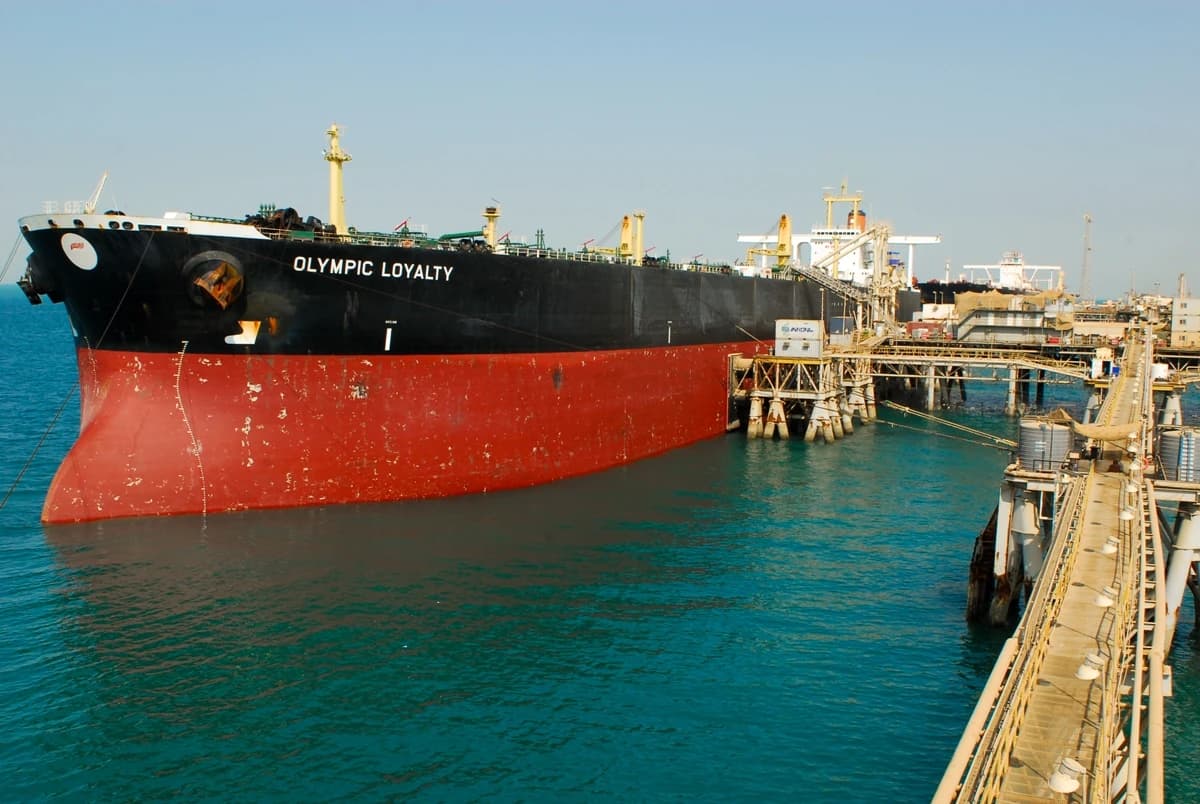
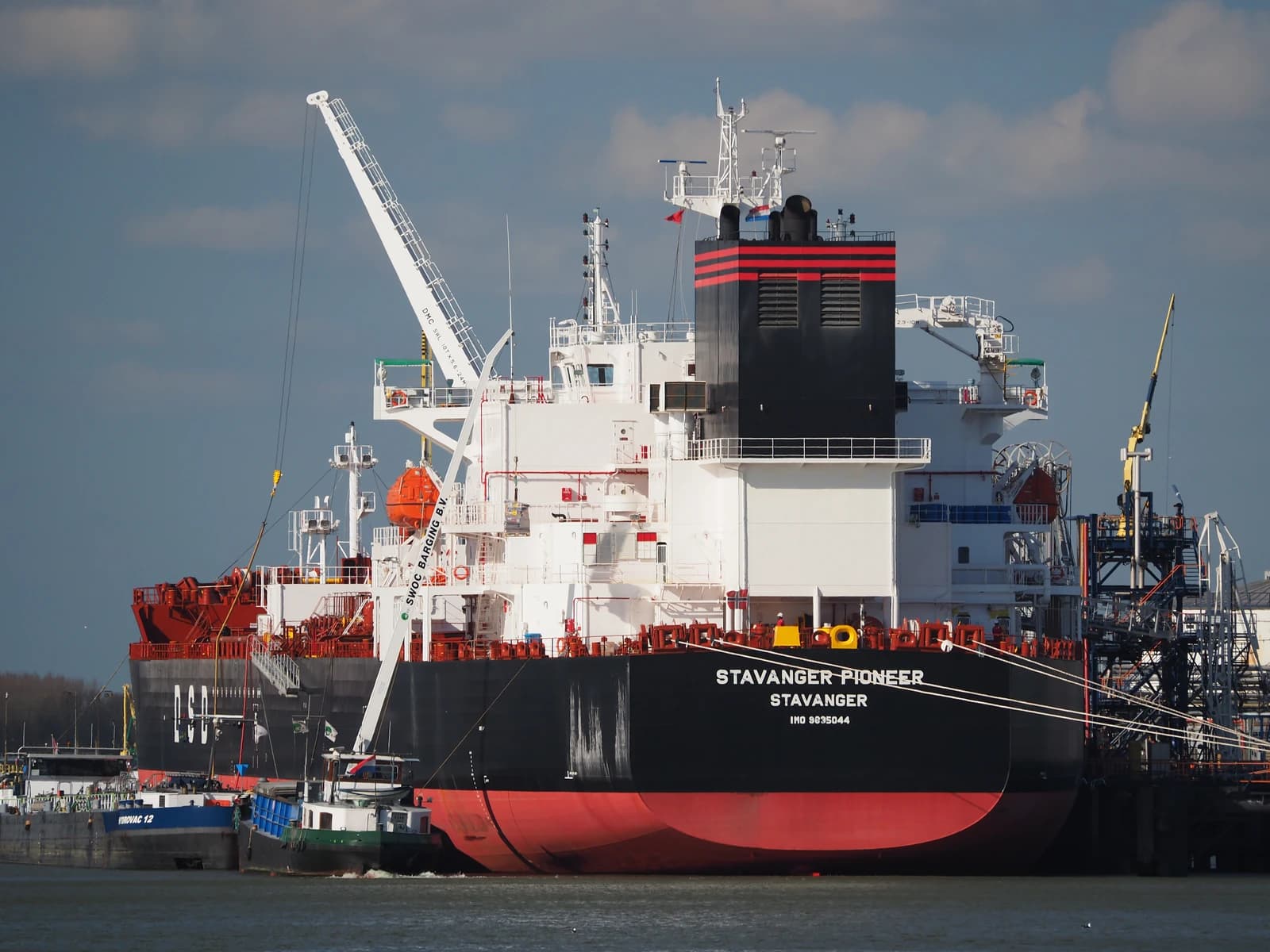
International oil prices climbed at the settlement, with Brent pushing above $106 a barrel as repeated attacks on Saudi Arabia’s East-West pipeline and disruption risks around the Hormuz Strait tightened an already strained market. The move matters because it lifts the cost of energy across the global economy, raises inflation pressure just as investors had been betting on cooler price growth, and threatens to keep central banks from easing policy as quickly as markets want.
Brent Crude Tops $106 on Supply Fears
The rally is being driven by supply fear more than demand optimism. Saudi Arabia has again suspended flows on a key pipeline after attacks, while tanker assaults in one of the world’s most strategic shipping lanes have increased the risk premium on crude. At the same time, inventories have fallen more than expected, leaving traders with less buffer against any further outage. Even a modest interruption now carries outsized pricing power because the market is already operating with thin margins for error.
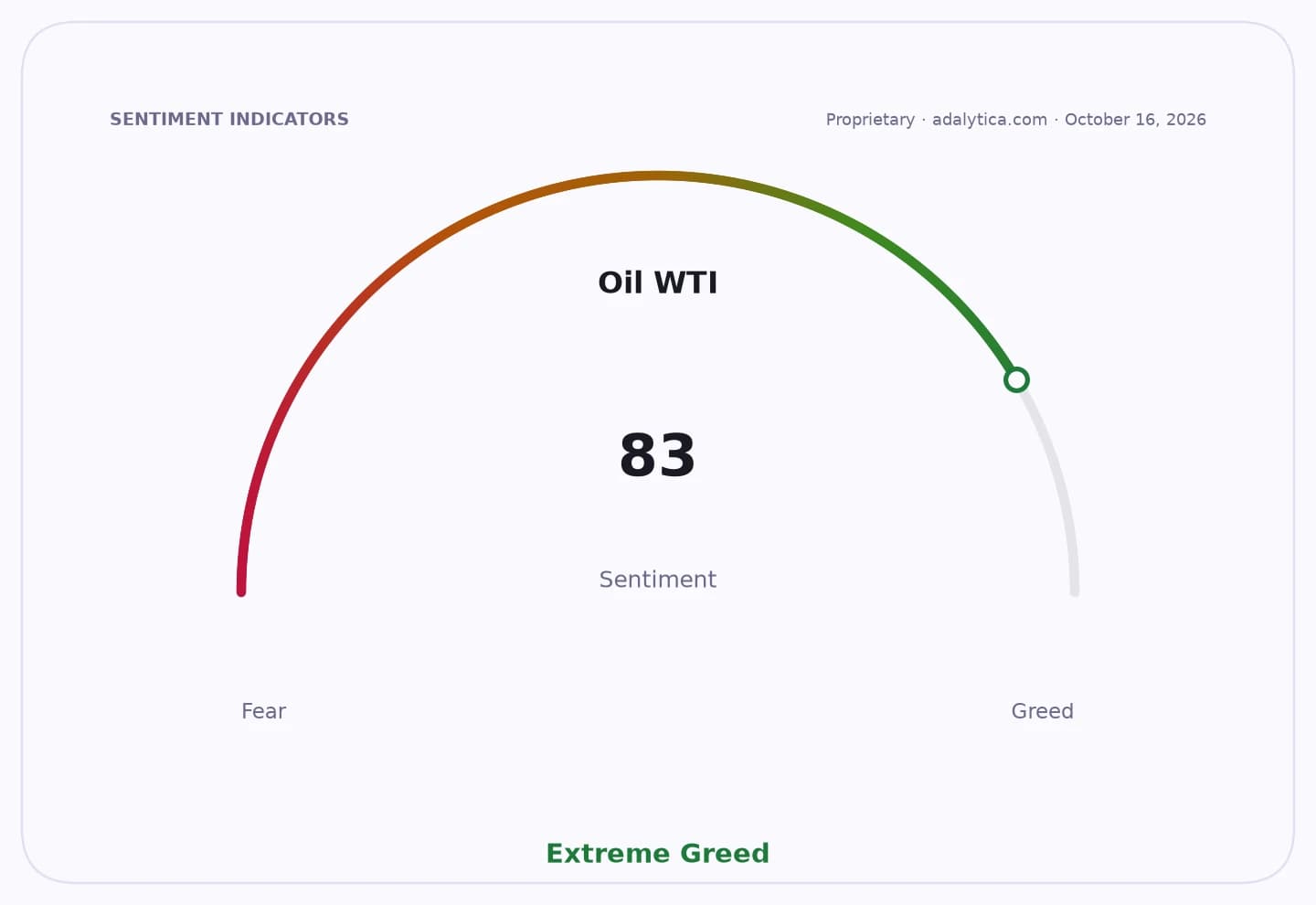
Sentiment IndicatorsⓘProprietary · adalytica.com · October 16, 2026
This is a snapshot — live sentiment, awareness and momentum for 130+ markets update continuously in the dashboard.Open AlphaPulse
That has direct macro consequences. Higher crude tends to feed through to gasoline, diesel and transport costs, then into headline inflation with a lag. The latest backdrop already shows a powerful rebound in inflation psychology: confidence that the Federal Reserve can keep inflation at 2% has surged in Adalytica’s proprietary INFL2 gauge, while long-term inflation expectations remain at “Extreme Greed” levels. In plain terms, the market is once again treating oil as a potential inflation accelerant rather than a temporary shock.
For investors, the first-order winners are upstream producers and oil-service names with leverage to sustained pricing. ConocoPhillips, Chevron, Exxon Mobil and Occidental Petroleum all benefit when Brent holds well above their budget assumptions, and the rally also supports service companies such as Halliburton by improving customer cash flow and drilling activity. That backdrop helps explain why oil-linked funds have been bid up: BNO closed at $64.86, far above its 50-day moving average of $57.41, while USL ended at $61.20, also comfortably above its 50-day average of $54.87. Both funds remain technically firm, with USL’s RSI at 84.0 and BNO’s at 71.3, readings that show momentum is stretched but still positive.
The bigger investment point is that the market may still be underpricing the persistence of this shock. Brent above $106 is not just a commodity headline; it is a tax on consumers, a boost to energy equities, and a complication for rate-cut expectations. If the pipeline attacks and tanker risks persist, oil remains one of the cleanest hedges in the market and one of the few trades where geopolitics, inflation and earnings all point in the same direction.
For now, the actionable takeaway is straightforward: stay overweight the energy complex, favor the producers and service names with the strongest free-cash-flow leverage, and keep oil exposure as a portfolio hedge against a renewed inflation wave.
| Entity | Gains | Losses |
|---|---|---|
| Brent crude / oil bulls | ▲Higher prices, stronger momentum | ▼Overbought risk if supply fears ease |
| Upstream producers (XOM, CVX, COP, OXY) | ▲Wider cash flow margins | ▼Higher political pressure |
| Oil-service firms (HAL) | ▲More drilling spend, stronger activity | ▼Project delays if outages worsen |
| Consumers / importers | ▲None | ▼Higher fuel, transport and inflation costs |