Oil prices slipped after the White House signaled a temporary energy truce, but the bigger economic story is that fuel costs are not falling fast enough to give consumers immediate relief.
Oil Prices Slip After White House Energy Truce
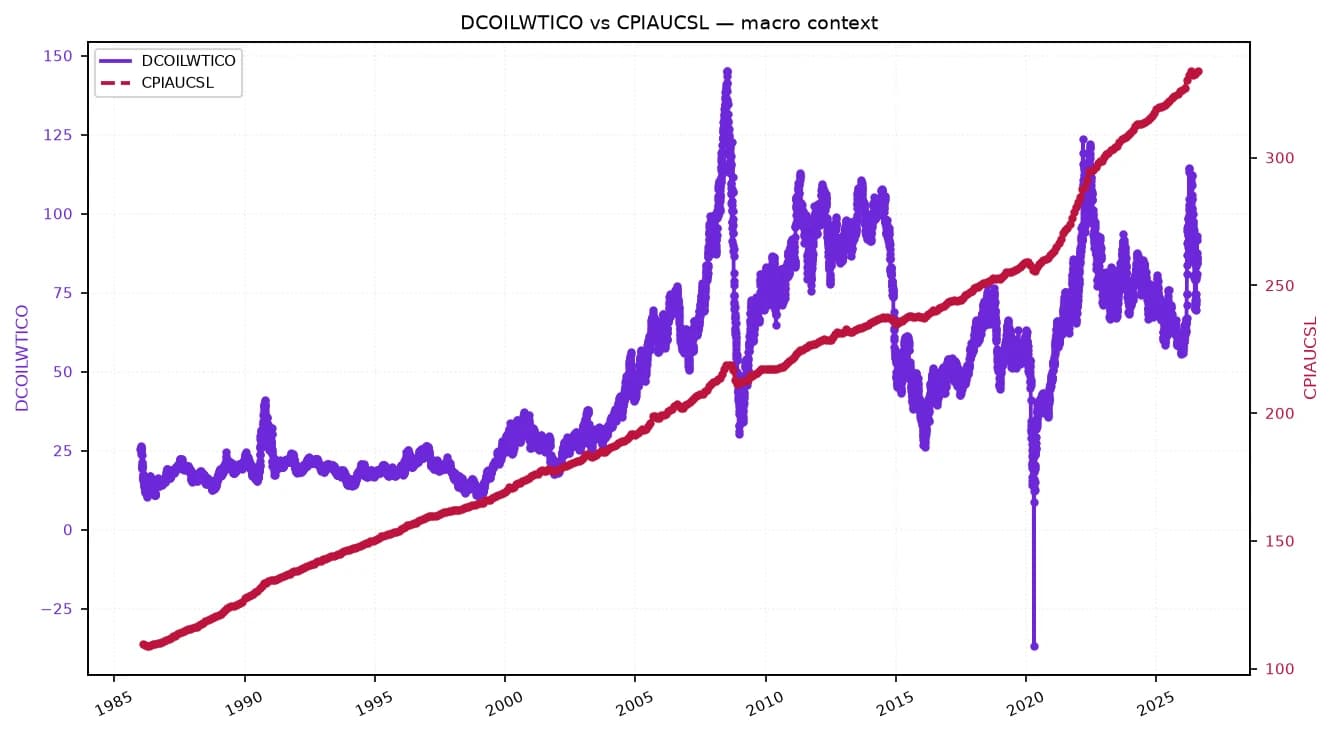
West Texas Intermediate was last around $95.79 a barrel in the latest forecast, down modestly from the prior day, while the oil-linked USO fund rose to $152.78 on Oct. 13 after a powerful run that left it sharply extended above its 50-day moving average. The more important takeaway for markets is that crude remains high enough to keep inflation pressure alive, even as headline oil sentiment has turned less fearful and more complacent, according to Adalytica’s trade signals.
Sentiment IndicatorsⓘProprietary · adalytica.com · October 13, 2026
This is a snapshot — live sentiment, awareness and momentum for 130+ markets update continuously in the dashboard.Open AlphaPulse
That matters because oil feeds directly into transport, manufacturing and the broader price level. CPI and producer prices have both climbed materially over the past year, and the latest data show inflation remains far above pre-pandemic norms. Energy is not the only driver, but sustained crude near the mid-90s leaves little room for a meaningful decline in gasoline or diesel without a broader easing in global supply risks.
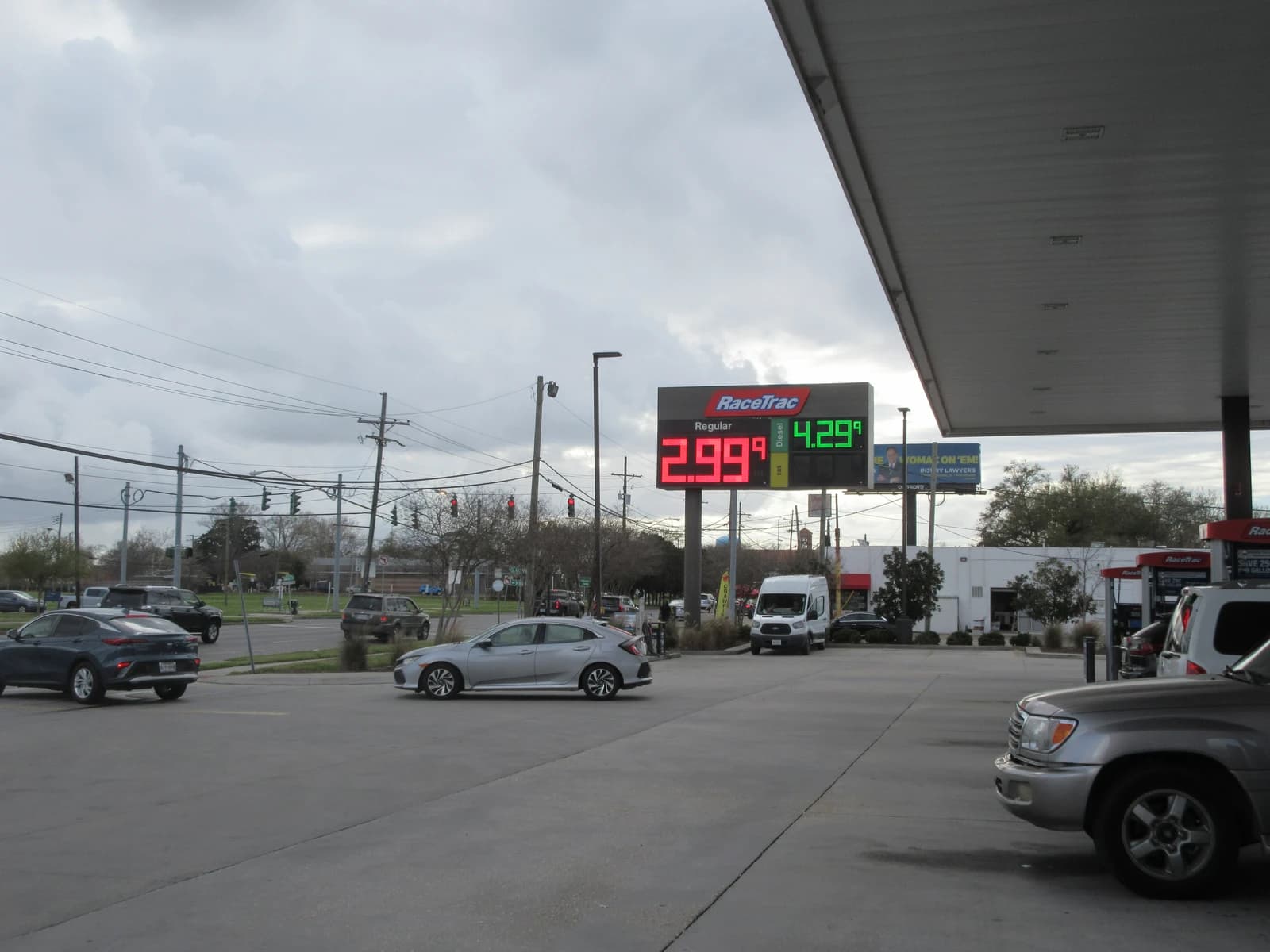
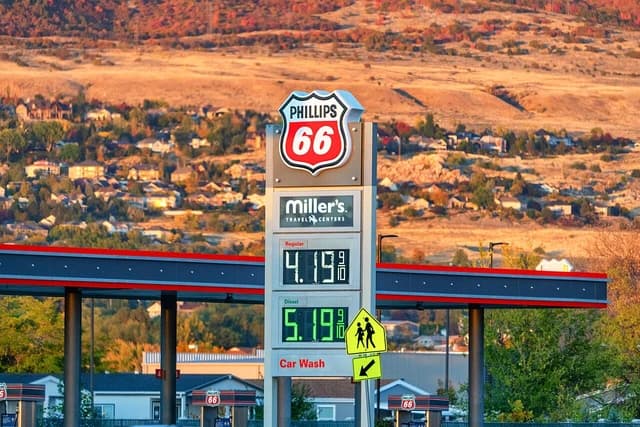
For drivers, the near-term effect is more nuanced. Gasoline prices typically lag crude moves, so a single-day dip in oil does not quickly translate into cheaper pump prices. The U.S. gas market also has its own supply-demand mechanics: refinery utilization, seasonal maintenance, inventories and regional distribution bottlenecks can keep retail prices sticky even when crude softens. That is why the White House truce may cool the oil market more quickly than it helps households.
Investors should read the move as a repricing of geopolitical risk rather than a structural shift in the commodity cycle. Oil’s rise this year has already fed into better cash flow for producers and wider downstream margins for refiners, but it also raises the chance that policymakers become more aggressive on strategic stockpiles, diplomacy or demand-side measures if prices stay elevated. ConocoPhillips, Chevron and Exxon Mobil all flagged volatile commodity prices and geopolitical tensions as material risks in recent filings, underscoring how quickly sentiment can turn.
Natural gas is the other key part of the story. USO’s recent strength and the broader commodity backdrop have coincided with a 54% surge in natural gas prices in the market context, a sign that energy inflation is not confined to crude. That has implications for utilities, industrial users and households, particularly if gas costs stay high into winter. UNG, the natural gas fund, remains below its 200-day moving average even after a recent rebound, suggesting traders are still wary of a choppy market rather than a clean breakout.
The broader narrative is that Washington may have bought a pause, not a resolution. If the truce reduces immediate policy uncertainty, it can cap another leg higher in oil. But unless supply improves or demand softens, gasoline and diesel are likely to stay elevated enough to keep energy a live inflation issue into the next round of CPI and PPI prints.
| Entity | Gains | Losses |
|---|---|---|
| White House | ▲Short-term market calm | ▼Limited pump-price relief |
| Oil producers | ▲Supportive crude prices | ▼Policy scrutiny |
| Consumers/drivers | ▲Slight chance of softer prices ahead | ▼Persistently high gasoline costs |
| Refiners | ▲Elevated margins | ▼Risk of demand destruction |