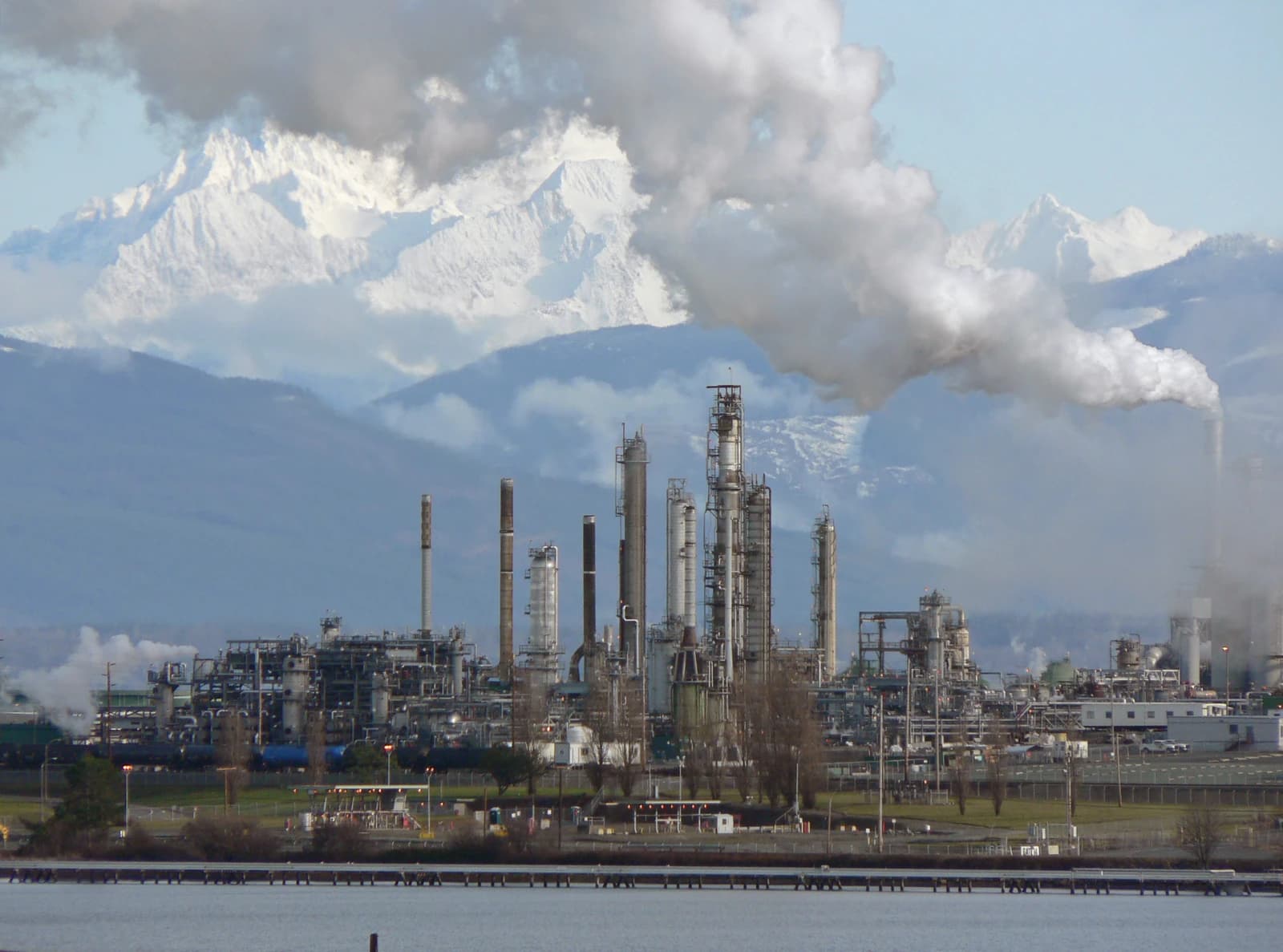
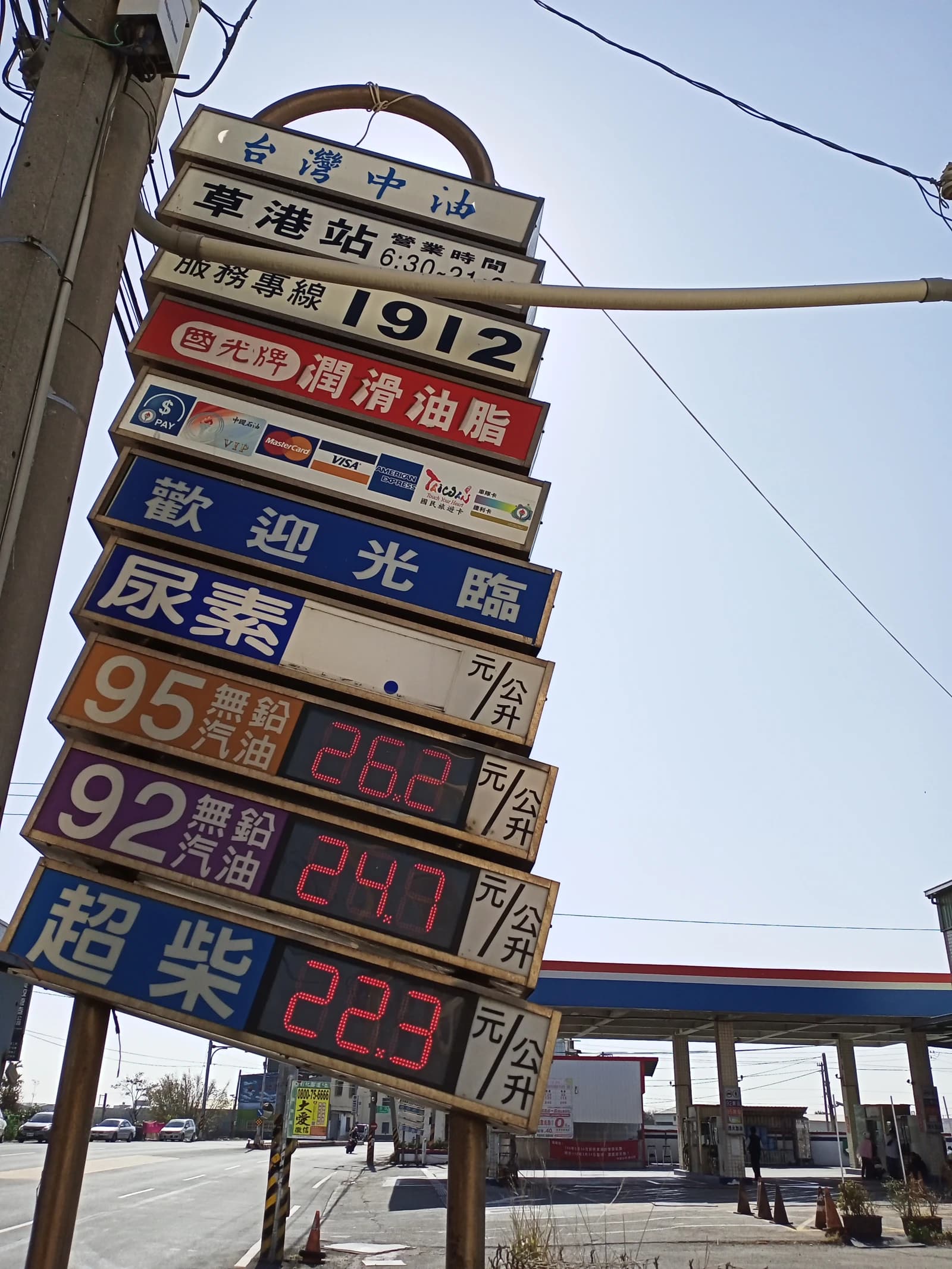
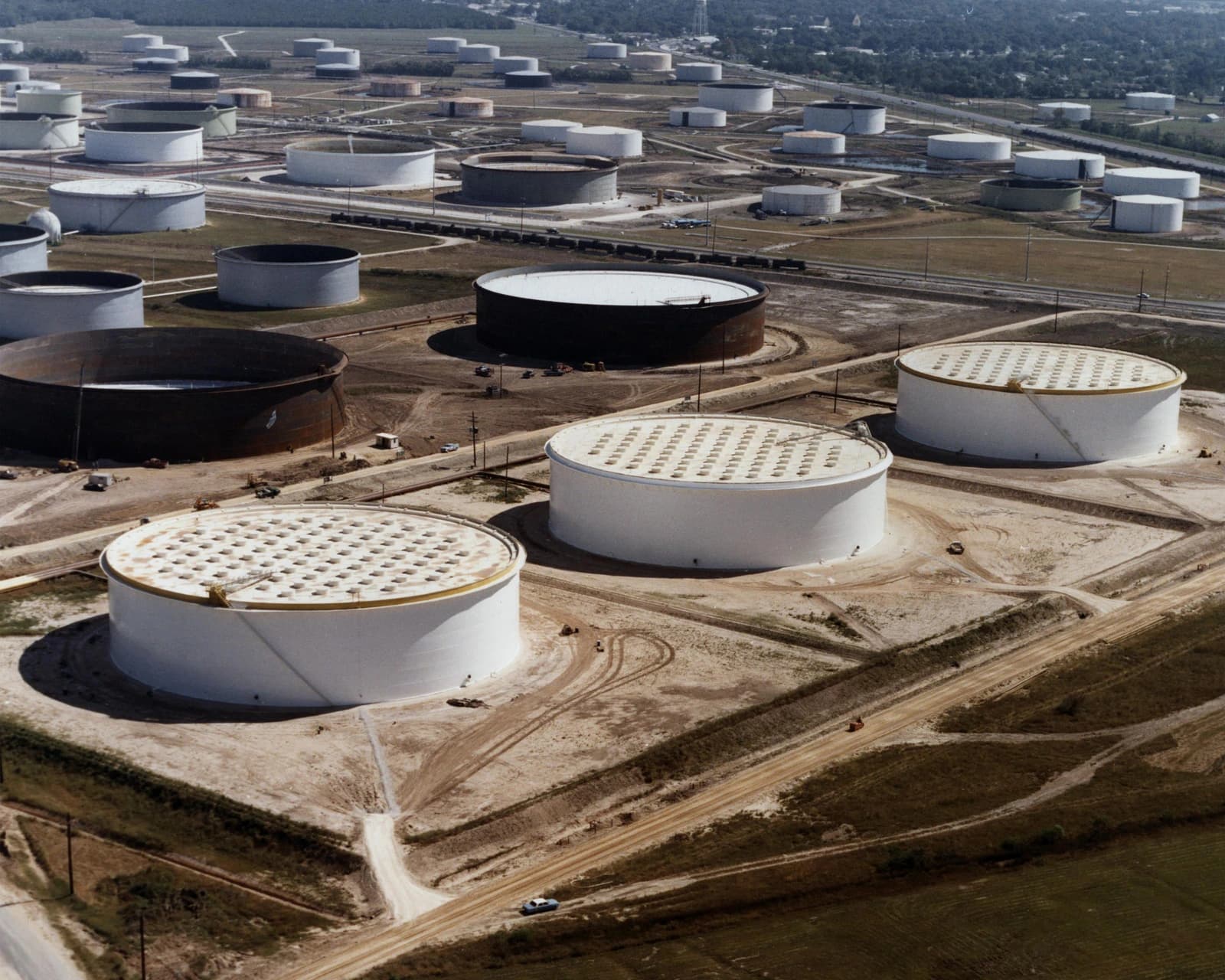
Fuel markets are driving the political response as diesel prices and crude costs stay elevated, raising the odds that any policy move on trucking fuel will feed directly into inflation, freight costs and refinery margins.
Diesel Prices Drive Inflation and Refining Margins
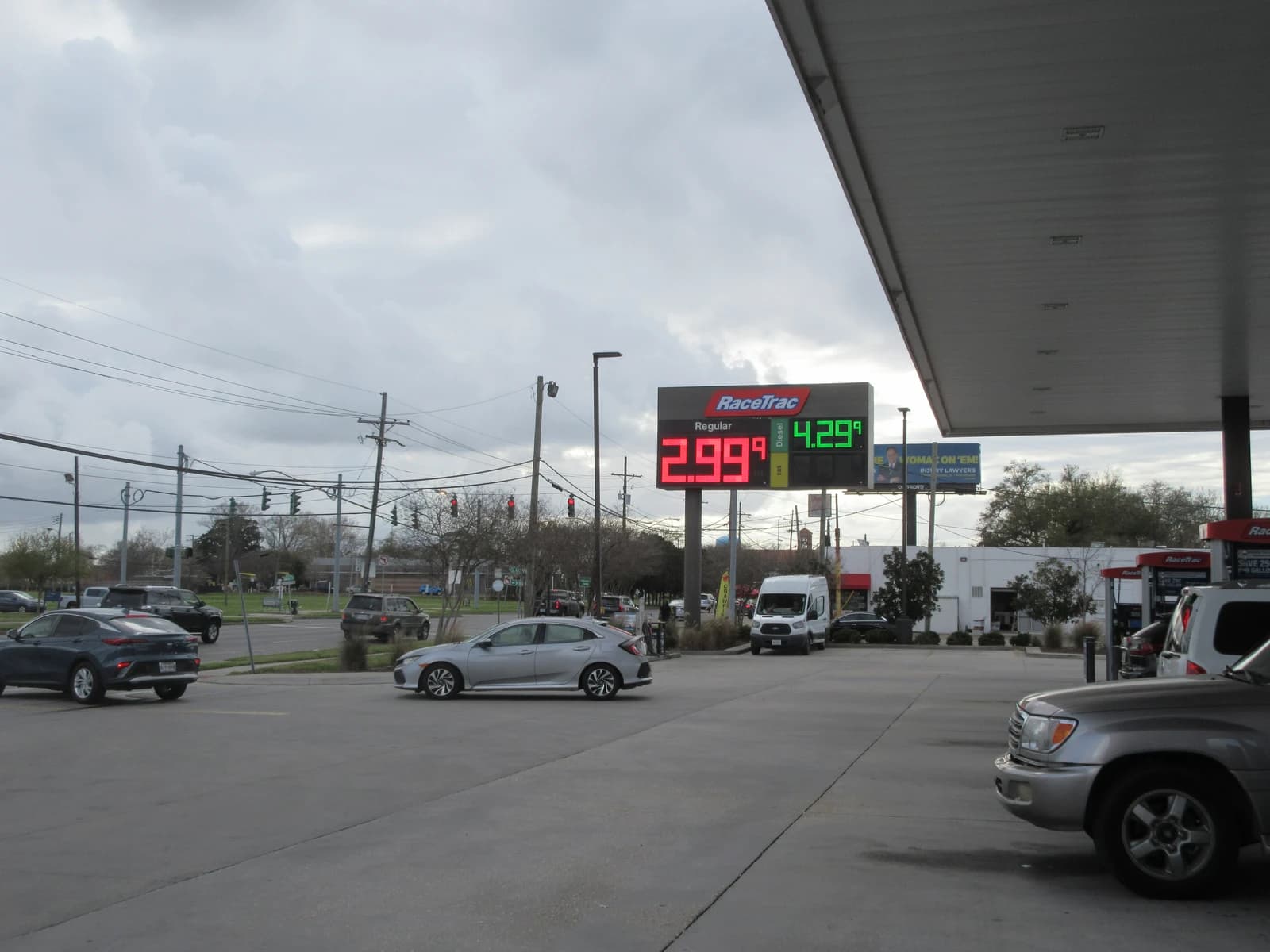
The immediate economic issue is not just that diesel is expensive, but that it sits at the center of the supply chain. When diesel costs rise, the impact travels quickly through road haulage, agriculture, construction and manufacturing, making it one of the fastest ways energy prices show up in consumer prices and corporate margins. That is why a promise of a “big announcement” on diesel matters beyond the campaign trail: it speaks to a cost pressure that is already broadening across the real economy.
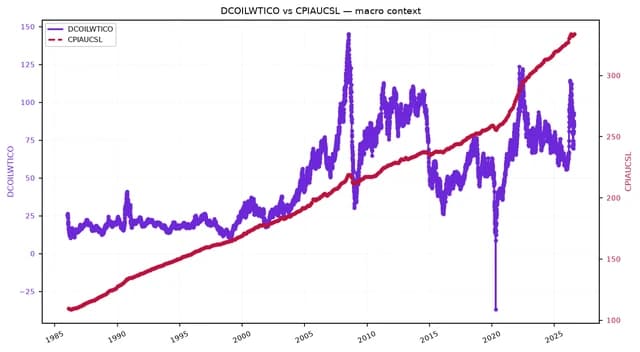
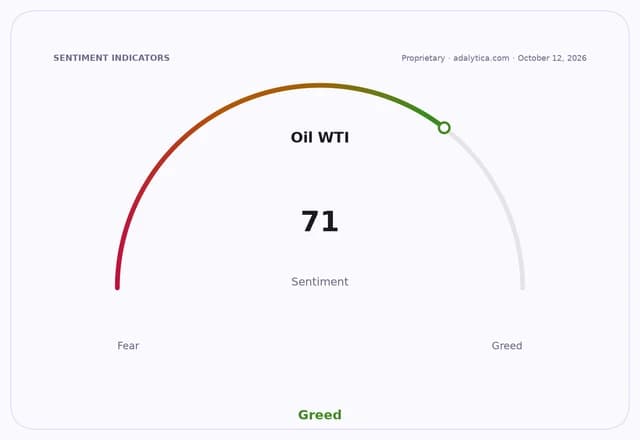
In the US, West Texas Intermediate has been hovering around the low $90s a barrel, with front-month crude at $91.40 on Oct. 12, after surging above $100 in September. The recent move has left oil well above its 200-day moving average, even after a pullback from the highs, and the market remains far from neutral with the 50-day average still climbing. USO, the crude ETF, has shown the strain too: its 50-day average is far below the latest price and the fund’s RSI only recently cooled from deeply overbought levels, a sign of how fast energy sentiment has swung.
That matters because diesel is usually the first refined product to tighten when crude is strong and inventories are lean. The broader price backdrop is already inflationary. US consumer prices were running at 334.13 in August, near a forecast September level of 333.86, while producer prices were at 287.93, also close to record territory. Those readings imply that any sustained fuel shock could complicate efforts to bring inflation down, especially if transport and logistics costs feed through with a lag.
The political angle is therefore inseparable from the market one. Higher diesel prices hit households indirectly through shipping and food, but they hit industry directly through operating costs. For refiners such as Marathon Petroleum, Phillips 66, Valero and Chevron, stronger diesel pricing can support crack spreads and downstream earnings, though only if crude input costs and product demand do not erode margins. Their latest filings show downstream profitability remains highly sensitive to refining margins, throughput and feedstock costs, which means a diesel rally can help or hurt depending on how quickly it is absorbed into the broader product slate.
The macro backdrop also explains why governments have been forced to react. G7 countries have already moved to release oil and diesel reserves, underscoring concern that fuel tightness could turn into a wider inflation problem. In Europe, where diesel prices have climbed to record highs in some markets, the pressure is already visible in freight and industrial costs. Any US intervention aimed at lowering diesel prices would be designed to ease that same squeeze, but it would likely have limited effect if crude remains firm and global supply stays tight.
For investors, the key question is whether policy can offset what is primarily a supply-driven energy move. If it can, that would ease pressure on transport-heavy sectors, consumer spending and inflation expectations. If it cannot, the market may have to price in a longer period of elevated fuel costs, stronger refinery margins and a more stubborn inflation path. That would keep energy equities supported, but it would also weigh on airlines, trucking, industrials and retailers.
The near-term catalyst is simple: whether the promised diesel announcement translates into tax relief, strategic releases or another intervention aimed at reducing pump prices. Until then, the market will keep treating diesel as a macro variable, not just a fuel.
| Entity | Gains | Losses |
|---|---|---|
| Refiners | ▲Wider diesel margins | ▼Crude-cost volatility |
| Trucking and freight users | ▲Lower fuel bills if policy works | ▼Higher operating costs |
| Consumers | ▲Easier goods inflation | ▼Sticky transport prices |
| Energy producers | ▲Higher product pricing power | ▼Risk of demand destruction |