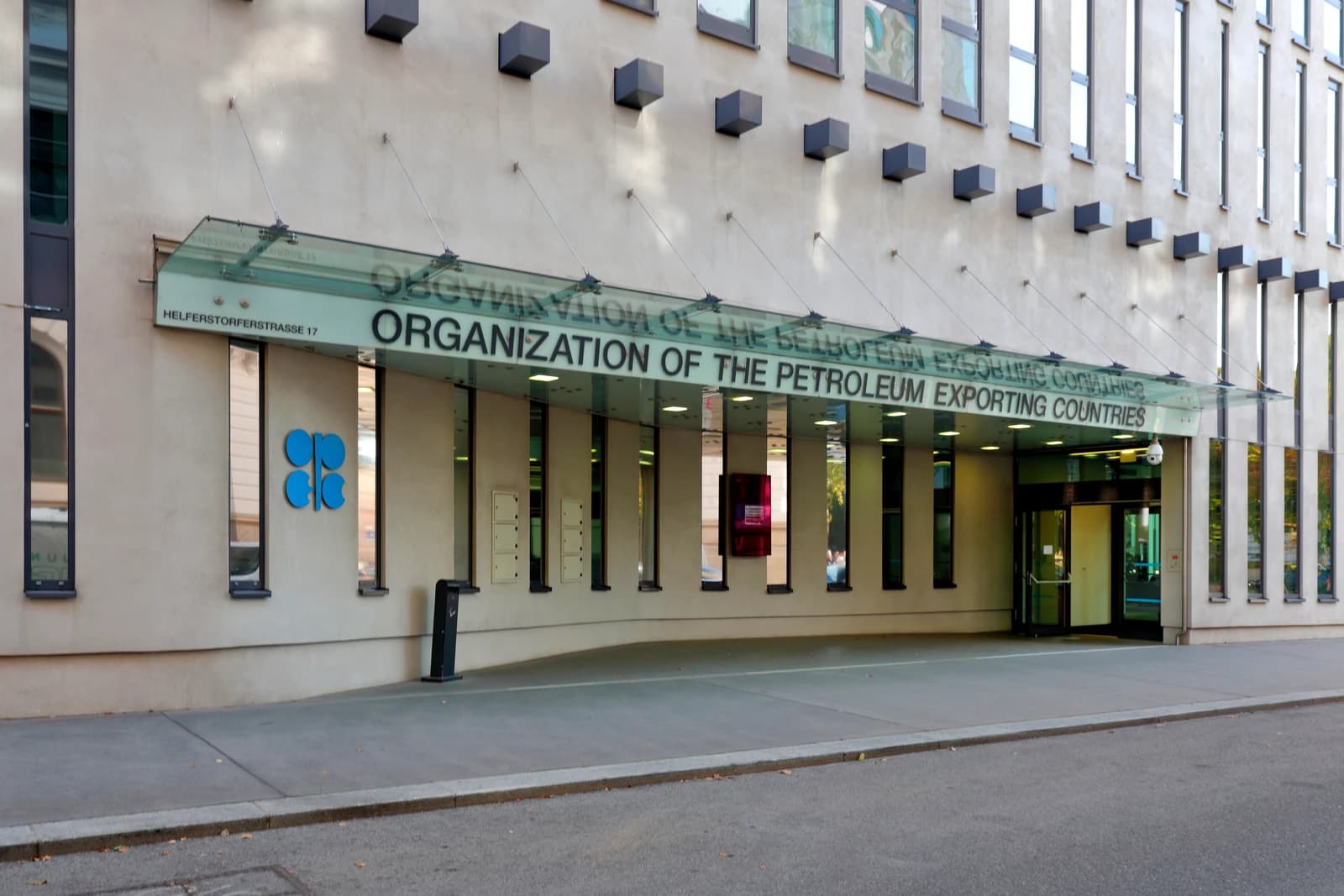
OPEC has lowered its 2026 forecast for global oil demand growth again, underscoring fading momentum in the market just as traders try to gauge whether tighter supply or softer consumption will win out next year.
OPEC cuts 2026 oil demand growth forecast again

The group now expects demand to rise by 180,000 barrels a day in 2026 versus 2025, according to its October monthly report, a fresh downgrade in a sixth straight monthly trim to its outlook. The revision centers on weaker diesel demand, which OPEC said is set to fall by about 190,000 barrels a day, even as geopolitical uncertainty linked to the war in the Middle East keeps the market volatile.
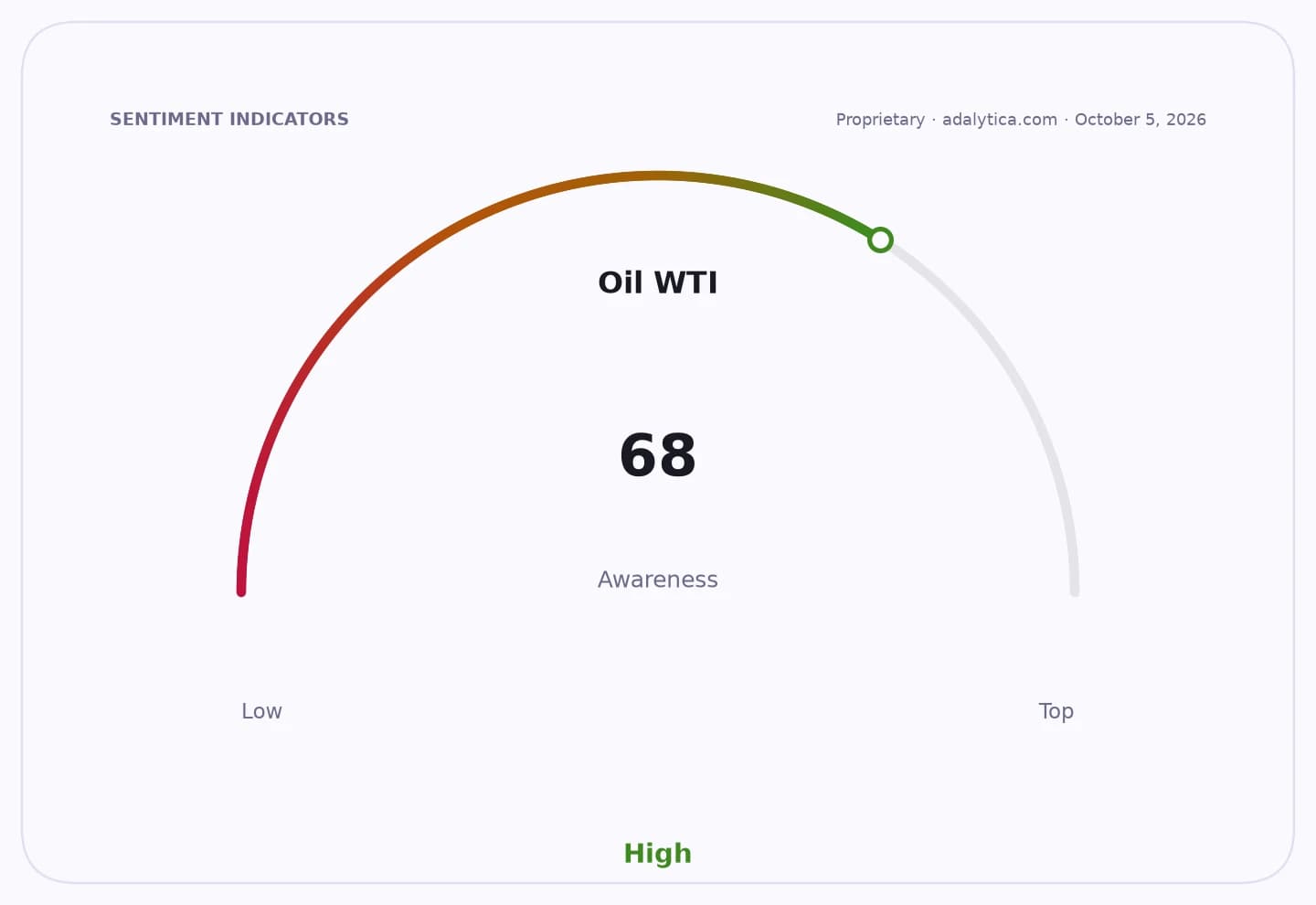
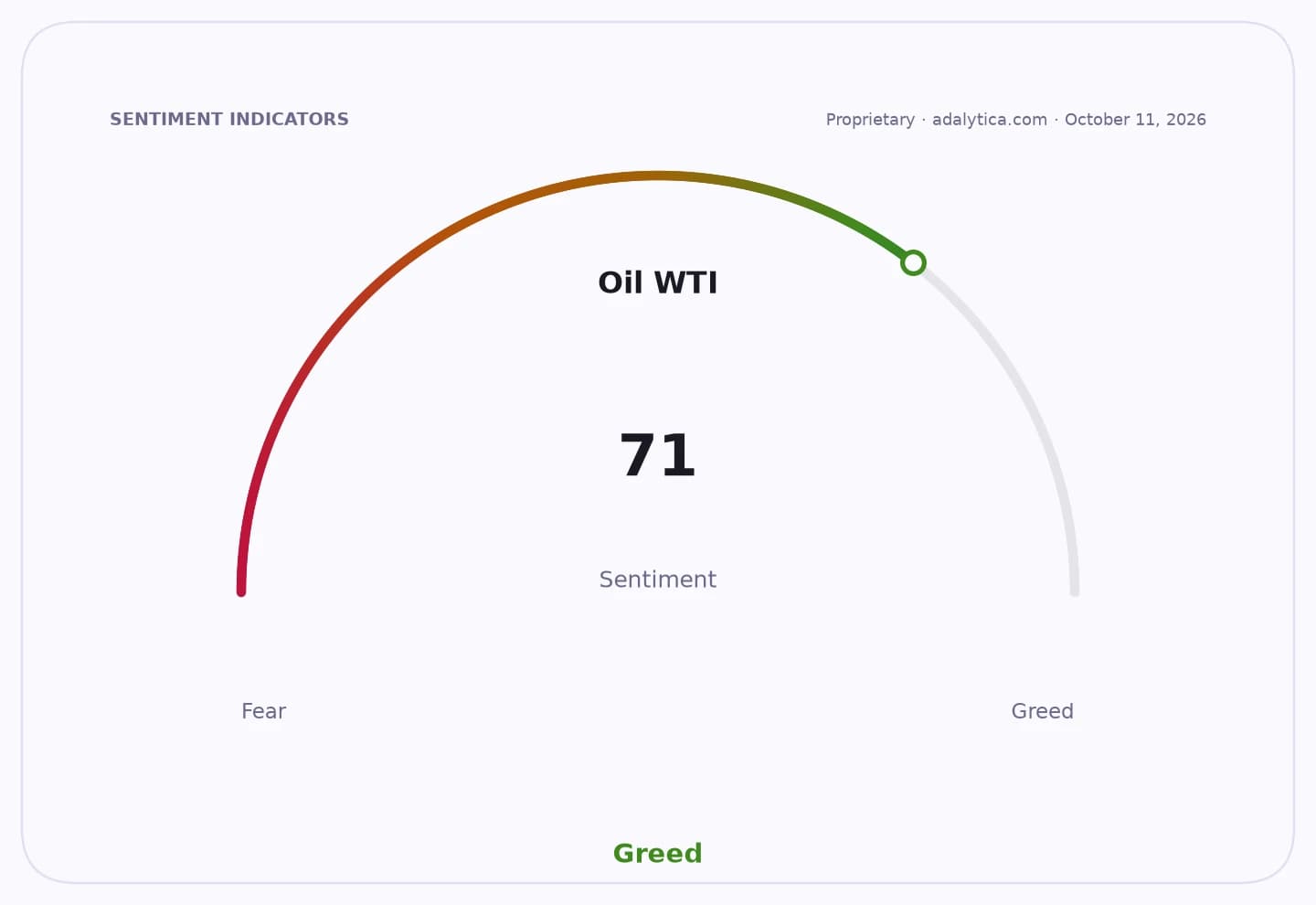
Sentiment IndicatorsⓘProprietary · adalytica.com · October 14, 2026
This is a snapshot — live sentiment, awareness and momentum for 130+ markets update continuously in the dashboard.Open AlphaPulse

The forecast matters because it goes straight to the supply-demand balance that sets crude prices and determines cash flow across the oil industry. OPEC said Saudi Arabia, its biggest producer, pumped 8.372 million barrels a day in September, the highest monthly level since the conflict began, suggesting the cartel is still willing and able to lift output even as it pares back its demand expectations.
The report also pointed to lower Russian refined-product supply, thinner inventories and seasonal refinery maintenance as supporting prices in the near term. But the dominant message for investors is that OPEC sees consumption growth slowing, not accelerating, in 2026, a backdrop that can cap upside for crude even when headlines around supply disruptions look bullish.
Oil markets reflected that tension. US crude-linked products have been volatile, with USO and energy equities moving sharply in recent sessions, while Adalytica’s Oil WTI Trade Signals show elevated “greed” even as awareness remains at “extreme fear,” a combination that suggests traders are still paying up for supply risk but remain uneasy about the demand picture.
Energy stocks have tracked the price swings. The Energy Select Sector SPDR Fund has pushed higher alongside oil, but that rally depends on crude staying firm; if OPEC’s softer demand call proves right, producers with higher break-even costs and more leveraged balance sheets would be most exposed.
The near-term focus now shifts to inventory data, refinery runs and any further escalation in the Middle East. For investors, the key question is whether supply discipline can offset a weaker 2026 demand backdrop, or whether OPEC’s repeated cuts are the first sign that the next leg in oil prices has less room to run.
| Entity | Gains | Losses |
|---|---|---|
| OPEC producers | ▲Higher near-term pricing power | ▼Weaker demand outlook |
| Refiners | ▲Support from tight product supplies | ▼Seasonal maintenance pressure |
| Oil consumers | ▲Potential relief from softer demand | ▼Cost volatility persists |
| Energy equities longs | ▲Support from crude volatility | ▼Upside capped by demand cuts |