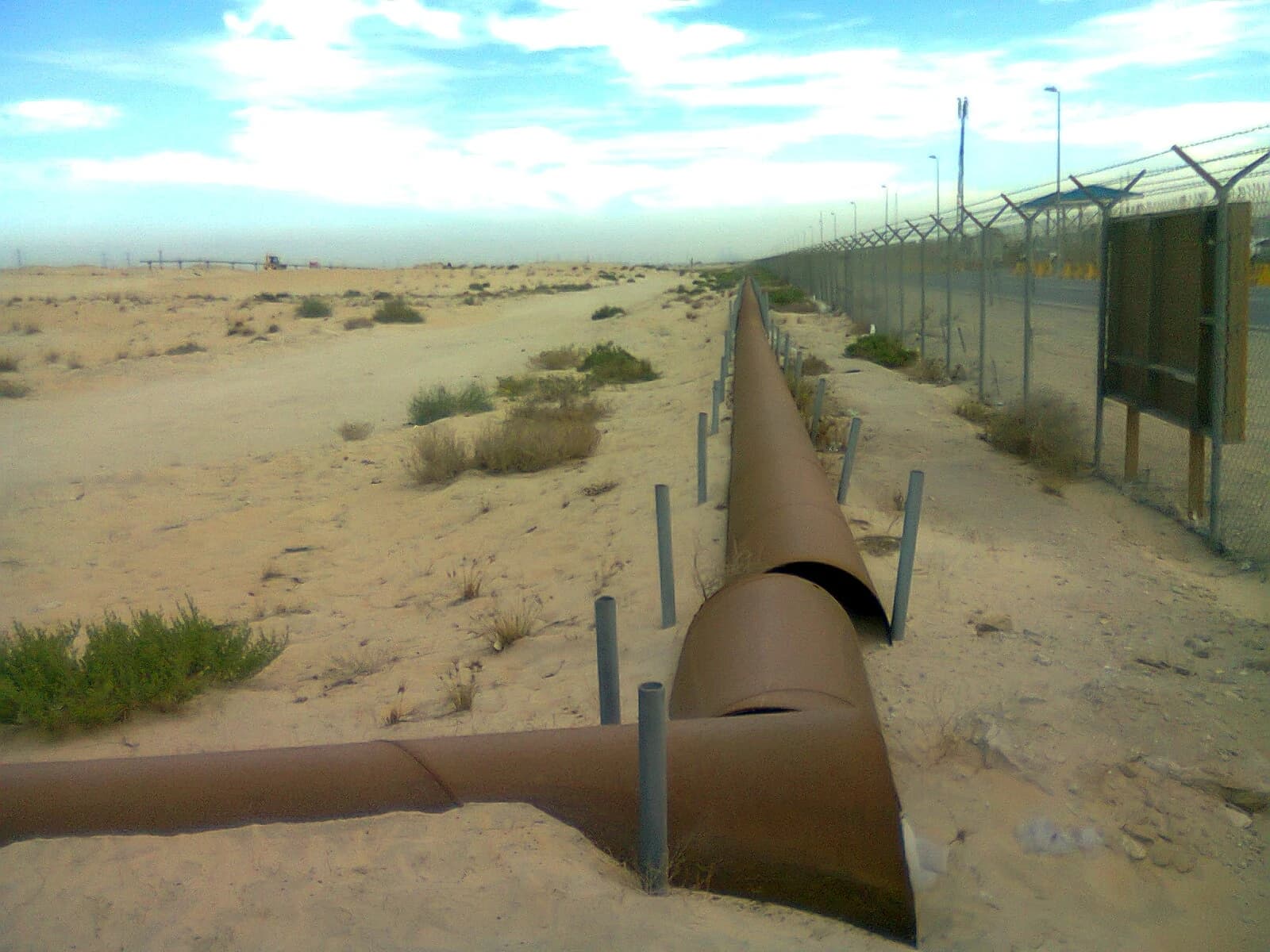
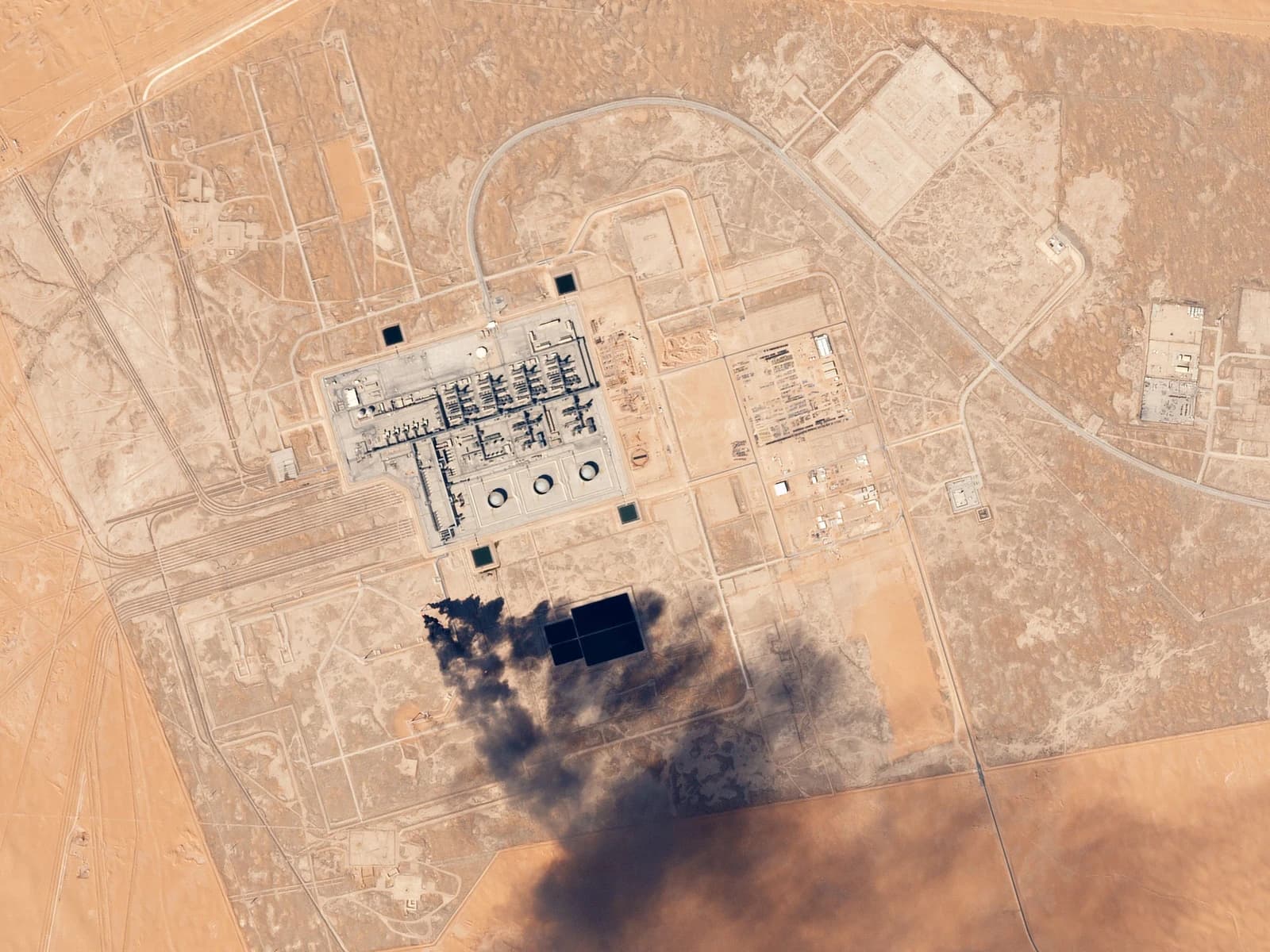
Saudi Aramco’s decision to restore full crude allocations to European refiners in November removes an immediate supply squeeze in one of the world’s most import-dependent markets and signals that the kingdom’s oil export system is back on firmer footing after the East-West pipeline attack.
Saudi Aramco Restores Full November Crude Allocations
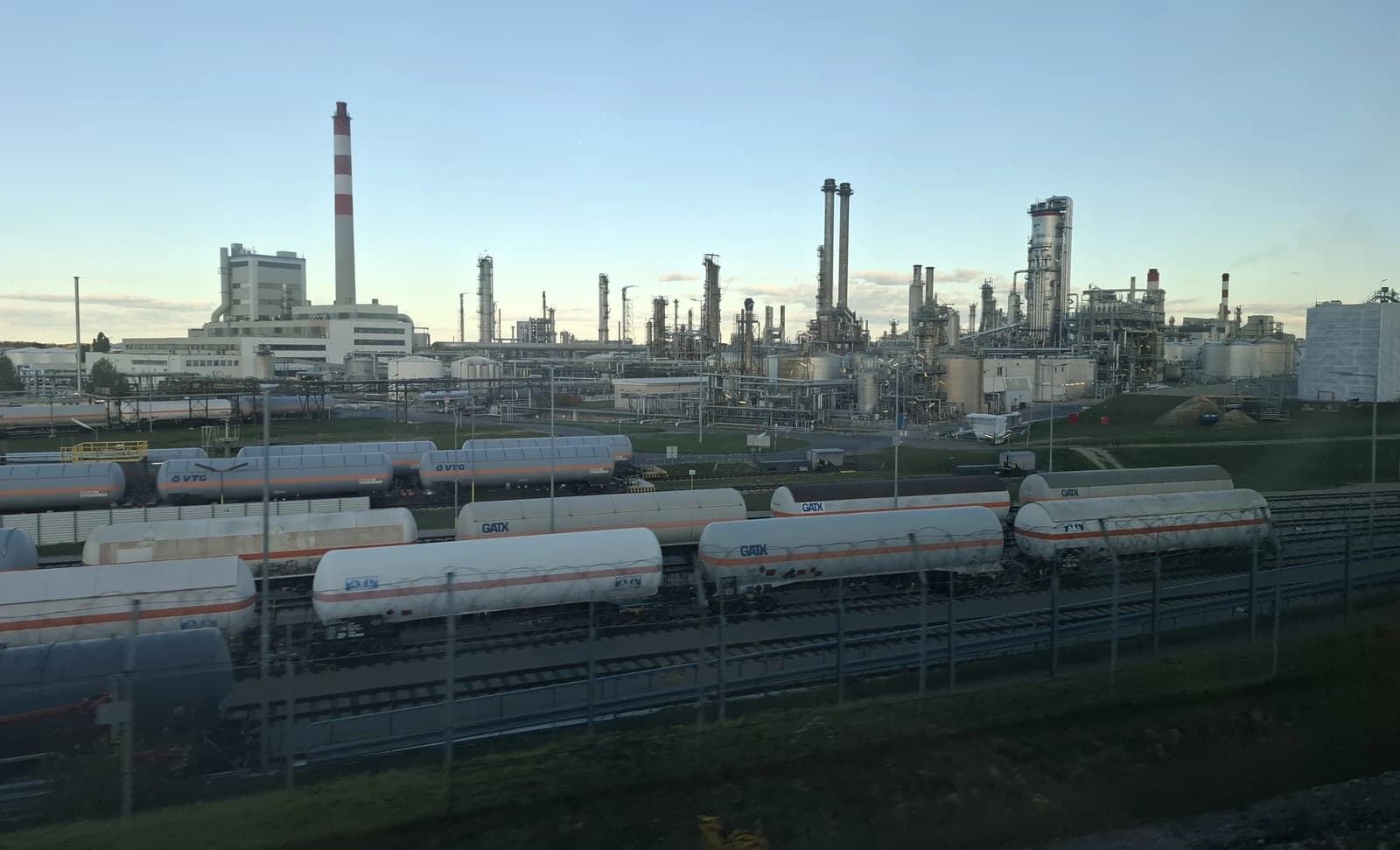
That matters because Europe had been forced to chase replacement barrels at short notice, tightening regional crude differentials and raising the cost of feedstock for refiners just as geopolitical risk is keeping the broader oil market on edge. Aramco told at least three European buyers they will receive the full volumes they requested next month, reversing an October zero-allocation decision that sent companies scrambling across the spot market.
The economic significance is straightforward: Saudi Arabia typically ships about 700,000 to 800,000 barrels a day of crude to Europe, a meaningful flow in a region that cannot easily replace Middle Eastern grades without paying up. When those barrels disappeared last month, refiners such as Poland’s Orlen were forced to issue a flurry of tenders for substitute cargoes. Their need to do so underscores how quickly a single pipeline disruption can ripple through physical markets, lifting procurement costs and squeezing margins across the downstream complex.
For investors, the bigger message is that Saudi supply resilience remains a critical variable for global crude balances. With Brent already elevated and U.S. oil proxies trading in a volatile uptrend, any hint of renewed disruption can extend the bid in energy markets and keep earnings expectations firm for producers, tanker operators and oilfield service names. The restoration eases near-term European anxiety, but it does not erase the premium that geopolitical fragility has embedded into energy prices.
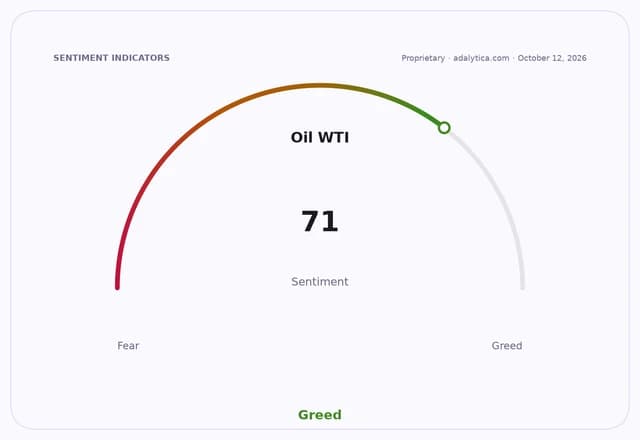
The market is already pricing that tension. U.S.-listed oil fund USO has rebounded sharply from late-September weakness, while Brent-linked BNO has also climbed, reflecting how quickly traders reprice supply risk when Middle East infrastructure comes under attack. Conventional technical indicators on those funds show momentum stabilizing rather than breaking down, and Adalytica’s Oil WTI Trade Signals still point to elevated greed even as awareness remains depressed — a setup that usually means the market is underestimating the chance of another shock.
That is why this is not just a one-month logistics story. It is another reminder that Saudi Arabia remains the swing supplier whose infrastructure security can move the whole energy chain, from crude prices to refining margins to inflation expectations. If the attacks subside and flows normalize, European refiners regain some breathing room. If they don’t, the next disruption will not just lift oil — it will force investors back into the best-positioned parts of the energy trade, especially upstream producers and other toll-collecting beneficiaries of tighter supply.
| Entity | Gains | Losses |
|---|---|---|
| Saudi Aramco | ▲Restored export reliability | ▼None immediately |
| European refiners | ▲Full crude allocations | ▼Less scarcity premium |
| Spot crude sellers | ▲Higher replacement demand | ▼Fades as Saudi flows return |
| Oil bulls / producers | ▲Geopolitical price support | ▼Short-lived easing in Europe |