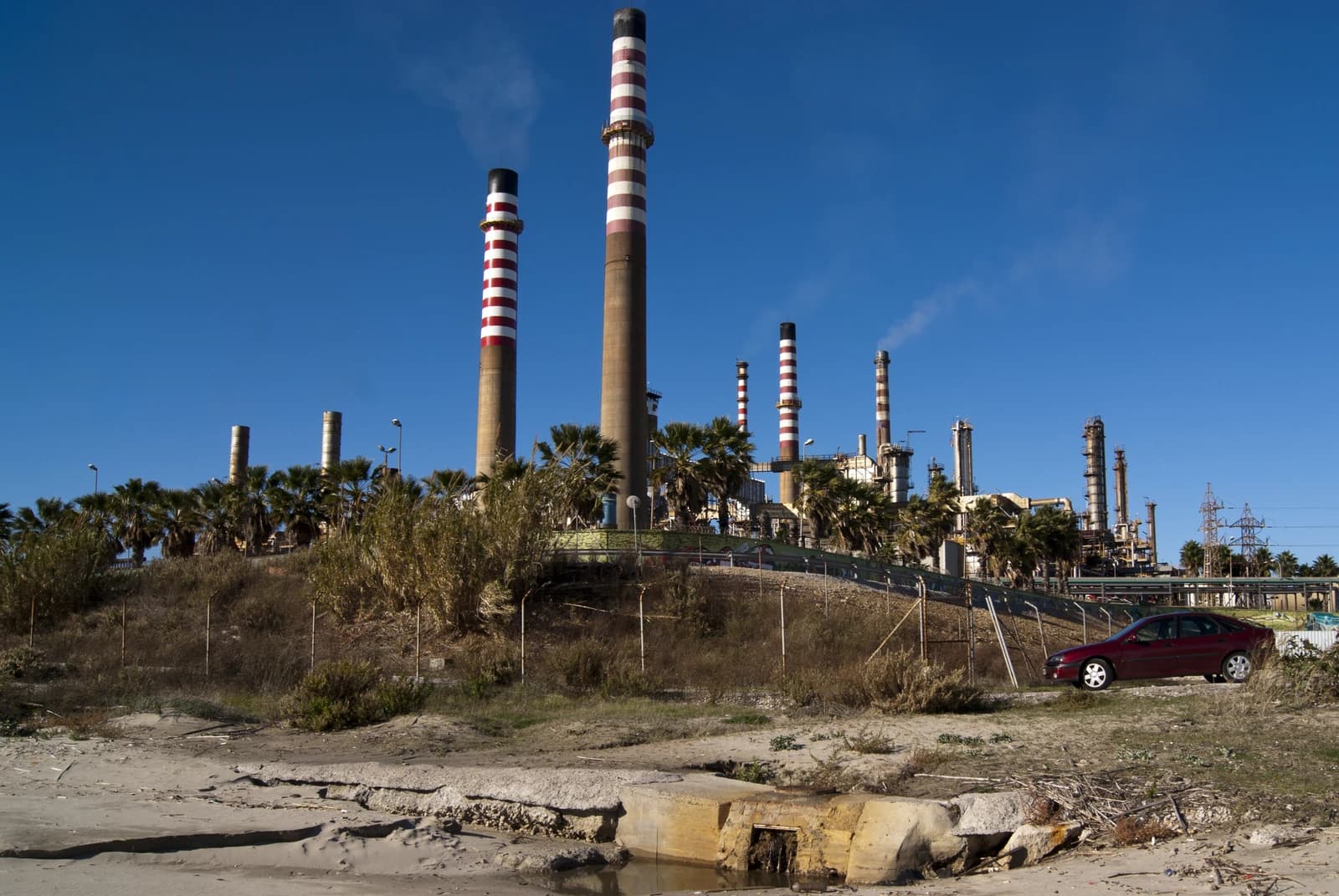
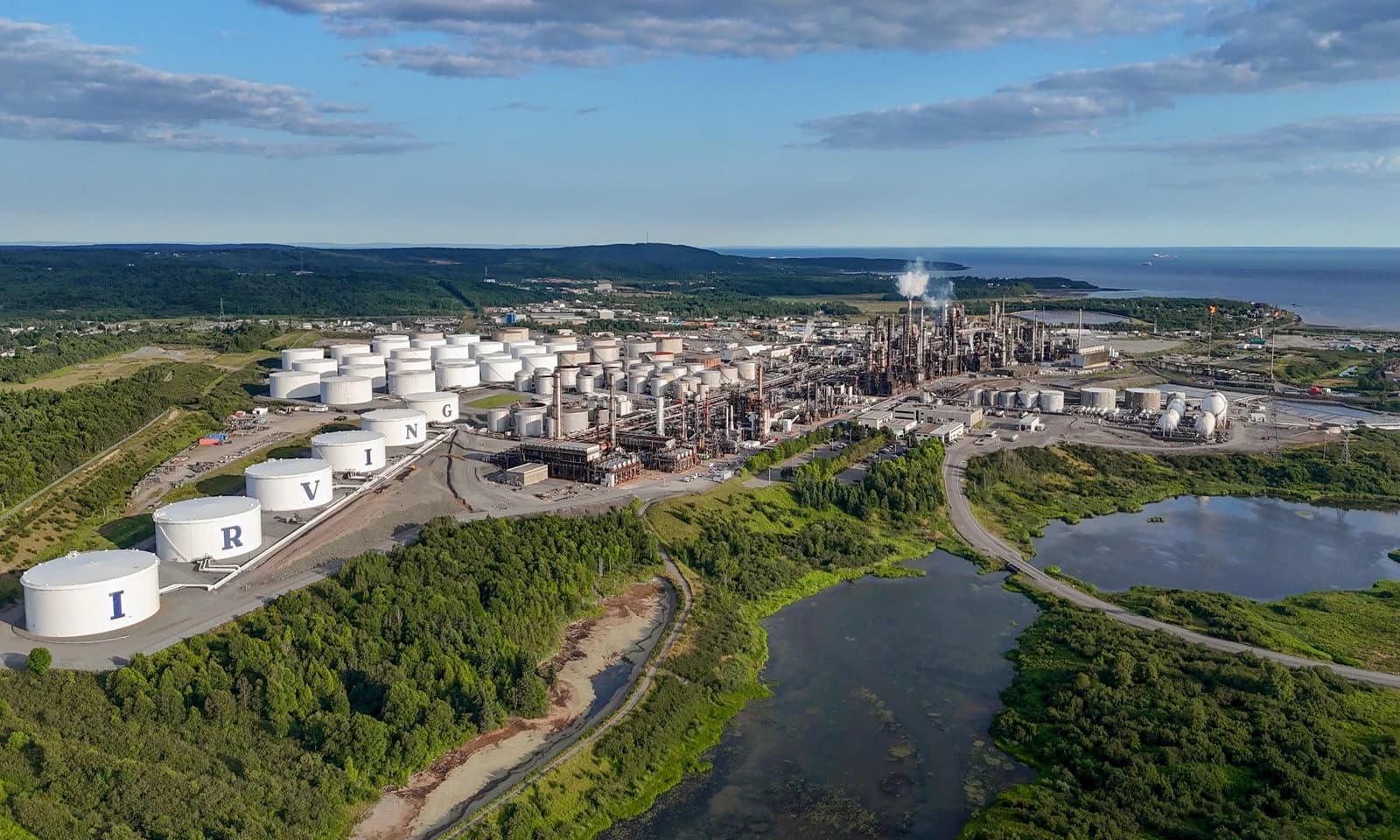
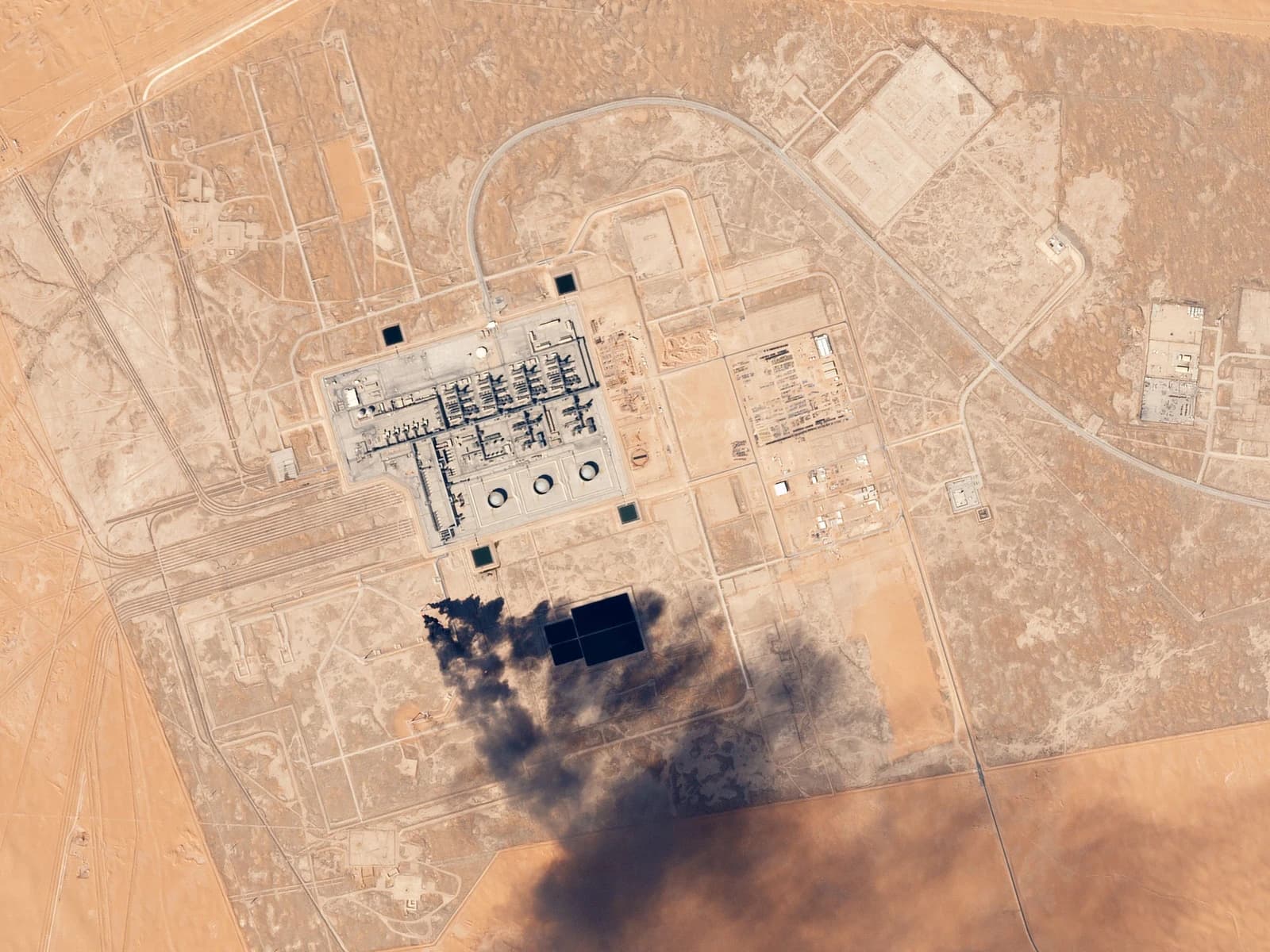
Germany will move to release additional oil reserves as part of the G7’s coordinated effort to put more crude and fuel into a market that has been strained by tight supply and elevated prices.
Germany to Release More Oil Reserves
Economically, the decision is meant to work on the most vulnerable link in the energy chain: diesel, heating oil and, later, crude. German Economy Minister Katherina Reiche said the first barrels would focus on products before crude is added, underscoring that spare oil alone does not ease pressure unless transport, refining and distribution are also available. The ministry said Germany could contribute up to 15 million barrels of oil and oil products, a meaningful share of the G7’s 100 million-barrel plan over four months.
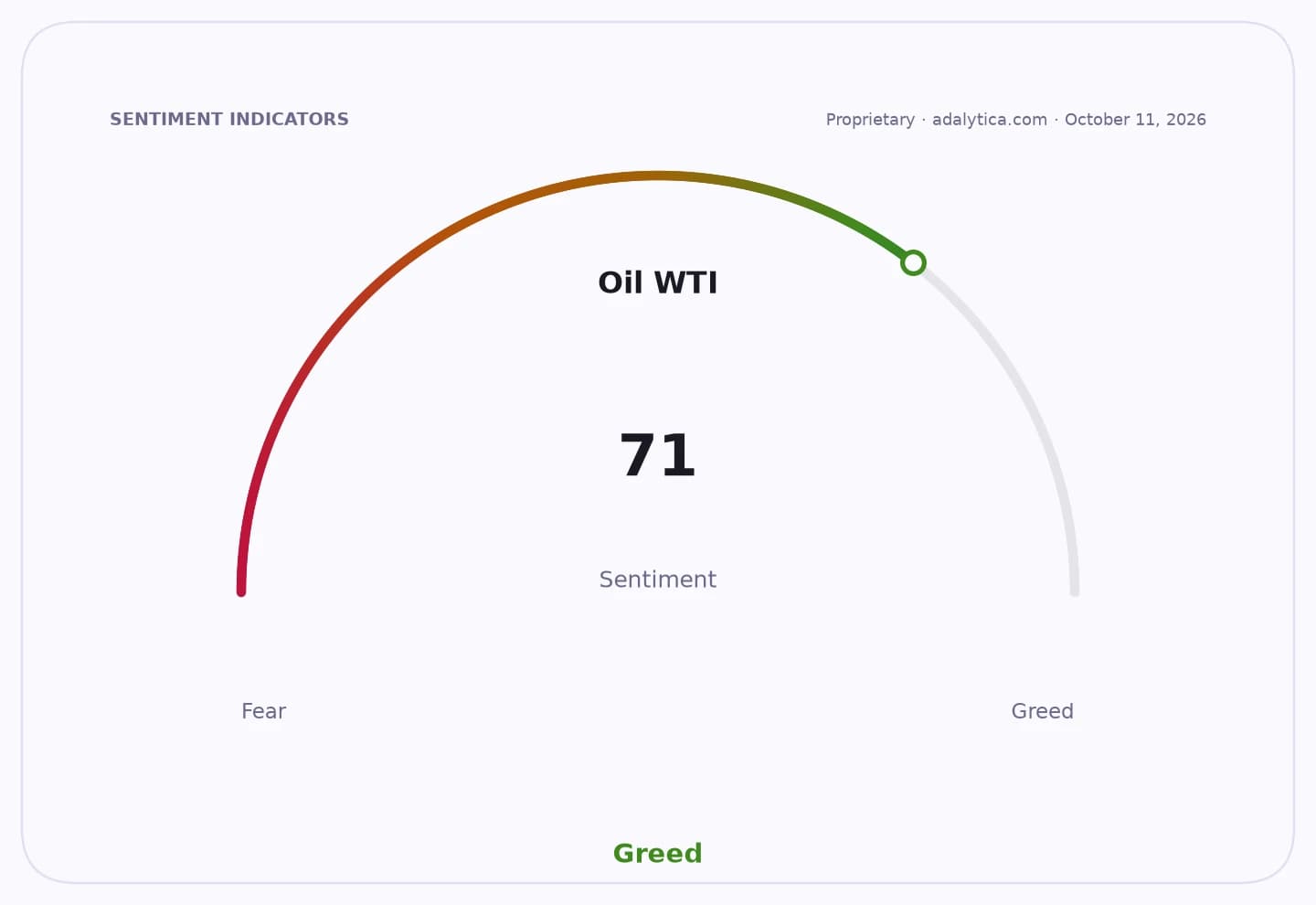
Sentiment IndicatorsⓘProprietary · adalytica.com · October 11, 2026
This is a snapshot — live sentiment, awareness and momentum for 130+ markets update continuously in the dashboard.Open AlphaPulse
That matters because the intervention is aimed less at changing long-term supply fundamentals than at preventing a near-term squeeze from feeding through to transport, heating and industrial costs. Diesel is particularly important for Europe’s manufacturing base, freight networks and agriculture, so even a temporary increase in availability can reduce the risk of price spikes that hit household budgets and corporate margins. For policymakers, it is also a test of whether strategic stocks can smooth volatility without sending the signal that a structural shortage has been solved.
For investors, the release is a direct headwind for crude benchmarks and a mixed signal for energy equities. WTI was trading around $148 a barrel in recent sessions, after a sharp run-up that left the USO oil fund extended by conventional technical measures, with its 50-day average far below the price and momentum readings still elevated. Energy shares have also been volatile: the XLE energy ETF and oilfield services names in OIH had rallied hard before pulling back, leaving them sensitive to any sign that governments are willing to lean against higher prices.
The market reaction will hinge on execution rather than headlines. A coordinated G7 release can cap the upside if barrels arrive quickly and refiners can turn them into product, but the effect may fade if traders conclude the move only offsets a wider supply gap. Germany’s pledge to bring its measure before the Bundesrat on Oct. 16 also keeps the policy channel open for further action, which could keep speculative length in check even if the physical market stays tight.
The broader narrative is that governments are again stepping in as price-setters of last resort in an energy market still shaped by geopolitical risk, limited spare capacity and fragile refining infrastructure. For consumers and industry, that offers some near-term relief. For producers, it threatens a softer price environment. For investors, it raises the question of whether the current rally in energy has run ahead of what coordinated stock releases can still absorb.
| Entity | Gains | Losses |
|---|---|---|
| Consumers and fuel users | ▲Short-term price relief | ▼Less upside from tight supply |
| Refiners and distributors | ▲Higher product throughput | ▼Margin pressure if prices ease |
| Oil producers | ▲None materially | ▼Softer crude prices |
| Energy ETFs and oil bulls | ▲Limited if prices stay high | ▼Vulnerable to government releases |