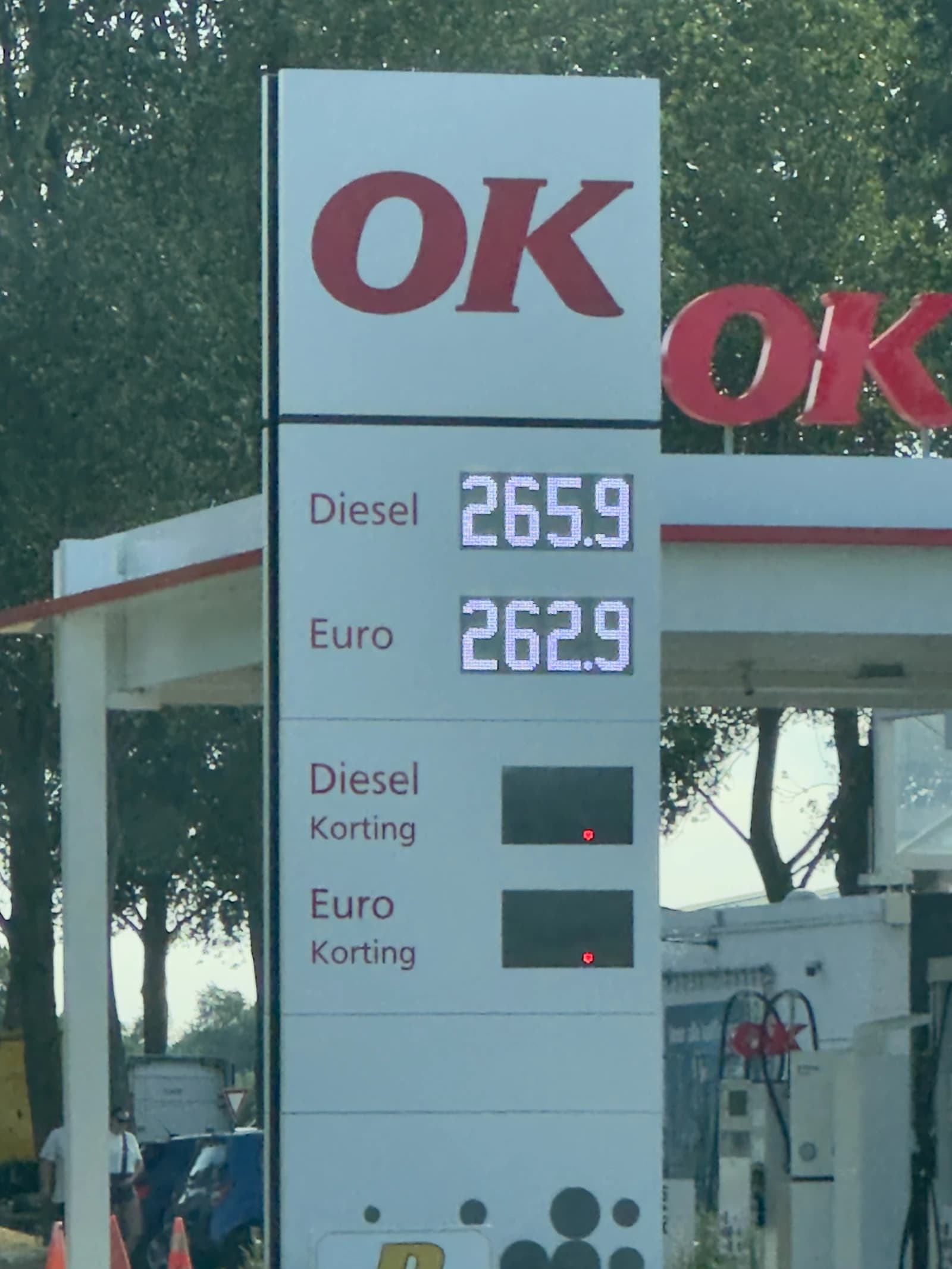
The International Energy Agency said it stands ready to release more oil and refined-product reserves, with diesel now the priority, as the war-driven squeeze on global fuel supplies widens and governments try to prevent a larger price shock.
IEA readies more oil and diesel stock releases

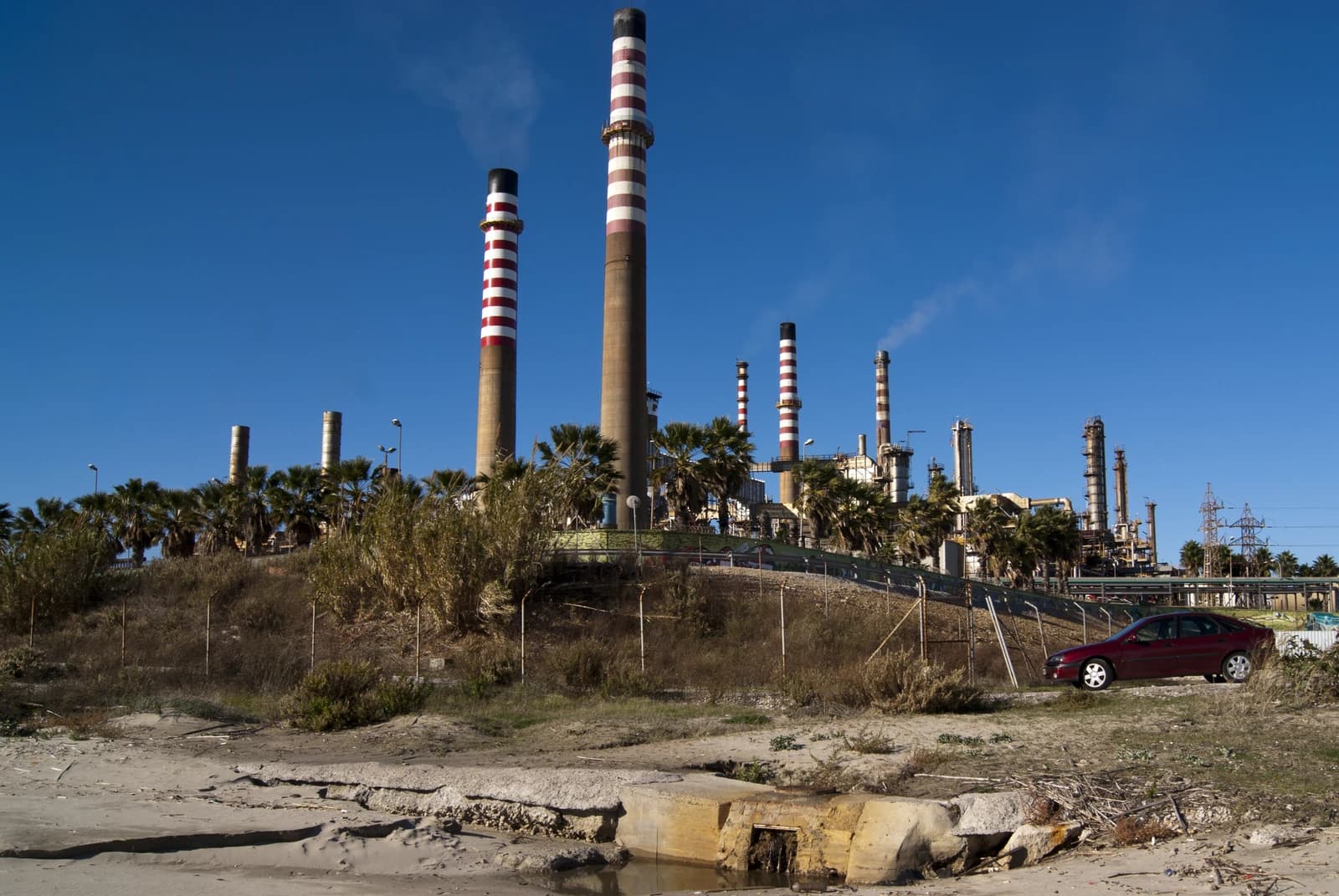
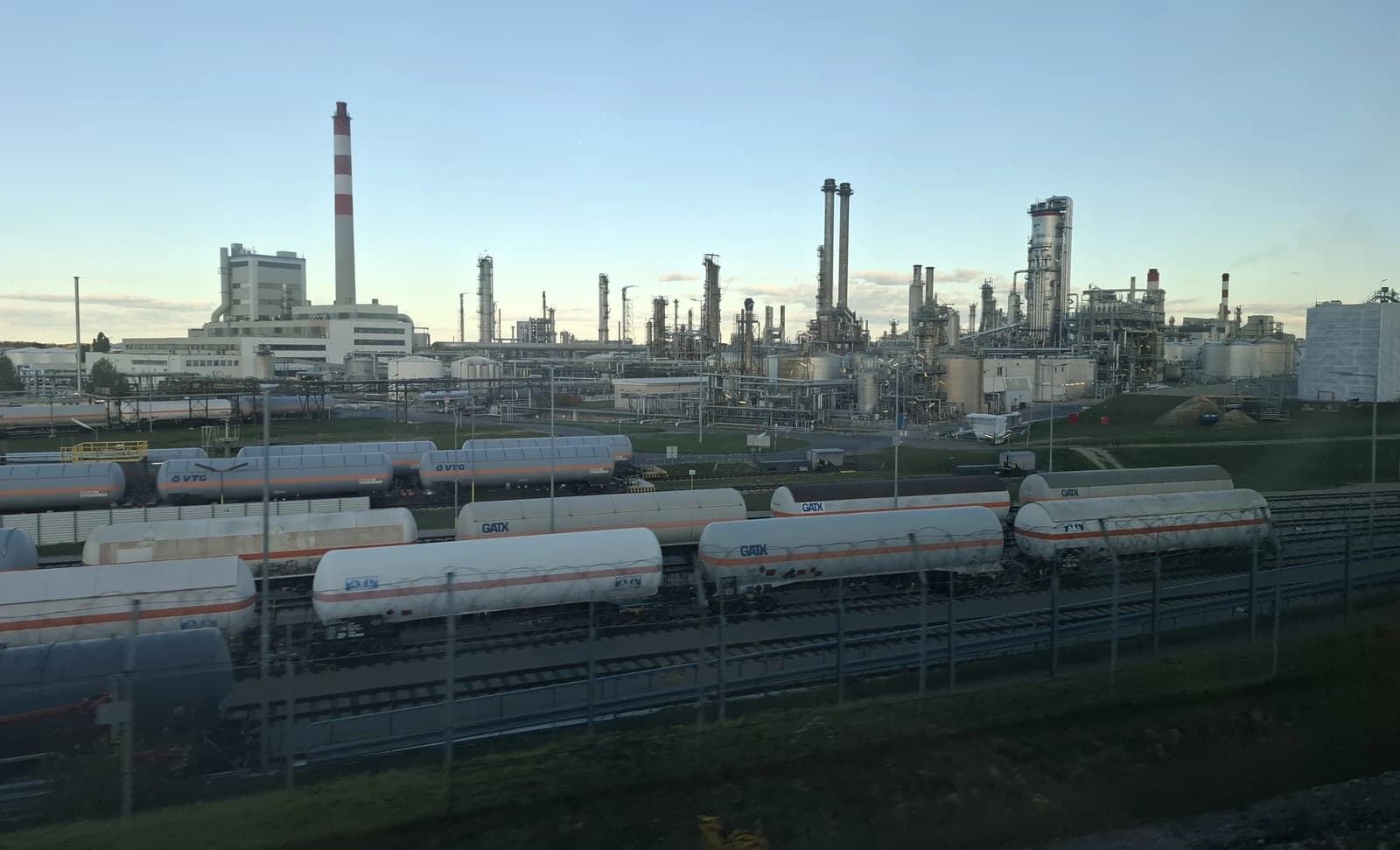
That matters because the immediate stress is no longer just crude availability. Shipping through the Strait of Hormuz has recovered, but damage to refineries in the Middle East and Russia has tightened supplies of diesel and other refined products, which are harder to replace quickly and feed directly into transport, industry and agriculture. The IEA’s move signals that policy makers see a product shortage as much as a crude one, a distinction with important implications for inflation and growth.
Sentiment IndicatorsⓘProprietary · adalytica.com · October 9, 2026
This is a snapshot — live sentiment, awareness and momentum for 130+ markets update continuously in the dashboard.Open AlphaPulse

Fatih Birol, the agency’s executive director, said member states still hold “ample” crude and refined-product stocks and are prepared to bring more barrels to market “if and when needed.” He added that, given limited diesel supply, releases should be focused on diesel where possible. The IEA said on Saturday its members had already drawn 325 million barrels from the 400 million barrels of oil and products they pledged in March, leaving a strategic reserve cushion still equal to about 1.1 billion barrels, including more than 200 million barrels of diesel.
The statement came after the Group of Seven, coordinating with the IEA, agreed last Friday to immediately release 100 million barrels of diesel and crude. The aim is to ease global energy disruptions stemming from the US-Iran war fallout. Saudi Aramco Chief Executive Amin Nasser underscored the concern on Monday, calling global crude inventories “scary low” and warning against focusing on headline stock totals rather than what is actually accessible.
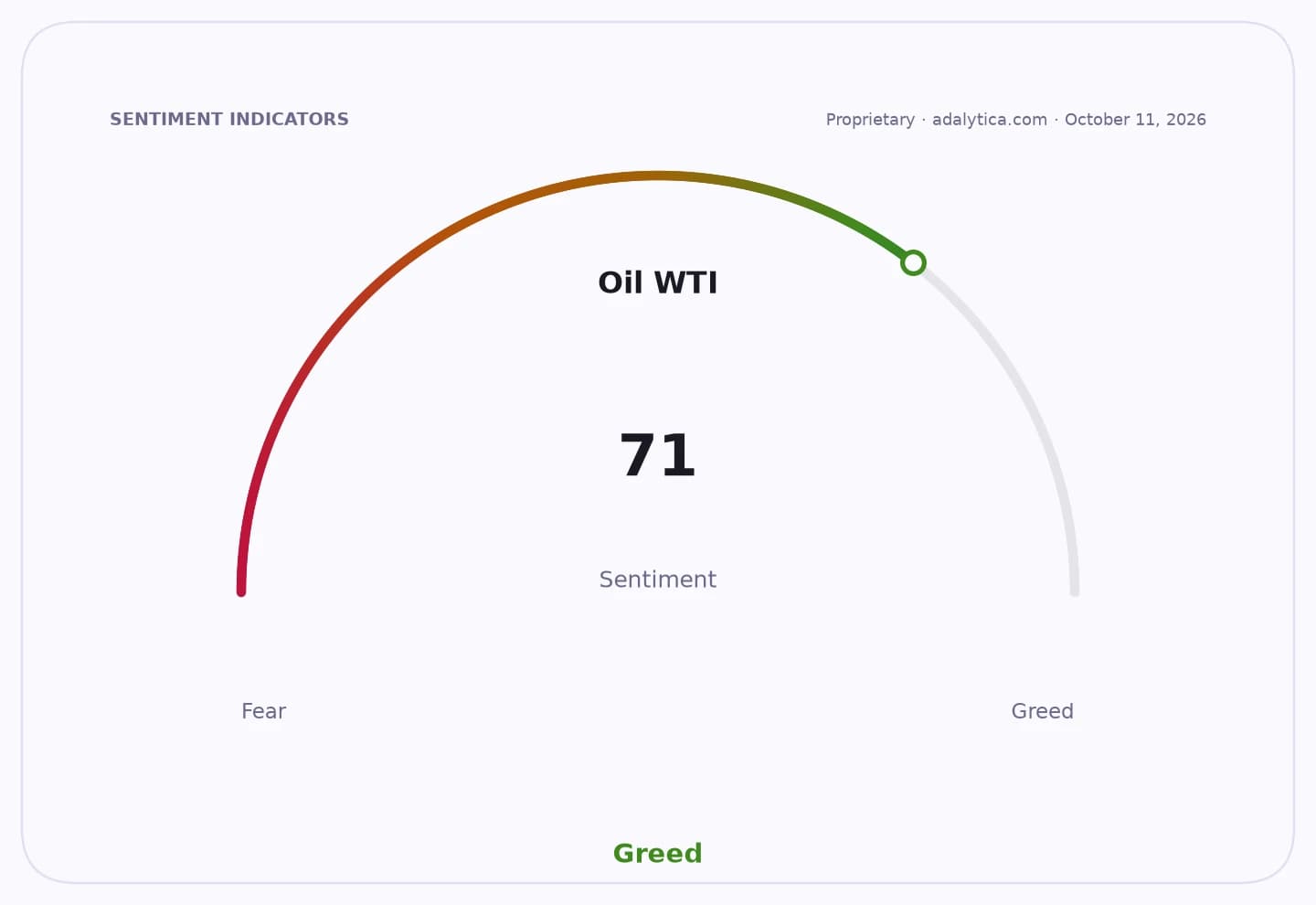
Oil WTI — 30-day sentimentadalytica.com
Explore this data interactively — full history, time series and cross-market comparisons.Open AlphaPulse
For markets, the message is two-sided. More reserve releases can cap near-term upside in oil prices and help relieve margin pressure for airlines, trucking firms and other fuel-intensive users. But the need to tap emergency stocks again also confirms that the spare buffer is thinner than it looked, especially for middle distillates, which could keep refined-product prices elevated even if benchmark crude steadies. That is why investors are watching diesel spreads, not just front-month Brent or WTI.
Oil-linked equities have already reflected the strain. The USO oil fund and energy-sector ETFs have seen sharp swings as traders price in supply disruption, reserve releases and the risk of escalation. Conventional technical indicators on those funds suggest the recent rally has cooled from overbought levels, but the broader price structure still points to elevated volatility rather than a clean reversal. In macro terms, the combination of scarce diesel, high energy costs and a 10-year Treasury yield above 5% keeps pressure on inflation expectations and on central banks trying to balance growth risks against price stability.
The next test is whether reserve releases can bridge the gap long enough for refinery outages to ease and for commercial inventories to stabilize. If not, the IEA and G7 may be forced to keep intervening, turning emergency stockpiles from a backstop into a recurring policy tool — a development that would matter for inflation, industrial margins and the direction of energy markets into year-end.
| Entity | Gains | Losses |
|---|---|---|
| IEA/G7 governments | ▲energy price relief | ▼strategic stockpiles |
| Diesel consumers | ▲lower supply stress | ▼none |
| Oil producers | ▲tighter market support | ▼price upside capped |
| Airlines, trucking, industry | ▲lower fuel costs | ▼product shortage risk |