Retail Couche-Tard’s agreement to acquire Irving Oil puts one of North America’s largest independent fuel retailers and refiners at the center of a market reshaping trade flows, margins and competitive pressure across the gasoline and diesel chain.
Couche-Tard Agrees to Acquire Irving Oil
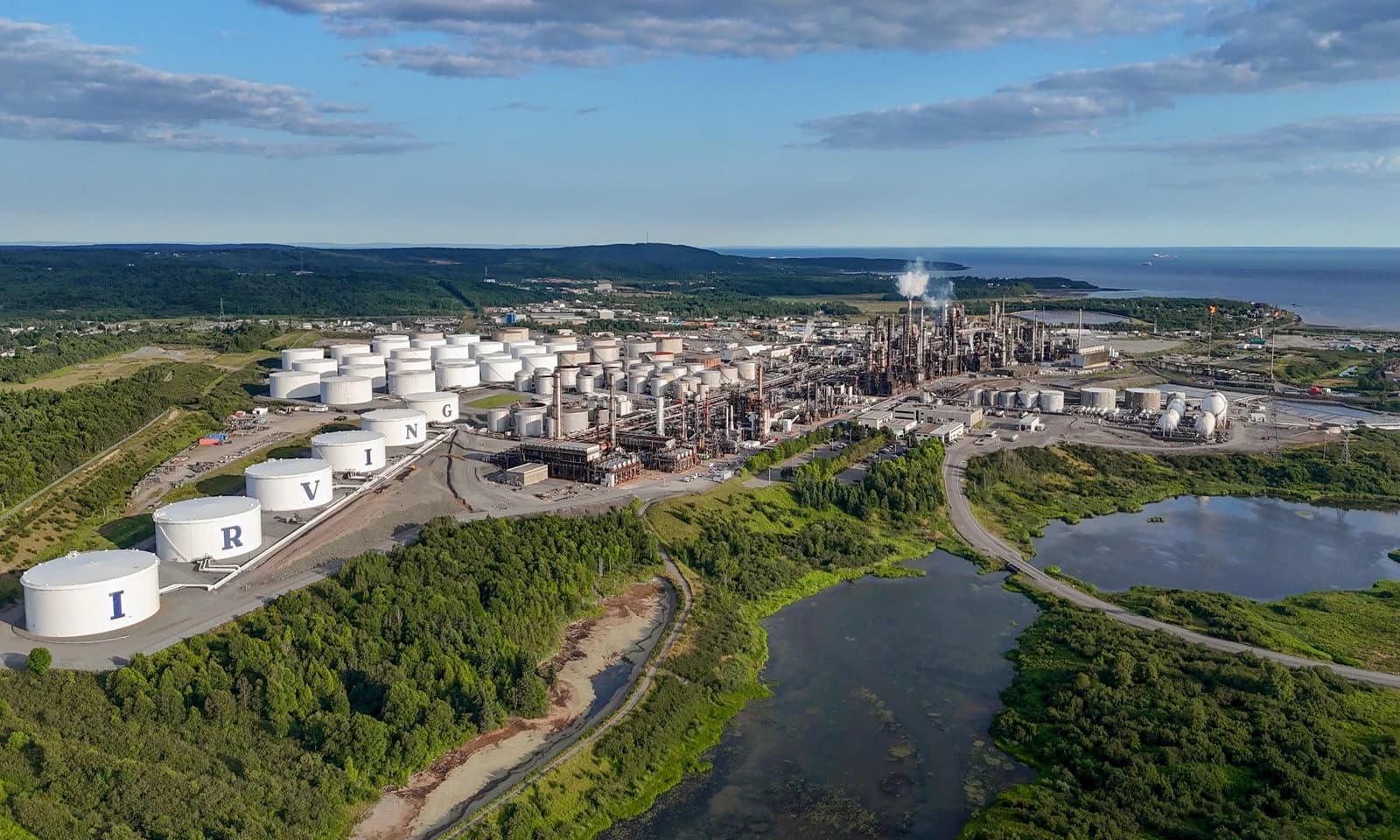
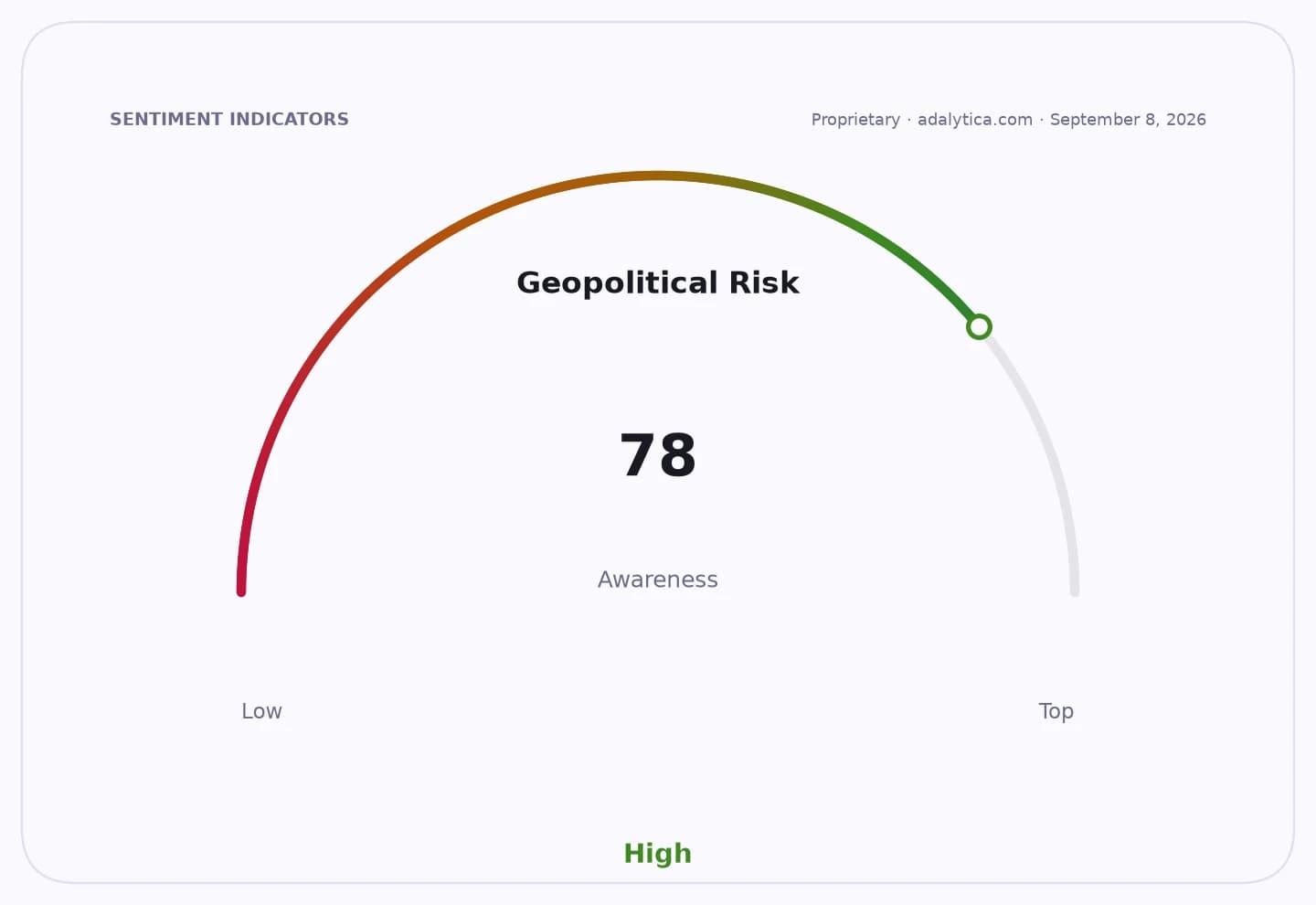
The deal matters because fuel retailing is no longer just a volume game. With governments intervening to stabilize diesel and gasoline markets, and supply disruption keeping refined-product prices volatile, control of terminals, stations and refining assets has become a strategic hedge against margin swings and supply shocks. For Couche-Tard, which has built scale through convenience-store and forecourt operations, the acquisition offers a bigger footprint in a business where logistics and sourcing power increasingly determine profitability.
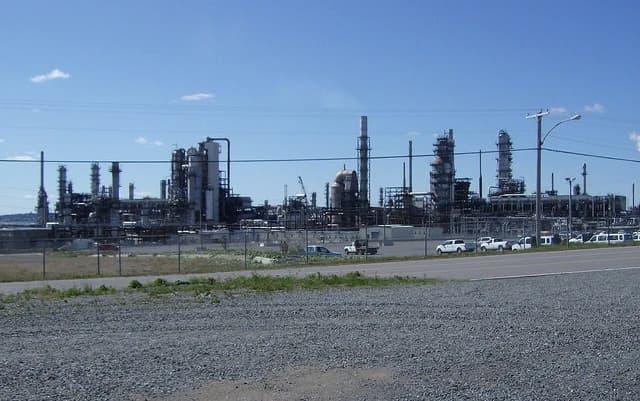
For Irving Oil, the agreement gives the privately held company an exit or partial liquidity event in a sector that has seen intense capital demands, tighter environmental scrutiny and uneven refining economics. The asset base is likely to appeal to buyers looking for downstream cash flow rather than pure fuel exposure, especially as policymakers continue to pressure the market to keep supply moving during shortages. The G7’s move to release 100 million barrels of oil and fuel products underscores how politically sensitive the market has become.
Investors are likely to read the transaction as another sign that downstream consolidation is being rewarded, particularly when refined-product spreads remain elevated and major operators are willing to pay up for scale, distribution and regional dominance. In that sense, the deal could be strategically attractive even if near-term fuel demand is choppy: larger networks can spread fixed costs, optimize procurement and gain leverage in a market where transport bottlenecks and refinery outages can quickly lift earnings.
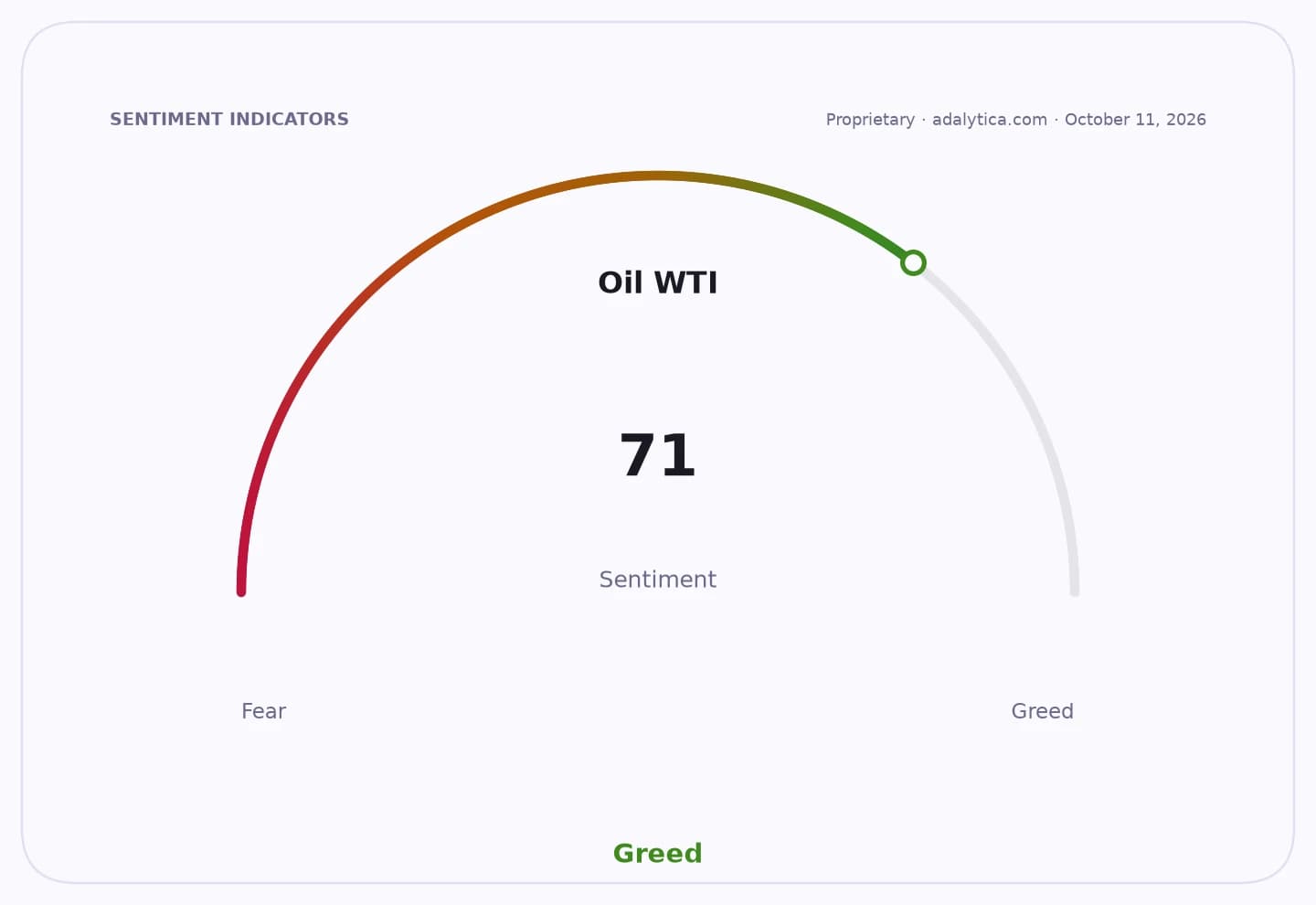
The stock-market backdrop suggests investors already expect a favorable industry setup. Marathon Petroleum has surged well above its 200-day moving average, while Imperial Oil has also rallied sharply, reflecting strong investor appetite for downstream names tied to robust refining margins. Imperial’s shares have climbed to the upper end of their recent range, even as conventional momentum indicators point to a stretched but still positive trend, while Marathon’s rally has been even more pronounced. That support for refiners helps explain why strategic buyers may see an opening to lock in assets before conditions normalize.
The bullish case is that the transaction deepens Couche-Tard’s control over a profitable, defensive cash-flow stream at a time when energy security and retail fuel access remain politically and economically important. The bear case is that large acquisitions in the downstream space can be hard to digest if margins revert, regulation tightens or capital spending rises faster than expected. Either way, the deal reinforces a clear narrative: in a fuel market still shaped by shortages, public intervention and volatile spreads, scale is becoming the strongest currency.
| Entity | Gains | Losses |
|---|---|---|
| Couche-Tard | ▲Bigger downstream scale | ▼Integration risk |
| Irving Oil | ▲Liquidity and strategic exit | ▼Independence |
| Refining peers | ▲Higher valuation for assets | ▼More takeover pressure |
| Consumers/importers | ▲Potential supply stability | ▼Limited relief if prices stay high |