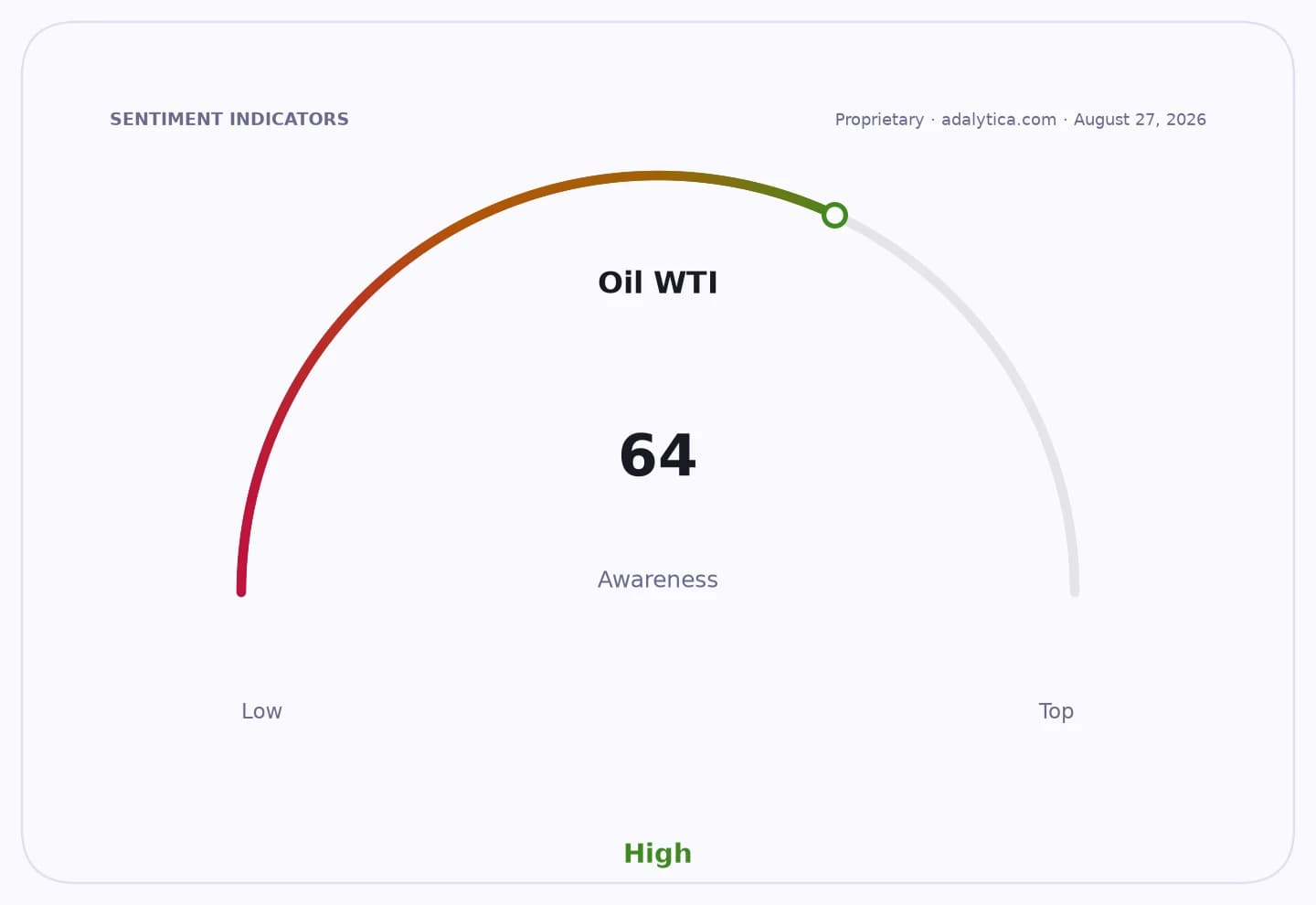
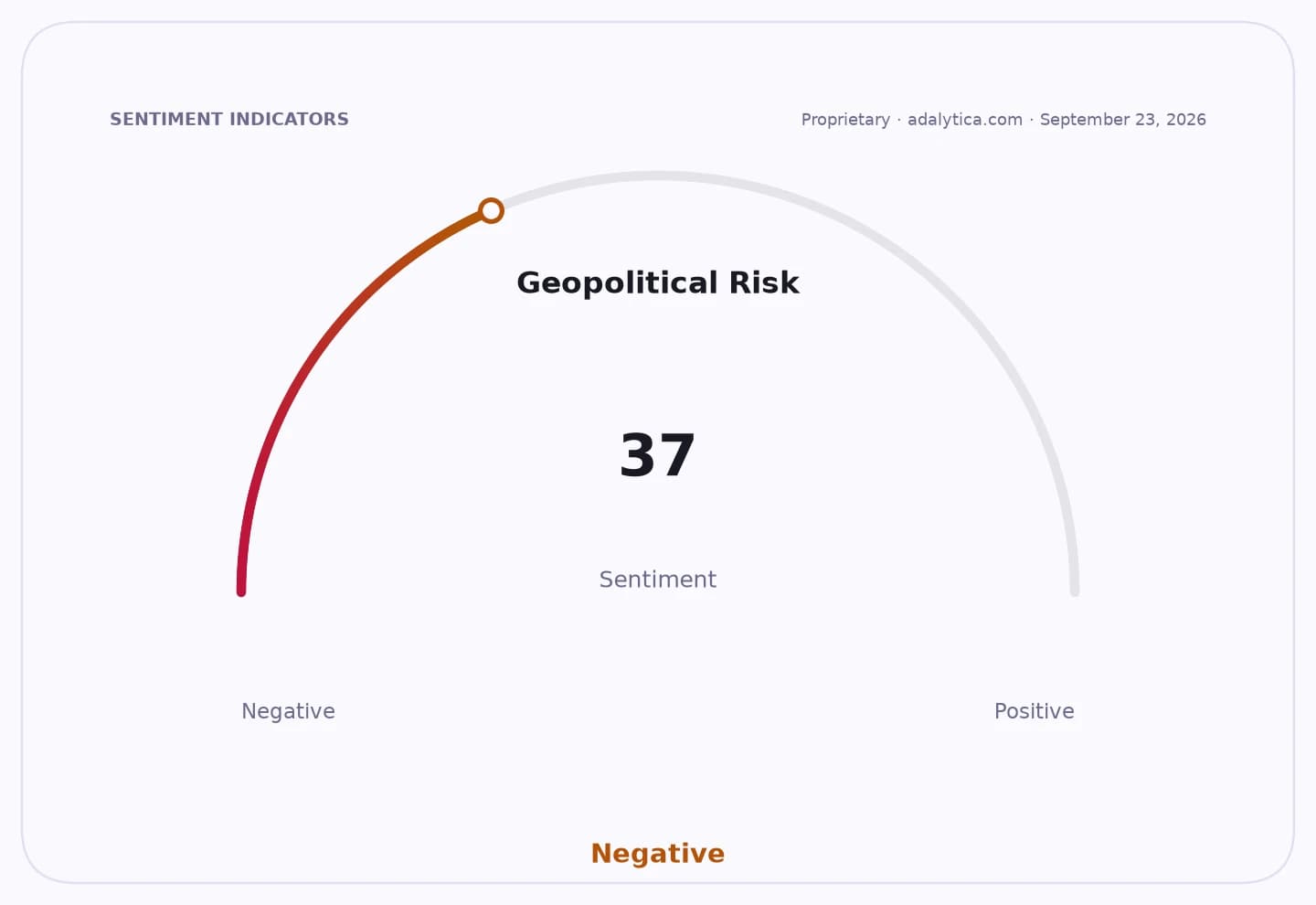
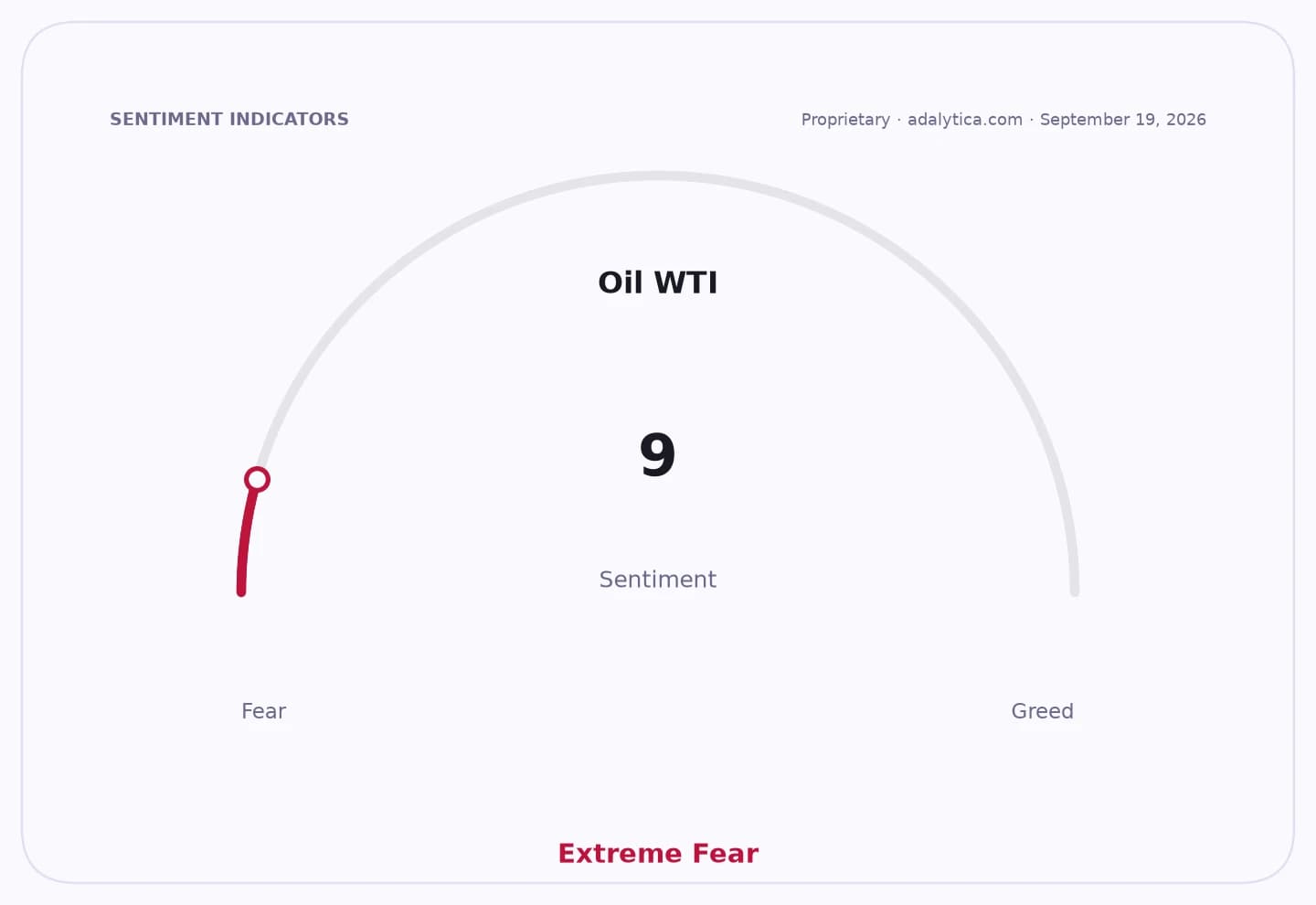
Gasoline rationing is moving from a nuisance to an emergency in Russia’s Arkhangelsk region, where officials are preparing to cap sales at 40 liters per person and ban filling jerry cans at city stations.
Arkhangelsk plans 40-liter gasoline rationing
That matters because once a government starts telling drivers how much fuel they can buy, the problem is no longer about inconvenience at the pump. It is about a supply chain under stress, local inflation pressure and a harder daily life for households, delivery firms and small businesses that depend on reliable fuel access.
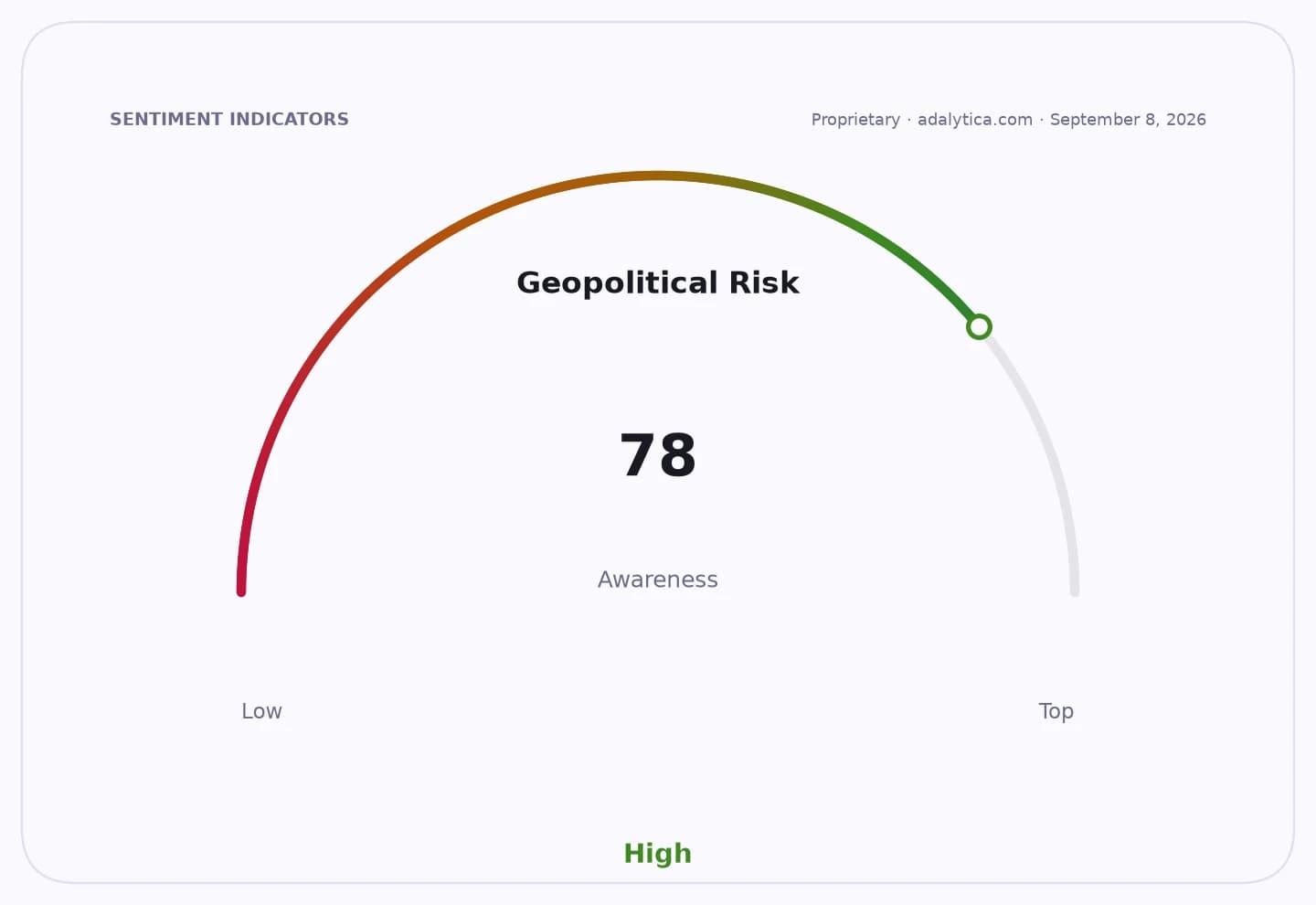
Sentiment IndicatorsⓘProprietary · adalytica.com · September 8, 2026
This is a snapshot — live sentiment, awareness and momentum for 130+ markets update continuously in the dashboard.Open AlphaPulse
Governor Alexander Tsybulsky said the region faces a daily gasoline shortfall of 170 to 190 tons and warned the tight market is likely to stay strained in the near term. He also said authorities will draft a document to limit fuel sold in cans in cities and give volunteers formal powers to help manage distribution. For now, the measure is meant to stretch scarce supply more fairly, not solve the underlying shortage.
The crunch has already turned into long queues. Officials in Arkhangelsk said some privileged customers have been skipping the line multiple times a day, prompting the deployment of volunteers and community patrols at certain stations from Sept. 4. Local authorities also said the 93 tanker loads of gasoline delivered in August have been used up, underscoring how quickly extra supply is being absorbed.
For investors, the immediate read is not about a direct stock trade in Arkhangelsk. It is about what fuel rationing says about the broader energy market. When shortages spread beyond isolated stations, they can feed into higher transport costs, disrupt regional logistics and add to inflationary pressure. That is especially relevant in an economy already sensitive to energy prices, supply bottlenecks and consumer purchasing power.
The timing also fits a wider pattern of gasoline tightness in parts of Eurasia and the Middle East, where disrupted imports, refinery constraints and geopolitical friction have left consumers facing queues and government intervention. In that kind of environment, the beneficiaries are typically refiners and fuel suppliers with product to sell, while motorists, retailers and freight operators bear the cost of scarcity.
From a market perspective, crude benchmarks and fuel-sensitive funds have been firming, and the energy complex remains one of the few areas where supply shocks can quickly improve margins. But local shortages do not automatically translate into a broad rally for investors; they often reflect regional mismatches, logistics problems or maintenance issues rather than a clean demand boom.
The bigger lesson for long-term investors is that fuel markets remain vulnerable to small disruptions with outsized effects. If shortages continue, governments may impose more rationing, more administrative controls and more pressure on suppliers to redirect product. That makes energy supply chains worth watching closely, especially for companies exposed to refining, distribution and downstream logistics.
For now, Arkhangelsk’s 40-liter proposal is a sign that the shortage is real, immediate and still worsening. Investors should treat it as a reminder that in energy, scarcity can show up first at the pump and later in prices, margins and policy.
| Entity | Gains | Losses |
|---|---|---|
| Fuel sellers with inventory | ▲Higher bargaining power | ▼Greater scrutiny |
| Drivers and households | ▲Fairer access | ▼Smaller fills |
| Local authorities | ▲Better queue control | ▼Political pressure |
| Refiners and suppliers | ▲Stronger product value | ▼Logistics strain |