Brent crude surged above $110 a barrel for the first time in five months as escalating conflict in the Middle East revived fears of supply disruption in a market already sensitive to Russian flows.
Brent crude tops $110 on Middle East tensions
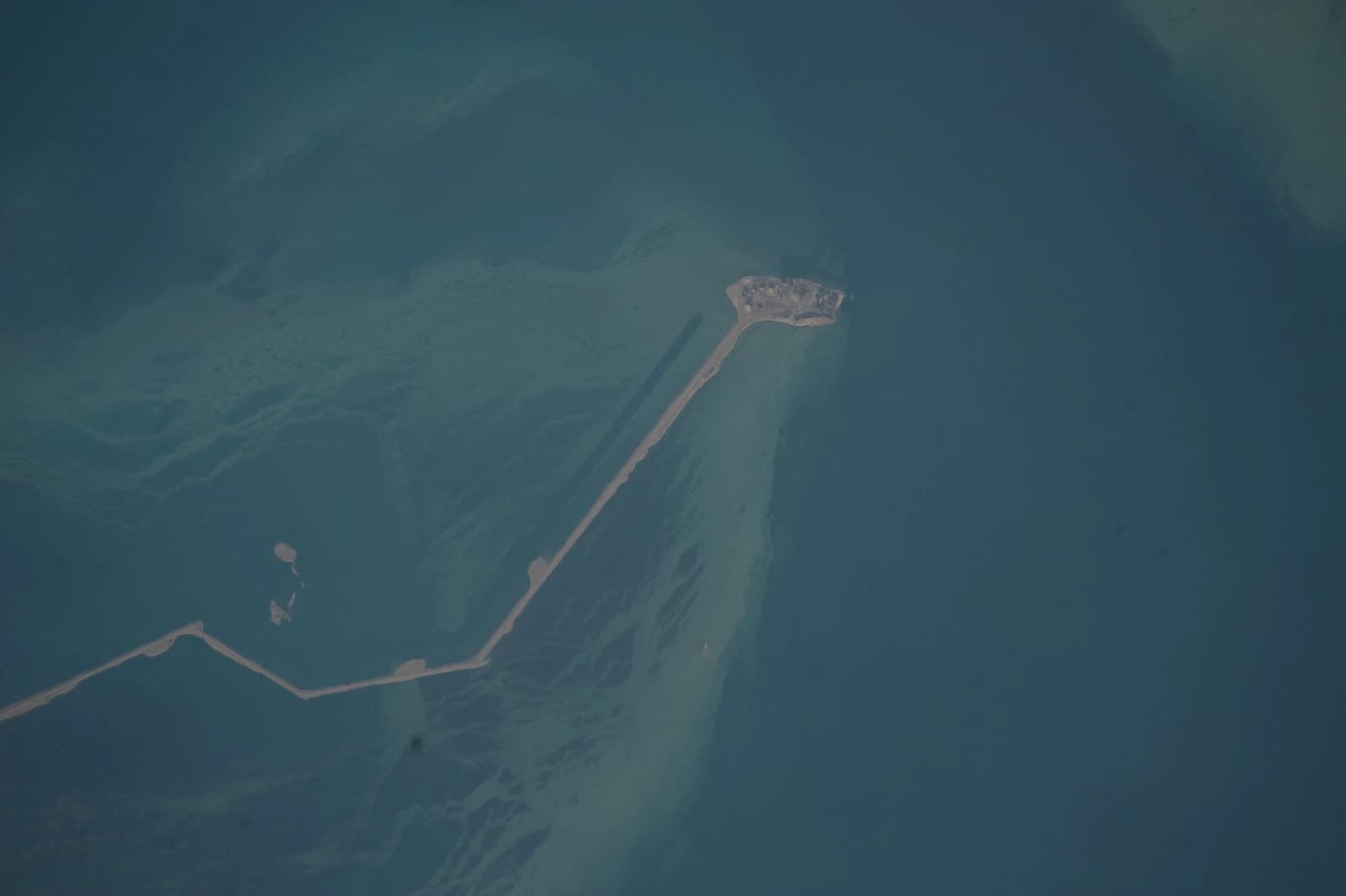
The move matters because oil remains the most direct transmission channel from geopolitics to inflation, transport costs and global growth. When traders price in even a small chance of damage to shipping lanes, export terminals or producing infrastructure, energy costs can jump fast and ripple through the broader economy.
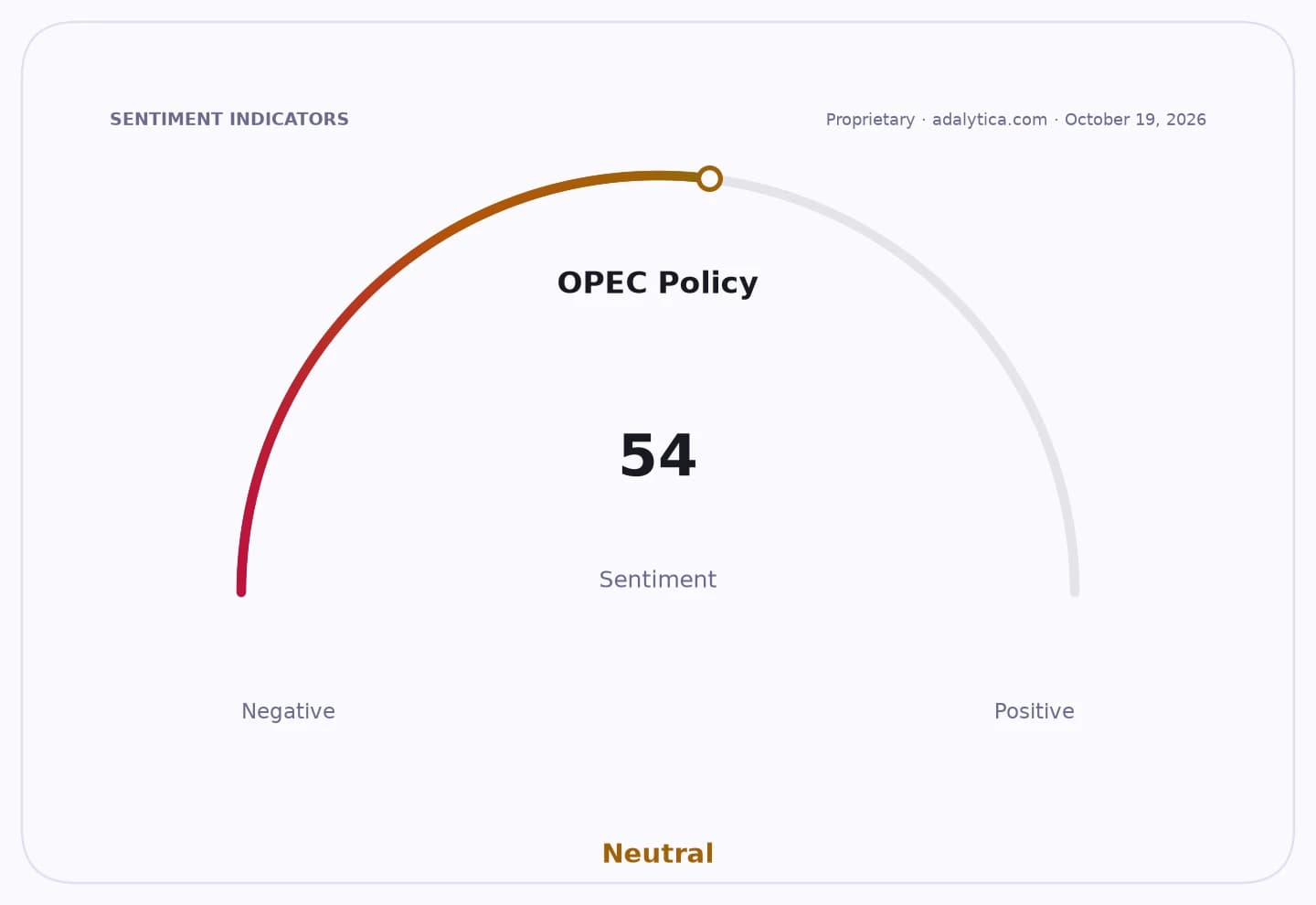
Sentiment IndicatorsⓘProprietary · adalytica.com · October 19, 2026
This is a snapshot — live sentiment, awareness and momentum for 130+ markets update continuously in the dashboard.Open AlphaPulse
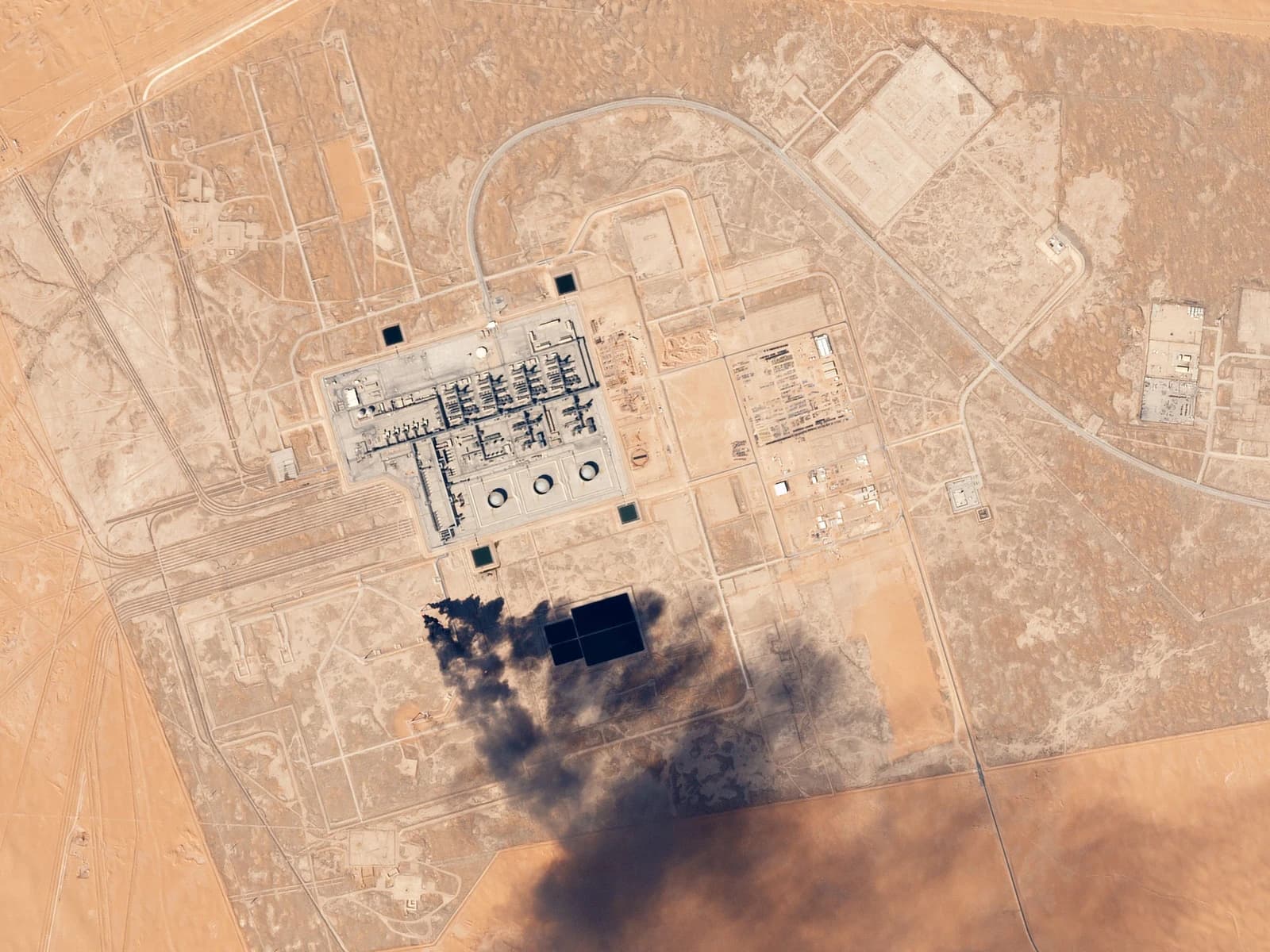
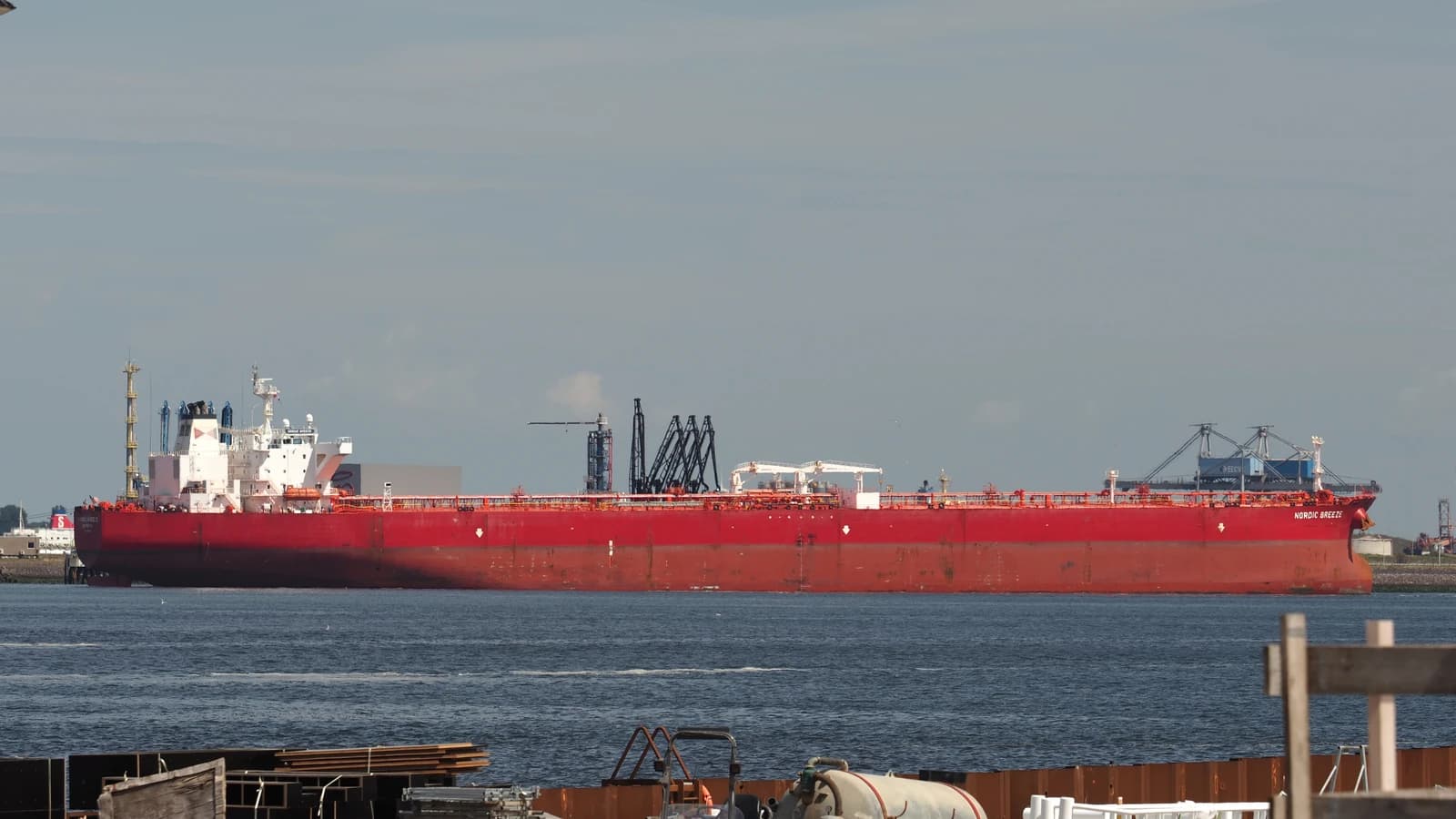
The rally was driven by renewed attacks and heightened security concerns around the Strait of Hormuz and Saudi oil facilities, two chokepoints that sit at the center of global crude supply. With the region still unstable and Russian supply risks lingering in the background, investors are treating the latest move as more than a short-lived spike.
U.S. oil proxies also tracked the surge. BNO closed at 67.12, up sharply from 58.75 on Sept. 29, while USL ended at 62.80 and USO at 160.81, both near their highs for the period. Technical gauges show the trade is stretched: BNO’s 14-day RSI stood at 83.8 and USO’s at 76.1, readings that usually point to an overbought market, though geopolitics can keep momentum running longer than usual.
For investors, the implications are straightforward. Energy producers and oil-linked exchange-traded products benefit from the price spike, while airlines, refiners, chemical makers and other fuel-intensive industries face higher input costs if the rally holds. Higher crude also complicates the outlook for central banks by pushing up headline inflation at a time when policymakers are trying to assess whether price pressures are easing or re-accelerating.
The next catalyst is whether the Middle East situation worsens or stabilizes. Any fresh disruption to tanker traffic, export infrastructure or Saudi output could extend the rally, while signs of de-escalation could quickly knock prices back from overbought levels.
| Entity | Gains | Losses |
|---|---|---|
| Oil producers | ▲Higher realized prices | ▼— |
| Energy ETFs (BNO, USL, USO) | ▲Price momentum | ▼Pullback risk from overbought levels |
| Airlines and fuel-heavy companies | ▲— | ▼Higher jet fuel and input costs |
| Global consumers/central banks | ▲— | ▼More inflation pressure |