The Houthi warning that attacks on Saudi Aramco facilities will continue has pushed the Middle East’s oil-security premium back to the fore, lifting crude and sharpening the market’s focus on supply disruption risk from the Gulf.
Saudi Aramco attack threats lift Brent above $105
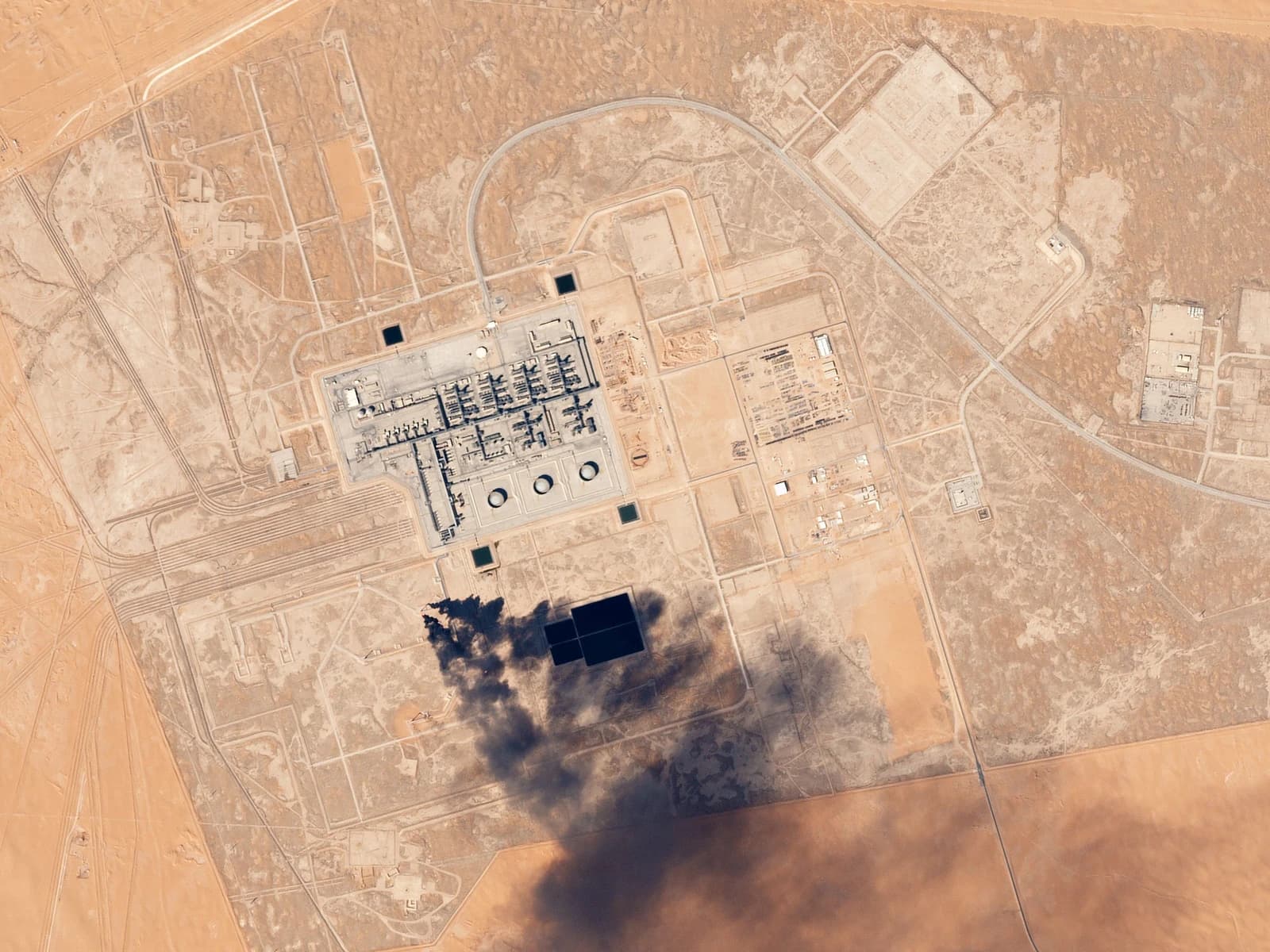
The immediate economic significance is clear: Saudi Arabia sits at the center of global spare capacity and energy trade, so any credible threat to its export infrastructure can ripple through oil prices, inflation expectations and transport costs far beyond the region. Reuters’ news flow has already tied the latest strikes and threats to Brent crude moving above $105 a barrel, a level that reinforces the risk of a renewed squeeze on consumers and central banks if attacks intensify or spread to shipping lanes.
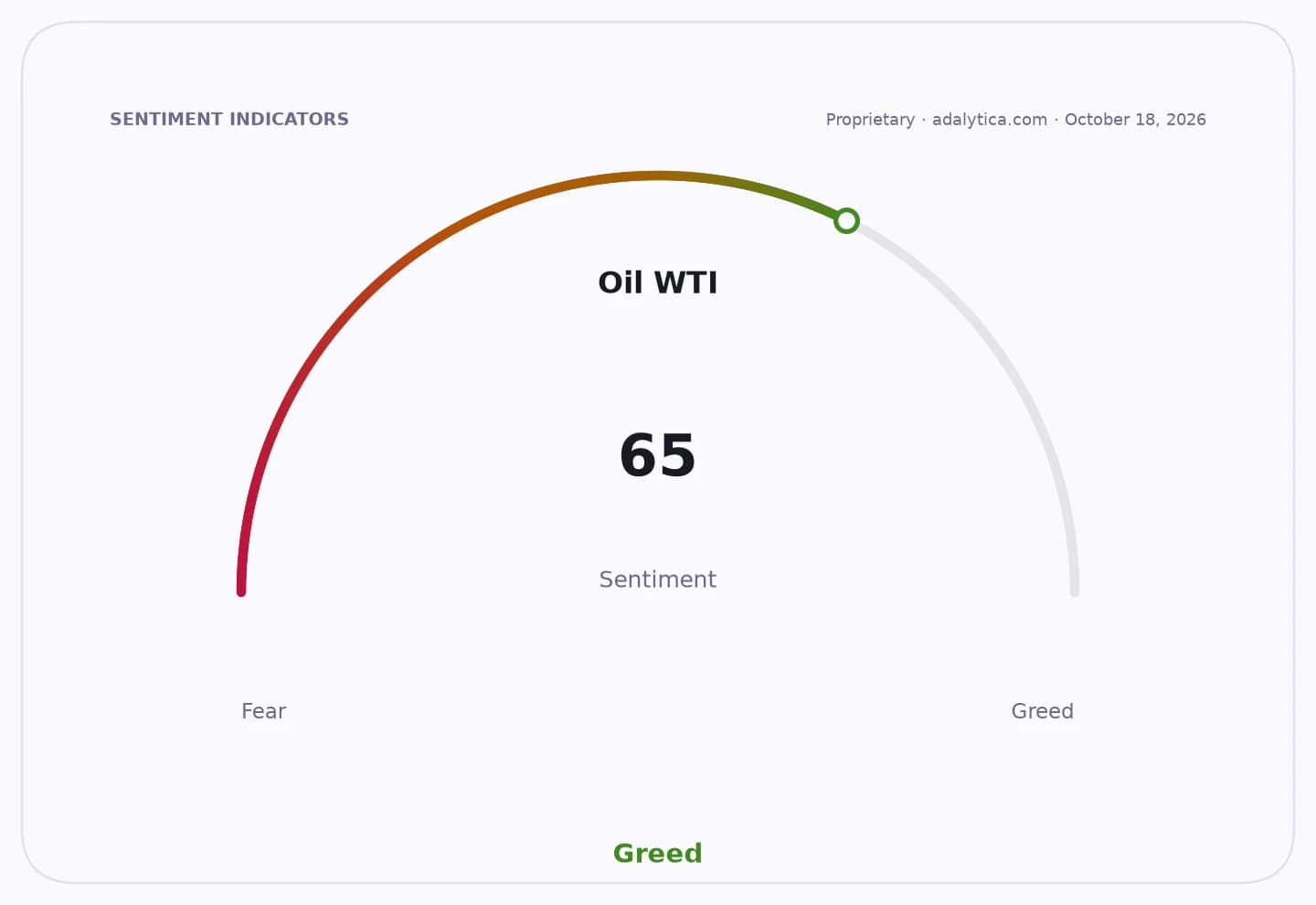
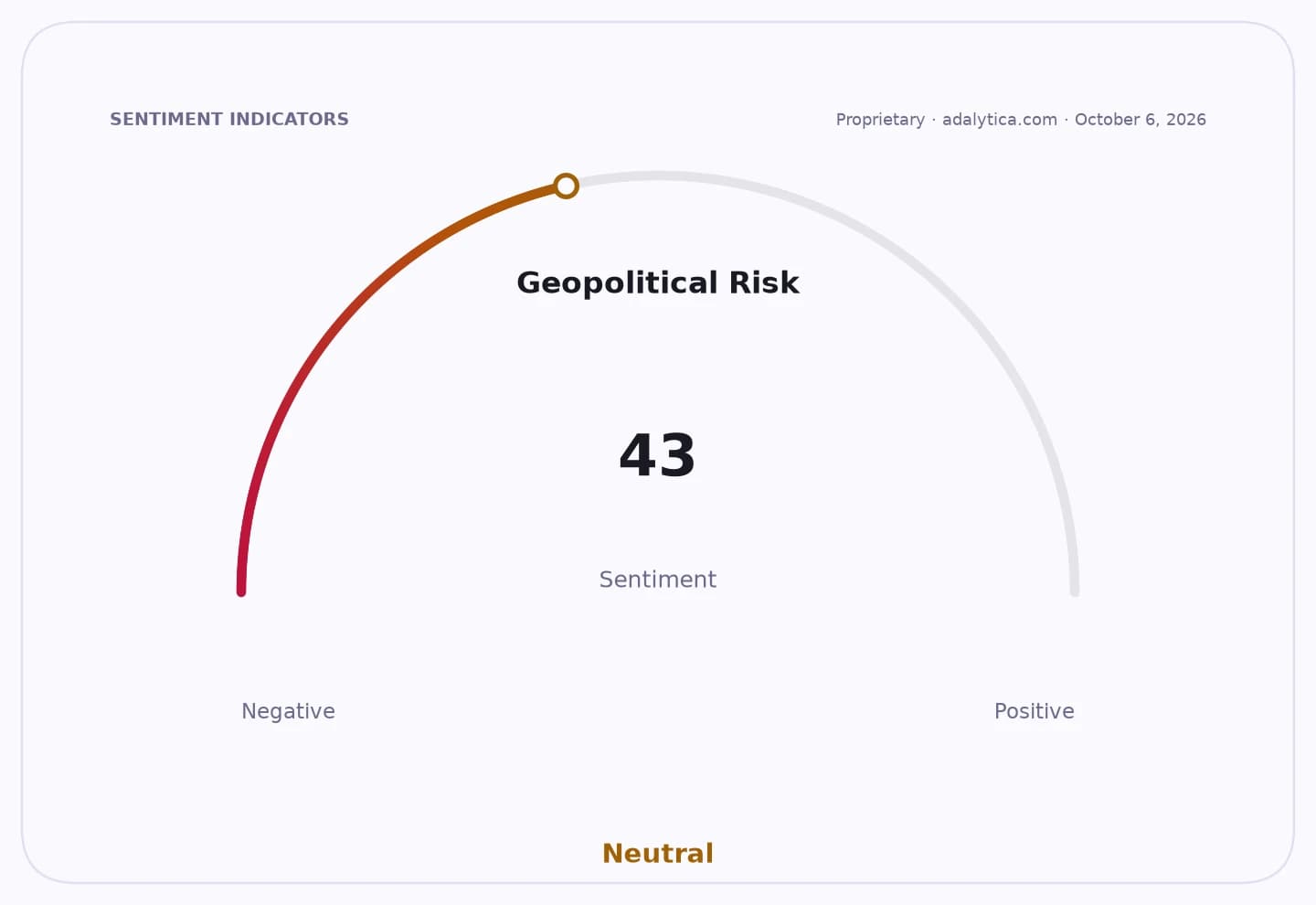
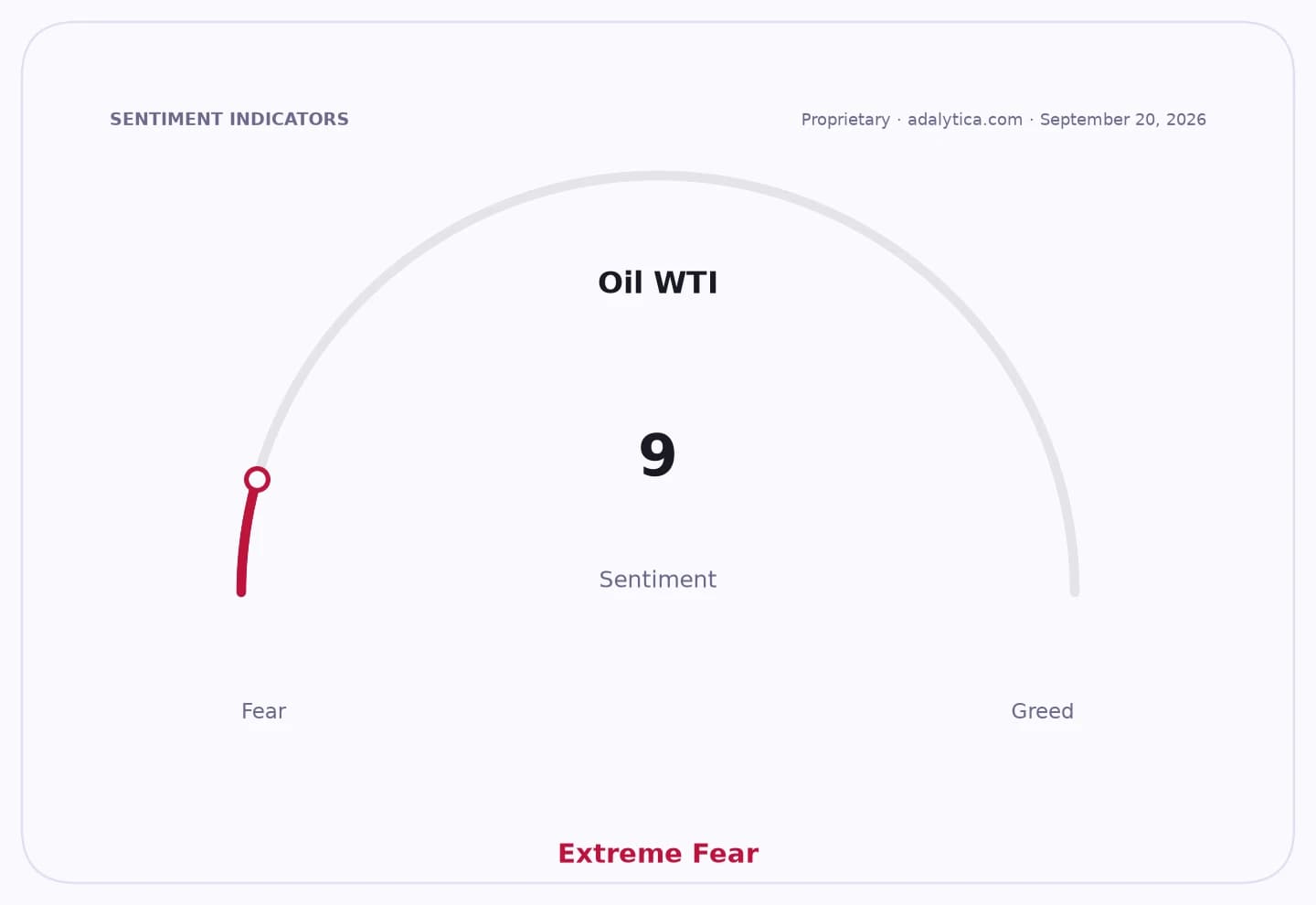
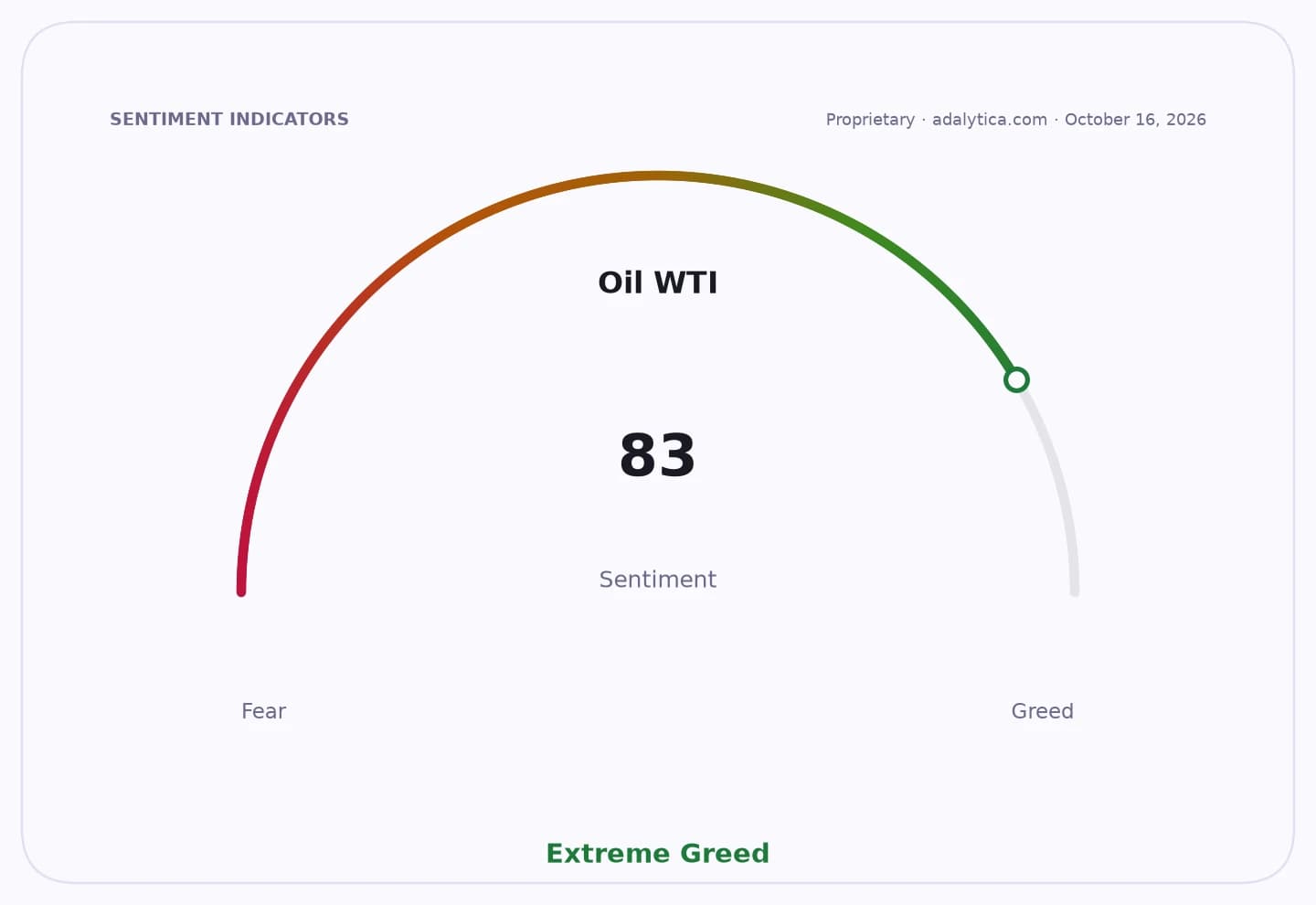
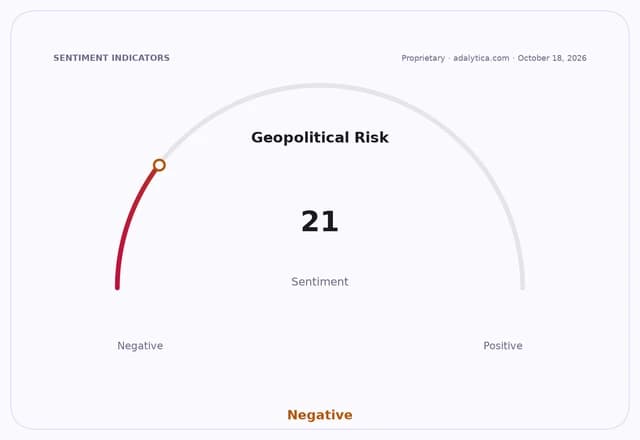
Sentiment IndicatorsⓘProprietary · adalytica.com · October 18, 2026
This is a snapshot — live sentiment, awareness and momentum for 130+ markets update continuously in the dashboard.Open AlphaPulse
The Houthis said they would continue striking petrochemical facilities, airports and Aramco assets in coming days, after claiming hits on installations in Dhahran, King Khalid International Airport and a refinery in Riyadh. They also urged international shipping companies and civilians to stay away from targeted sites, an escalation that broadens the perceived attack perimeter from military objectives to the core of Saudi Arabia’s industrial and logistics base. That matters because even when physical damage is limited, repeated warnings and drones or missile launches can force higher insurance costs, emergency routing changes and precautionary shutdowns.
For investors, the first-order effect is on energy prices and the second-order effect is on broader risk appetite. The latest move in WTI-linked instruments has already reflected that tension, with USO and crude futures trending sharply higher over recent sessions, while energy equities have outperformed the broader market. The sector’s rally is consistent with a classic geopolitical trade: upstream producers benefit from tighter supply expectations, while refiners, airlines, shippers and energy-intensive consumers face margin pressure.
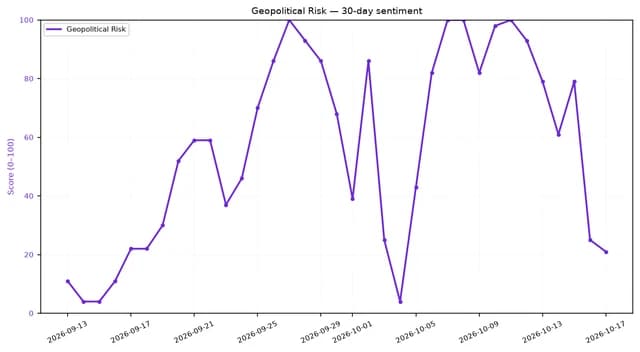
The macro backdrop makes the stakes higher. IMF chief Kristalina Georgieva said the attacks could lift energy costs globally, a reminder that Gulf disruptions transmit quickly into inflation, import bills and trade balances. With US 10-year yields still around 5%, any sustained oil spike could complicate the policy outlook by keeping headline inflation sticky and delaying any relief in bond markets. That is especially relevant for economies that rely on imported crude and for consumers already strained by higher fuel and freight costs.
Saudi Arabia’s response, including retaliatory strikes on Yemen, suggests the confrontation is still in an escalation phase rather than a containment phase. The kingdom’s decision to keep major investment events running in hybrid form underscores the reputational and operational damage that repeated attacks can inflict, even absent a major supply outage. For Aramco, the central issue is not just whether production is interrupted, but whether the market prices in a higher probability of future outages, bottlenecks or export-route disruption.
Bullish investors in energy will see the episode as support for oil prices and producer cash flows, especially if supply risk persists across the Strait of Hormuz and wider Gulf. The bear case is that markets can overreact to headlines unless attacks cause lasting damage or a measurable loss of barrels. For now, though, the balance of risk is tilted toward volatility, with the market treating the threat to Aramco and Saudi infrastructure as a live supply shock rather than a passing security incident.
| Entity | Gains | Losses |
|---|---|---|
| Oil producers | ▲Higher crude prices | ▼Demand destruction risk |
| Refineries and airlines | ▲Hedged inventories | ▼Margin pressure |
| Saudi Arabia / Aramco | ▲Strategic leverage | ▼Security costs, reputational damage |
| Importers and consumers | ▲None | ▼Higher fuel and freight costs |