Saudi Aramco’s ability to restore damaged oil infrastructure within days is becoming as important to markets as the attacks themselves, because faster recovery is now helping determine how much of the kingdom’s crude actually reaches global buyers during an era of persistent Middle East conflict.
Saudi Aramco cuts oil outage recovery time
The state producer’s new approach to energy security is built around a simple economic reality: supply interruptions are most damaging when they last. By investing in emergency response teams, drone-assisted inspections, larger stocks of critical equipment and more domestic sourcing, Aramco has cut the time it needs to respond to incidents to more than six times faster than the industry average, Chief Executive Amin Nasser told Reuters.
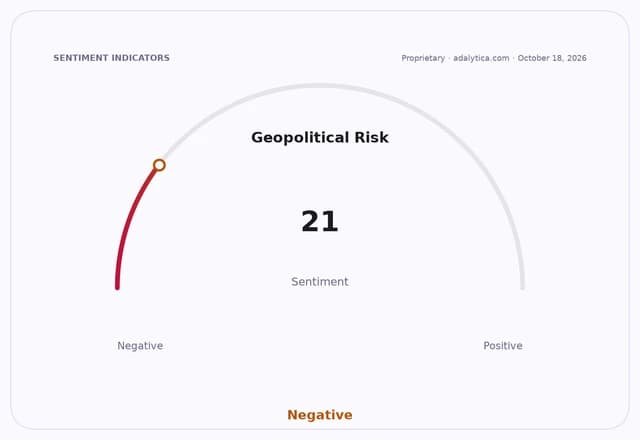
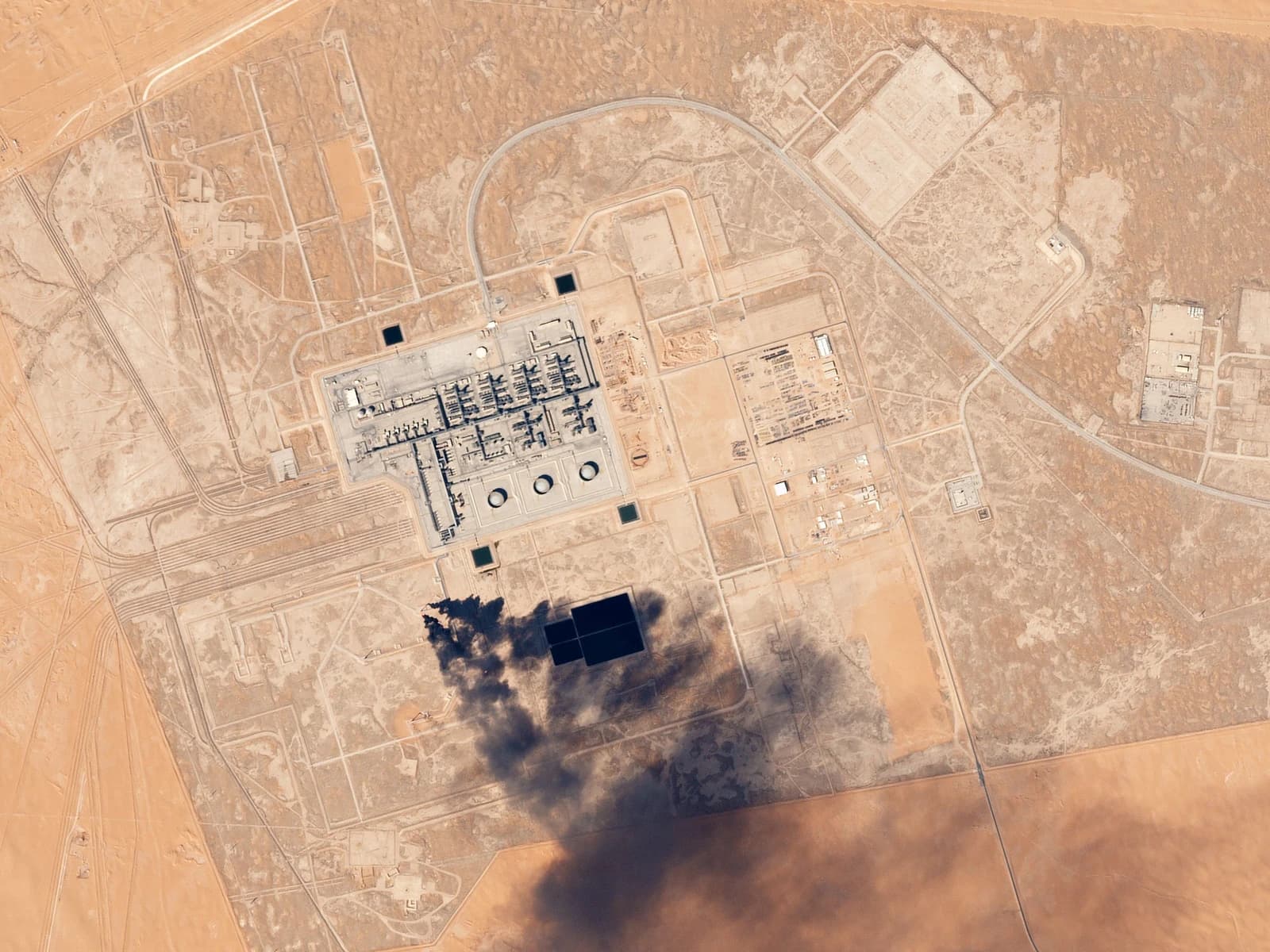
That matters because Saudi Arabia remains the world’s swing producer and a central pillar of global oil supply. The company’s upgrades were tested in September, when drone attacks damaged pumping stations along the East-West pipeline, the strategic route that moves crude from eastern fields to Red Sea export terminals. Aramco said it restored pumping within days, limiting the duration of the disruption even as the damage underscored the vulnerability of transport links.
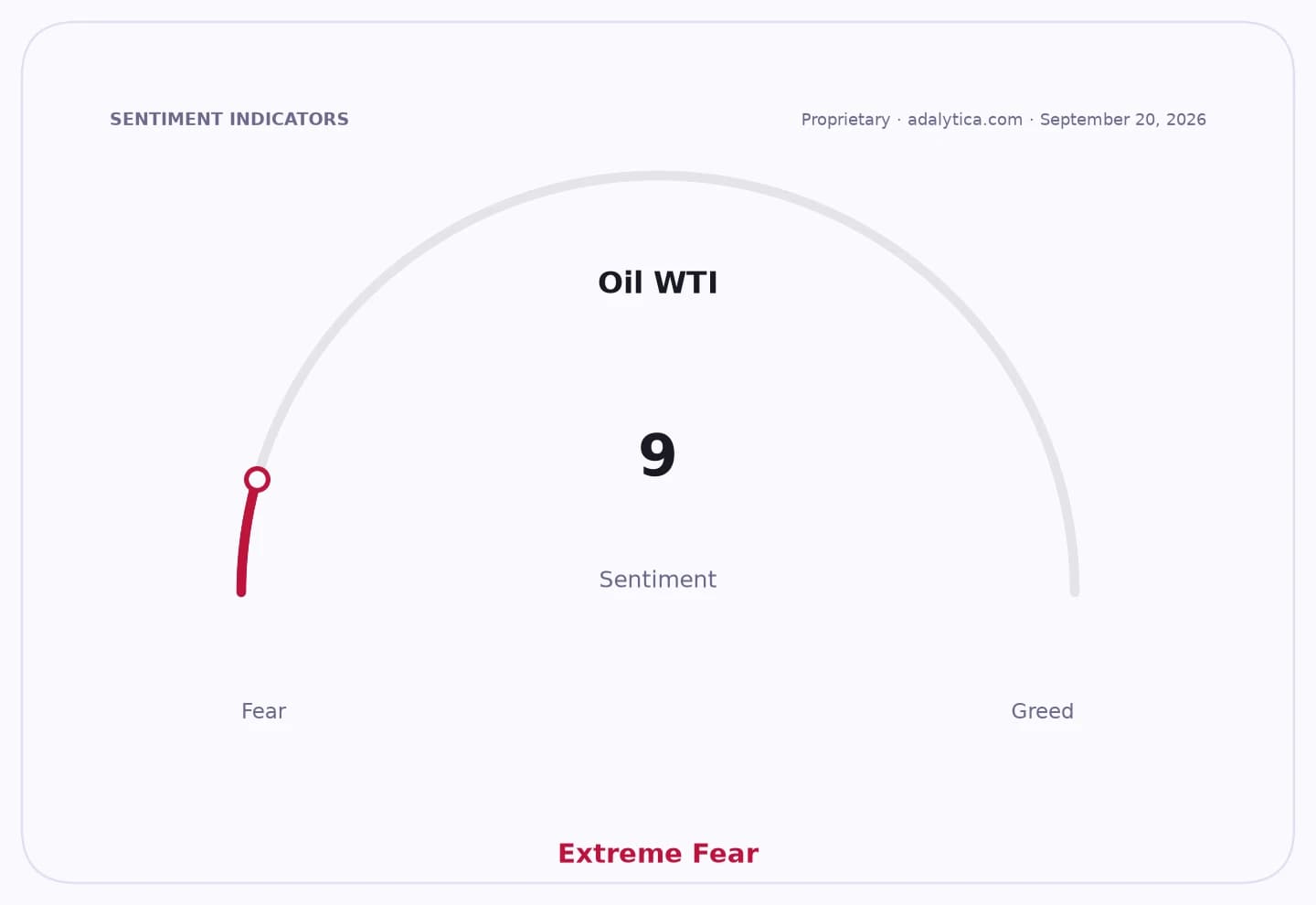
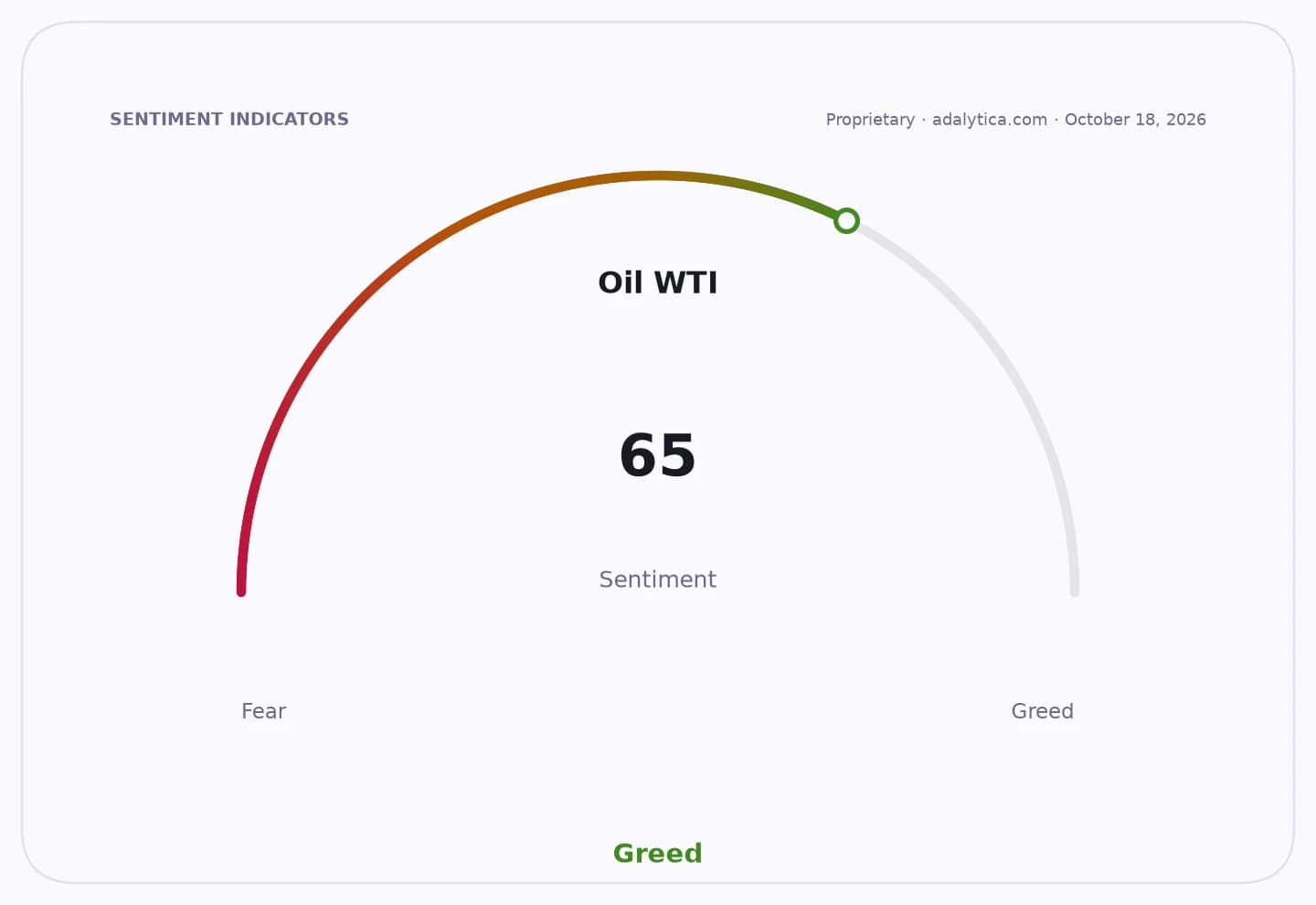
The market implications are two-sided. On the bullish side, higher resilience reduces the odds that a single attack turns into a prolonged production outage, which would otherwise tighten a market already sensitive to geopolitical shocks. Saudi crude output fell below 7 million barrels a day for much of the first half of the conflict, versus more than 10 million barrels before hostilities, according to International Energy Agency data, before recovering to about 8 million barrels a day in September. That recovery helps explain why oil supply fears can spike quickly even when damage is contained.
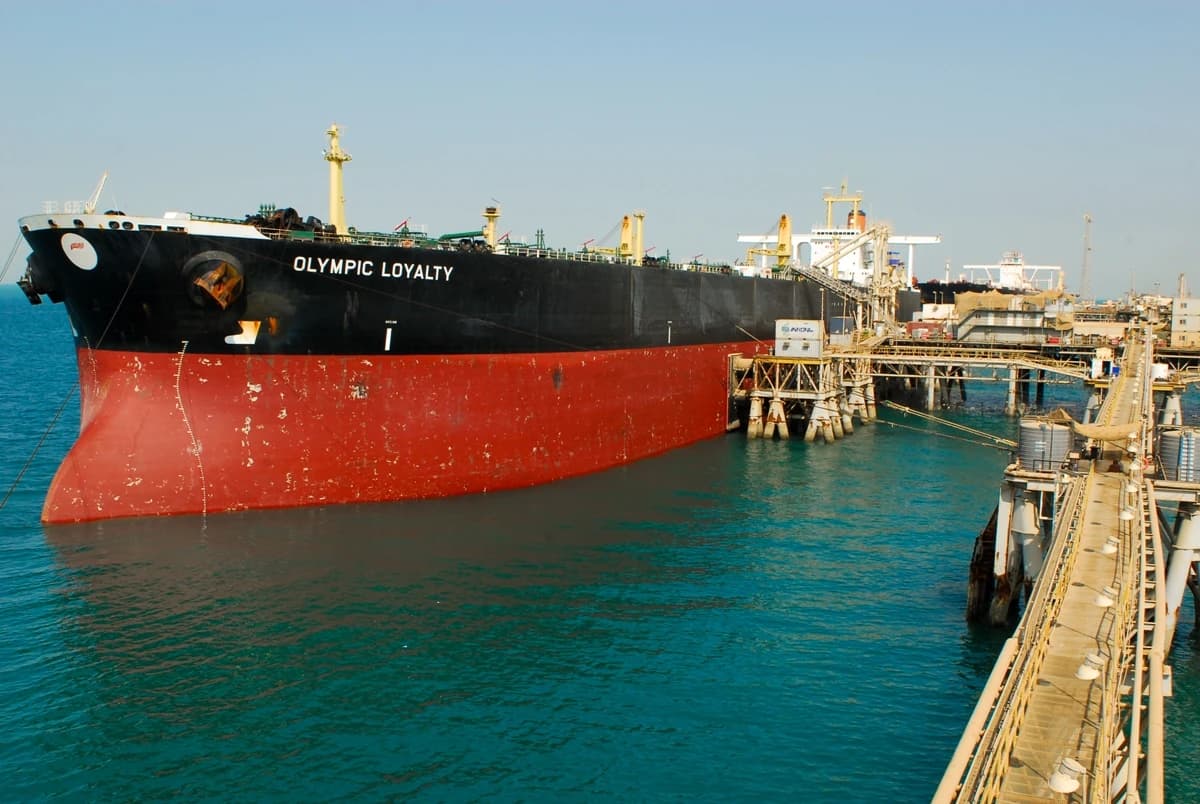
On the bearish side, resilience is not the same as immunity. Aramco still faces shipping bottlenecks, especially around the Strait of Hormuz and the Bab el-Mandeb, and it is evaluating alternative export routes without announcing concrete projects. That means even when production is restored, crude can still be stranded or delayed before it reaches refiners.
For investors, the story is less about one attack than about the new baseline for upstream economics in the Gulf. Operational preparedness increasingly functions like an insurance premium: it protects revenue by shortening downtime, but it also raises operating and capital costs through extra inventories, redundant systems and specialized crews. Whether that spending creates value depends on how often the region is hit and how severe the disruptions become.
The beneficiaries are likely to be oilfield service firms, engineering contractors, equipment suppliers and industrial technology providers tied to inspection, repair and backup infrastructure. The losers are producers and exporters with weaker resilience, along with refiners and consumers still exposed to chokepoint risk when crude cannot move freely through maritime routes. The broader message for oil markets is that security spending is now part of the supply chain, not a response to it.
| Entity | Gains | Losses |
|---|---|---|
| Saudi Aramco | ▲Lower downtime | ▼Higher operating costs |
| Oilfield service firms | ▲More repair demand | ▼— |
| Global oil buyers | ▲More stable supply | ▼Higher risk premiums |
| Weak infrastructure producers | ▲— | ▼Greater outage exposure |