Brent crude’s push back above $110 a barrel is a reminder that geopolitical shocks still have the power to rattle the global economy, and this one matters because it threatens to lift fuel costs, inflation and the earnings outlook for energy producers all at once.
Brent crude tops $110 on Middle East supply risk
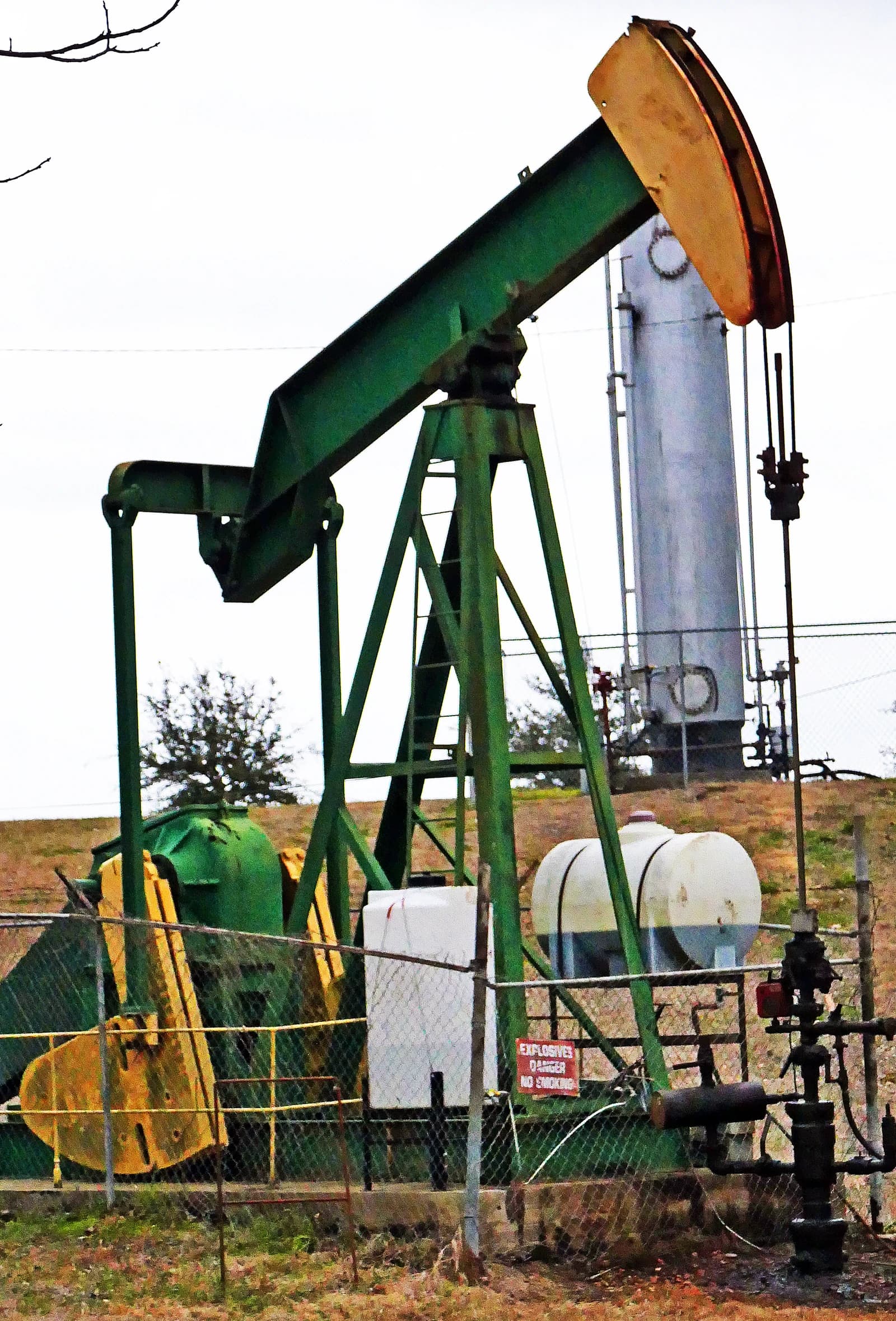
The benchmark settled at $109.86 on Friday, its highest close since May, after touching $110 for the first time in months as traders priced in the risk that fighting around the Middle East could disrupt supplies through one of the world’s most important energy corridors. U.S. crude, or WTI, climbed to $101.41, while Brent gained 4.9% over the week and WTI advanced 10.4%.
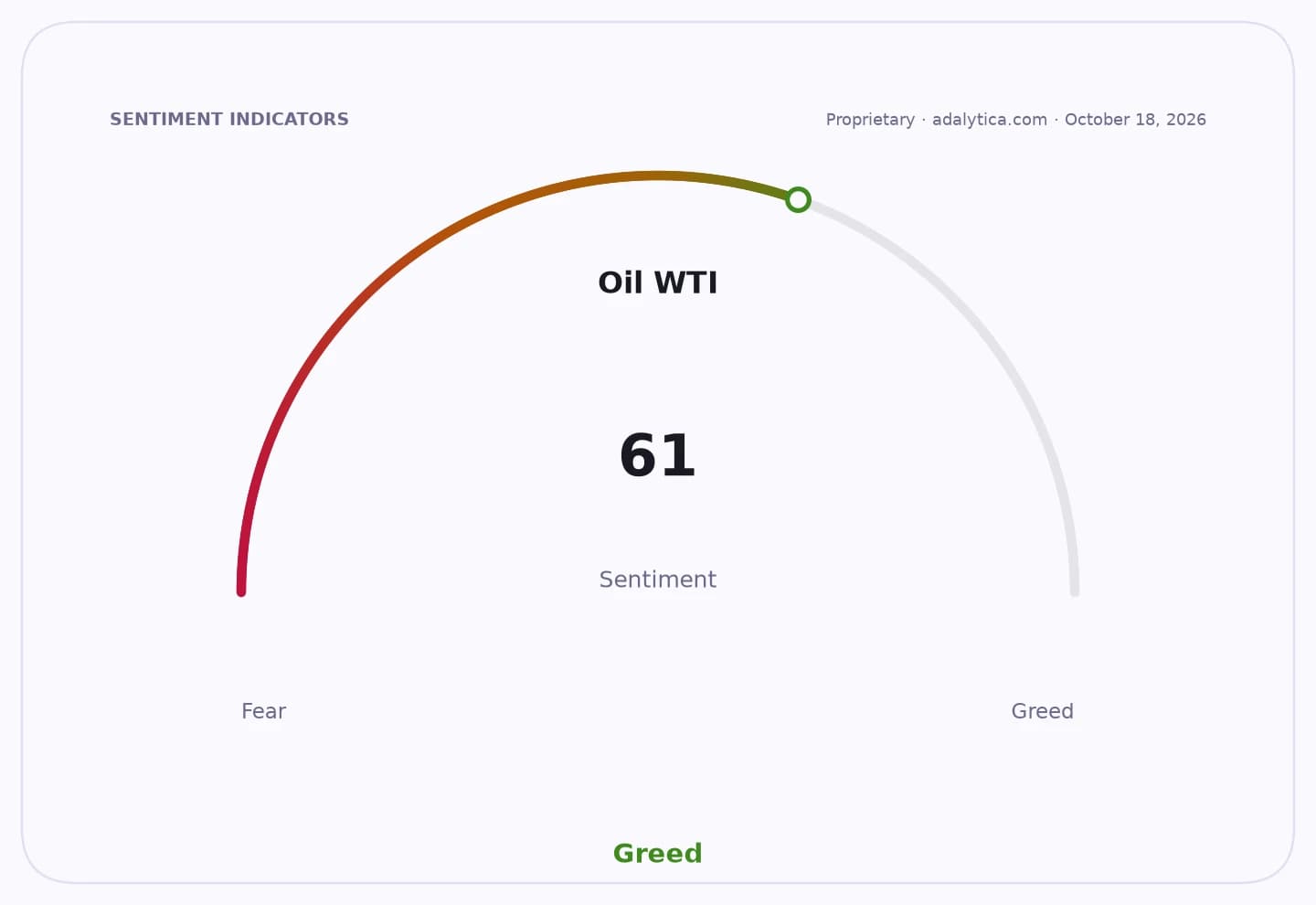
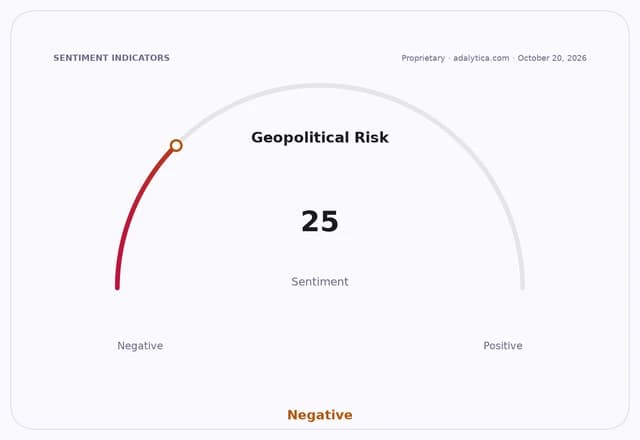
Sentiment IndicatorsⓘProprietary · adalytica.com · October 20, 2026
This is a snapshot — live sentiment, awareness and momentum for 130+ markets update continuously in the dashboard.Open AlphaPulse
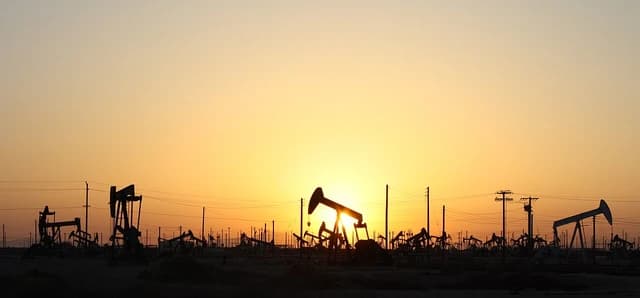
For investors, the key question is not just whether oil can spike further, but whether the market is moving into a more durable period of supply tightness. Attacks near the Strait of Hormuz have intensified over the past ten days, and Saudi Arabia said it intercepted a ballistic missile aimed at Yanbu, a Red Sea port it uses to bypass Hormuz. Even with initial reports of no damage, the message to markets was clear: spare capacity is less comforting when ships, ports and pipelines look vulnerable.
That is why this move matters beyond the energy patch. Higher crude prices feed directly into transportation, manufacturing and consumer costs, which can keep inflation sticky just as central banks and governments are trying to stabilize growth. The International Monetary Fund has long argued that expensive energy helps commodity exporters and hurts importers, and that divide becomes more pronounced every time Brent pushes toward triple digits.
DCOILWTICO vs CPIAUCSL — macro contextadalytica.com
Explore this data interactively — full history, time series and cross-market comparisons.Open AlphaPulse
The market is also wrestling with another supply issue: Russia’s diesel exports. A drone strike forced a unit shut at the Ryazan refinery, adding fresh doubts about how much fuel Moscow can actually deliver even after Donald Trump said last week he had struck a deal with Vladimir Putin for Russia to supply some 4.8 million tonnes of diesel. That comes on top of Ukraine’s decision to abandon a ceasefire on energy sites, increasing the odds that refined products stay tight even if crude flows hold up.
Officials are trying to cushion the blow. The International Energy Agency agreed to release more than 20 million barrels of fuel, and the U.S. Department of Energy offered up to 17 million barrels from the strategic reserve. Those steps can temper short-term panic, but they do not erase the larger problem: geopolitical risk is now sitting directly inside the oil price.
For long-term investors, the bigger takeaway is that volatility in energy remains a feature, not a bug, of the global market. Integrated producers such as Chevron and ConocoPhillips typically benefit when crude holds at elevated levels, while airlines, refiners and broader consumer-facing sectors face margin pressure if higher fuel costs linger. Energy ETFs and dividend-paying oil majors may continue to attract capital if investors believe the supply backdrop is deteriorating.
The next leg for Brent will likely depend on whether the Middle East situation stabilizes or widens, and whether Russian exports can truly offset the loss of comfort from the Gulf. For now, the signal is simple: oil is back in the macro driver’s seat, and investors should treat the move as worth watching closely, not chasing blindly.
| Entity | Gains | Losses |
|---|---|---|
| Oil producers | ▲Higher realized prices | ▼None immediately |
| Energy exporters | ▲Stronger revenues | ▼Importers’ bargaining power |
| Airlines and refiners | ▲Little to gain | ▼Higher fuel costs |
| Oil-importing economies | ▲Temporary supply releases | ▼Inflation pressure |