World oil prices look set to stay expensive well into 2028 as a global diesel squeeze, depleted inventories and geopolitical risk keep refinery markets tight and inflationary pressure alive.
Oil, diesel prices seen tight through 2028
That matters because diesel sits at the center of the real economy: it powers freight, farming, manufacturing and much of industrial production. Even if crude stabilizes, a shortage of refined fuel can keep transport costs, food prices and input costs elevated across major economies.
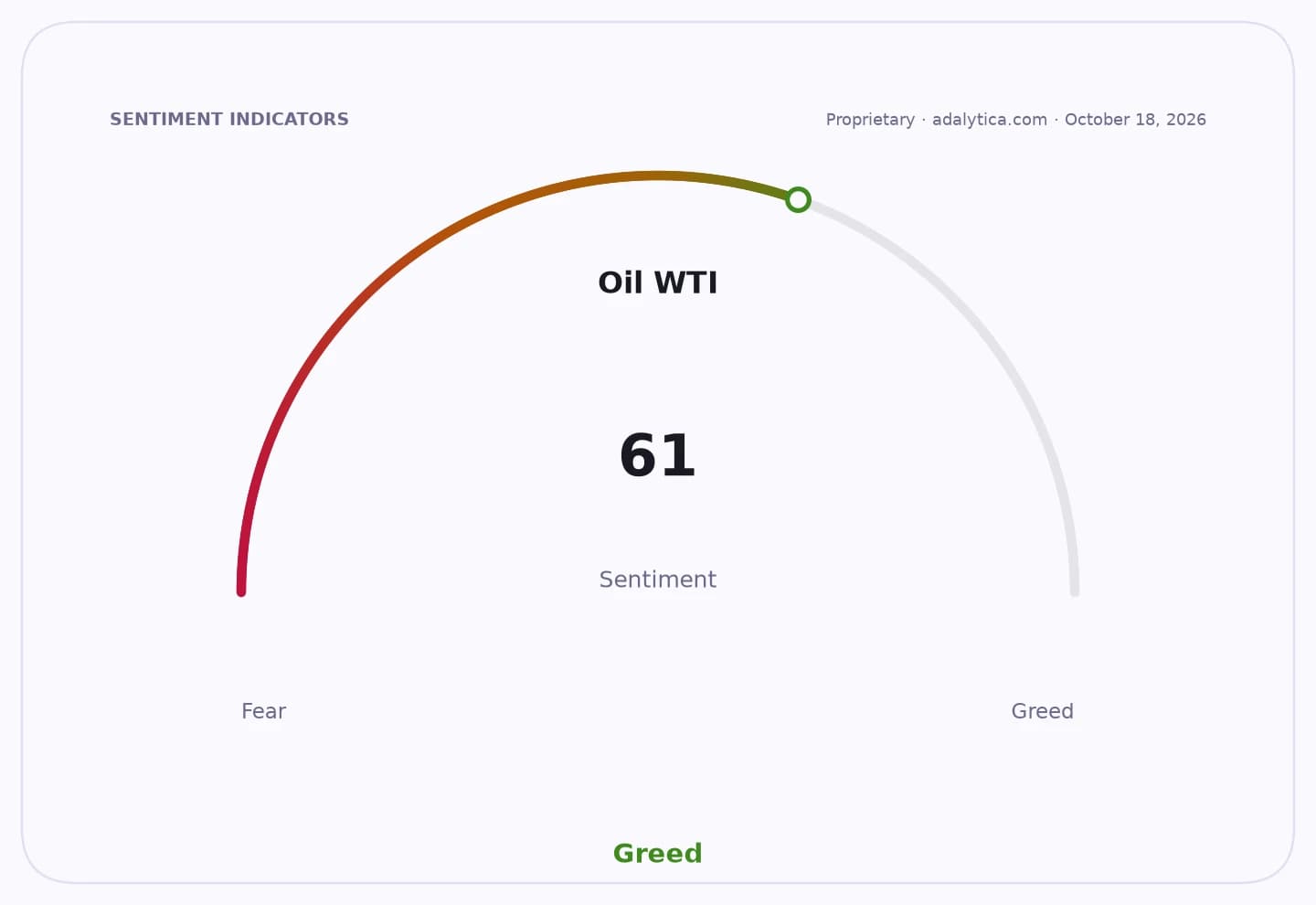
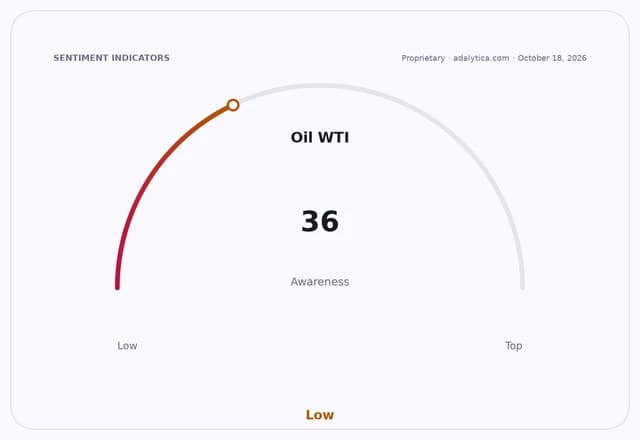
The clearest sign is in the forward curve. Brent crude for December 2027 has climbed more than 13% since the start of September to about $86 a barrel, a record for that contract, while the December 2026 contract is up roughly 12%. Traders are paying up to lock in supplies months and years ahead, suggesting the market is pricing not just a short-lived shock but a longer period of tightness.
Diesel is where the stress is most acute. European benchmark diesel futures hit a record $1,480 a ton in mid-September, or about $210 a barrel, after supply disruptions in the Middle East and Russia tightened the market. December 2027 diesel futures have risen above $1,000 a ton from about $644 before the Iran war, underscoring how deeply the shortage has altered pricing expectations.
The International Energy Agency says the market should stay short of diesel through 2027, even though it expects global oil supply to rise to 108.3 million barrels a day in 2027 from 100.7 million in 2026. Demand is also seen rising, but much of the rebound is expected to come from petrochemicals rather than transport fuels, which leaves diesel supply structurally strained.
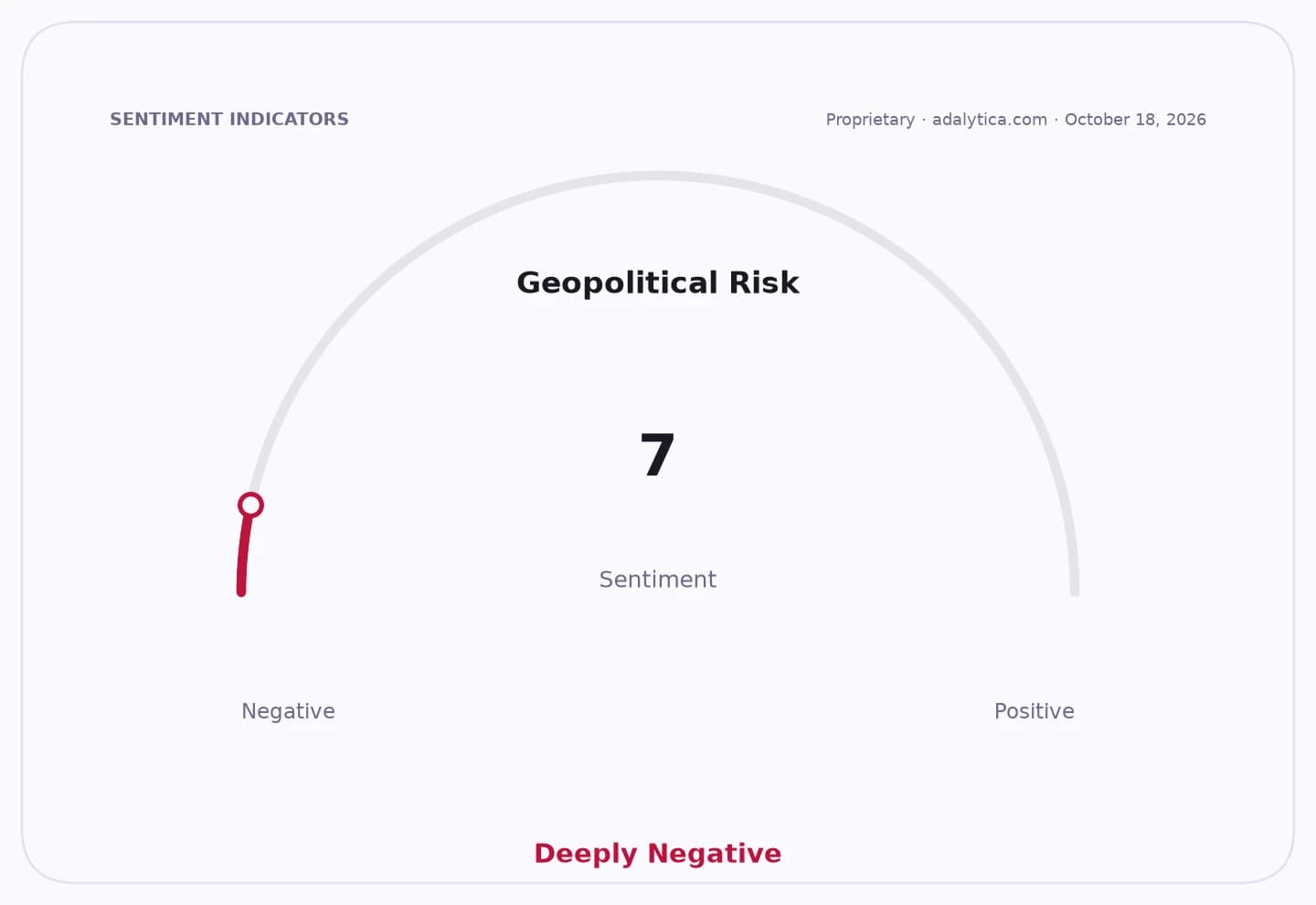
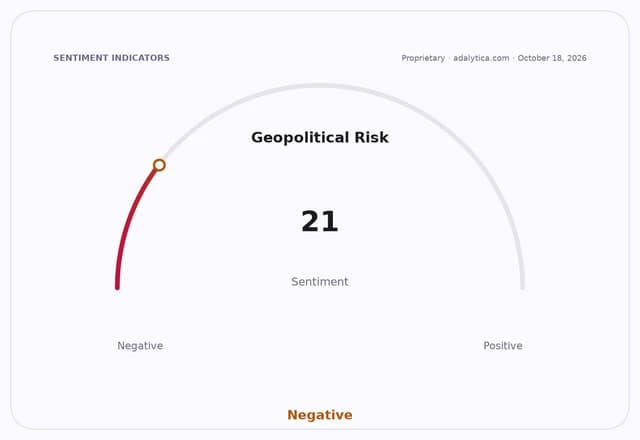
The geopolitical backdrop is doing a lot of the work. Eight months into the U.S.-Iran conflict, the stockpiles that cushioned the initial shock are being drawn down, while the recovery in exports through the Strait of Hormuz remains limited. Houthi attacks in the region and damage to Russian refining capacity from Ukrainian drone strikes have further reduced the world’s ability to make and move diesel.
For investors, the implications reach beyond oil producers. Refiners stand to benefit from wider product margins, while airlines, shippers, industrial users and consumer-facing companies face a cost squeeze that can hit earnings even if crude itself stops rising. The U.S. Dollar Index has also softened alongside the latest oil move, which can amplify imported energy costs in non-dollar markets.
The IEA warned that diesel sent to key importers including Europe, Africa and Latin America may keep rising in the coming weeks as shipping strains persist. Until refining capacity recovers and geopolitical risks ease, the market is likely to keep paying a premium for the fuel that keeps global commerce moving.
| Entity | Gains | Losses |
|---|---|---|
| Refiners | ▲wider diesel margins | ▼higher feedstock costs |
| Oil producers | ▲stronger crude pricing | ▼demand erosion risk |
| Freight, airlines, industry | ▲limited benefit from price spikes | ▼higher fuel bills |
| Importers of diesel | ▲temporary supply relief if cargoes arrive | ▼persistent price inflation |